LENOVO ThinkPad E14 Gen 4 (Intel) RAM upgrade specifications
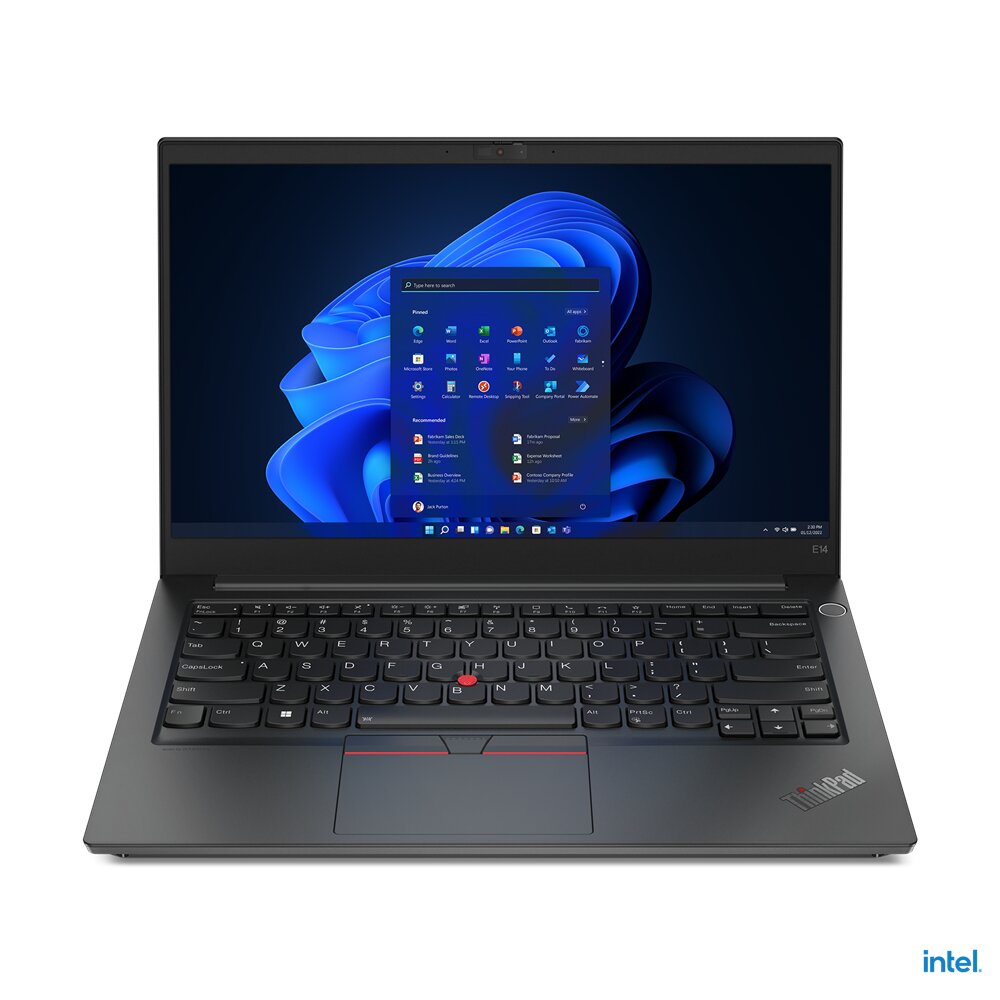
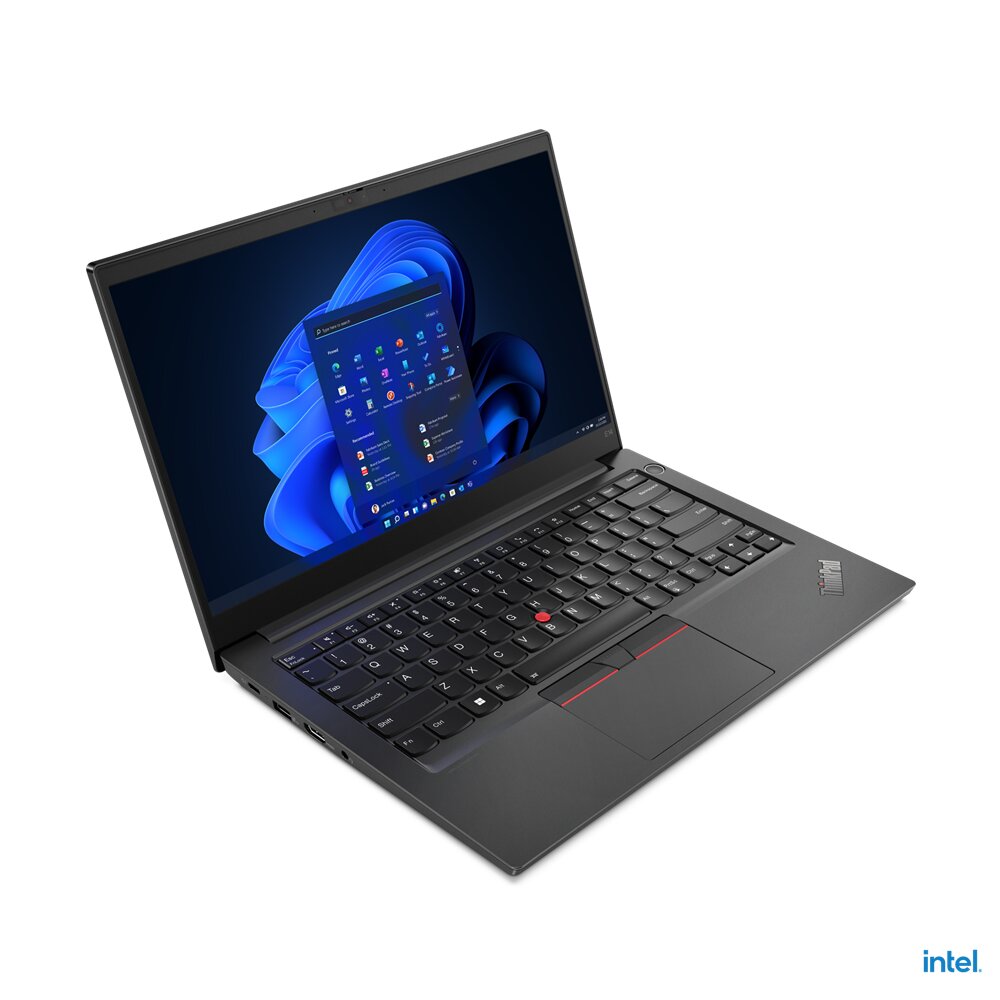
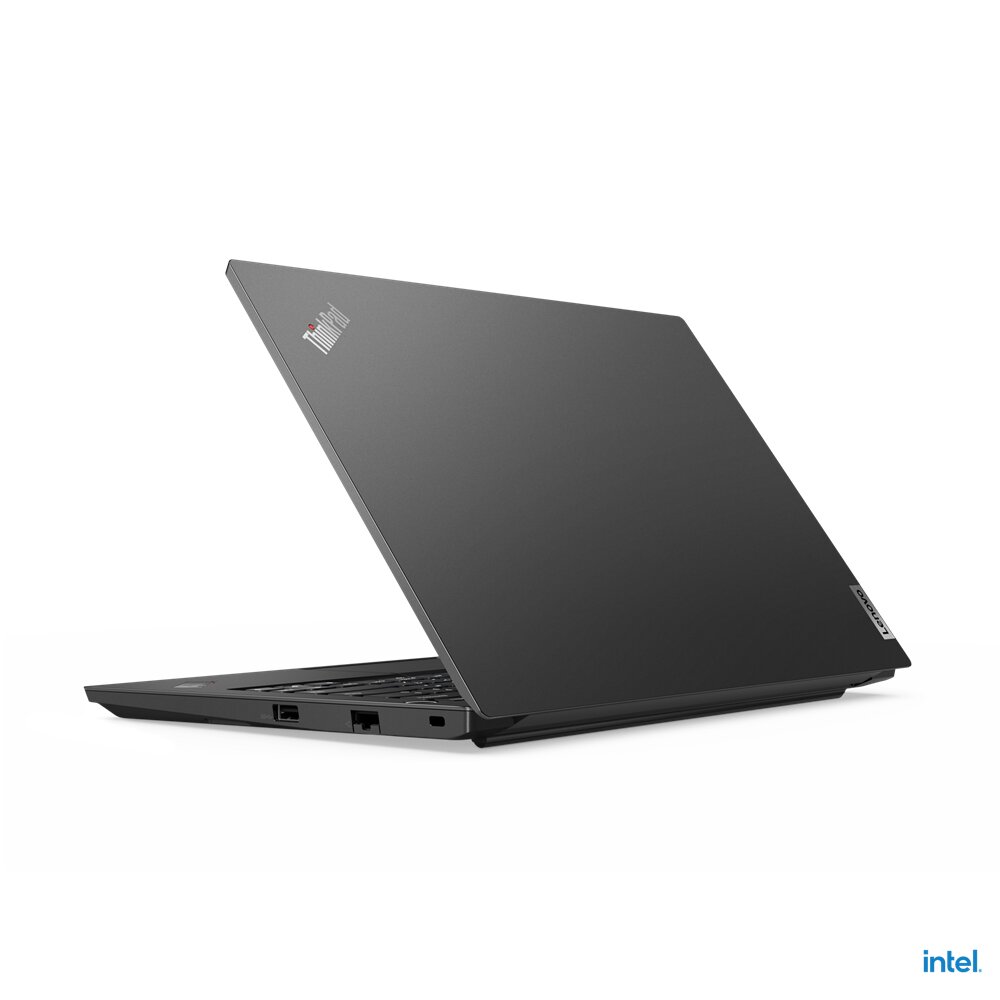
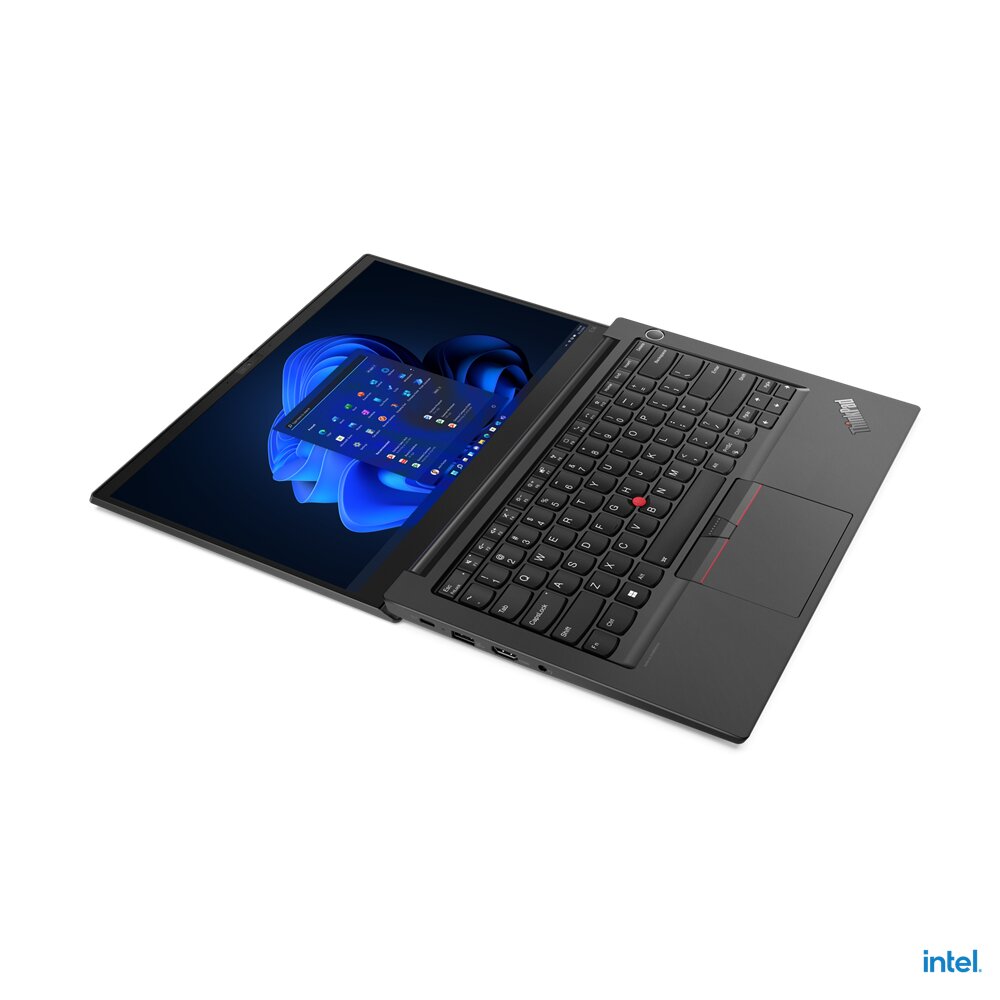
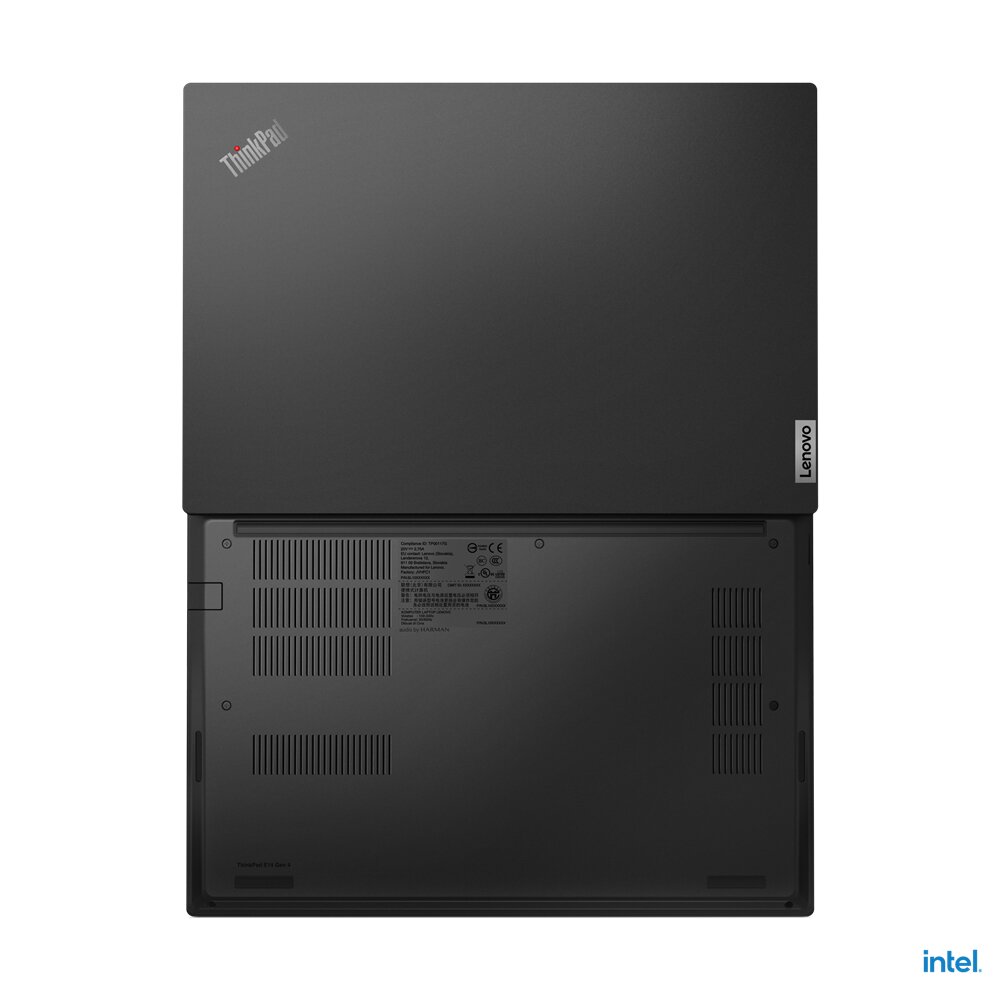
The Lenovo ThinkPad E14 Gen 4 (Intel) features DDR4-SDRAM memory configuration with one SO-DIMM slot available for upgrade. The laptop contains on-board memory combined with a single SO-DIMM slot, supporting maximum RAM capacity of 40 GB. Memory specifications include 3200 MHz frequency support. RAM upgrade compatibility requires DDR4-SDRAM modules matching the specified frequency for optimal performance and system stability.
Memory Upgrade Specifications
| Specification | Value |
|---|---|
| Memory slots | 1x SO-DIMM |
| Form factor | On-board + SO-DIMM |
| Memory type | DDR4-SDRAM |
| Frequency | 3200 MHz |
| Maximum RAM | 40 GB |
| Voltage | 1.2V |
| Number of pins | 260-pin |
| Interface | PC4 |
| PC Speed Rating | PC4-3200 (PC4-25600) |
| Bandwidth | 25.6 GB/s |
| Laptop Release date | 01 June 2023 |
Additional Notes
- The LENOVO ThinkPad E14 Gen 4 (Intel) features soldered memory in addition to the single accessible slot, meaning one memory bank cannot be removed or replaced without motherboard-level service.
- The 40 GB maximum capacity indicates 8 GB of non-removable soldered RAM paired with a 32 GB module, creating an asymmetric dual-channel configuration that may result in flex mode operation.
- Flex mode divides available memory into matched and unmatched regions, where the first 16 GB operates in dual-channel while the remaining 24 GB runs in single-channel, reducing bandwidth for memory-intensive workloads beyond the matched capacity.
- DDR4-3200 operates at lower latency than DDR5 equivalents at similar speeds, but lacks the power efficiency and future scalability of newer memory standards.
- Installing modules faster than 3200 MHz will result in automatic downclocking to match the system's maximum supported frequency, wasting the cost premium of higher-speed modules.
- The single SO-DIMM slot requires module removal to perform upgrades, temporarily reducing the system to only the soldered memory capacity during the replacement process.
- Non-ECC unbuffered modules are required, as standard consumer SO-DIMMs, since server-grade ECC memory will not function or POST in this configuration.
- Mixing module brands or IC types with the soldered memory may cause stability issues or force the system to operate at lower speeds than the rated 3200 MHz specification.
- JEDEC standard voltage of 1.2V is required, as low-voltage or overclocking-oriented modules may not initialize correctly with the soldered memory bank.
- Physical clearance beneath the service panel may restrict module height, typically limiting compatible SO-DIMMs to standard 30mm profiles rather than taller heat-spreader equipped variants.
- Warranty preservation requires adherence to manufacturer-approved upgrade procedures, as damage to the soldered memory during service panel removal would necessitate motherboard replacement.
- Single-rank modules optimize compatibility with the soldered bank, while dual-rank modules may function but could introduce timing conflicts in asymmetric configurations.