LENOVO ThinkPad E15 Gen 2 (Intel) RAM upgrade specifications
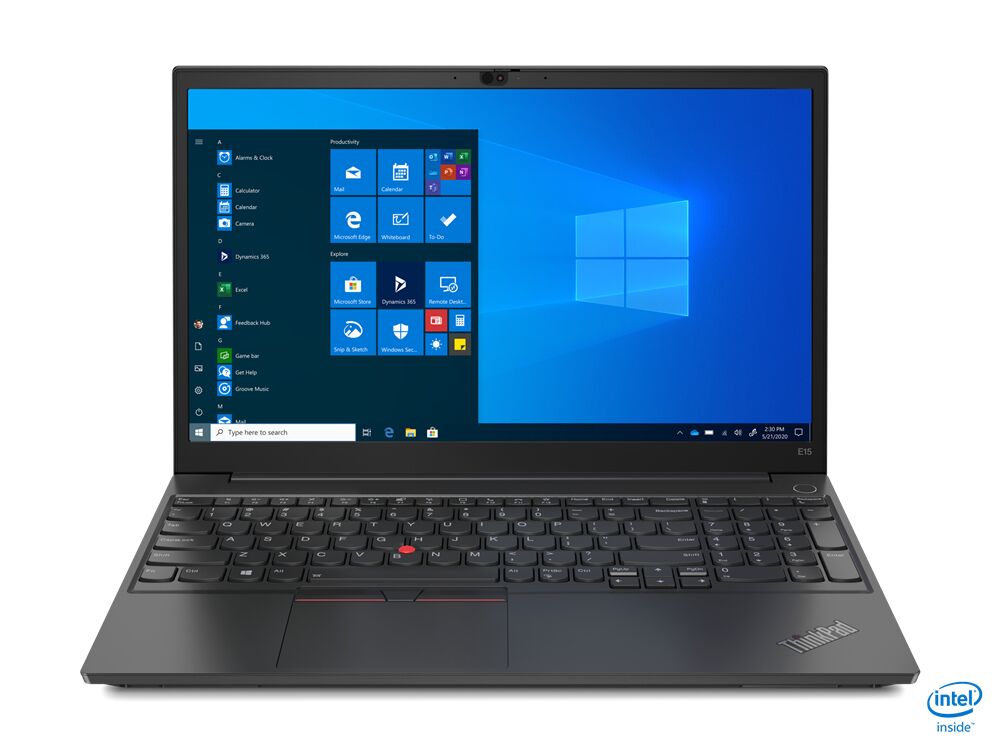
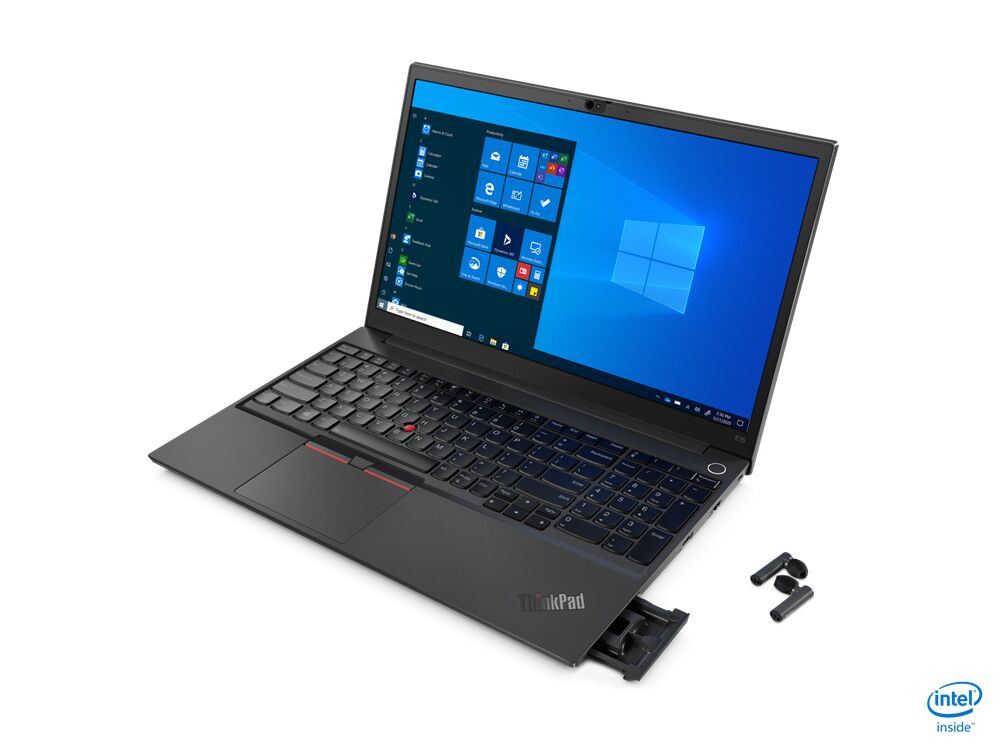
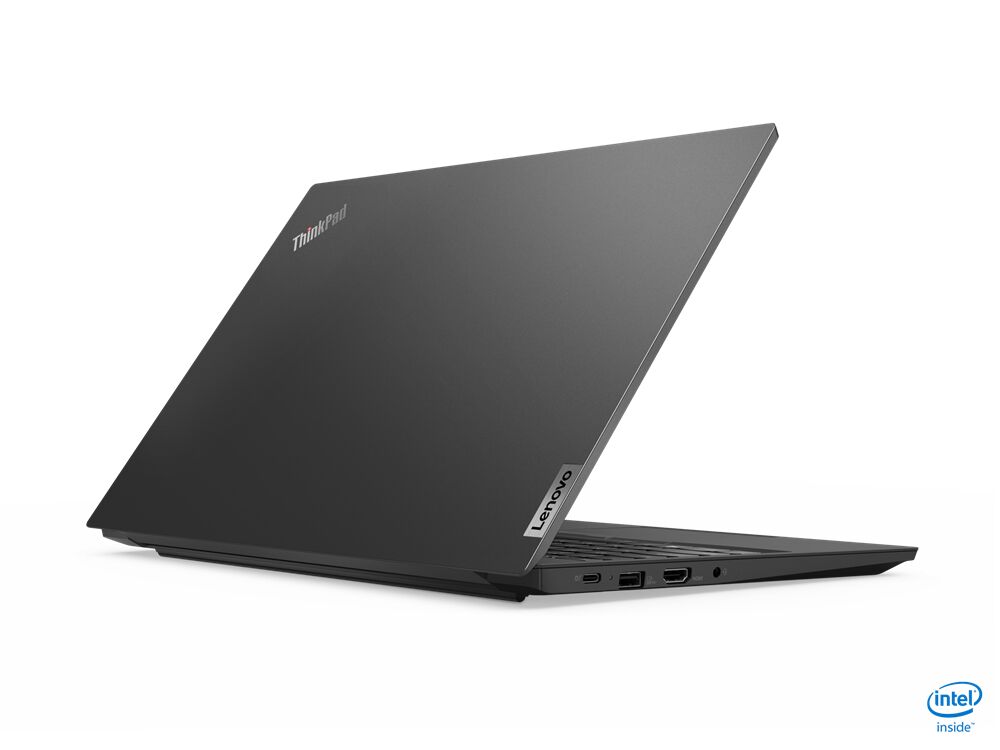
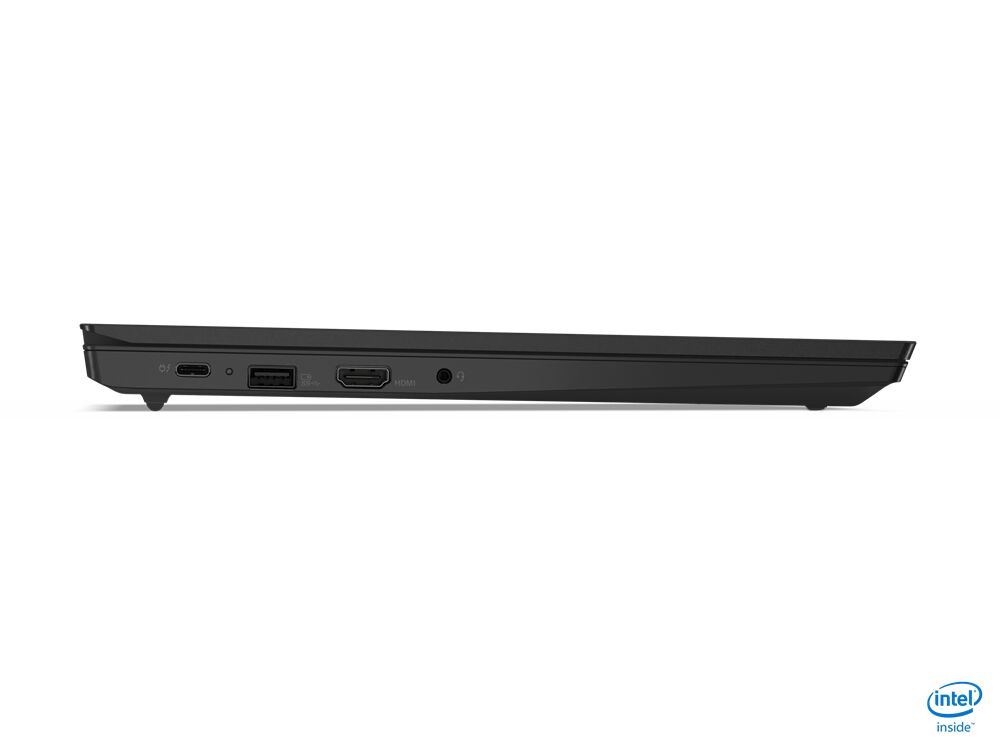
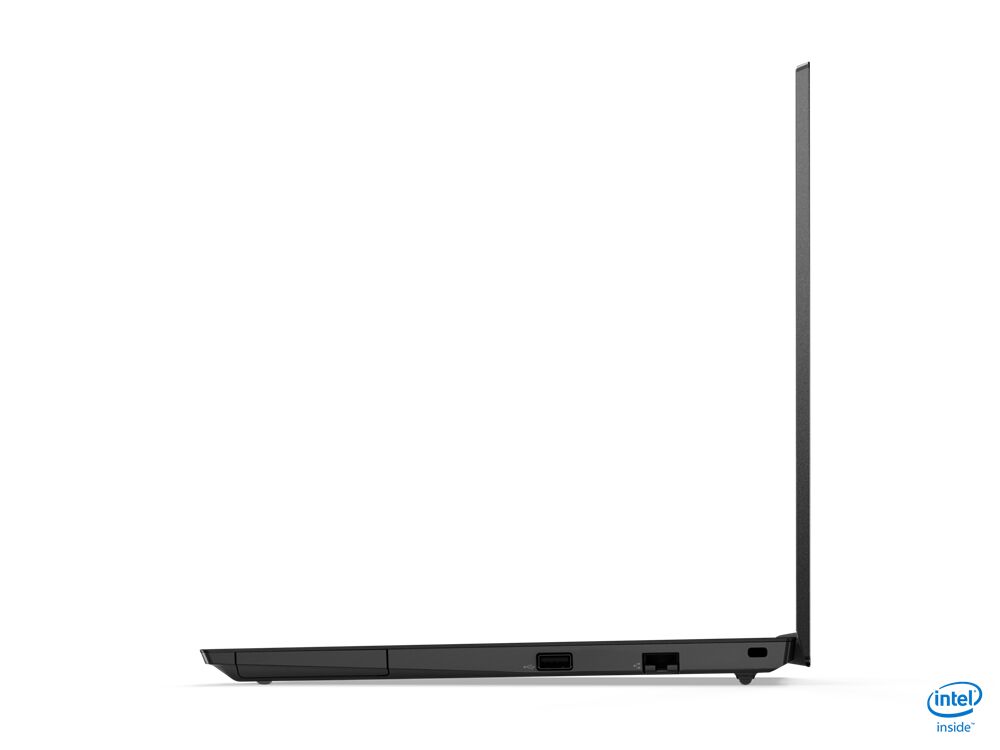
Lenovo ThinkPad E15 Gen 2 (Intel) features one SO-DIMM slot supporting DDR4-SDRAM memory upgrade. Maximum RAM capacity reaches 32 GB at 3200 MHz frequency. Compatible memory specifications allow single-slot expansion for enhanced system performance. Upgrade options provide RAM configuration flexibility within maximum capacity constraints for this laptop model.
Memory Upgrade Specifications
| Specification | Value |
|---|---|
| Memory slots | 1x SO-DIMM |
| Form factor | SO-DIMM |
| Memory type | DDR4-SDRAM |
| Frequency | 3200 MHz |
| Maximum RAM | 32 GB |
| Voltage | 1.2V |
| Number of pins | 260-pin |
| Interface | PC4 |
| PC Speed Rating | PC4-3200 (PC4-25600) |
| Bandwidth | 25.6 GB/s |
| Laptop Release date | 10 February 2022 |
Additional Notes
- The Lenovo ThinkPad E15 Gen 2 (Intel) contains only 1 accessible memory slot, meaning maximum capacity is reached through a single module rather than distributed across 2 slots. This constraint limits upgrade flexibility compared to dual-slot configurations.
- DDR4-3200 modules are commodity components with broad availability, but SO-DIMM form factor compatibility is non-negotiable. Standard desktop DDR4 modules cannot be physically installed regardless of specification matching.
- Upgrading to the 32 GB maximum requires complete replacement of the existing memory module rather than additive expansion. The original factory-installed module must be removed and repurposed or discarded, creating disposal considerations.
- DDR4-3200 frequency support indicates the memory controller can operate at this speed without overclocking. Mixed-frequency modules (e.g., pairing 3200 MHz with 2666 MHz) will throttle both to the slower speed, negating any speed advantage from premium modules.
- SO-DIMM slots on this generation are frequently soldered directly to the mainboard in budget-segment ThinkPads. Verification of slot accessibility is required before purchasing upgrade modules, as some units may have all memory permanently attached.
- DDR4 technology reaches end-of-life status in 2025 across most manufacturers. Component availability and pricing volatility may increase for future replacements, favoring earlier upgrade decisions.