LENOVO ThinkPad L14 Gen 1 (AMD) RAM upgrade specifications
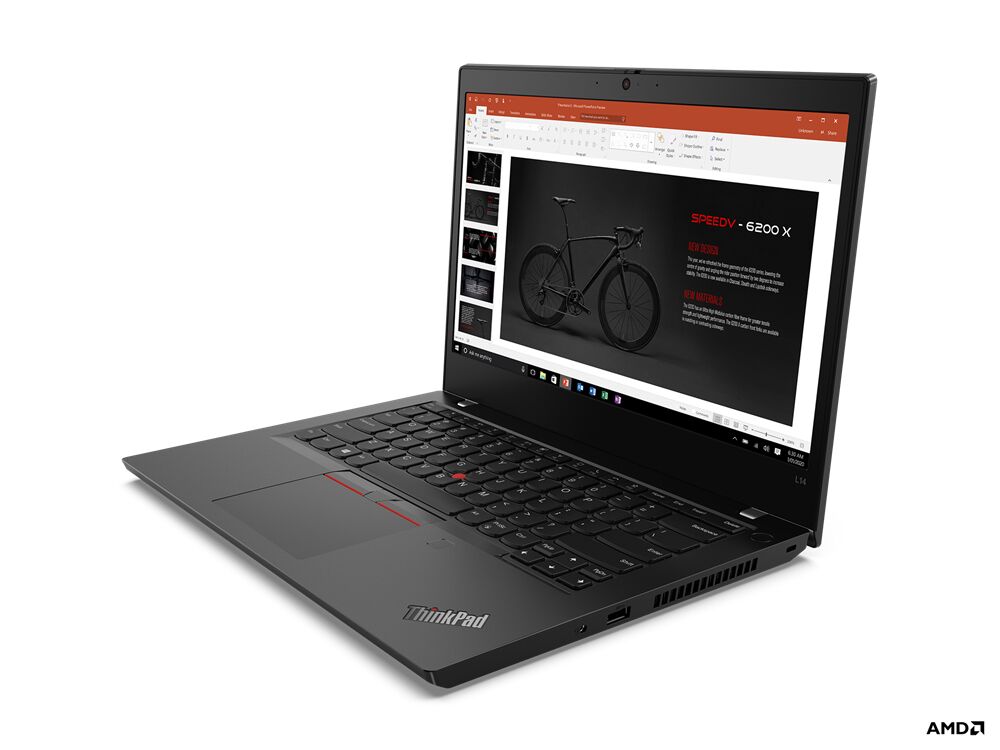
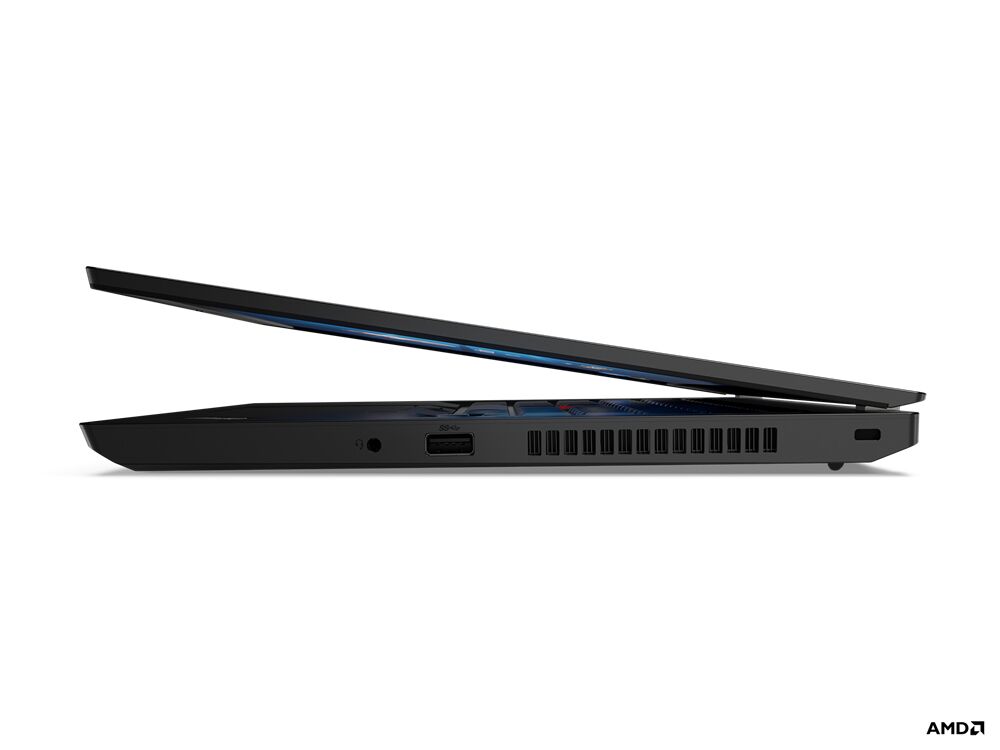
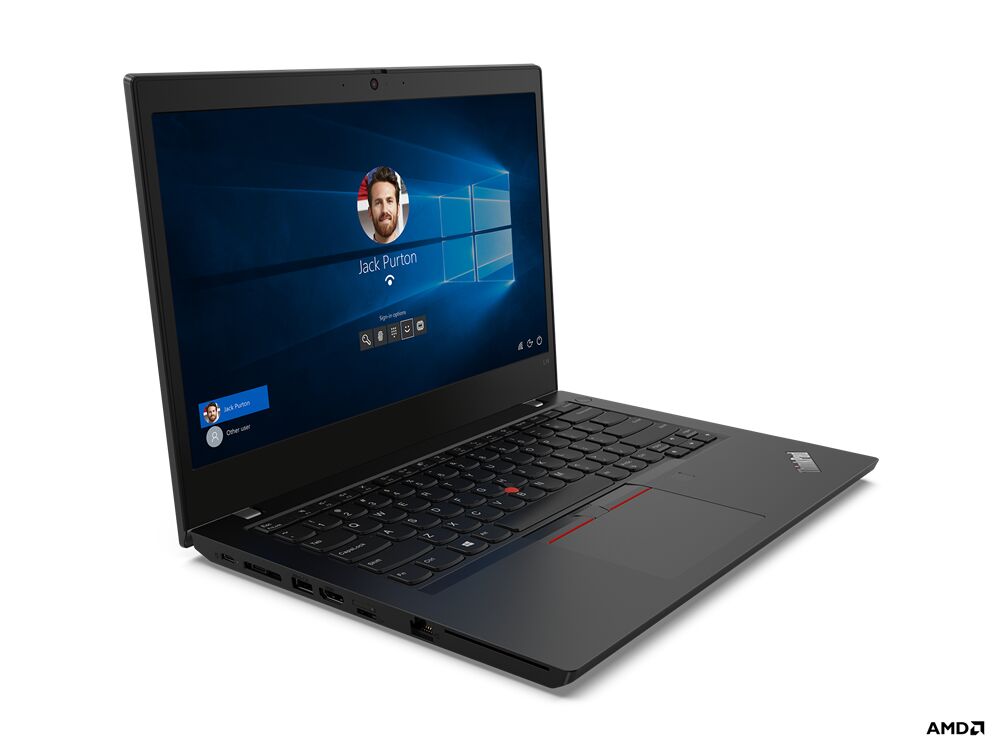
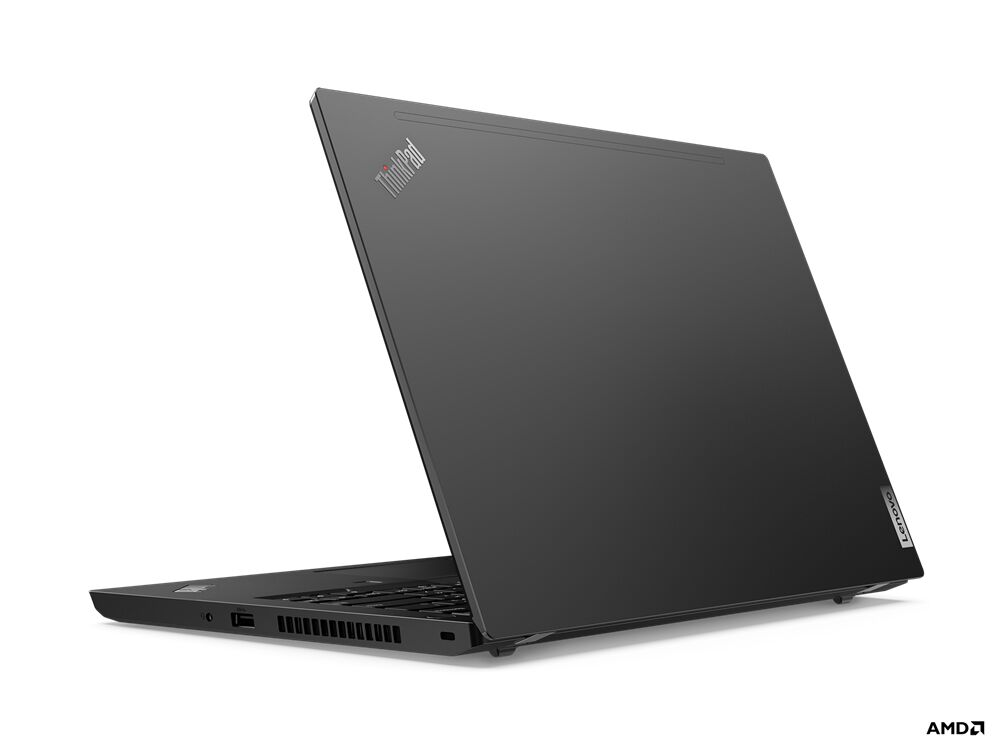
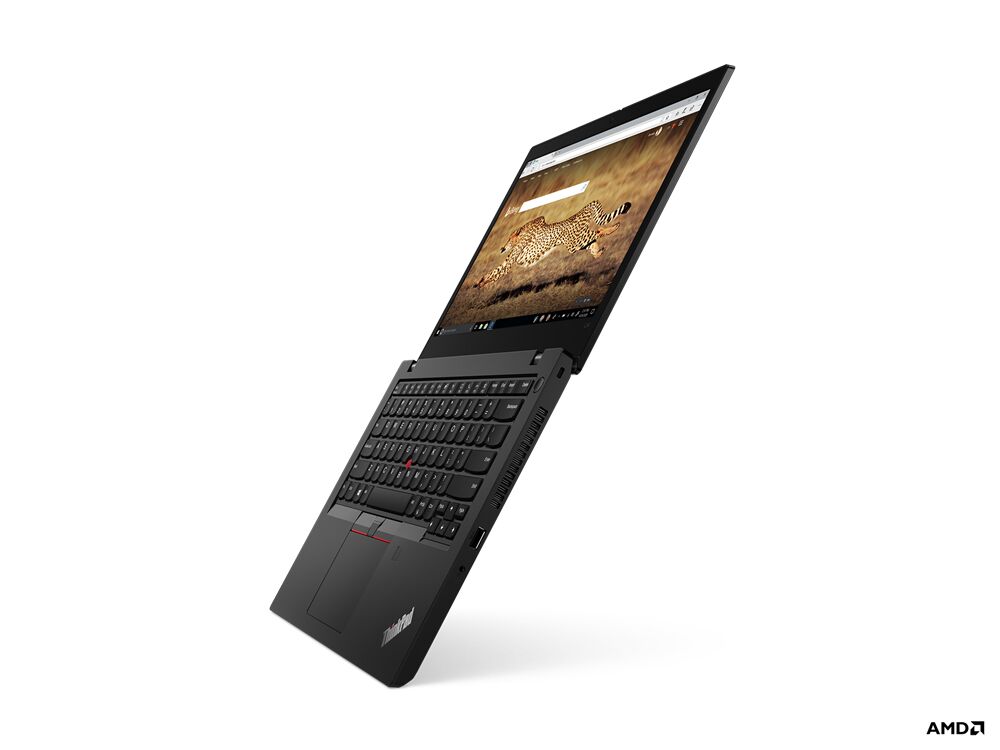
The Lenovo ThinkPad L14 Gen 1 (AMD) features DDR4-SDRAM memory with two SO-DIMM slots for RAM upgrade capability. The laptop supports maximum memory capacity of 64 GB, operating at 3200 MHz frequency. Compatible memory modules must utilize the SO-DIMM form factor specifications. RAM upgrade options enable expansion from factory-installed configurations to achieve the maximum 64 GB capacity across both available memory slots. The DDR4 memory specifications provide standard upgrade compatibility for this ThinkPad L series model.
Memory Upgrade Specifications
| Specification | Value |
|---|---|
| Memory slots | 2x SO-DIMM |
| Form factor | SO-DIMM |
| Memory type | DDR4-SDRAM |
| Frequency | 3200 MHz |
| Maximum RAM | 64 GB |
| Voltage | 1.2V |
| Number of pins | 260-pin |
| Interface | PC4 |
| PC Speed Rating | PC4-3200 (PC4-25600) |
| Bandwidth | 25.6 GB/s |
| Laptop Release date | 10 March 2022 |
Additional Notes
- The LENOVO ThinkPad L14 Gen 1 (AMD) supports DDR4-3200, but the Ryzen 4000 series mobile processors in this generation may downclock modules to 2666 MHz or 2933 MHz depending on the specific CPU variant installed.
- Dual-channel memory architecture requires matched pairs in both slots to achieve maximum bandwidth of 51.2 GB/s, while asymmetric configurations will force single-channel operation at half that throughput.
- The 64 GB maximum capacity necessitates 2x32 GB modules, which limits compatibility to dual-rank SO-DIMM configurations that may introduce slightly higher latency compared to single-rank alternatives.
- Mixing memory modules with different densities, ranks, or timing specifications will force all installed RAM to operate at the slowest common denominator, potentially degrading performance below rated specifications.
- SO-DIMM installation requires access through the bottom panel, where warranty seals may be present depending on regional support policies and original purchase agreements.
- Non-ECC unbuffered modules are required for compatibility, as the consumer-grade Ryzen mobile platform does not support error-correction or registered memory types.
- JEDEC-standard DDR4 voltage of 1.2V applies, meaning low-voltage or XMP/overclocked modules may not initialize properly or will revert to standard profiles.
- The integrated memory controller in AMD Ryzen mobile processors benefits more from faster DDR4 speeds for GPU performance than Intel equivalents due to shared bandwidth with Radeon Vega graphics.
- Upgrading from soldered memory configurations is impossible, as some L14 Gen 1 variants shipped with onboard RAM that cannot be removed or replaced through SO-DIMM slots.
- Temperature constraints in the compact chassis design may affect stability with high-density modules under sustained workloads, particularly when both slots are populated to maximum capacity.