LENOVO ThinkPad L14 Gen 2 (14" Intel) RAM upgrade specifications
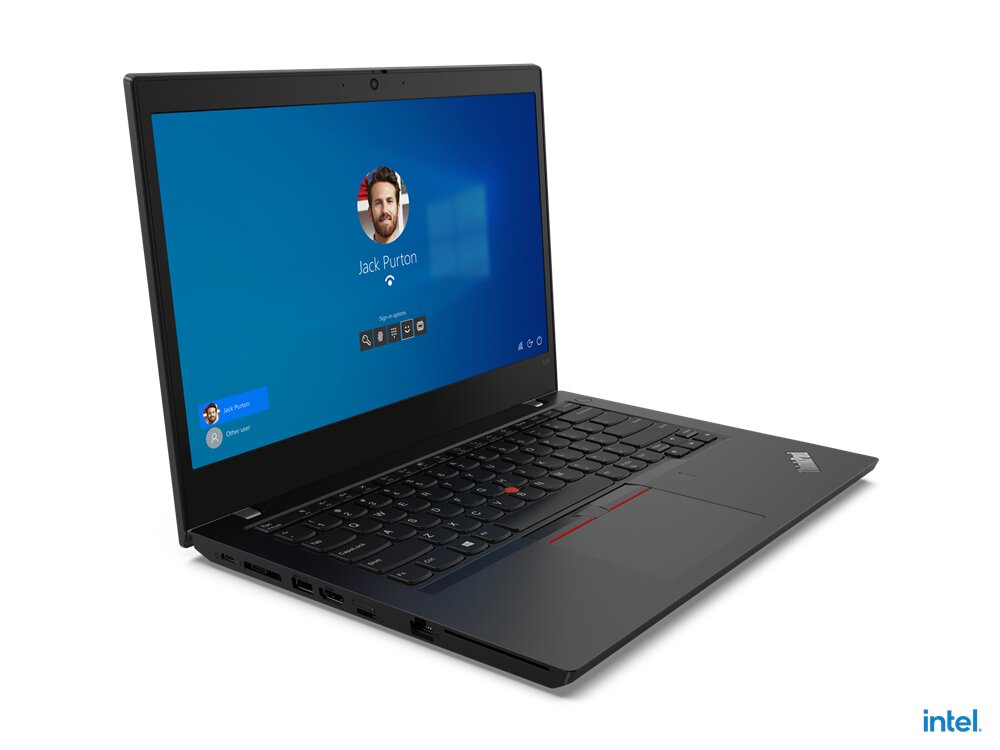
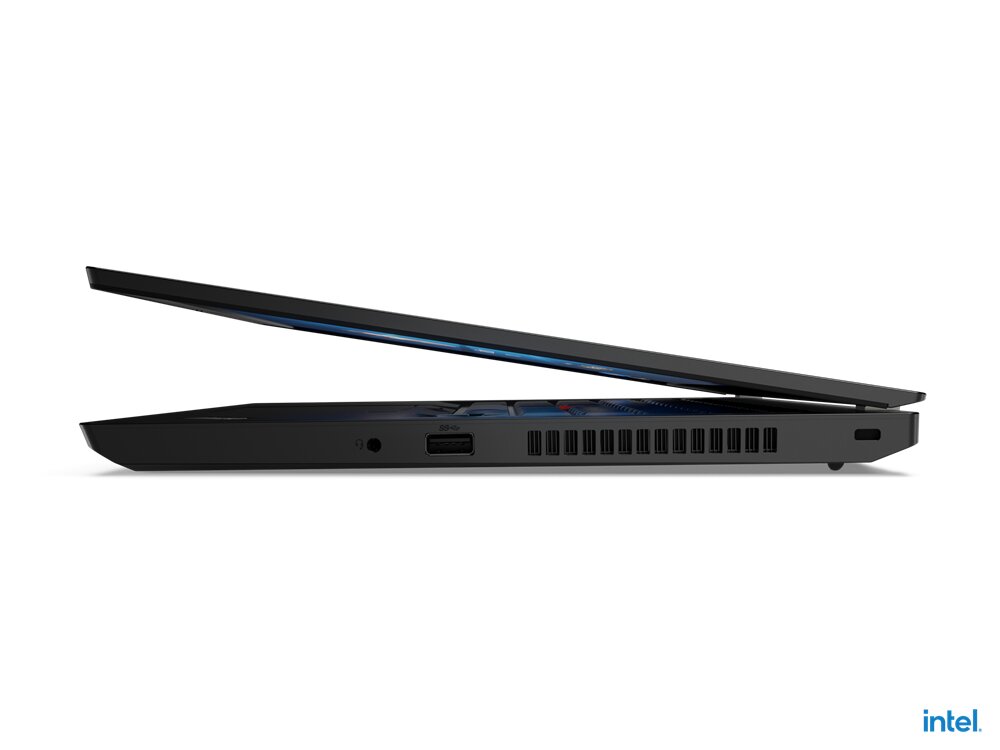
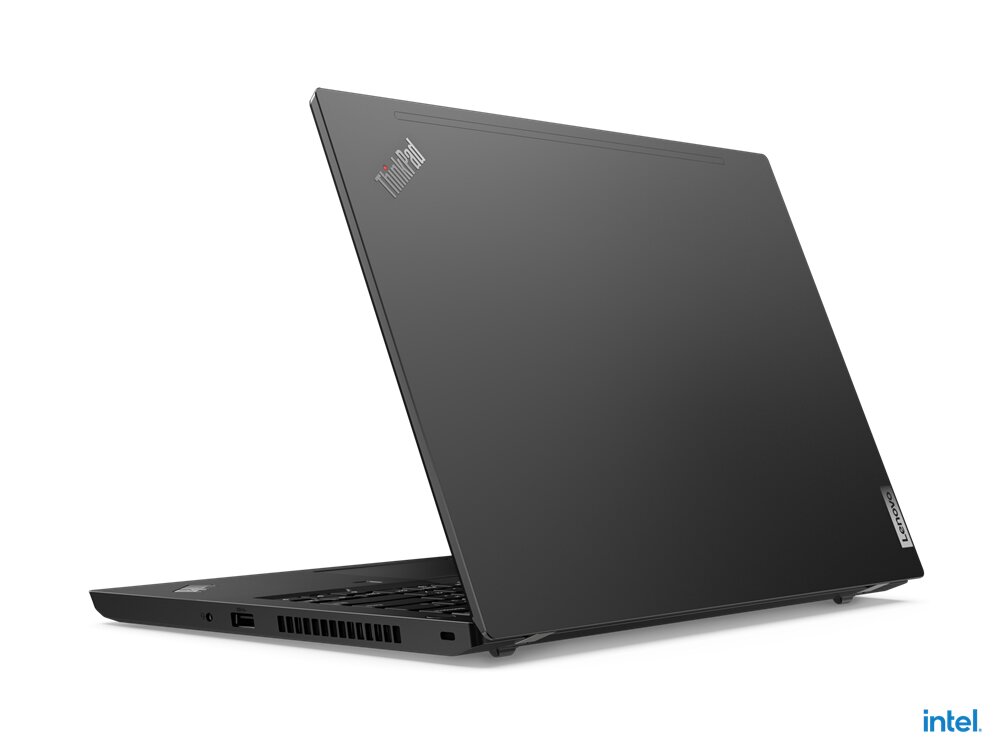
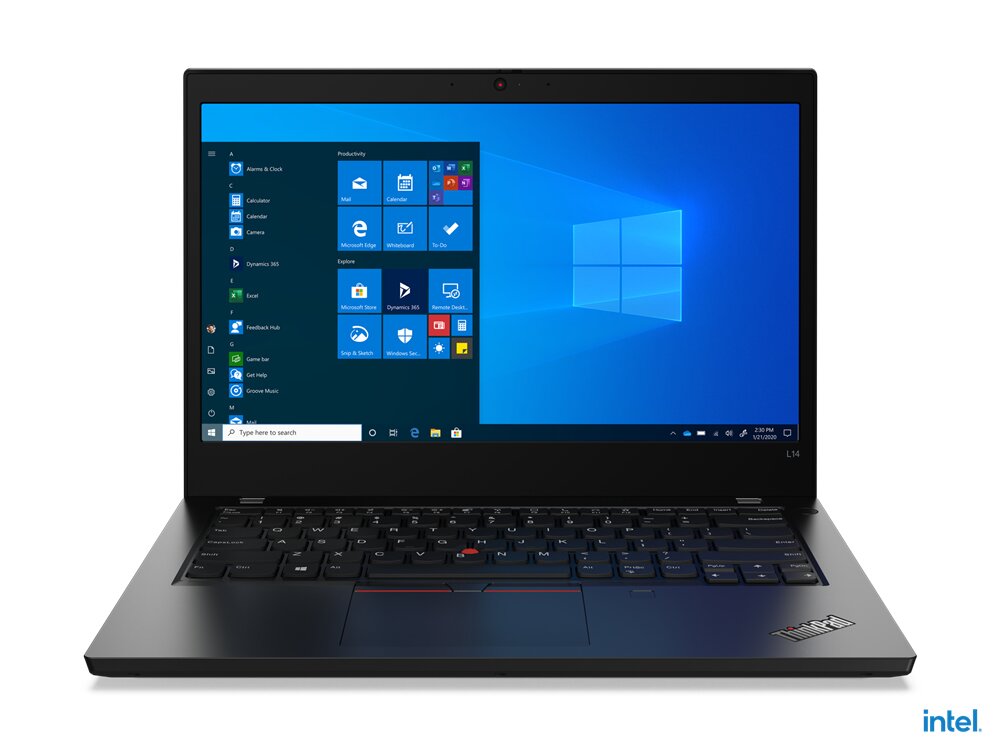
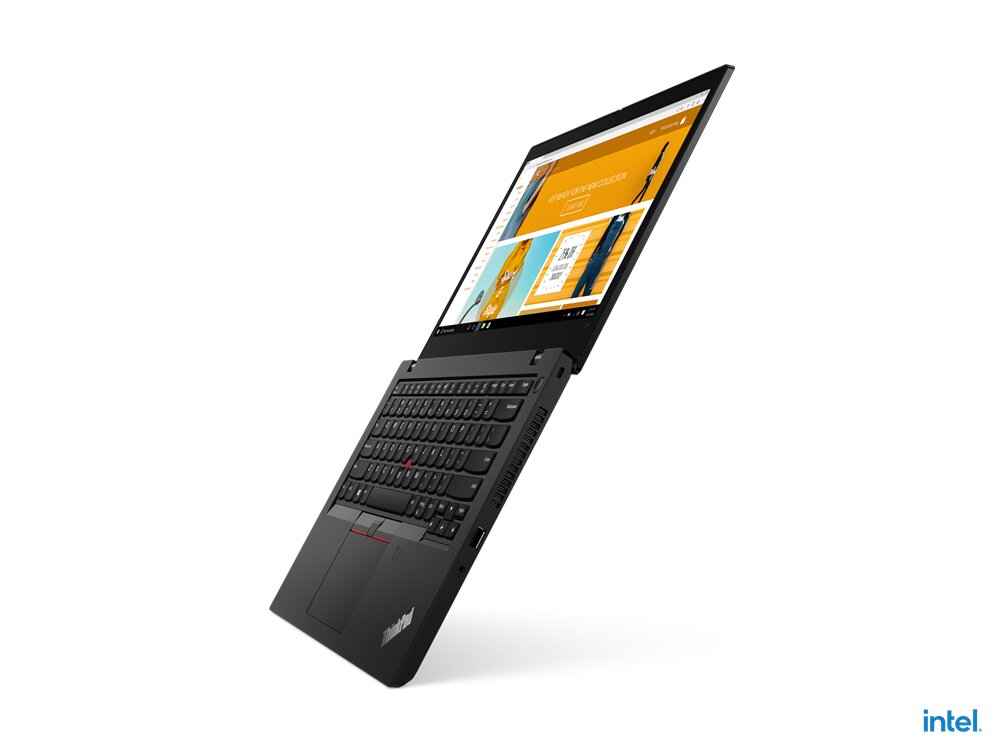
Lenovo ThinkPad L14 Gen 2 (14" Intel) supports DDR4-SDRAM memory upgrades through 2x SO-DIMM slots. Maximum RAM capacity reaches 64 GB with compatible modules operating at 3200 MHz frequency. Upgrade specifications allow for memory expansion from the factory configuration to the maximum supported capacity using standard SO-DIMM form factor memory modules. Compatible DDR4 upgrades enable enhanced multitasking performance and system responsiveness for the L series laptop.
Memory Upgrade Specifications
| Specification | Value |
|---|---|
| Memory slots | 2x SO-DIMM |
| Form factor | SO-DIMM |
| Memory type | DDR4-SDRAM |
| Frequency | 3200 MHz |
| Maximum RAM | 64 GB |
| Voltage | 1.2V |
| Number of pins | 260-pin |
| Interface | PC4 |
| PC Speed Rating | PC4-3200 (PC4-25600) |
| Bandwidth | 25.6 GB/s |
| Laptop Release date | 19 February 2022 |
Additional Notes
- The DDR4-3200 specification represents the maximum rated speed; actual operational frequency depends on the installed Intel 11th generation processor's memory controller capabilities.
- The ThinkPad L14 Gen 2 (14" Intel) dual-channel architecture requires matching capacity modules in both slots to maintain optimal bandwidth performance across the memory subsystem.
- Mixing modules with different densities or timings forces the memory controller to downclock all installed RAM to the lowest common specification, reducing system-wide memory throughput.
- The 64 GB maximum capacity ceiling indicates compatibility with 32 GB SO-DIMM modules, provided they conform to JEDEC DDR4 voltage standards of 1.2V.
- Installation requires complete chassis disassembly including bottom cover removal, as memory slots are not accessible through a dedicated service panel on this platform.
- Lenovo factory-sealed systems may include soldered memory on certain configurations, which limits total upgrade capacity to the remaining available SO-DIMM slot.
- Non-ECC unbuffered modules are required; registered or ECC variants will not initialize properly with the mobile platform chipset architecture.
- DDR4-3200 CL22 modules provide better compatibility margins with this generation's integrated memory controllers compared to lower-latency enthusiast-grade modules.
- Single-rank versus dual-rank module topology affects interleaving efficiency, with dual-rank configurations potentially offering marginal performance improvements in memory-intensive workloads.
- The SO-DIMM 260-pin physical standard prohibits use of desktop DIMM modules regardless of electrical compatibility.