LENOVO ThinkPad L14 Gen 2 (AMD) RAM upgrade specifications

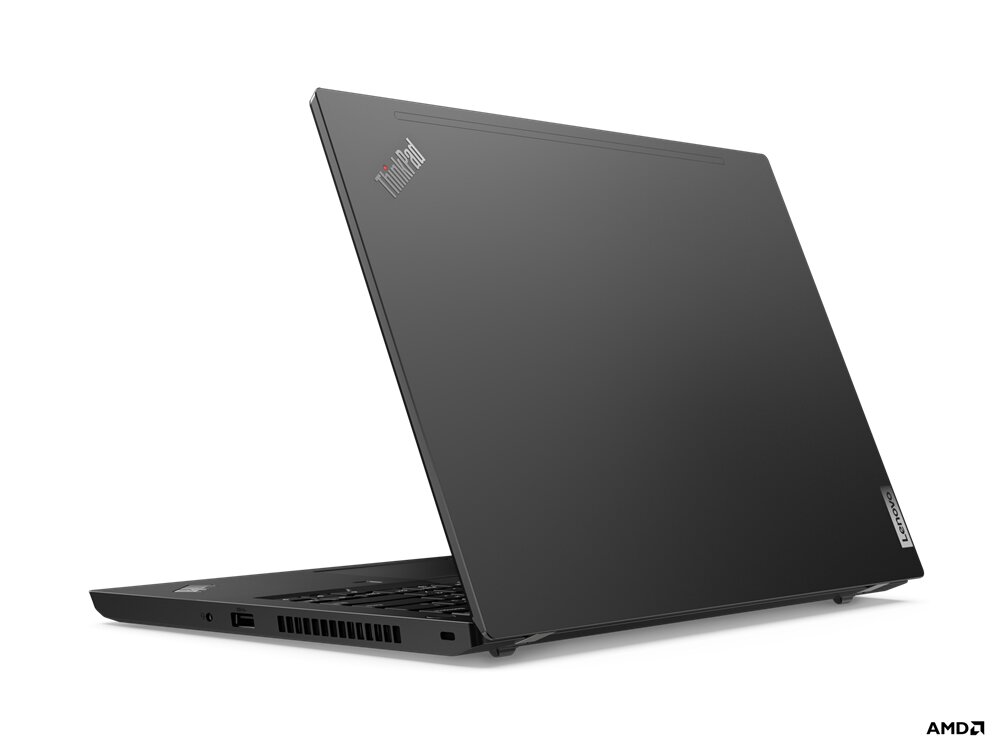
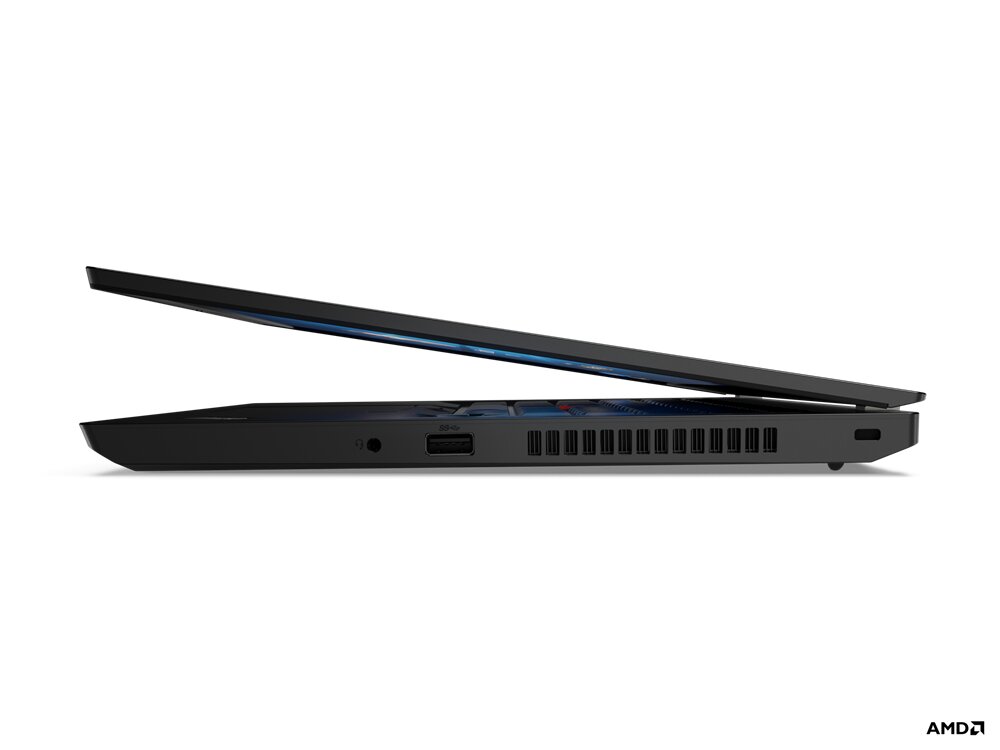


Lenovo ThinkPad L14 Gen 2 (AMD) RAM upgrade specifications detail DDR4-SDRAM memory configuration with 2x SO-DIMM slots supporting maximum capacity of 64 GB. Compatible memory operates at 3200 MHz frequency. Upgrade specifications indicate SO-DIMM form factor modules required for memory expansion. Maximum RAM capacity represents total supported memory across both available slots on L series AMD-based generation 2 model. DDR4-SDRAM specifications establish compatibility parameters for RAM module installation and system performance.
Memory Upgrade Specifications
| Specification | Value |
|---|---|
| Memory slots | 2x SO-DIMM |
| Form factor | SO-DIMM |
| Memory type | DDR4-SDRAM |
| Frequency | 3200 MHz |
| Maximum RAM | 64 GB |
| Voltage | 1.2V |
| Number of pins | 260-pin |
| Interface | PC4 |
| PC Speed Rating | PC4-3200 (PC4-25600) |
| Bandwidth | 25.6 GB/s |
Additional Notes
- Dual channel memory architecture is achievable only when both SO-DIMM slots are populated with matching modules, significantly increasing integrated graphics performance for the Lenovo ThinkPad L14 Gen 2 (AMD).
- The absence of soldered memory ensures that the entire system memory remains serviceable, preventing a single chip failure from requiring a full motherboard replacement.
- Installing modules with frequencies higher than 3200 MHz will result in an automatic downclocking to the processor bus limit, offering no performance benefit over standard modules.
- The 64 GB capacity limit necessitates the use of high density 32 GB unbuffered modules in each slot to reach the maximum supported ceiling.
- Thermal headroom within the chassis may decrease slightly during sustained workloads if high voltage performance kits are used instead of standard 1.2V modules.
- Upgrading memory requires the removal of the bottom base cover, which typically involves captive screws designed to stay attached to the panel to prevent loss during maintenance.
- Physical clearance within the SO-DIMM bays restricts compatibility to standard height modules, making oversized heatsinks or spreaders physically incompatible with the casing.