LENOVO ThinkPad T14 Gen 3 RAM upgrade specifications
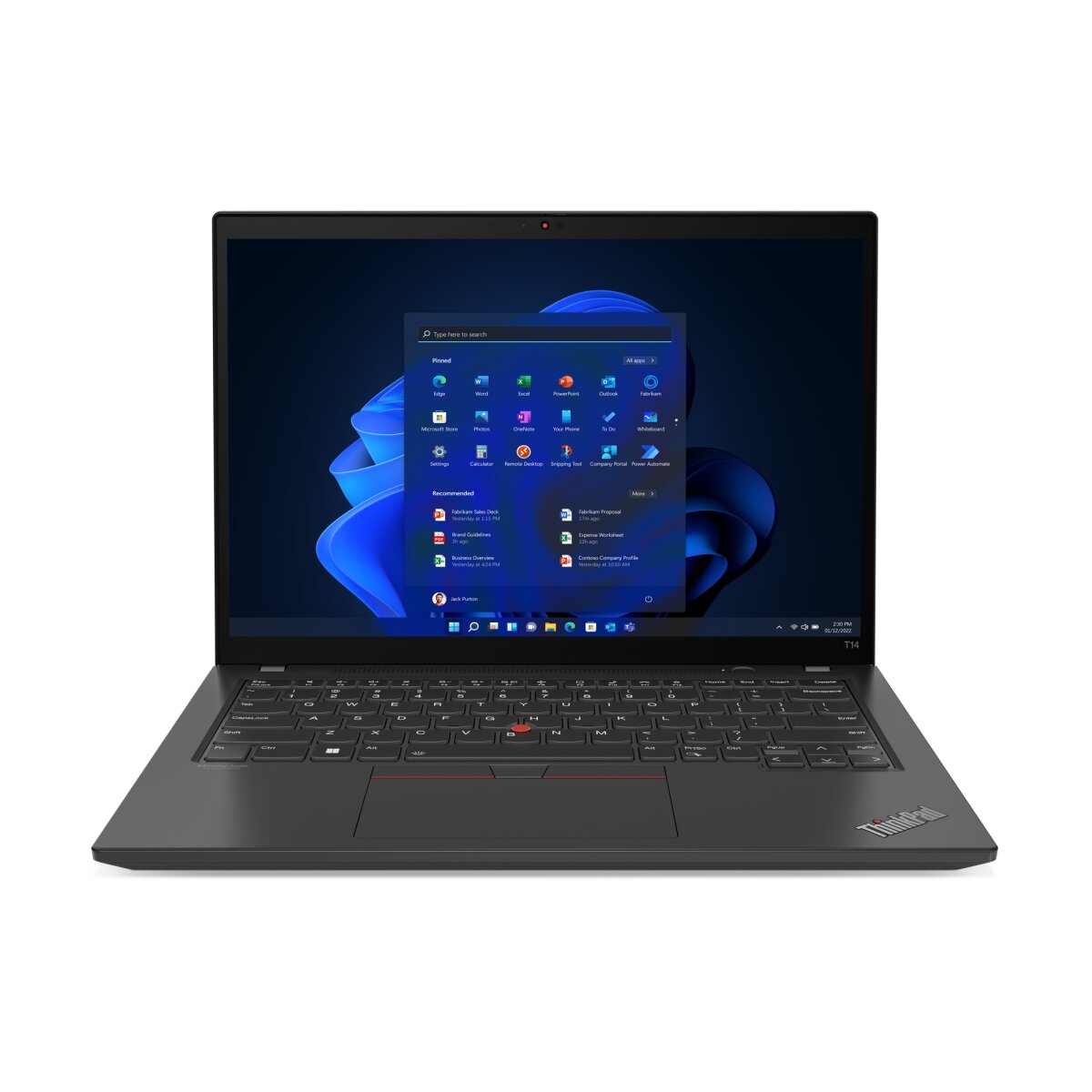
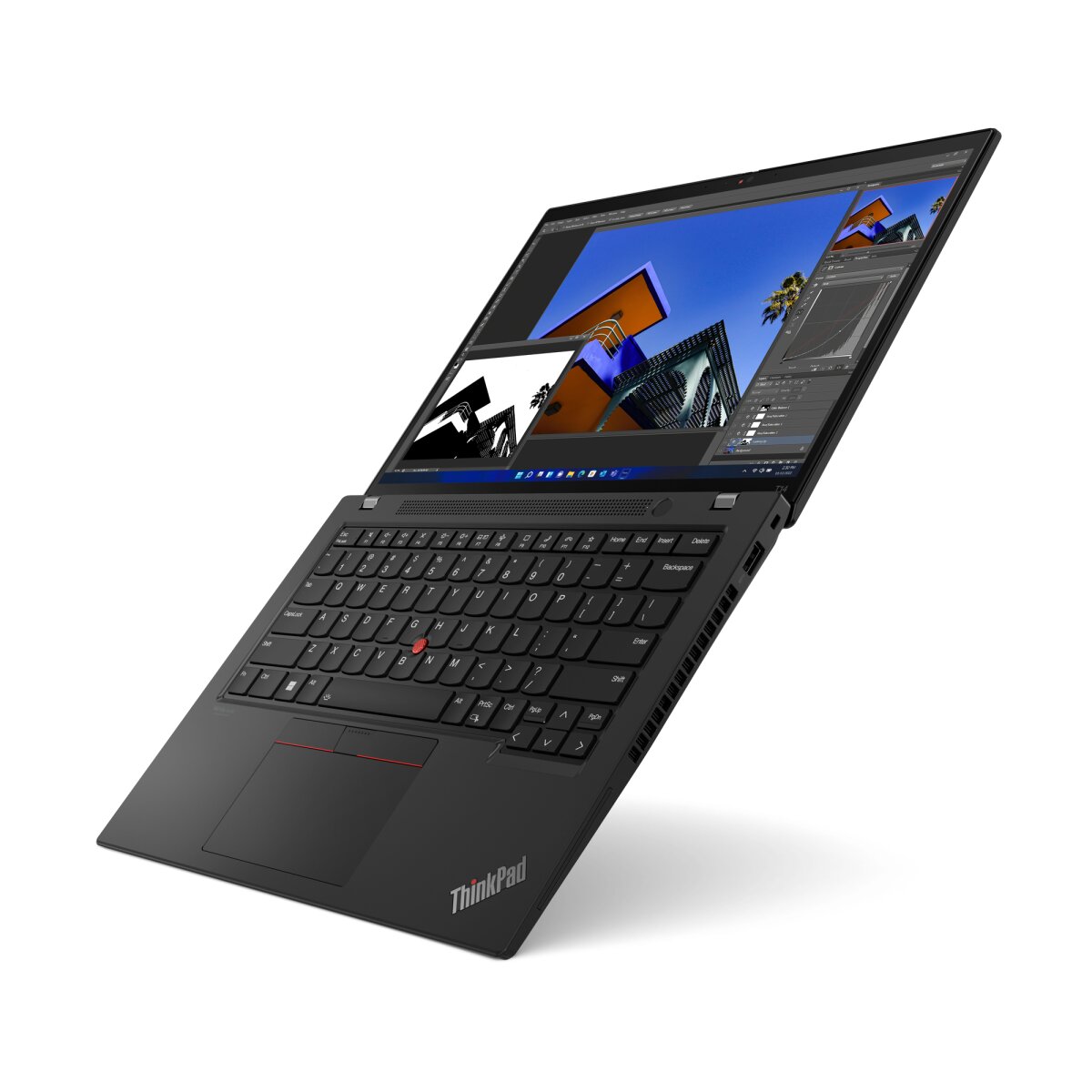
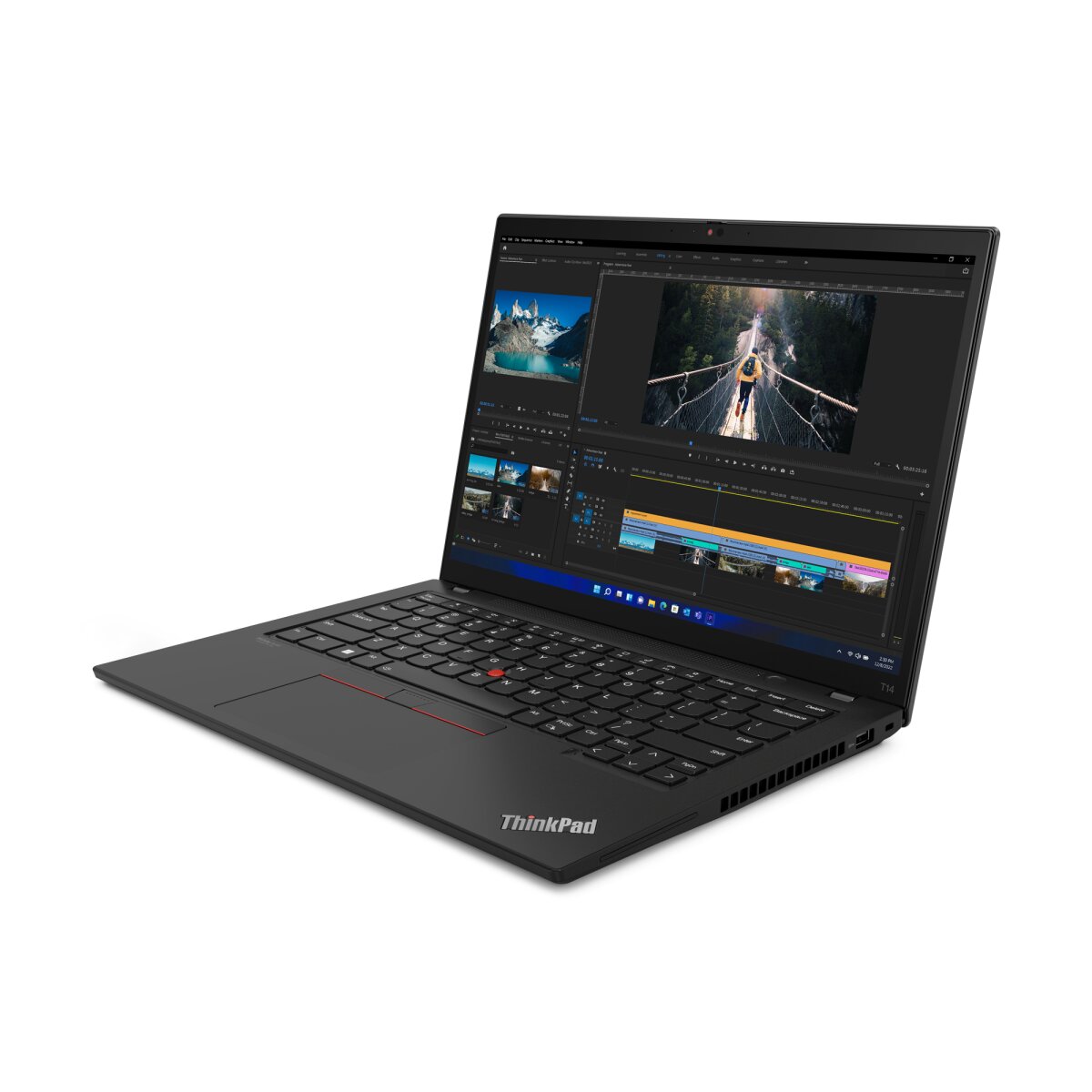
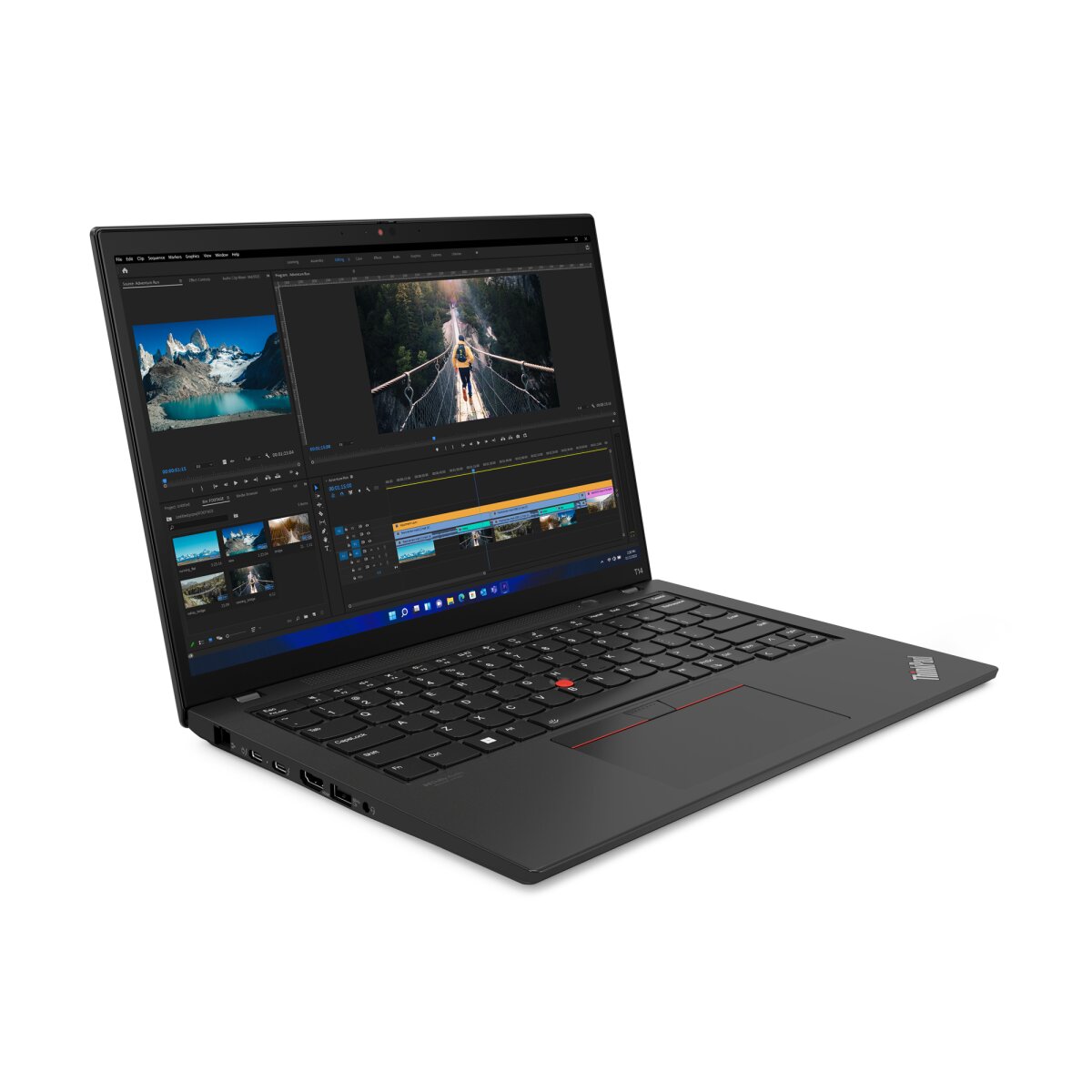
Lenovo ThinkPad T14 Gen 3 RAM upgrade specifications detail DDR4-SDRAM memory compatibility with one SO-DIMM slot available for expansion. The laptop features on-board memory combined with a single SO-DIMM slot configuration. Maximum RAM capacity reaches 40 GB total when fully upgraded. Memory operates at 3200 MHz frequency. Specifications define compatible upgrade options for this ThinkPad T series model.
Memory Upgrade Specifications
| Specification | Value |
|---|---|
| Memory slots | 1x SO-DIMM |
| Form factor | On-board + SO-DIMM |
| Memory type | DDR4-SDRAM |
| Frequency | 3200 MHz |
| Maximum RAM | 40 GB |
| Voltage | 1.2V |
| Number of pins | 260-pin |
| Interface | PC4 |
| PC Speed Rating | PC4-3200 (PC4-25600) |
| Bandwidth | 25.6 GB/s |
Additional Notes
- The LENOVO ThinkPad T14 Gen 3 features soldered memory combined with a single expansion slot, creating an asymmetric dual-channel configuration that requires careful capacity planning.
- The 40 GB maximum capacity indicates 8 GB of non-removable soldered memory, allowing a single 32 GB SO-DIMM module to reach the stated limit.
- Dual-channel operation requires matching the soldered memory capacity with an identical SO-DIMM module, meaning only 16 GB would run in dual-channel mode if paired with an 8 GB module.
- Installing a 32 GB module creates a mixed-channel scenario where 16 GB operates in dual-channel mode and the remaining 24 GB defaults to single-channel operation with reduced bandwidth.
- The 3200 MHz specification assumes JEDEC DDR4-3200 compliance, which translates to actual timings of CL22-22-22 at 1.2V for standard modules.
- Non-standard voltage modules rated at 1.35V or XMP-profiled memory will typically throttle down to JEDEC specifications due to Intel mobile platform restrictions.
- The single-slot limitation prevents future memory expansion beyond one upgrade cycle, eliminating the ability to install two aftermarket modules.
- Warranty preservation requires avoiding electrostatic discharge during installation and ensuring the SO-DIMM module seats completely with both retention clips engaged.
- Modules rated above 3200 MHz offer no performance benefit as the memory controller enforces the 3200 MHz ceiling regardless of module capabilities.
- The on-board memory component remains fixed throughout the system lifespan, making the initial configuration choice permanent for that portion of total capacity.