LENOVO ThinkPad T14 Gen 3 (Intel) RAM upgrade specifications

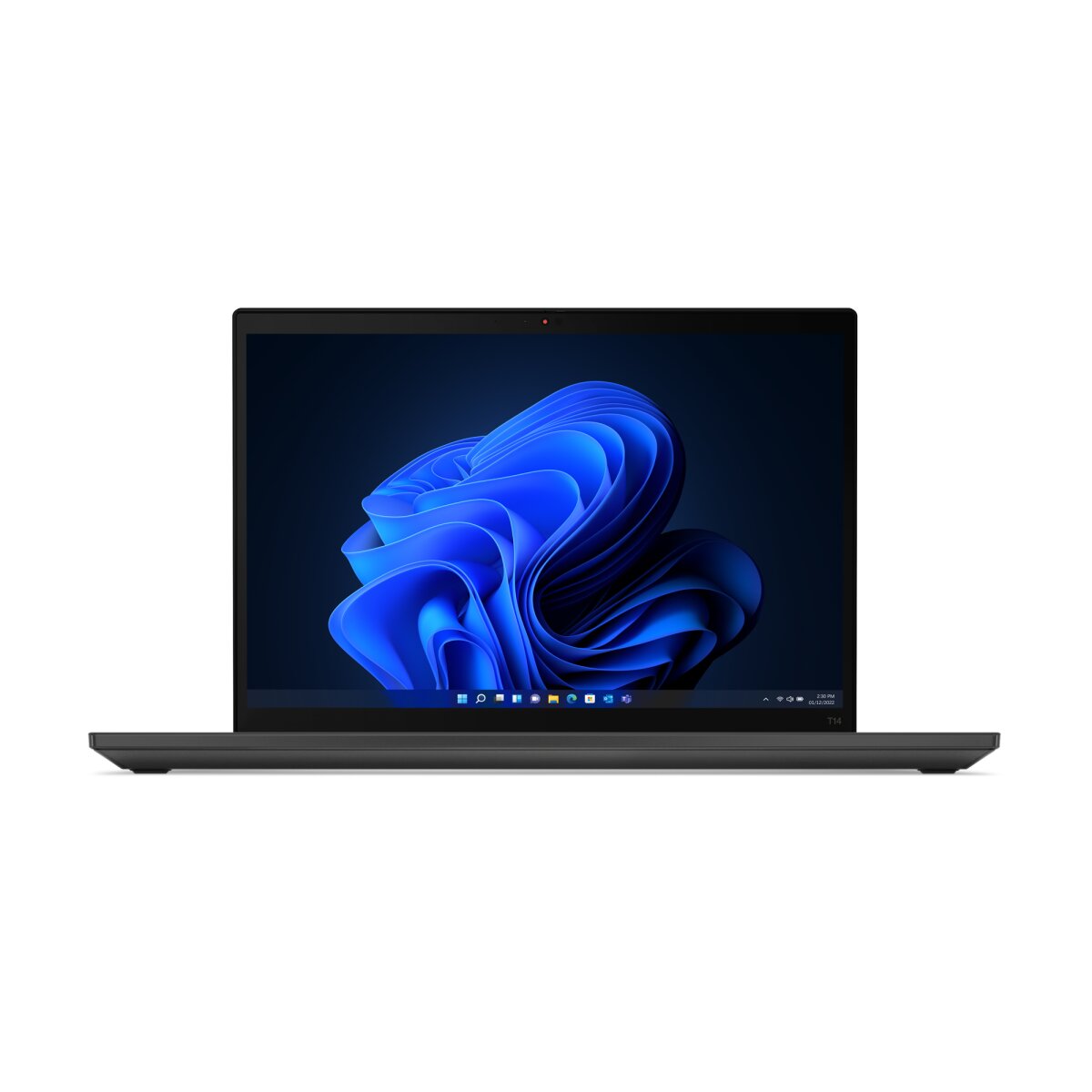



Lenovo ThinkPad T14 Gen 3 (Intel) RAM upgrade specifications include DDR4-SDRAM memory compatible with the laptop's configuration. The system contains one SO-DIMM slot available for upgrade, with 8GB soldered on-board memory. Maximum supported memory capacity reaches 48GB total when utilizing the available expansion slot. Specifications indicate DDR4-3200 MHz frequency compatibility for memory modules. The upgrade slot accommodates standard SO-DIMM form factor memory upgrades for enhanced system performance and multitasking capabilities on the T14 Gen 3 Intel platform.
Memory Upgrade Specifications
| Specification | Value |
|---|---|
| Memory slots | 1x SO-DIMM |
| Form factor | On-board + SO-DIMM |
| Memory type | DDR4-SDRAM |
| Frequency | 3200 MHz |
| Maximum RAM | 48 GB |
| Voltage | 1.2V |
| Number of pins | 260-pin |
| Interface | PC4 |
| PC Speed Rating | PC4-3200 (PC4-25600) |
| Bandwidth | 25.6 GB/s |
Additional Notes
- The hybrid memory architecture of the LENOVO ThinkPad T14 Gen 3 (Intel) results in permanent capacity limitations because the soldered module cannot be replaced or upgraded.
- Dual channel performance benefits only apply to the portion of memory where the SO-DIMM capacity matches the soldered on-board capacity.
- Installing a 32 GB module into the single available expansion slot is the only way to reach the maximum supported ceiling of 48 GB.
- The system bottleneck is restricted to 3200 MHz effective speeds regardless of whether higher frequency modules are installed in the spare slot.
- Memory latency remains fixed at DDR4 standards which prevents any transition to DDR5 bandwidth advantages found in later generations of this motherboard design.
- Total system failure occurs if the soldered memory chips develop faults since the primary logic board lacks a secondary bypass slot for the base memory bank.
- Thermal constraints within the chassis suggest that high density modules may experience minor throttling during sustained memory intensive workflows due to proximity to the primary processor.