LENOVO ThinkPad T15p Gen 2 RAM upgrade specifications

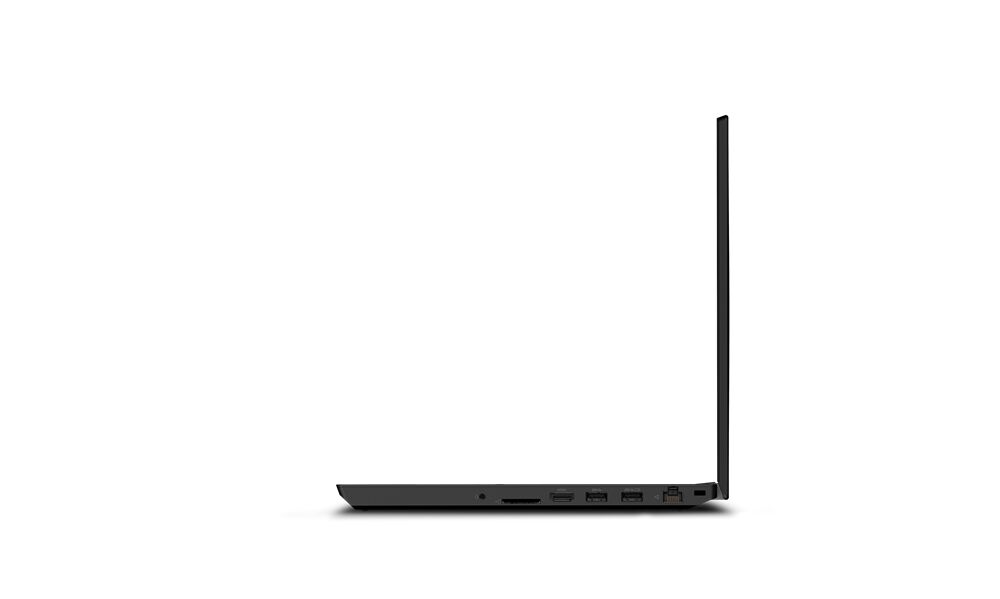
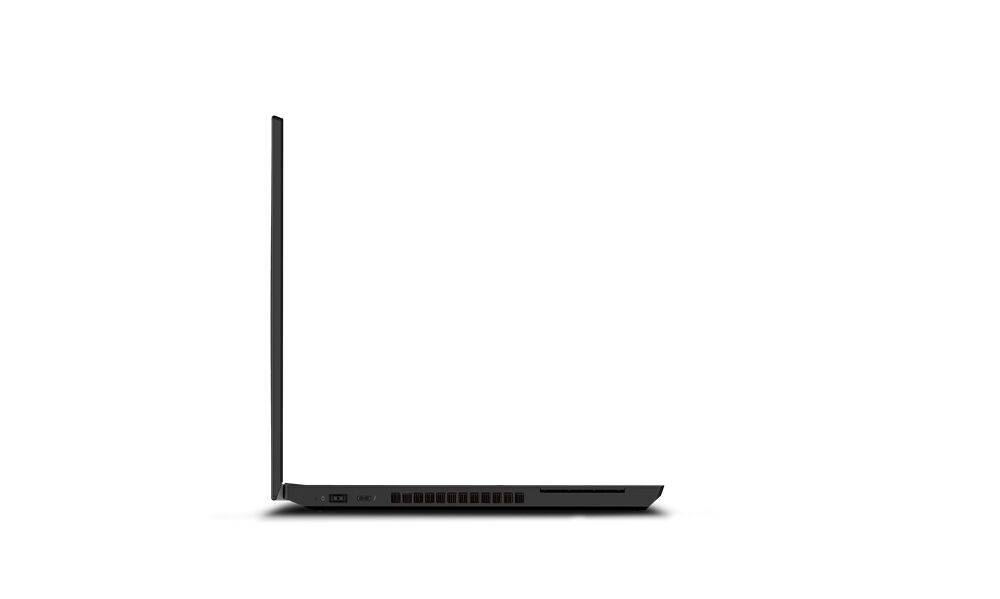
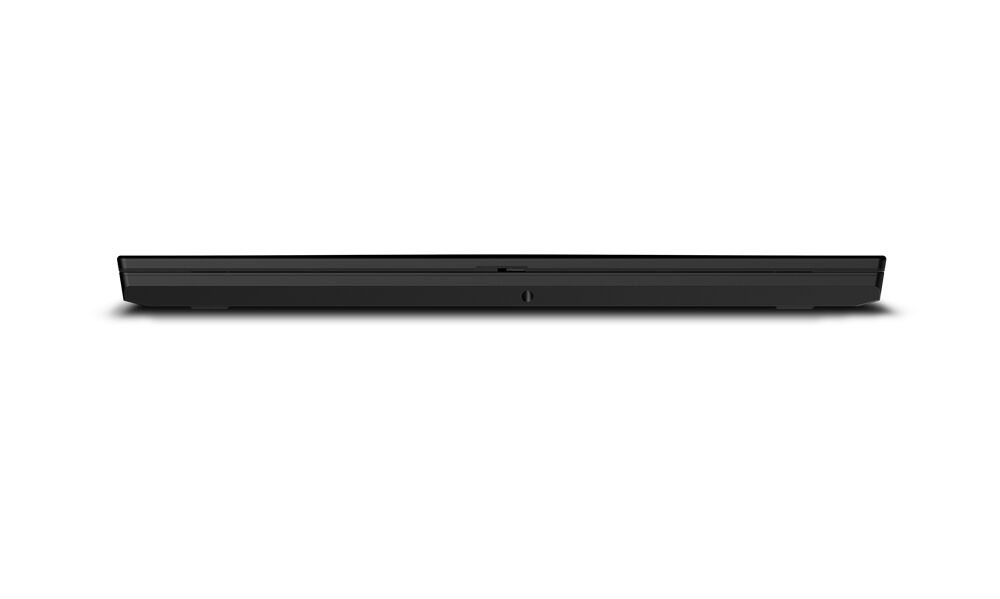
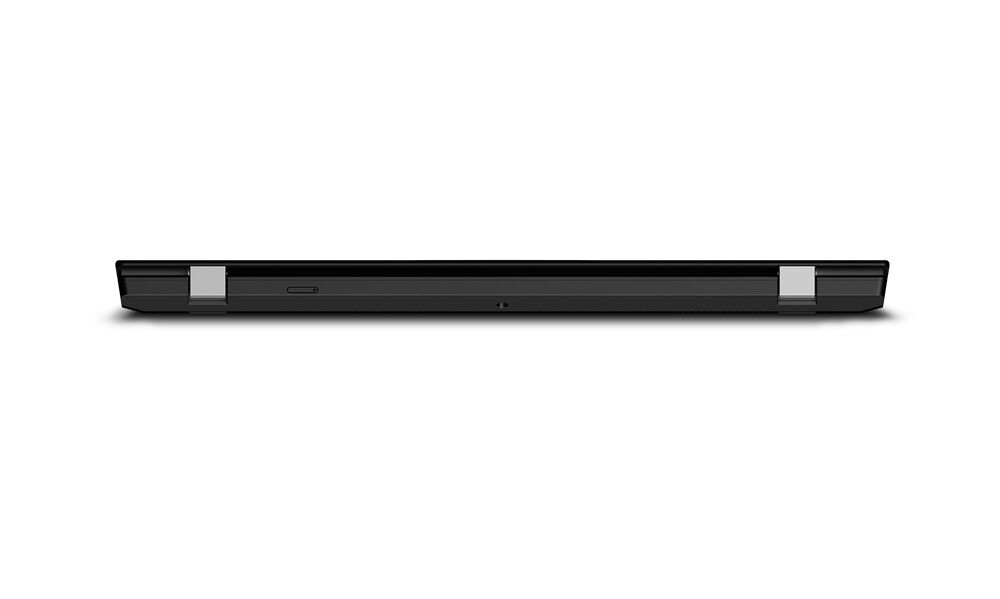
Lenovo ThinkPad T15p Gen 2 supports DDR4-SDRAM memory upgrades through 2x SO-DIMM slots. The compatible RAM specifications include 3200 MHz frequency modules with a maximum capacity of 64 GB total. Upgrade configurations allow installation of matched or mixed-capacity memory modules in the available slots to enhance system performance and multitasking capabilities. The SO-DIMM form factor ensures compatibility with standard laptop memory specifications for the T series platform.
Memory Upgrade Specifications
| Specification | Value |
|---|---|
| Memory slots | 2x SO-DIMM |
| Form factor | SO-DIMM |
| Memory type | DDR4-SDRAM |
| Frequency | 3200 MHz |
| Maximum RAM | 64 GB |
| Voltage | 1.2V |
| Number of pins | 260-pin |
| Interface | PC4 |
| PC Speed Rating | PC4-3200 (PC4-25600) |
| Bandwidth | 25.6 GB/s |
| Laptop Release date | 04 February 2022 |
Additional Notes
- The Lenovo ThinkPad T15p Gen 2 supports DDR4-SDRAM at 3200 MHz, which operates at a latency penalty compared to desktop DDR4 standards due to mobile form factor constraints and signal integrity requirements in compact layouts.
- Dual SO-DIMM architecture creates a single-channel-to-dual-channel transition point at 32 GB; configurations below this threshold operate at reduced memory bandwidth, impacting multithreaded workload performance in content creation and data analysis tasks.
- The 64 GB capacity ceiling aligns with DDR4 SO-DIMM density limitations; upgrading beyond 32 GB requires 32 GB modules per slot, which carry higher failure rates in mobile environments due to thermal cycling stress on denser chip architectures.
- SO-DIMM slot access typically requires palmrest removal and potential battery disconnection; aftermarket thermal interface material may not be reapplied to specification during reinstallation, affecting sustained thermal performance under heavy CPU loads.
- Memory speed negotiation defaults to the slowest module installed; mixing 3200 MHz modules with older 2933 MHz or 2666 MHz sticks downgrades entire system memory performance to the lower frequency, creating hidden performance regression if upgrade modules differ from original equipment specifications.
- DDR4 SO-DIMM availability is declining as DDR5 mobile platforms proliferate; sourcing matched pairs becomes progressively difficult after 2025, and pricing for end-of-life DDR4 modules may increase relative to system value.