LENOVO ThinkPad T15p Gen 3 RAM upgrade specifications
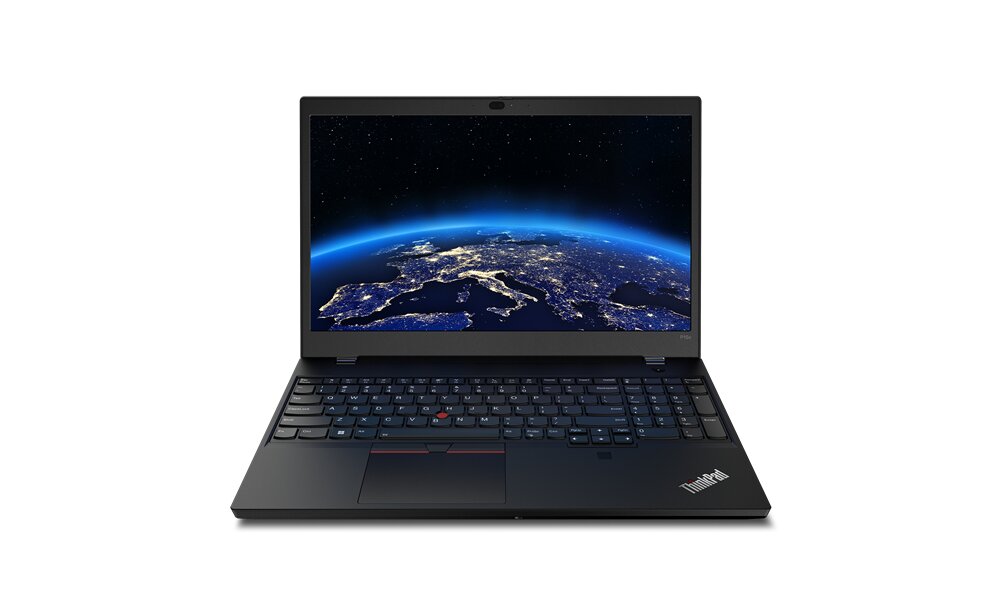
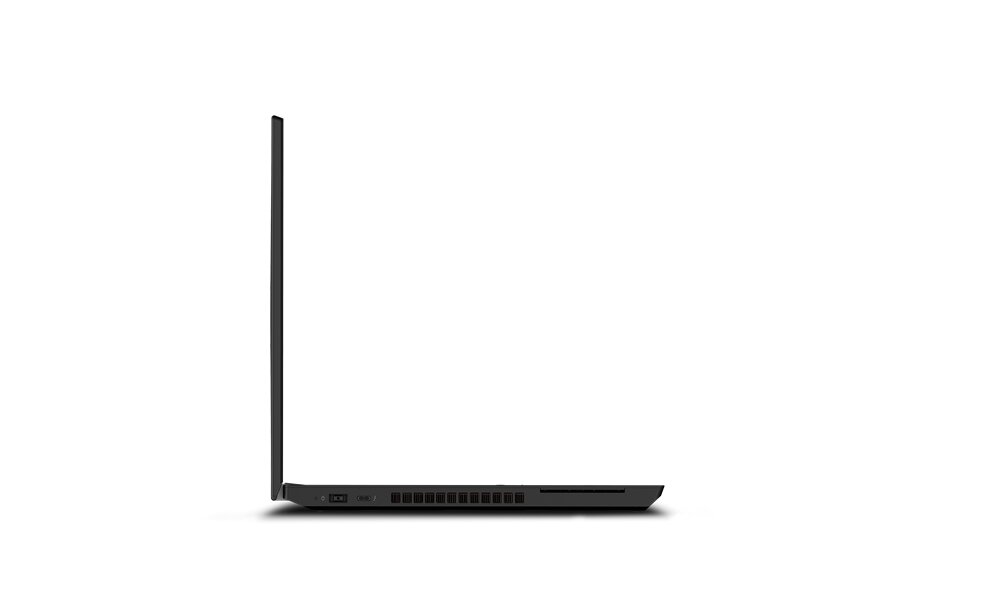
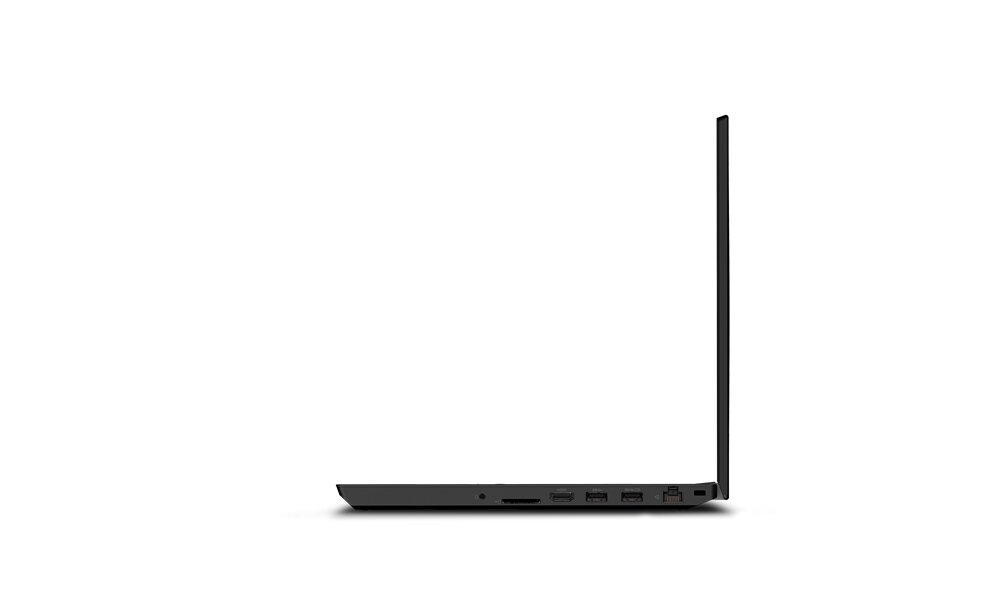
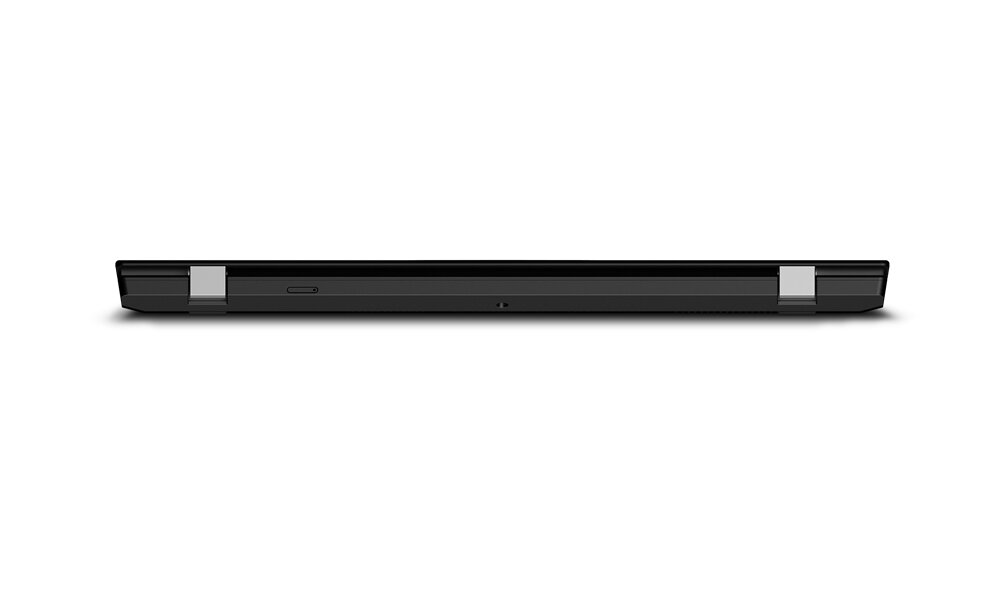
The LENOVO ThinkPad T15p Gen 3 supports DDR5-SDRAM memory upgrades with two SO-DIMM slots. The maximum RAM capacity compatible with this model reaches 64 GB. Memory specifications include DDR5 operating at 4800 MHz frequency. Upgrade options allow configurations ranging from dual-channel memory installations to maximum capacity specifications for enhanced multitasking performance.
Memory Upgrade Specifications
| Specification | Value |
|---|---|
| Memory slots | 2x SO-DIMM |
| Form factor | SO-DIMM |
| Memory type | DDR5-SDRAM |
| Frequency | 4800 MHz |
| Maximum RAM | 64 GB |
| Voltage | 1.1V |
| Number of pins | 262-pin |
| Interface | PC5 |
| PC Speed Rating | PC5-4800 (PC5-38400) |
| Bandwidth | 38.4 GB/s |
Additional Notes
- The LENOVO ThinkPad T15p Gen 3 accepts standard 262-pin SO-DIMM modules, which differ physically from desktop DIMMs and require appropriate socket compatibility during purchase.
- DDR5 modules are not backward compatible with DDR4 slots, and DDR4 modules will not fit into this system's DDR5-specific sockets due to different notch positions and electrical requirements.
- Achieving the 64 GB maximum capacity requires two 32 GB modules installed simultaneously, as single-module configurations cap at 32 GB total system memory.
- The 4800 MHz native frequency represents the JEDEC standard speed for DDR5, meaning modules rated at higher speeds will downclock to 4800 MHz unless BIOS support exists for XMP or EXPO profiles, which is uncommon in business laptops.
- Both SO-DIMM slots must be populated with matched pairs of identical capacity and speed to enable dual-channel mode, which doubles memory bandwidth from approximately 38 GB/s to 76 GB/s per channel.
- Installing mismatched module capacities forces the memory controller into flex mode or asymmetric dual-channel operation, potentially reducing effective bandwidth in certain workload scenarios.
- DDR5's on-DIMM voltage regulation differs fundamentally from DDR4's motherboard-based regulation, making voltage compatibility automatic but eliminating manual voltage adjustments for stability tuning.
- The SO-DIMM form factor typically limits heat dissipation compared to desktop modules, making aftermarket heat spreaders ineffective or physically incompatible with laptop chassis clearances.
- Upgrading beyond factory-installed configurations may require BIOS updates to recognize larger module densities, particularly when using 32 GB modules if the system originally shipped with lower capacities.
- DDR5's higher base frequency compared to DDR4 increases power consumption per module, which may impact battery runtime when upgrading from lower-capacity factory configurations to maximum capacity.
- Non-ECC unbuffered modules are standard for this platform, as registered or load-reduced DIMMs physically fit SO-DIMM slots but remain incompatible with consumer and business laptop chipsets.
- Memory timing parameters at 4800 MHz follow JEDEC's CL40 or CL42 standards, and tighter aftermarket timings provide negligible real-world performance gains on locked laptop platforms compared to desktop overclock scenarios.