LENOVO ThinkPad T470S RAM upgrade specifications


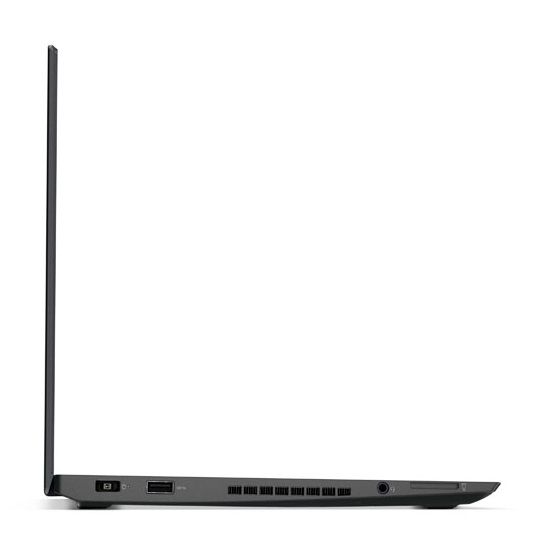
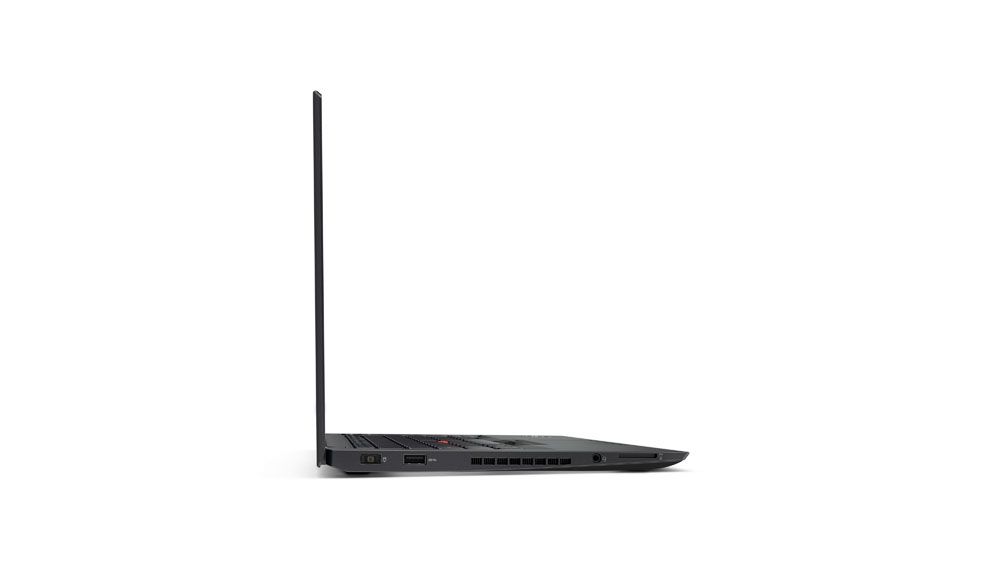
Lenovo ThinkPad T470S RAM upgrade specifications include DDR4-SDRAM memory operating at 2133 MHz. The laptop features one SO-DIMM slot for memory expansion, with onboard memory also present. Maximum RAM capacity reaches 20 GB total. Compatible memory upgrades must match DDR4 specifications and SO-DIMM form factor. Specifications enable users to expand the T470S memory configuration beyond factory settings within the stated compatibility parameters.
Memory Upgrade Specifications
| Specification | Value |
|---|---|
| Memory slots | 1x SO-DIMM |
| Form factor | On-board + SO-DIMM |
| Memory type | DDR4-SDRAM |
| Frequency | 2133 MHz |
| Maximum RAM | 20 GB |
| Voltage | 1.2V |
| Number of pins | 260-pin |
| Interface | PC4 |
| PC Speed Rating | PC4-2133 (PC4-17064) |
| Bandwidth | 17.1 GB/s |
| Laptop Release date | 01 August 2017 |
Additional Notes
- The T470S architecture combines soldered on-board memory with a single SO-DIMM slot, meaning a portion of the 20 GB ceiling cannot be removed or replaced independently.
- DDR4-2133 MHz operates at the baseline JEDEC standard for this generation, constraining throughput to approximately 17 GB/s theoretical bandwidth, which may create memory latency bottlenecks under sustained multi-threaded workloads.
- Single-slot expandability limits upgrade granularity; maximum capacity gains require replacement rather than addition of the SO-DIMM module, and removal of the soldered component is impossible without board-level rework.
- SO-DIMM form factor dictates that third-party modules must meet the compact notebook specification; desktop DDR4 DIMMs are physically incompatible and installation of oversized modules risks connector damage.
- Warranty retention depends on using Lenovo-certified or equivalent DDR4-2133 modules; mixing frequencies or using non-standard timing parameters may void coverage despite DDR4 backward-compatibility at JEDEC levels.
- The 20 GB maximum reflects an uneven configuration (likely 4 GB soldered plus 16 GB SO-DIMM), creating an asymmetric memory topology that may suppress dual-channel performance or introduce latency asymmetry versus balanced configurations.
- DDR4-2133 modules released during the T470S production window may exhibit silicon lottery variance in stability; sourcing modules manufactured in the same quarter as the original equipment reduces compatibility friction.