LENOVO ThinkPad X1 EXTREME RAM upgrade specifications



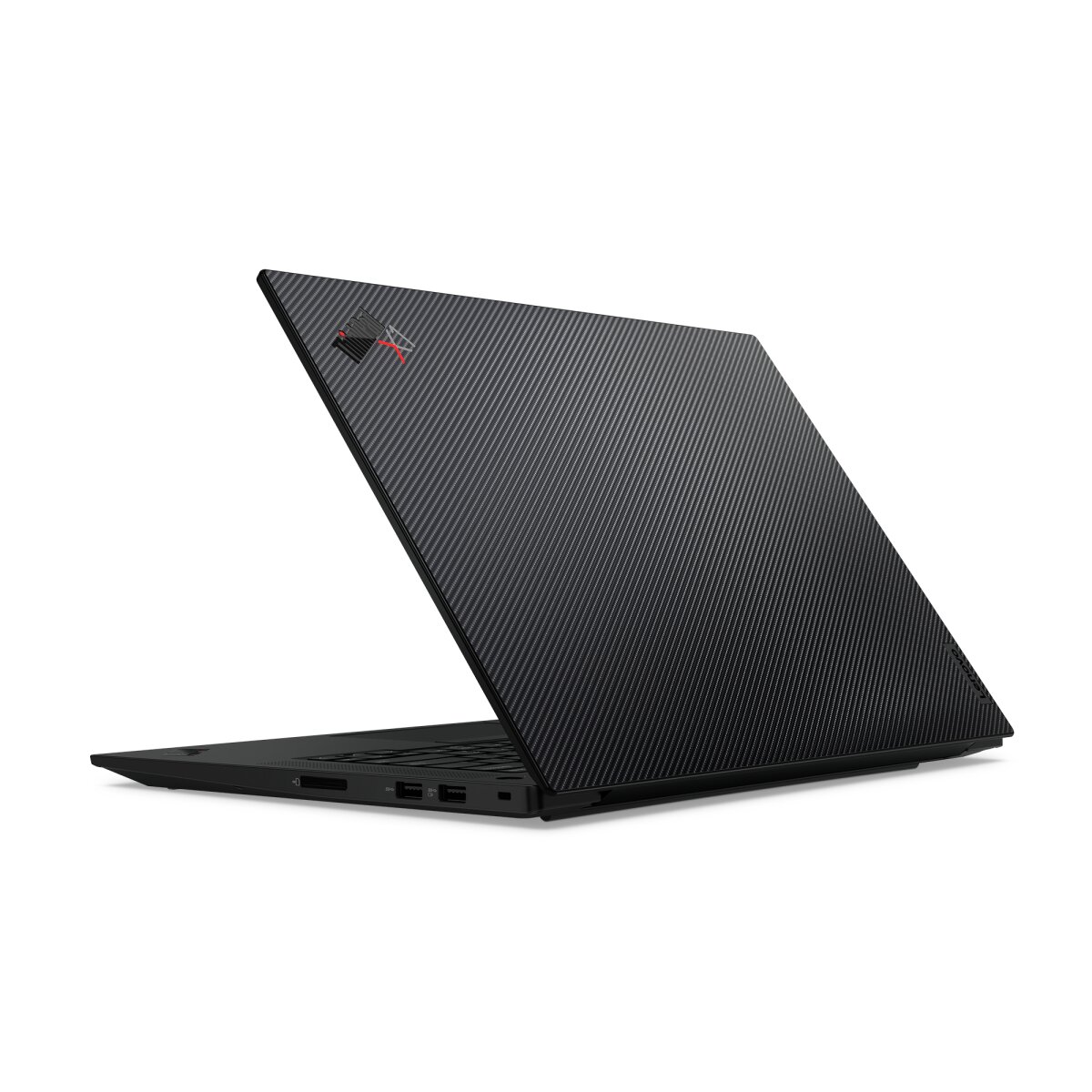
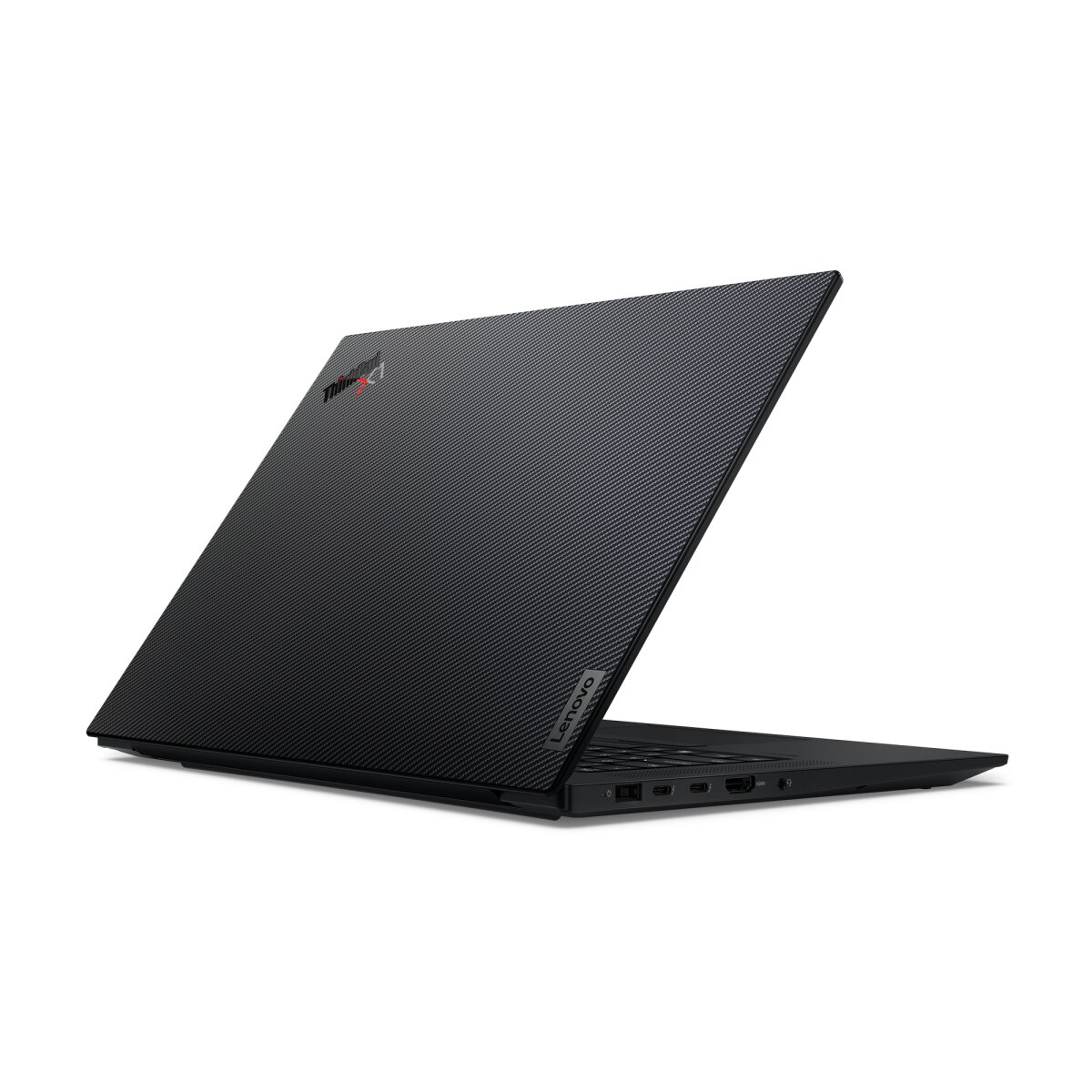
The Lenovo ThinkPad X1 Extreme laptop features two SO-DIMM memory slots supporting DDR5-SDRAM specifications. The upgrade specifications enable a maximum RAM capacity of 64 GB, with compatible memory modules operating at 4800 MHz frequency. Existing memory can be upgraded through the available SO-DIMM slots to achieve maximum specifications for enhanced system performance and multitasking capabilities.
Memory Upgrade Specifications
| Specification | Value |
|---|---|
| Memory slots | 2x SO-DIMM |
| Form factor | SO-DIMM |
| Memory type | DDR5-SDRAM |
| Frequency | 4800 MHz |
| Maximum RAM | 64 GB |
| Voltage | 1.1V |
| Number of pins | 262-pin |
| Interface | PC5 |
| PC Speed Rating | PC5-4800 (PC5-38400) |
| Bandwidth | 38.4 GB/s |
Additional Notes
- The Lenovo ThinkPad X1 Extreme supports DDR5 memory at 4800 MHz, which establishes a theoretical maximum bandwidth of 76.8 GB/s per channel. This bandwidth remains unutilized unless both SO-DIMM slots are populated, making single-module configurations subject to reduced memory throughput by approximately 50%.
- SO-DIMM form factor dictates that aftermarket modules must measure 67.6 mm in length and fit within the compact memory bay. Taller heat-spreader designs common on consumer DDR5 modules may encounter clearance conflicts with the palmrest assembly, necessitating verification of module height specifications prior to purchase.
- The 2-slot architecture enforces a practical ceiling of 64 GB total capacity when both sockets are occupied with 32 GB modules. Single-slot upgrades cannot exceed 32 GB per socket, meaning future expansion beyond the 64 GB maximum requires replacement of existing modules rather than additive installation.
- DDR5-4800 memory operates at lower voltage tolerances than preceding DDR4 standards. Mixing certified modules with untested third-party alternatives introduces instability risk, particularly in sustained compute workloads. Lenovo's qualified vendor list should be consulted to maintain warranty coverage during memory replacement procedures.
- The dual-channel configuration across 2 slots enables symmetric memory access patterns required for optimal performance with multi-threaded professional applications. Asymmetric population (mismatched capacities or frequencies between slots) triggers single-channel fallback on one populated socket, degrading aggregate throughput by up to 25%.