LENOVO ThinkPad X1 Extreme Gen 5 RAM upgrade specifications
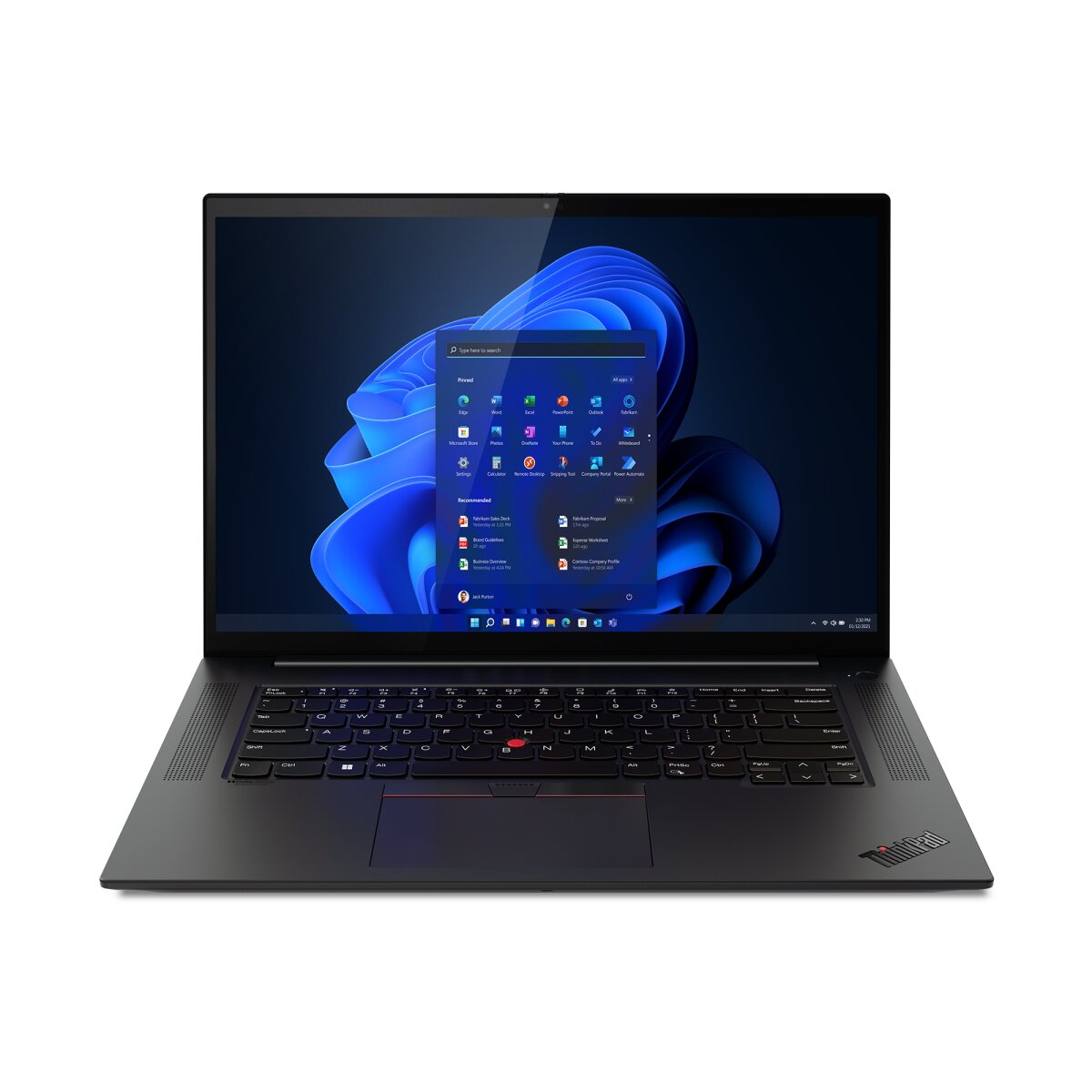
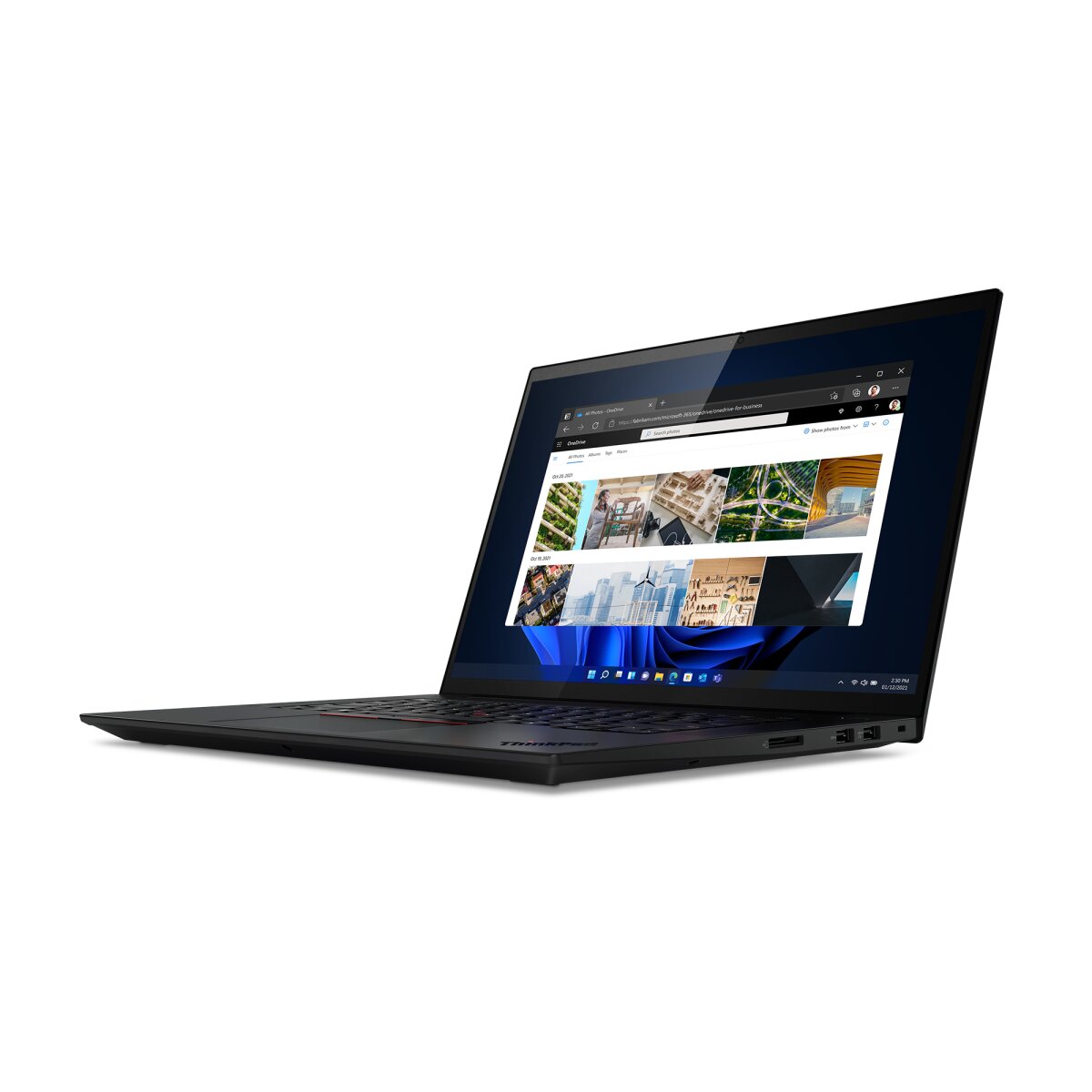
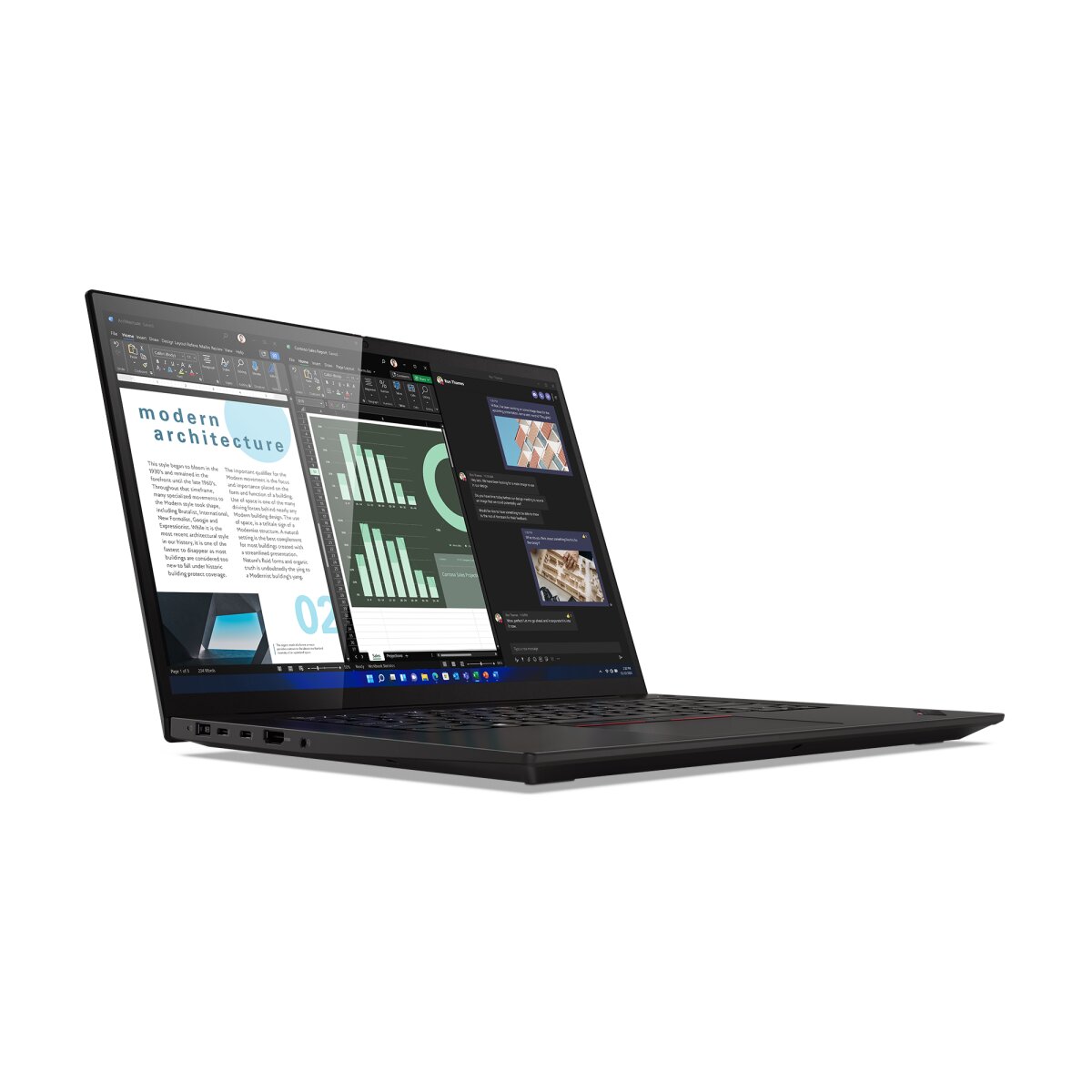
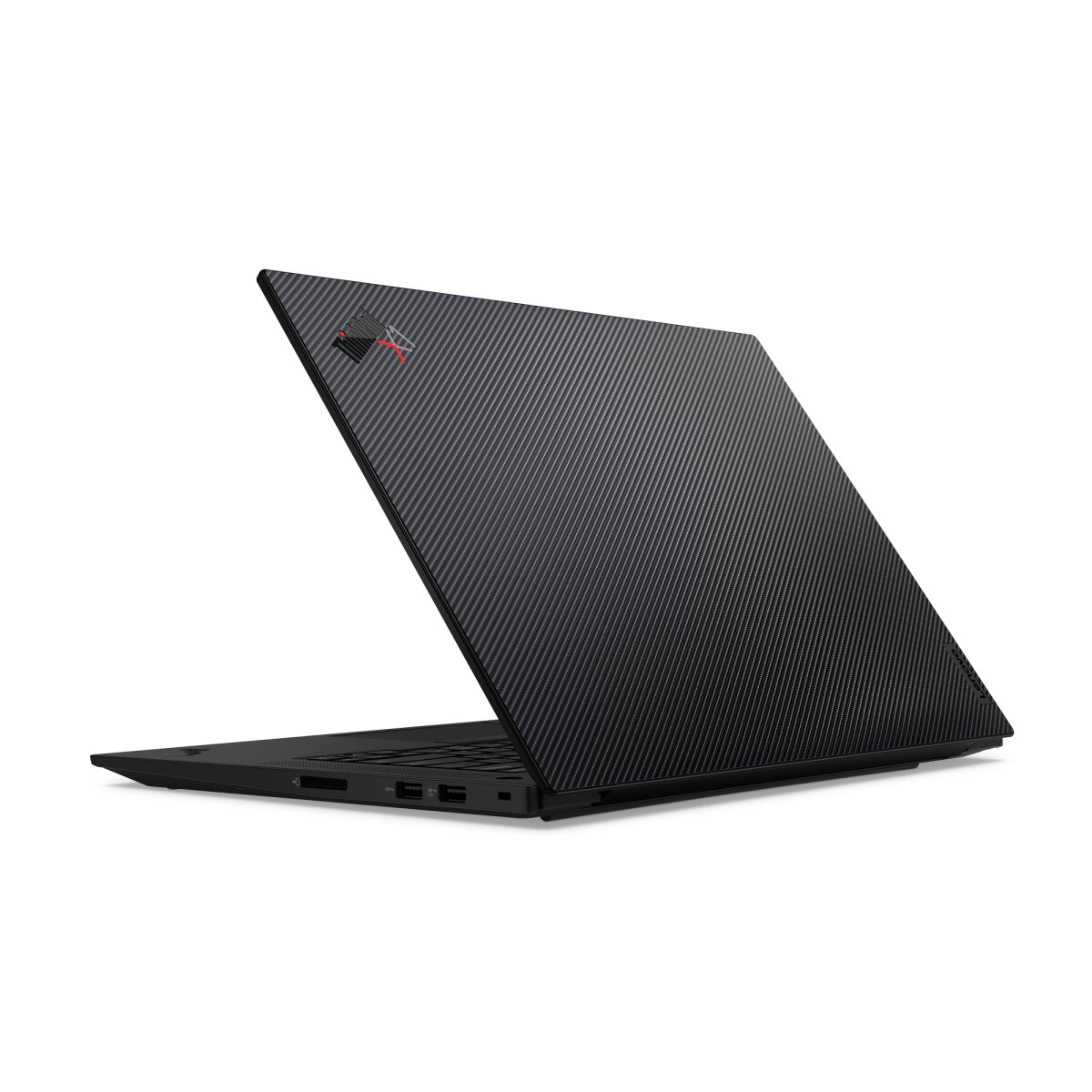
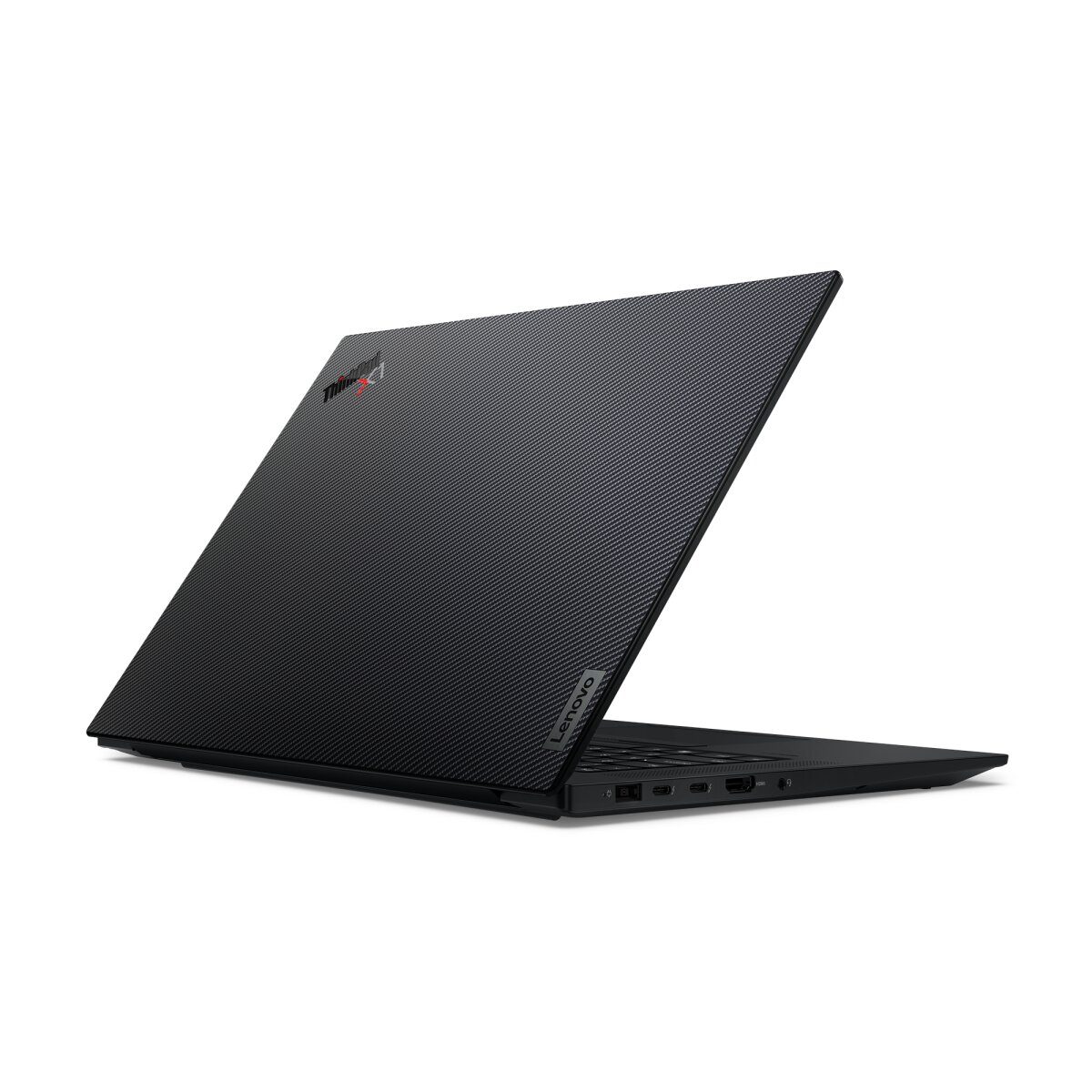
The Lenovo ThinkPad X1 Extreme Gen 5 features two SO-DIMM slots supporting DDR5-SDRAM memory upgrades. Maximum RAM capacity reaches 64 GB total, with compatible modules operating at 4800 MHz frequency. The laptop accepts standard SO-DIMM form factor memory modules. Upgrade specifications allow for expansion of the original memory configuration to enhance system performance and multitasking capabilities.
Memory Upgrade Specifications
| Specification | Value |
|---|---|
| Memory slots | 2x SO-DIMM |
| Form factor | SO-DIMM |
| Memory type | DDR5-SDRAM |
| Frequency | 4800 MHz |
| Maximum RAM | 64 GB |
| Voltage | 1.1V |
| Number of pins | 262-pin |
| Interface | PC5 |
| PC Speed Rating | PC5-4800 (PC5-38400) |
| Bandwidth | 38.4 GB/s |
Additional Notes
- The dual SO-DIMM configuration enables symmetric channel population, which activates dual-channel mode for doubled memory bandwidth compared to single-module installations.
- DDR5 operates at 1.1V compared to DDR4's 1.2V, reducing thermal output in the confined chassis of mobile workstations while maintaining higher data rates.
- The 64 GB ceiling requires two 32 GB modules, as this represents the maximum density currently available in SO-DIMM DDR5 packaging.
- Mixing modules with different speeds will force all installed memory to run at the lowest common frequency, potentially underutilizing faster DIMMs.
- The 4800 MHz specification indicates JEDEC standard speed rather than overclocked XMP profiles, ensuring compatibility without BIOS-level performance tuning.
- Non-ECC unbuffered modules are the required type, as SO-DIMM form factors in mobile platforms typically lack the physical space for error-correction circuitry.
- Access to memory slots on the Lenovo ThinkPad X1 Extreme Gen 5 requires bottom panel removal, which may involve breaking warranty seals depending on regional service policies.
- DDR5's on-die ECC differs from full ECC memory by correcting errors within the chip itself rather than across the data bus, providing baseline data integrity without registered module requirements.
- The 4800 MHz data rate translates to PC5-38400 module designation, which should match when sourcing compatible upgrade components.
- Asymmetric configurations such as 16 GB plus 32 GB modules will function but may engage flex mode, where only matched portions run in dual-channel while excess capacity operates in single-channel mode.
- DDR5's higher prefetch buffer (16n vs DDR4's 8n) improves burst access efficiency for applications with sequential memory patterns, benefiting video editing and computational workloads.
- The SO-DIMM specification limits module height to 30mm, preventing compatibility with taller server-grade or specialized cooling-enhanced variants.