LENOVO ThinkPad X260 RAM upgrade specifications
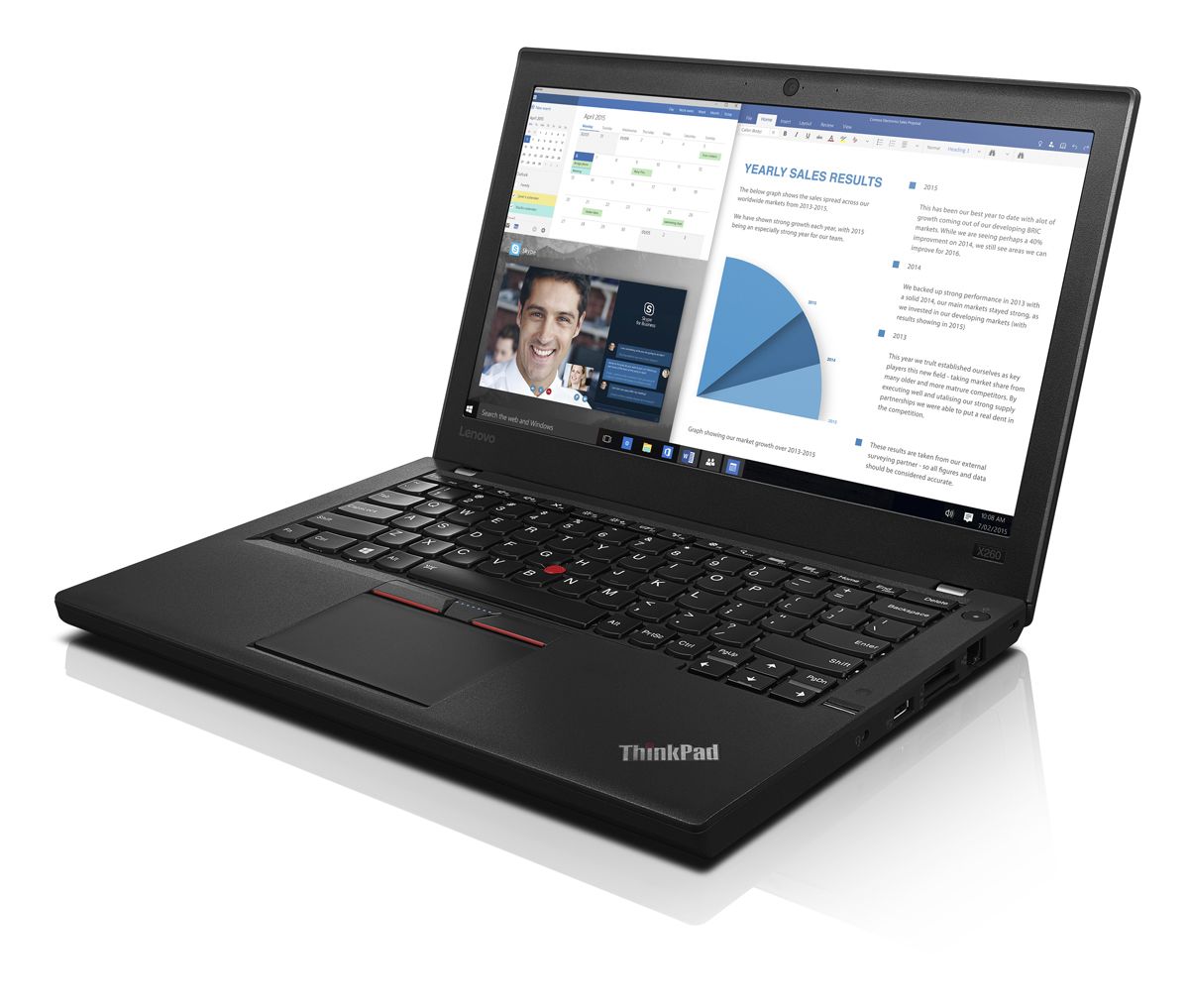
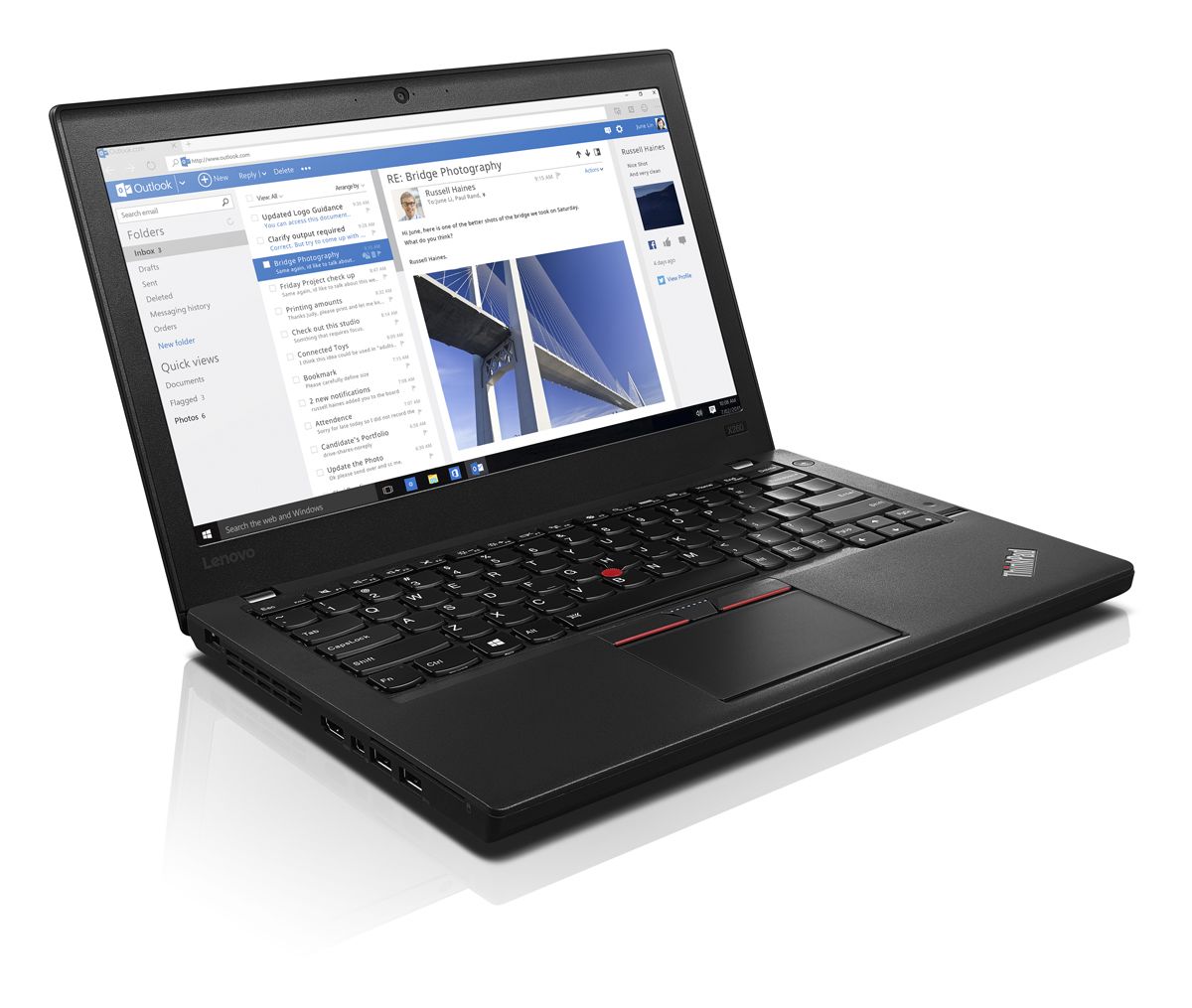
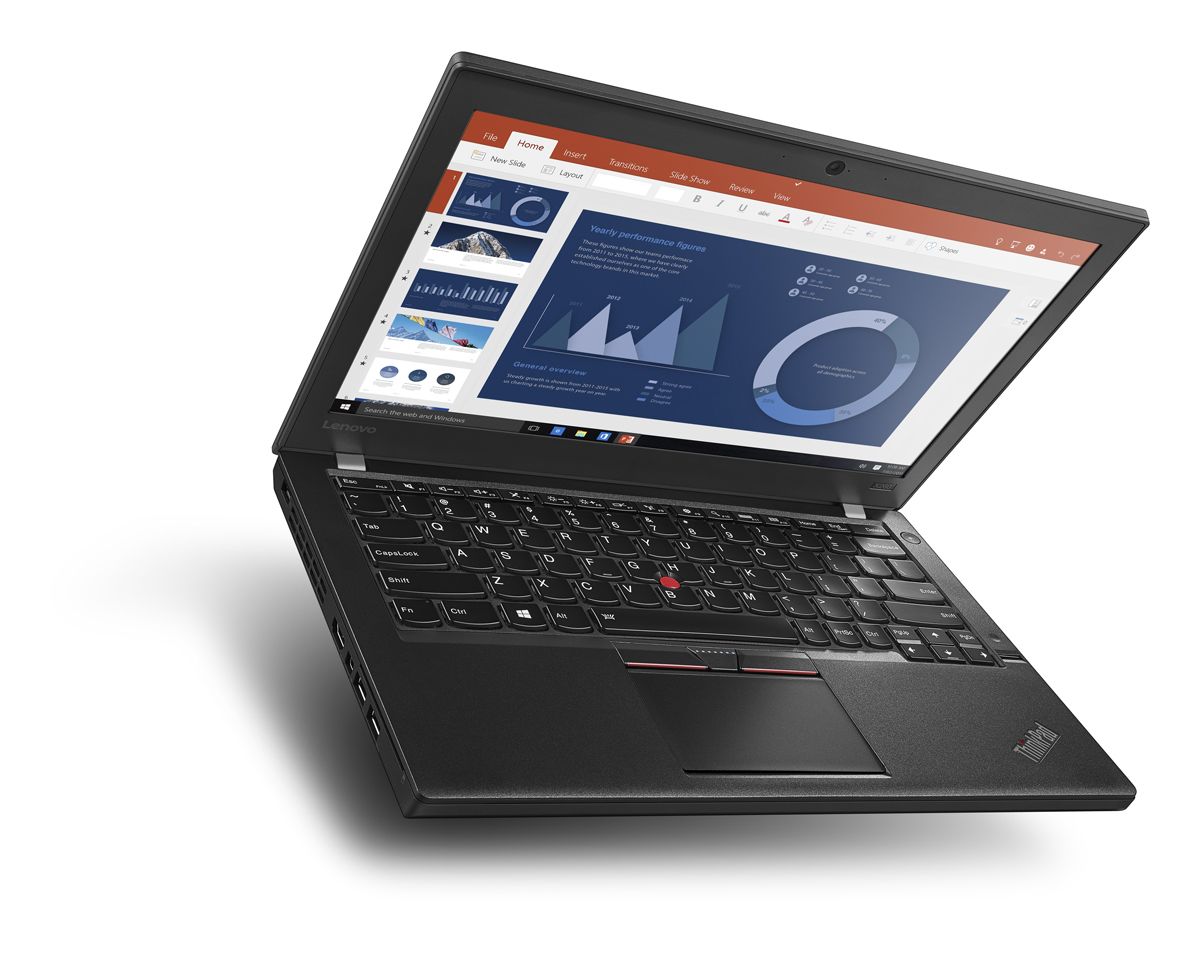
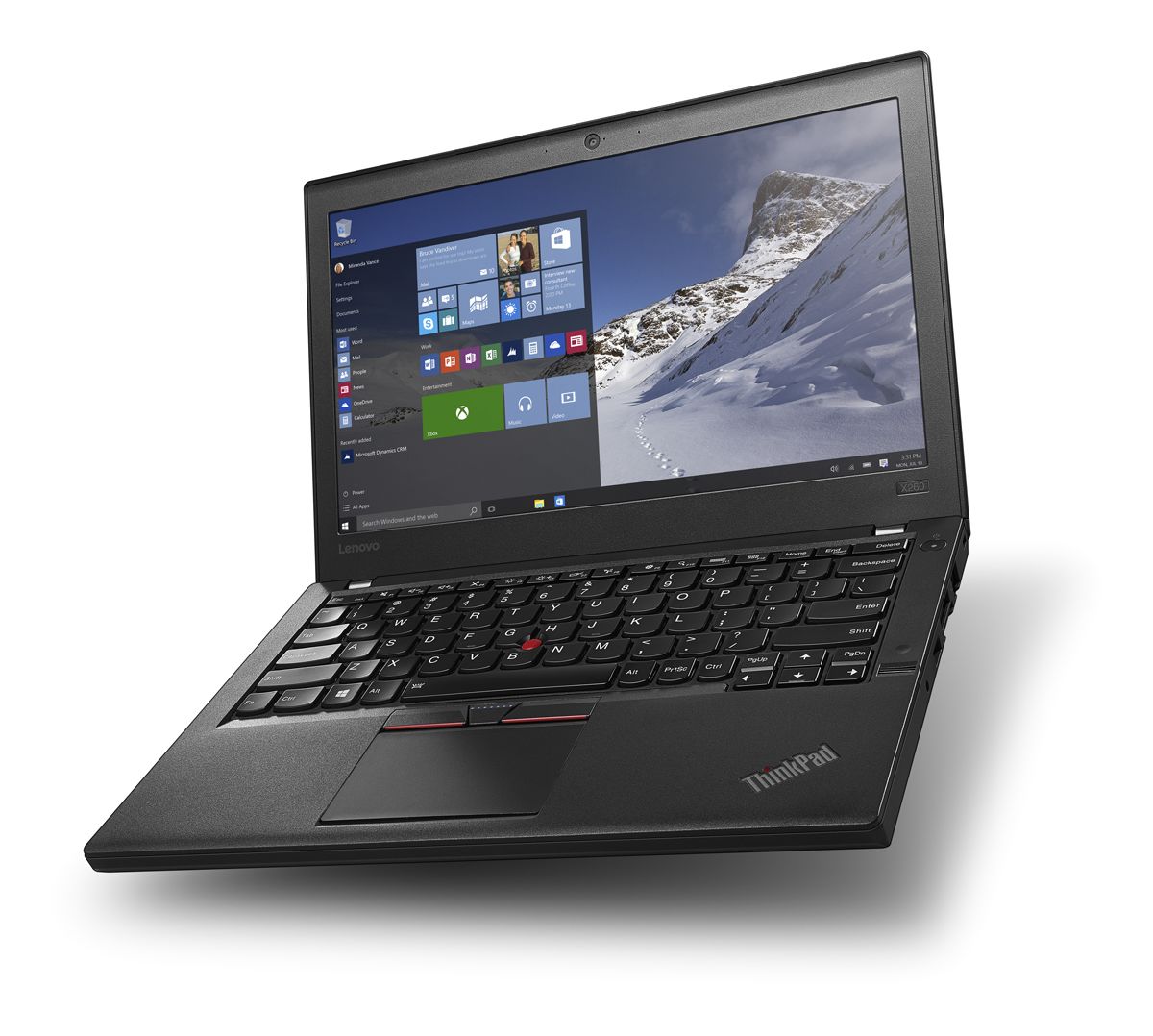
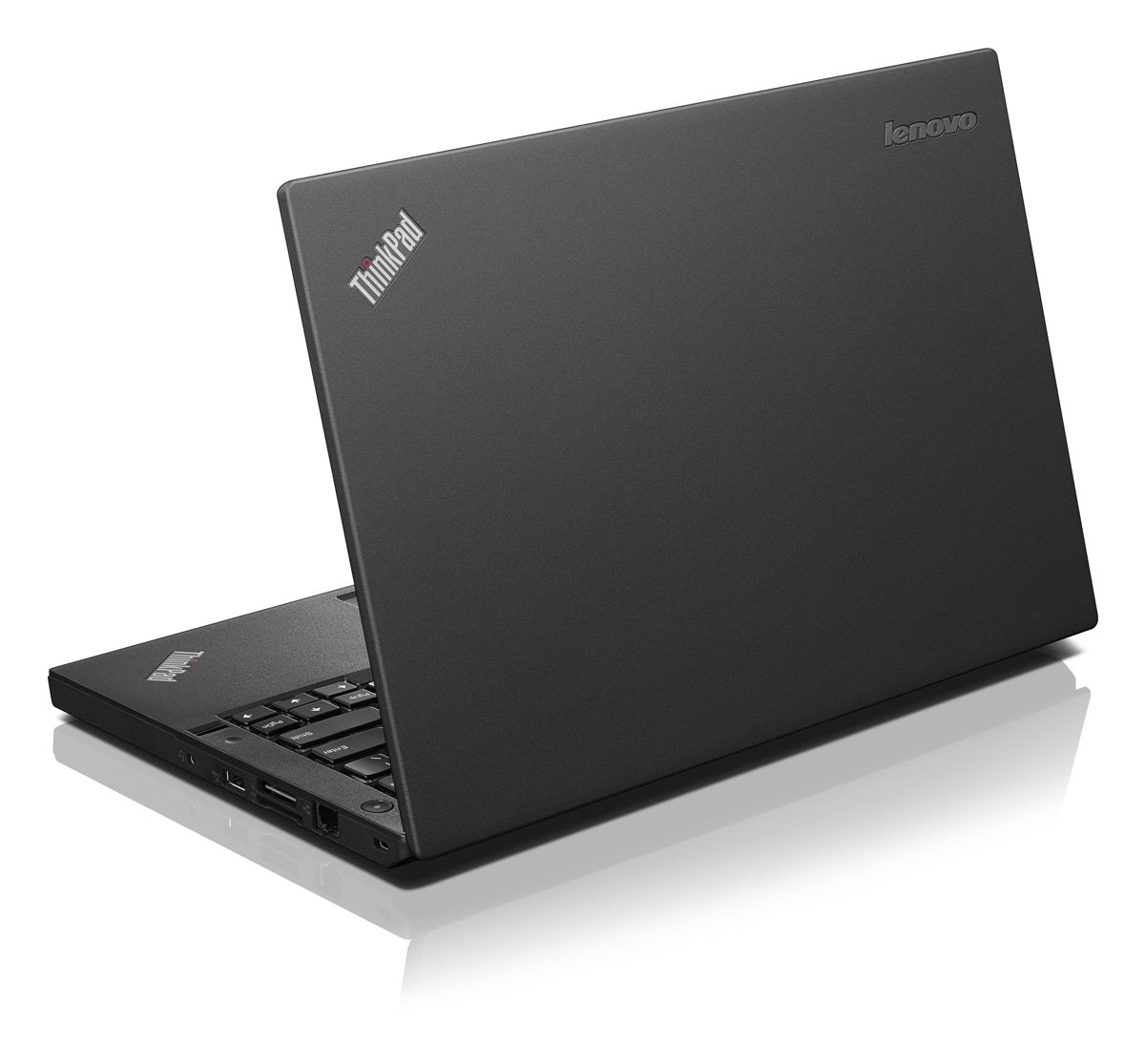
The Lenovo ThinkPad X Series X260 laptop features one SO-DIMM memory slot supporting DDR4-SDRAM upgrades. Maximum RAM capacity reaches 16 GB with DDR4-2133 MHz frequency specifications. Compatible memory upgrades must utilize SO-DIMM form factor modules to match existing slots and specifications. RAM upgrade options allow expansion from the factory configuration up to the maximum supported capacity of 16 GB total memory.
Memory Upgrade Specifications
| Specification | Value |
|---|---|
| Memory slots | 1x SO-DIMM |
| Form factor | SO-DIMM |
| Memory type | DDR4-SDRAM |
| Frequency | 2133 MHz |
| Maximum RAM | 16 GB |
| Voltage | 1.2V |
| Number of pins | 260-pin |
| Interface | PC4 |
| PC Speed Rating | PC4-2133 (PC4-17064) |
| Bandwidth | 17.1 GB/s |
| Laptop Release date | 10 August 2017 |
Additional Notes
- The presence of a single SO-DIMM slot precludes dual-channel memory configurations, resulting in a single-channel bottleneck that limits peak memory bandwidth by 50 percent compared to dual-channel systems.
- Upgrading the memory requires the removal of the existing module because there are no secondary open slots to accommodate additional capacity.
- Installing a module with a frequency higher than 2133 MHz will result in the memory controller downclocking the hardware to the maximum supported system bus speed.
- The 16 GB capacity limit on a single slot necessitates the use of high-density modules, which may require specific BIOS versions to recognize the full addressing space.
- Integrated graphics performance will be strictly constrained by the single-channel memory interface, as the GPU shares the limited bandwidth of the solitary RAM module.
- Upgrading the RAM involves removing the external battery and the bottom chassis cover, which may expose internal sensitive components to electrostatic discharge during the physical swap.
- System latency is fixed by the 2133 MHz specification, and utilizing memory with lower CAS latency ratings will not bypass the hard frequency limits of the integrated memory controller.