LENOVO ThinkPad X270 RAM upgrade specifications
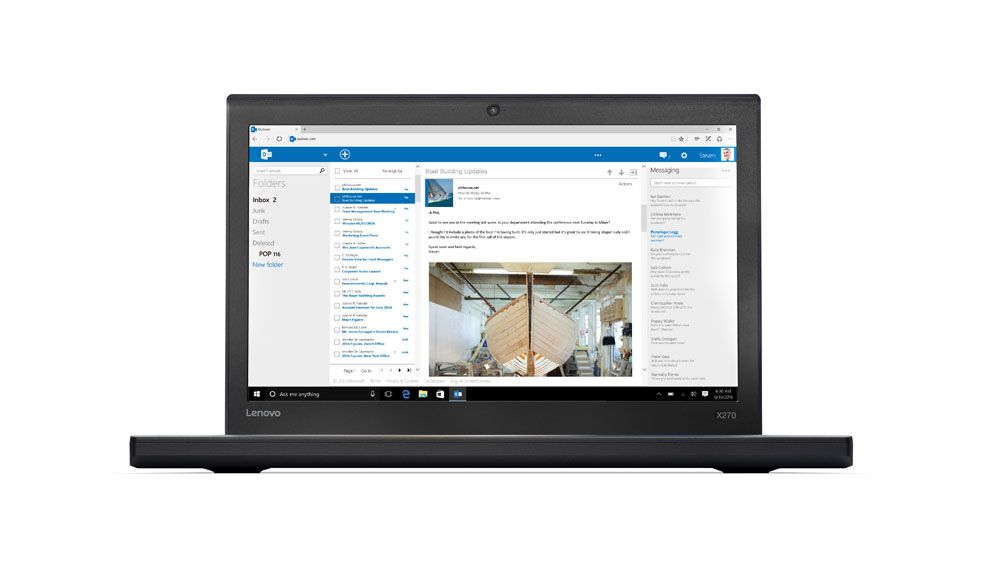
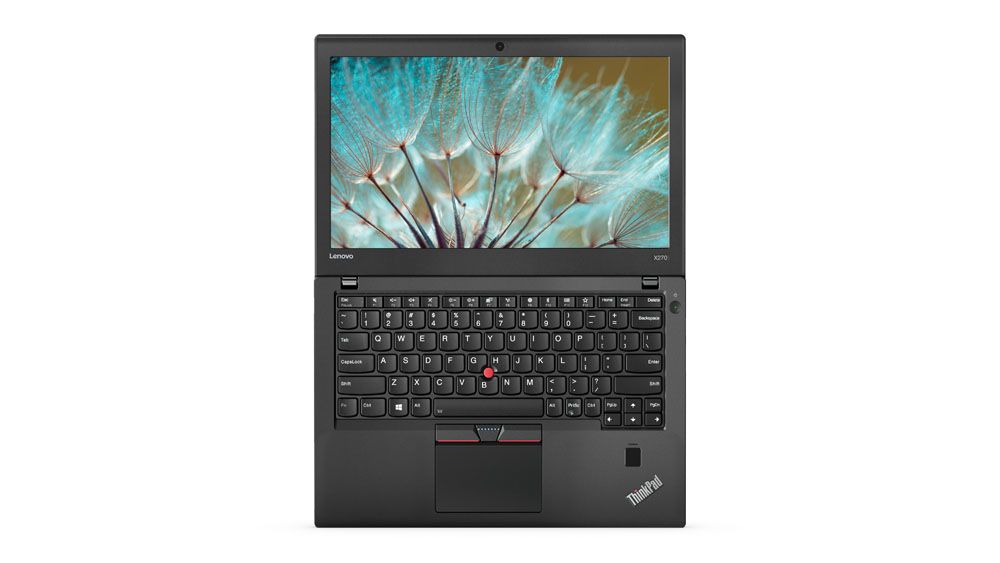
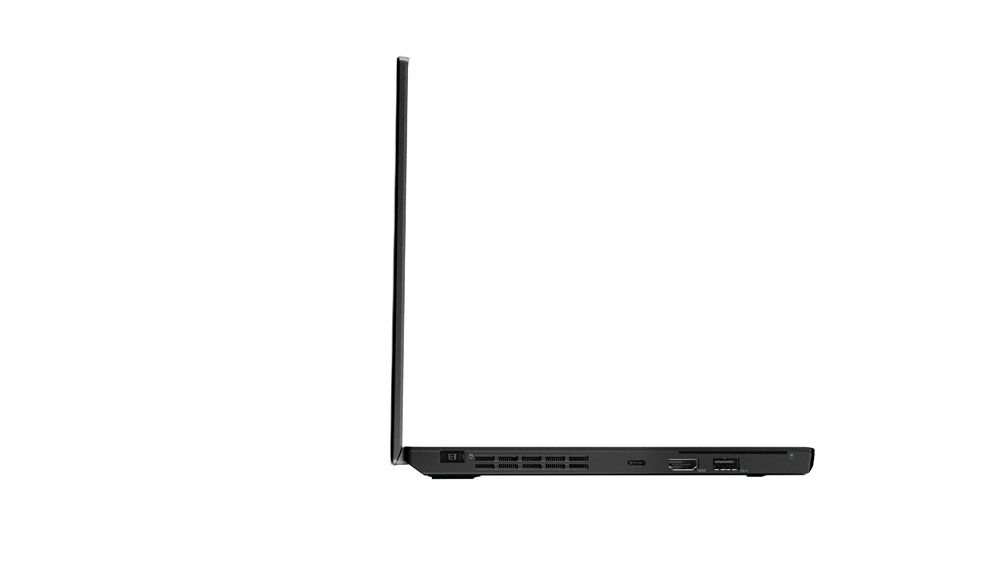
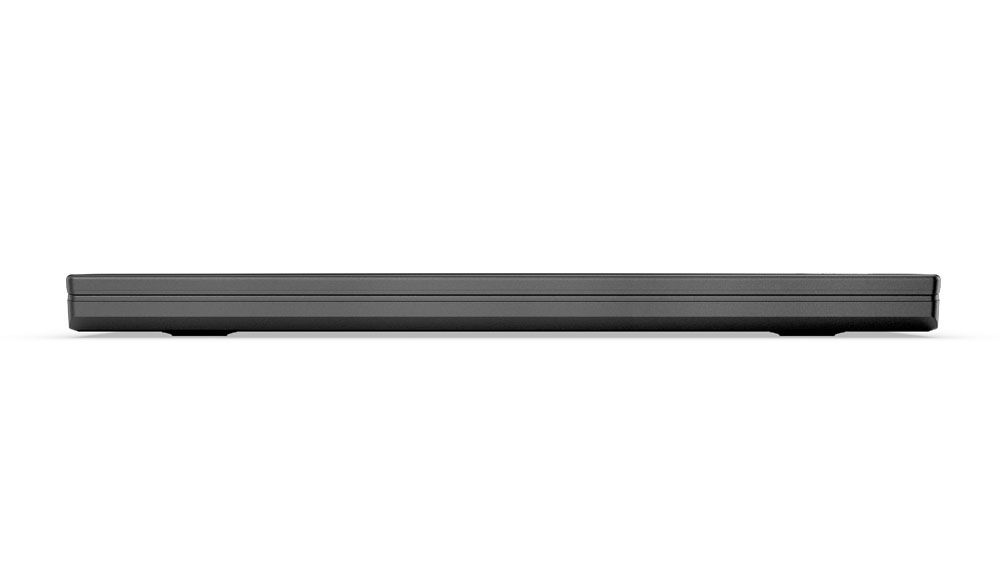
The Lenovo ThinkPad X270 supports DDR4-SDRAM memory upgrades with a single SO-DIMM slot configuration. The laptop accommodates a maximum RAM capacity of 16 GB, with compatible memory modules operating at 2133 MHz frequency. The SO-DIMM form factor specifications define the physical and electrical standards for memory upgrade compatibility on this ThinkPad X series model.
Memory Upgrade Specifications
| Specification | Value |
|---|---|
| Memory slots | 1x SO-DIMM |
| Form factor | SO-DIMM |
| Memory type | DDR4-SDRAM |
| Frequency | 2133 MHz |
| Maximum RAM | 16 GB |
| Voltage | 1.2V |
| Number of pins | 260-pin |
| Interface | PC4 |
| PC Speed Rating | PC4-2133 (PC4-17064) |
| Bandwidth | 17.1 GB/s |
| Laptop Release date | 14 June 2017 |
Additional Notes
- The single SO-DIMM slot architecture means any RAM upgrade requires complete replacement of the existing module rather than addition of a second module.
- Systems configured with 4 GB or 8 GB factory RAM will generate electronic waste upon upgrade since the original module cannot be repurposed within this machine.
- DDR4-2133 represents the maximum supported frequency; modules rated at 2400 MHz or 2666 MHz will downclock to 2133 MHz when installed.
- The 16 GB maximum suggests a chipset-level limitation that cannot be overcome through BIOS updates or firmware modifications.
- SO-DIMM form factor prevents use of standard desktop DIMM modules, requiring specific procurement of laptop-grade components.
- Single-channel memory configuration will result in lower bandwidth compared to dual-channel systems, potentially bottlenecking integrated graphics performance.
- DDR3 or DDR3L modules are electrically incompatible and will cause boot failure or hardware damage if insertion is physically possible.
- The absence of a secondary slot eliminates future expandability beyond the initial upgrade to 16 GB.
- Mixing ECC and non-ECC DDR4 SO-DIMMs with existing components may cause stability issues, as consumer-grade chipsets typically reject ECC modules.
- Operating voltage must conform to DDR4 standard of 1.2V; DDR4L variants do not exist as DDR4 already operates at reduced voltage compared to DDR3.
- Installation requires bottom panel disassembly, which may void warranty seals depending on regional service policies and warranty status.
- The 2133 MHz specification indicates this model likely uses Intel 6th or 7th generation Core processors, which established this frequency as the JEDEC standard.