LENOVO Yoga 510 RAM upgrade specifications
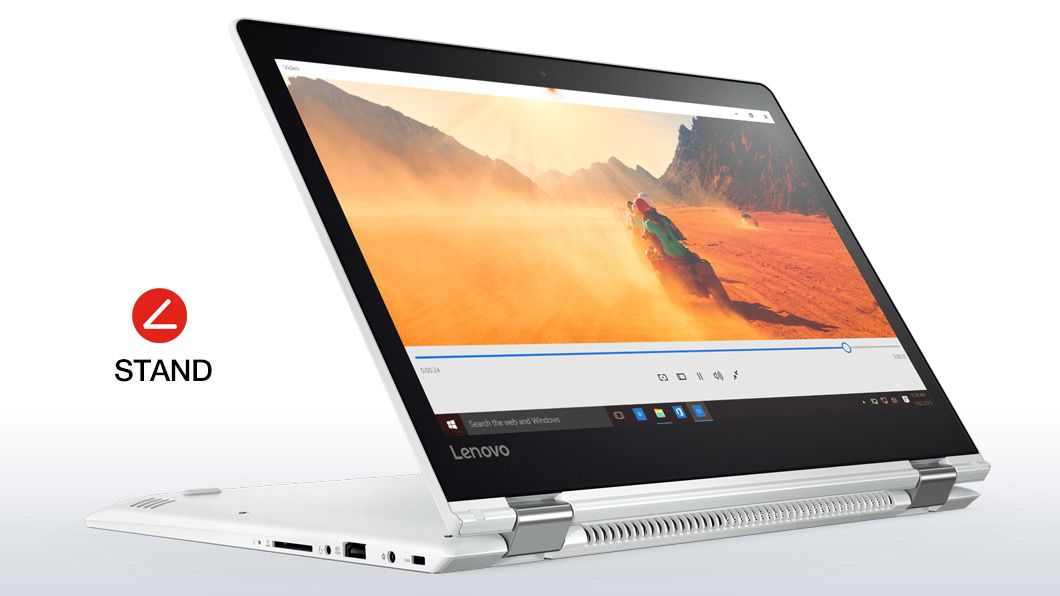
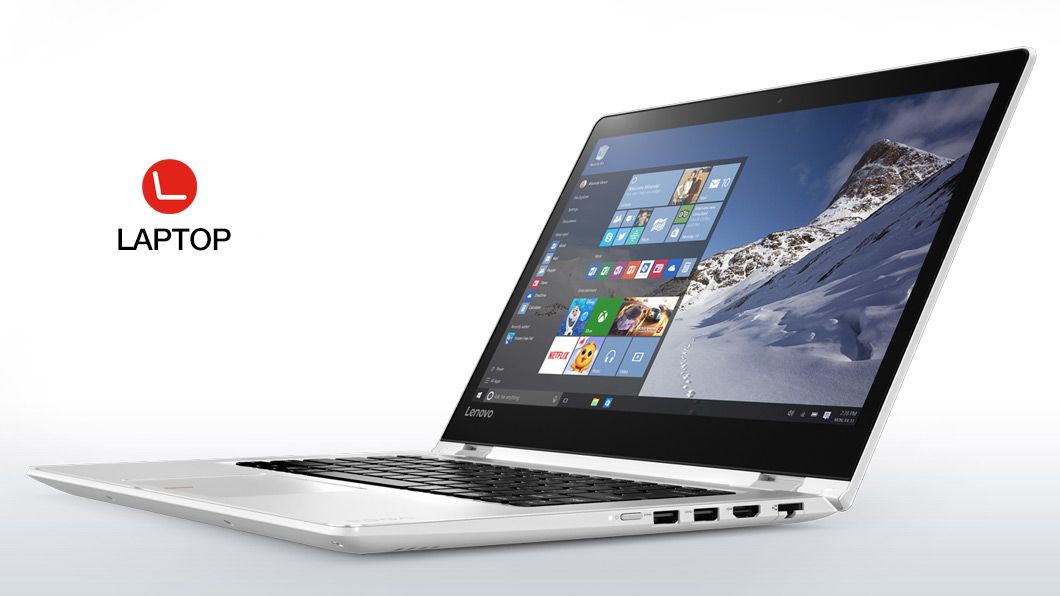
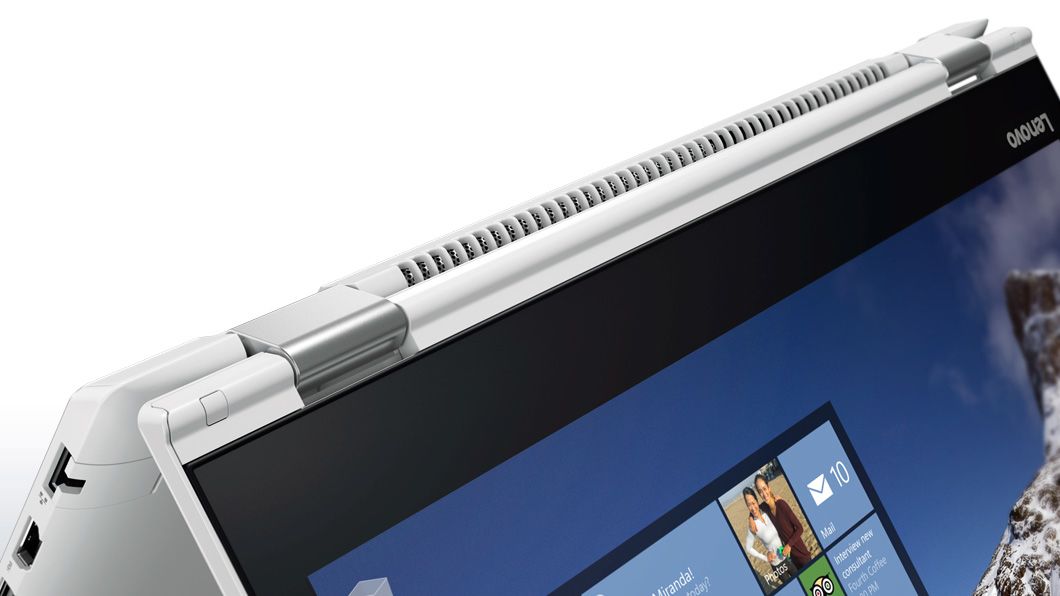

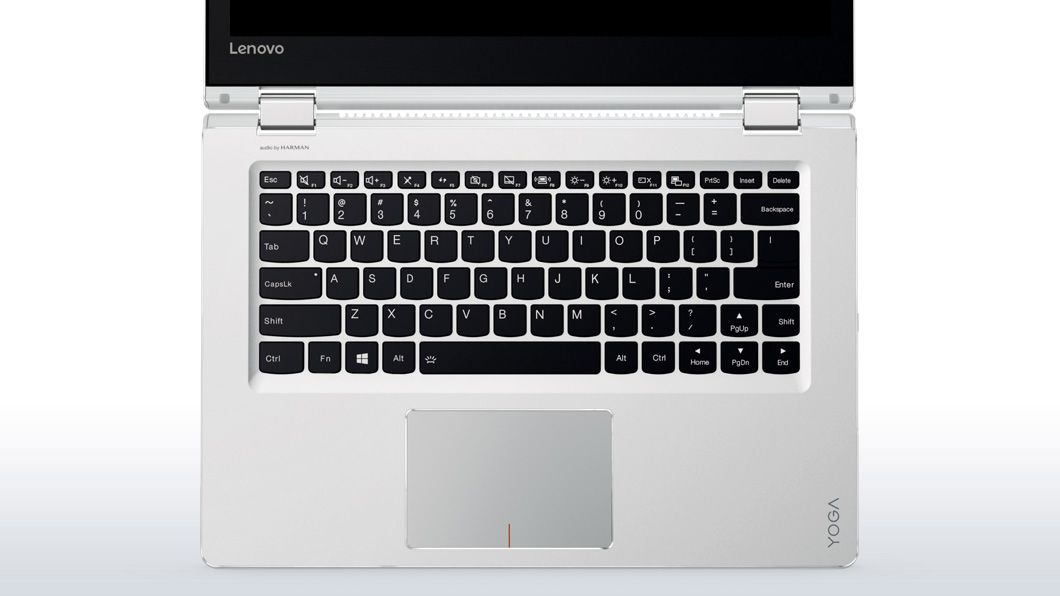
The Lenovo Yoga 500 Series 510 laptop contains one SO-DIMM memory slot compatible with DDR4-SDRAM modules operating at 2133 MHz frequency. Maximum RAM capacity for this model is 8 GB. Memory upgrade specifications indicate the device supports SO-DIMM form factor memory modules. Compatible RAM upgrades enable increased system memory capacity within the single available slot to reach maximum specifications.
Memory Upgrade Specifications
| Specification | Value |
|---|---|
| Memory slots | 1x SO-DIMM |
| Form factor | SO-DIMM |
| Memory type | DDR4-SDRAM |
| Frequency | 2133 MHz |
| Maximum RAM | 8 GB |
| Voltage | 1.2V |
| Number of pins | 260-pin |
| Interface | PC4 |
| PC Speed Rating | PC4-2133 (PC4-17064) |
| Bandwidth | 17.1 GB/s |
| Laptop Release date | 07 August 2017 |
Additional Notes
- Single-channel memory architecture limits theoretical bandwidth to approximately 17 GB/s, half of what dual-channel configurations achieve.
- 8 GB ceiling requires initial memory removal if upgrading from factory configuration, preventing incremental capacity expansion.
- Soldered memory likely occupies the primary channel, with the SO-DIMM slot serving as supplementary expansion rather than standalone operation.
- DDR4-2133 represents first-generation DDR4 speed, creating compatibility with faster modules that will downclock to match the supported frequency.
- 204-pin SO-DIMM physical standard eliminates compatibility with desktop UDIMM modules despite matching DDR4 electrical specifications.
- Memory controller operates at JEDEC baseline timing, rejecting XMP or overclocked profiles even when physically installed.
- Integrated graphics shares system memory allocation, reducing effective available RAM for applications by 512 MB to 2 GB depending on display resolution.
- CAS latency varies between DDR4-2133 modules (CL13 through CL15), though performance impact remains negligible given bandwidth constraints.
- Thermal envelope restricts module height clearance, potentially conflicting with high-profile heat spreaders common on gaming-oriented SO-DIMMs.
- Warranty preservation requires non-destructive installation, though accessing the SO-DIMM slot typically involves bottom panel removal rather than keyboard disassembly.
- Mixed-brand configurations function when electrical specifications match, though density mismatches between soldered and socketed modules prevent dual-channel interleaving.
- Voltage standardization at 1.2V eliminates low-voltage DDR4L requirement, broadening compatible module selection compared to earlier ultraportable designs.