LENOVO Yoga 81CU006CMB RAM upgrade specifications
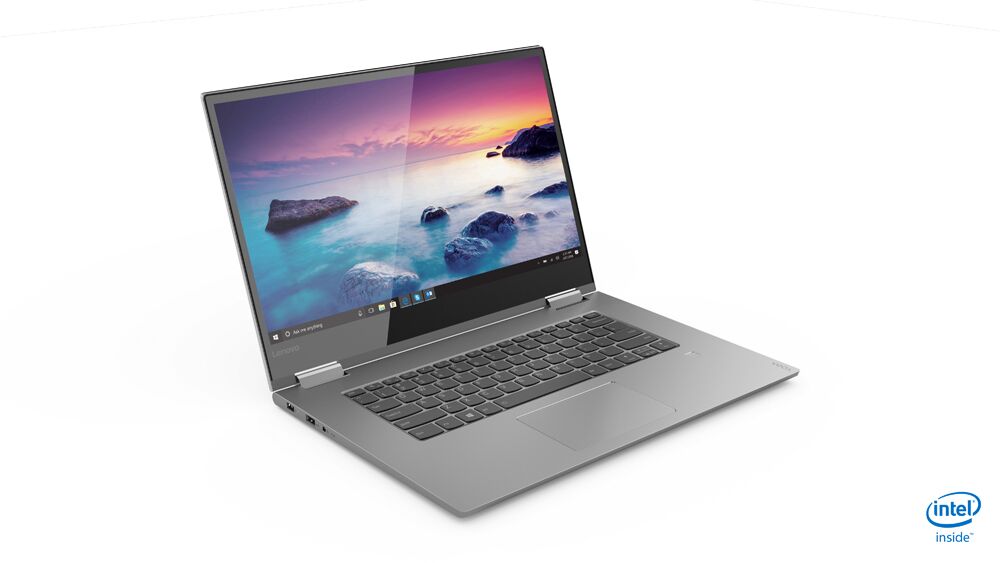
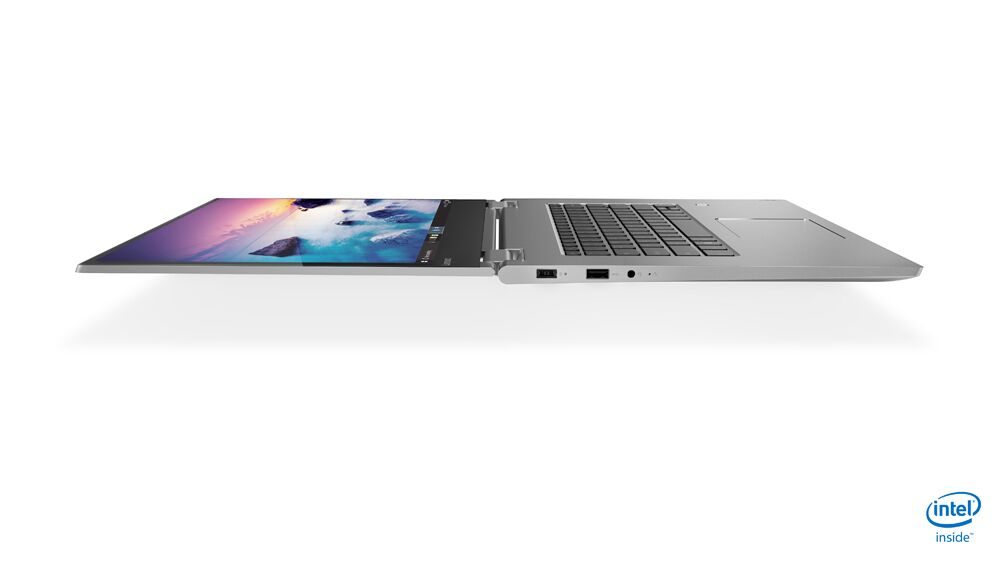
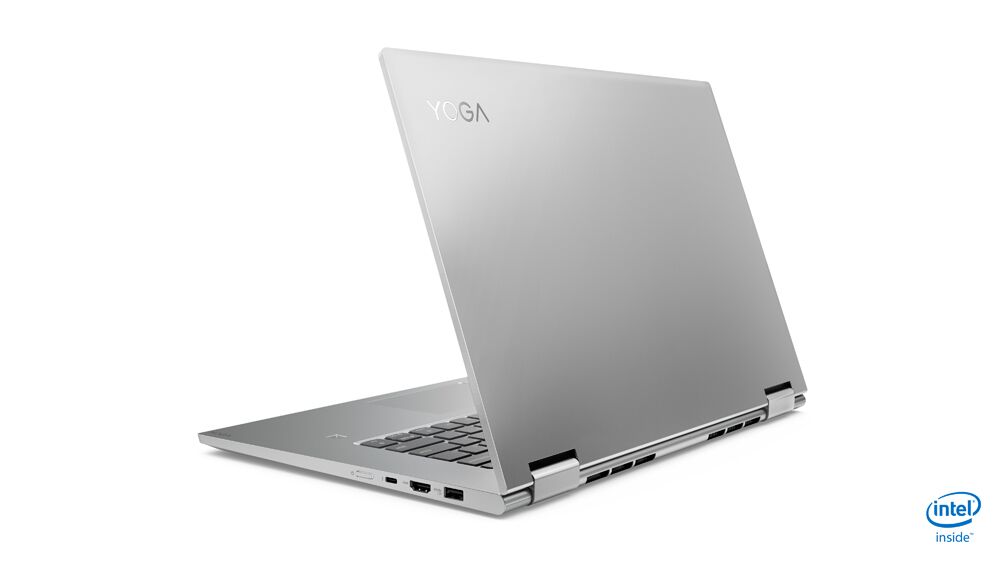
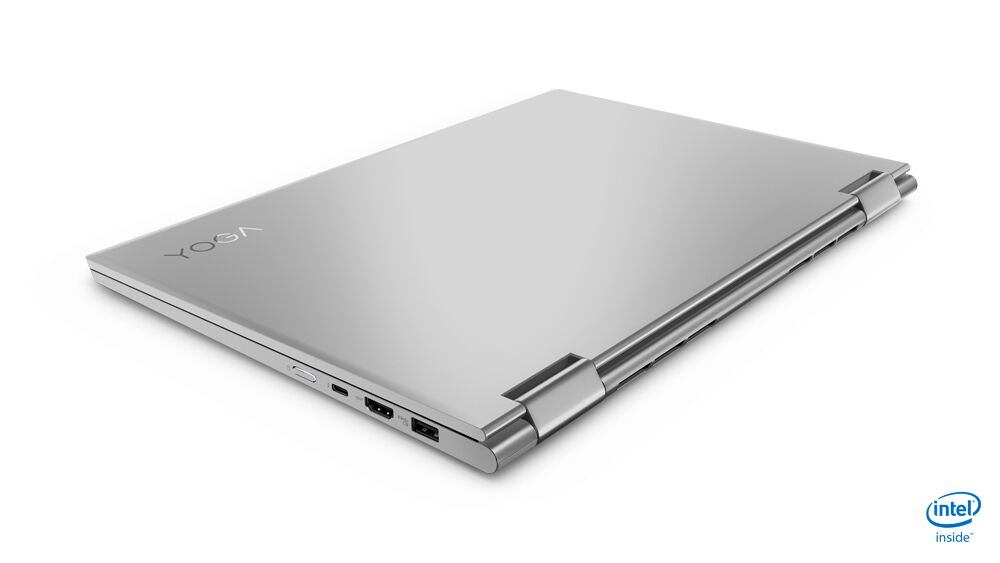
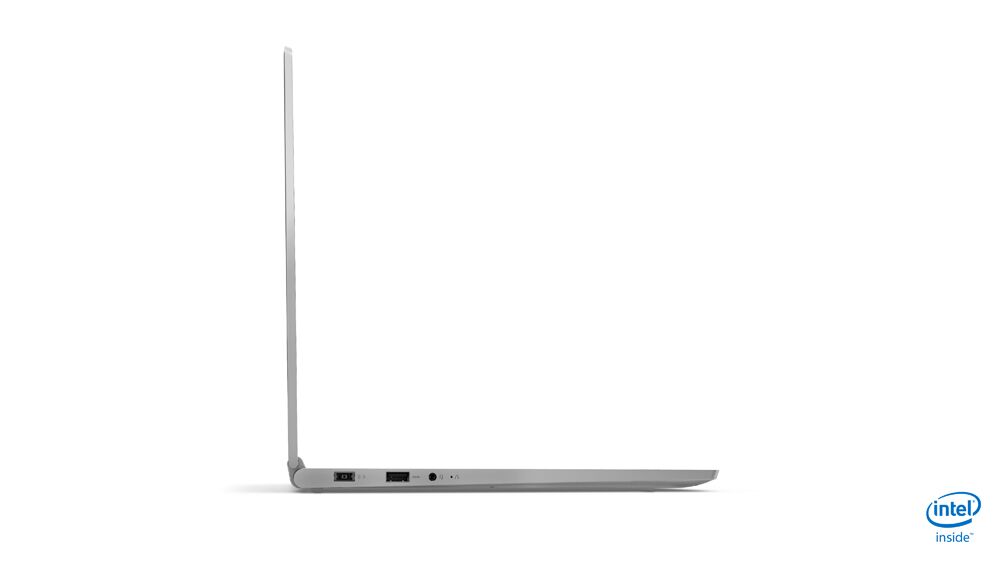
Lenovo Yoga 700 Series model 81CU006CMB features DDR4-SDRAM memory with upgrade capacity of 16 GB maximum. The laptop contains one SO-DIMM slot for RAM expansion, operating at 2400 MHz frequency. Memory configuration includes on-board and SO-DIMM form factor. Compatible RAM upgrades support DDR4-SDRAM specifications. Maximum memory capacity reaches 16 GB through the available SO-DIMM slot. The upgrade specifications allow for memory expansion beyond factory-installed RAM while maintaining compatibility with Lenovo Yoga 700 Series components and system requirements.
Memory Upgrade Specifications
| Specification | Value |
|---|---|
| Memory slots | 1x SO-DIMM |
| Form factor | On-board + SO-DIMM |
| Memory type | DDR4-SDRAM |
| Frequency | 2400 MHz |
| Maximum RAM | 16 GB |
| Voltage | 1.2V |
| Number of pins | 260-pin |
| Interface | PC4 |
| PC Speed Rating | PC4-2400 (PC4-19200) |
| Bandwidth | 19.2 GB/s |
| Laptop Release date | 18 March 2019 |
Additional Notes
- The Lenovo Yoga 81CU006CMB contains a single user-accessible SO-DIMM slot, indicating soldered on-board memory exists alongside this upgradeable module, which limits total capacity expansion to the SO-DIMM contribution rather than full system replacement.
- DDR4-2400 frequency represents a lower-tier speed specification for modern DDR4 modules; newer DDR4 kits operating at 2666 MHz or higher will downclock to 2400 MHz in this system, preventing performance gains from faster memory but enabling backward compatibility.
- The 16 GB maximum capacity ceiling suggests the on-board memory component occupies at least 4 GB of this limit, meaning a 16 GB SO-DIMM installation would result in either 20 GB total (if on-board is 4 GB) or 24 GB total (if on-board is 8 GB), depending on factory configuration and BIOS recognition thresholds.
- SO-DIMM slot availability constrains upgrade pathways to laptop-grade modules only; standard desktop DDR4 UDIMM modules cannot physically install, and mixing memory speeds across the on-board and SO-DIMM components may trigger automatic frequency throttling across both modules.
- The 2400 MHz specification indicates potential memory bandwidth saturation under sustained multi-threaded workloads; integrated graphics or shared L3 cache contention could amplify latency sensitivity more than in systems with faster primary memory buses.
- Factory warranty terms typically permit SO-DIMM upgrades without voiding coverage, whereas on-board soldered memory falls outside user-serviceable components; upgrade documentation should confirm whether BIOS firmware updates affect memory compatibility before installation.