MSI Bravo 15 A4DDR-068XRU RAM upgrade specifications
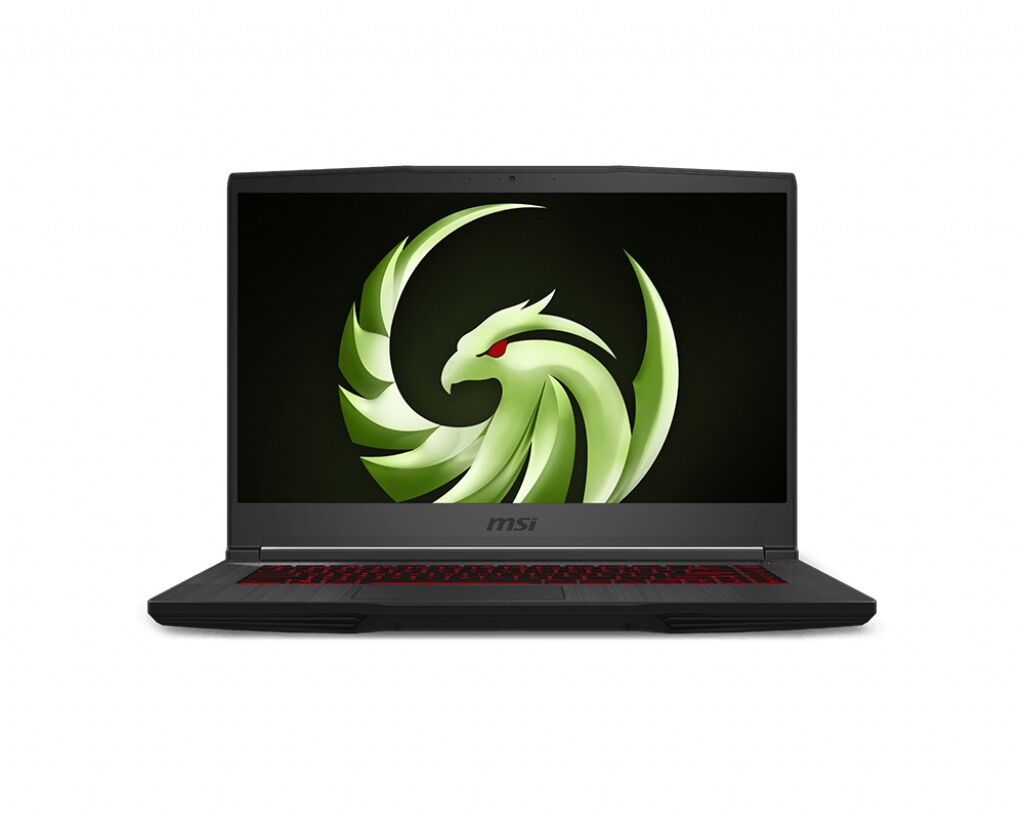
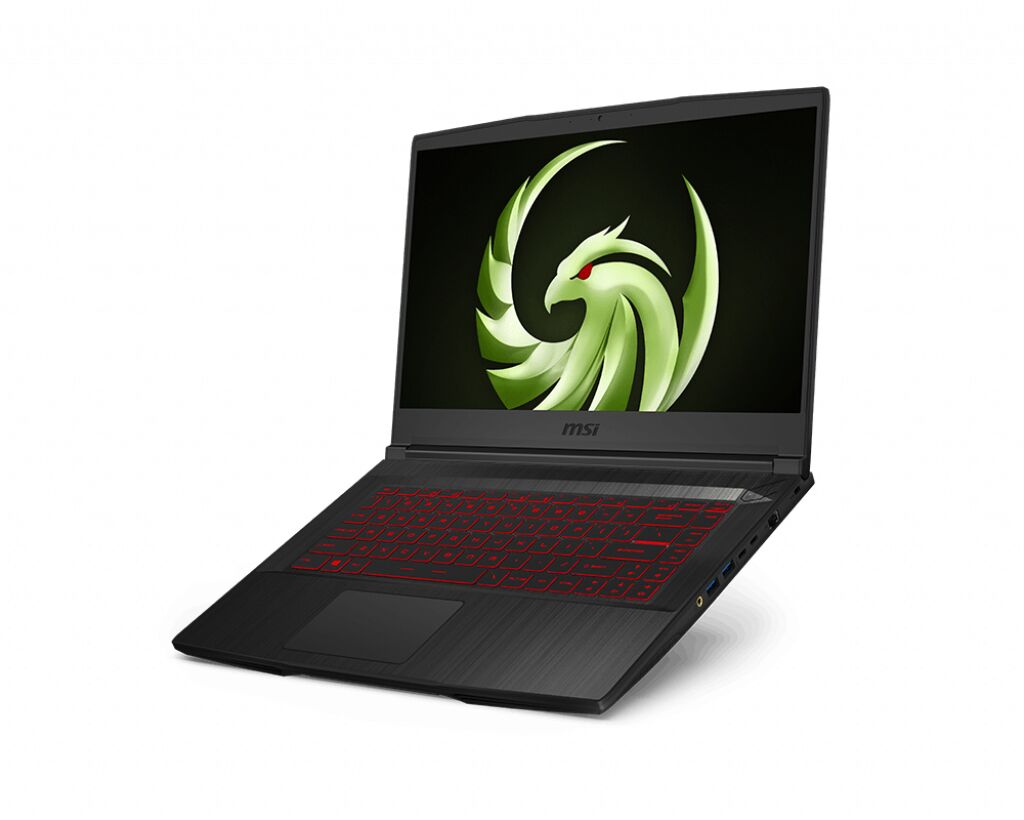
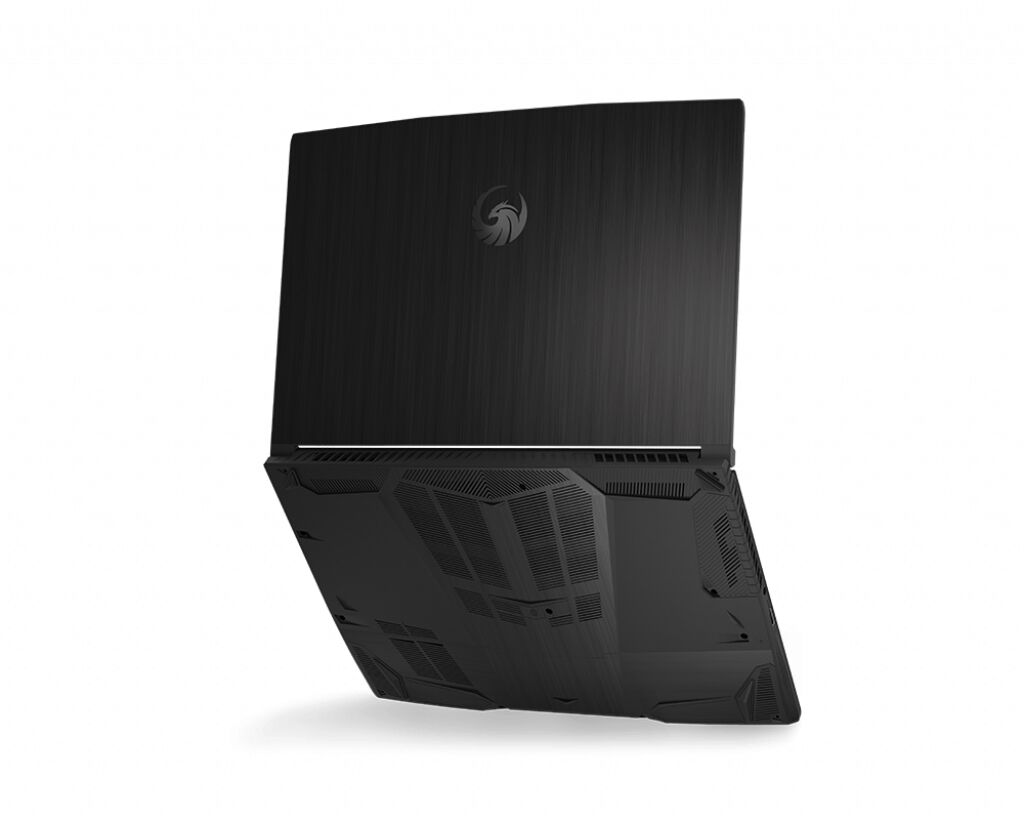
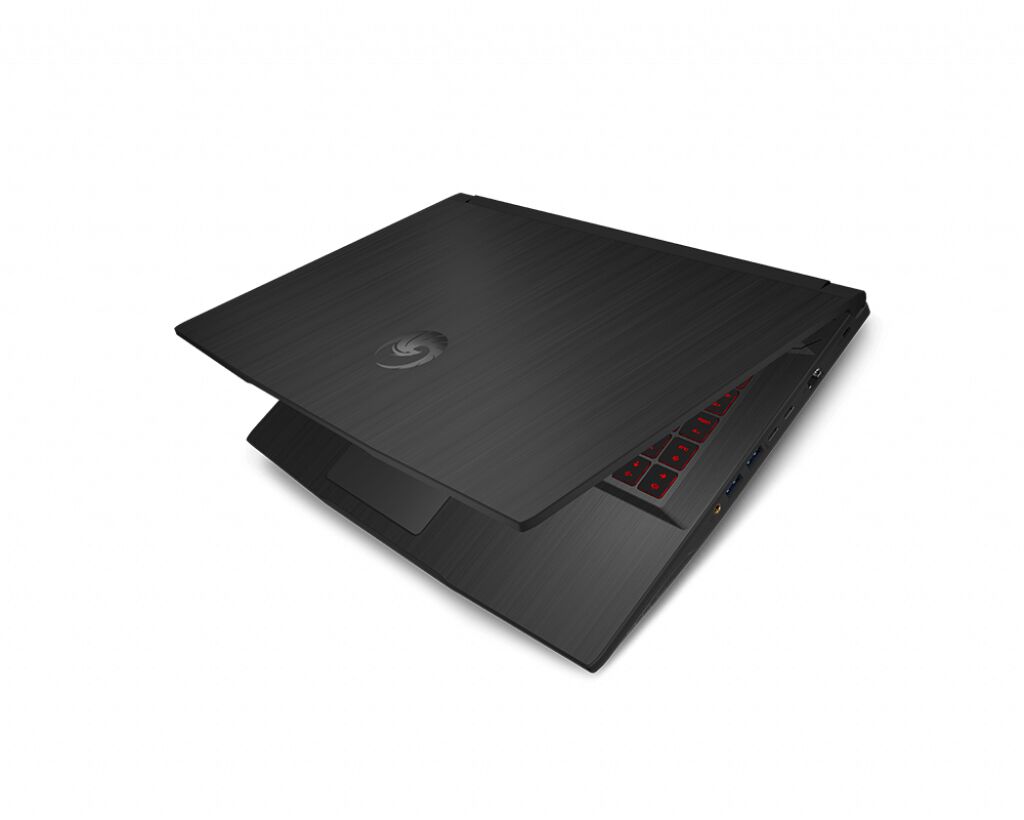
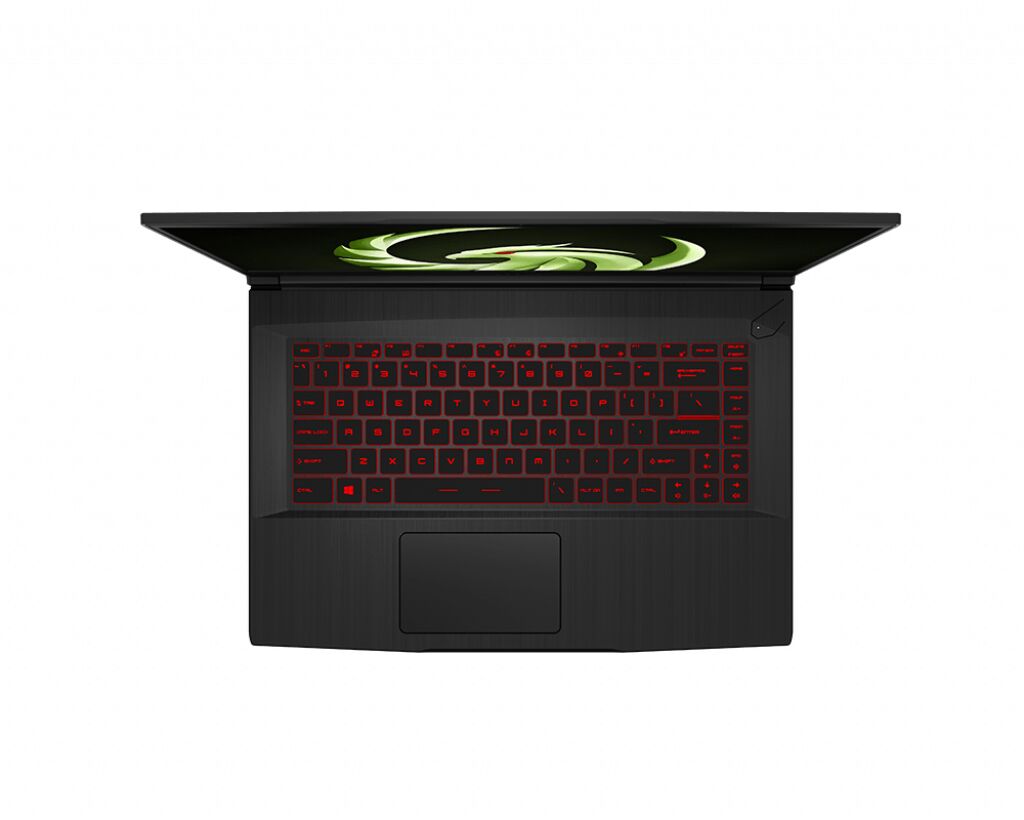
MSI Bravo 15 A4DDR-068XRU laptop features DDR4-SDRAM memory upgrade specifications with 2x SO-DIMM slots available for expansion. Maximum compatible RAM capacity reaches 64 GB total, supporting DDR4 memory modules operating at 3200 MHz frequency. SO-DIMM form factor specifications enable memory upgrades for enhanced multitasking performance and system responsiveness on the MSI 15 series model.
Memory Upgrade Specifications
| Specification | Value |
|---|---|
| Memory slots | 2x SO-DIMM |
| Form factor | SO-DIMM |
| Memory type | DDR4-SDRAM |
| Frequency | 3200 MHz |
| Maximum RAM | 64 GB |
| Voltage | 1.2V |
| Number of pins | 260-pin |
| Interface | PC4 |
| PC Speed Rating | PC4-3200 (PC4-25600) |
| Bandwidth | 25.6 GB/s |
| Laptop Release date | 03 November 2020 |
Additional Notes
- The MSI Bravo 15 A4DDR-068XRU contains 2 SO-DIMM slots operating at 3200 MHz, which limits upgrade capacity to 64 GB total without motherboard replacement or external solutions.
- DDR4-3200 memory modules are widely available at consumer pricing, but sourcing SO-DIMM variants specifically may require vendor filtering, as desktop DDR4 inventory often dominates retail channels.
- Adding a second module will trigger dual-channel architecture, potentially increasing memory bandwidth by approximately 50% compared to single-channel operation and reducing latency-sensitive workload completion times.
- Installation of mismatched speed grades (below 3200 MHz) will cause the system to downclock all modules to the slowest module's rated frequency, resulting in performance degradation across memory-bound tasks.
- The SO-DIMM form factor requires removal of the bottom access panel or keyboard assembly depending on internal layout, and memory installation typically voids no manufacturer warranties when performed without component damage.
- Ryzen-based APUs in this generation show 8-12% throughput improvement when migrating from 2400 MHz to 3200 MHz memory, with integrated GPU performance scaling more significantly than CPU tasks.
- Capacity expansion beyond 32 GB provides minimal real-world benefit for standard productivity and gaming workloads but becomes relevant for virtual machine hosting, video encoding, or large dataset processing workflows.