MSI Bravo 15 A4DDR-048FR RAM upgrade specifications


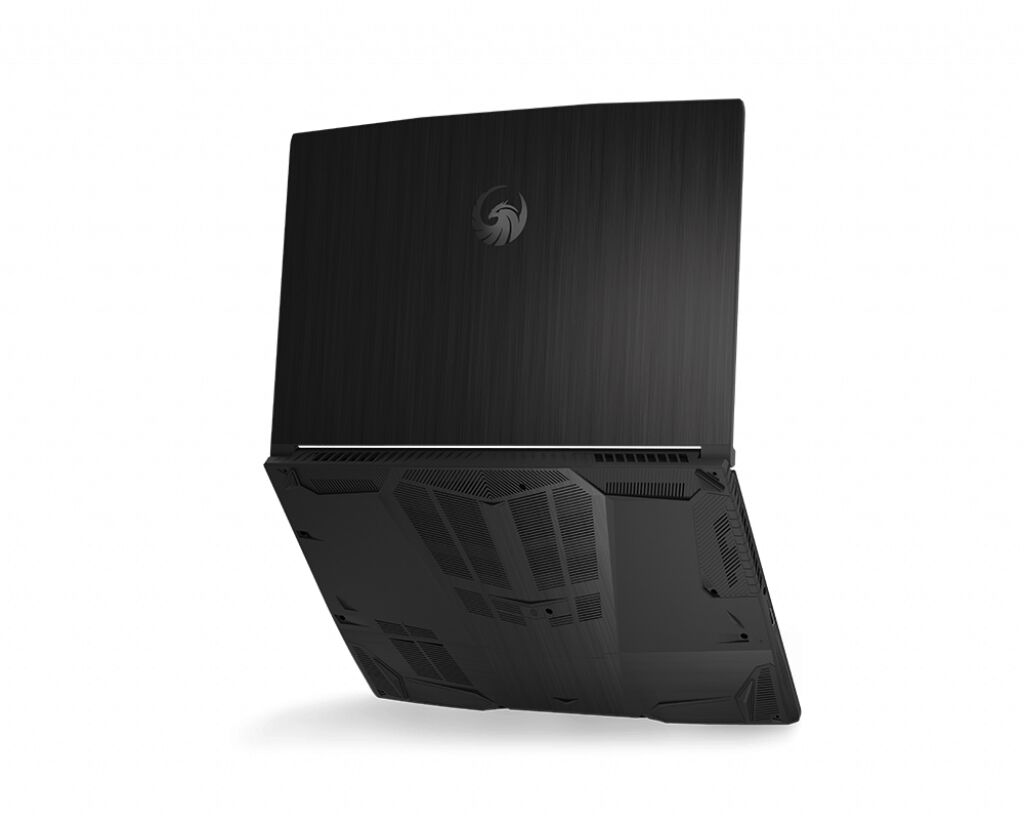
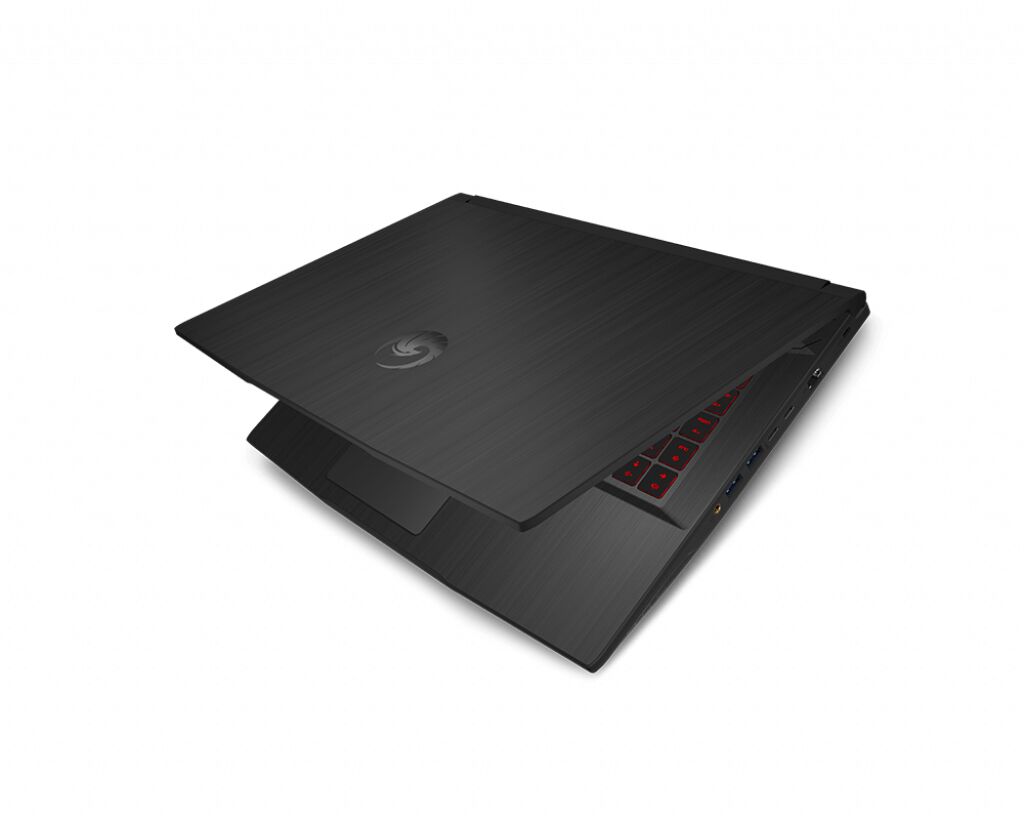
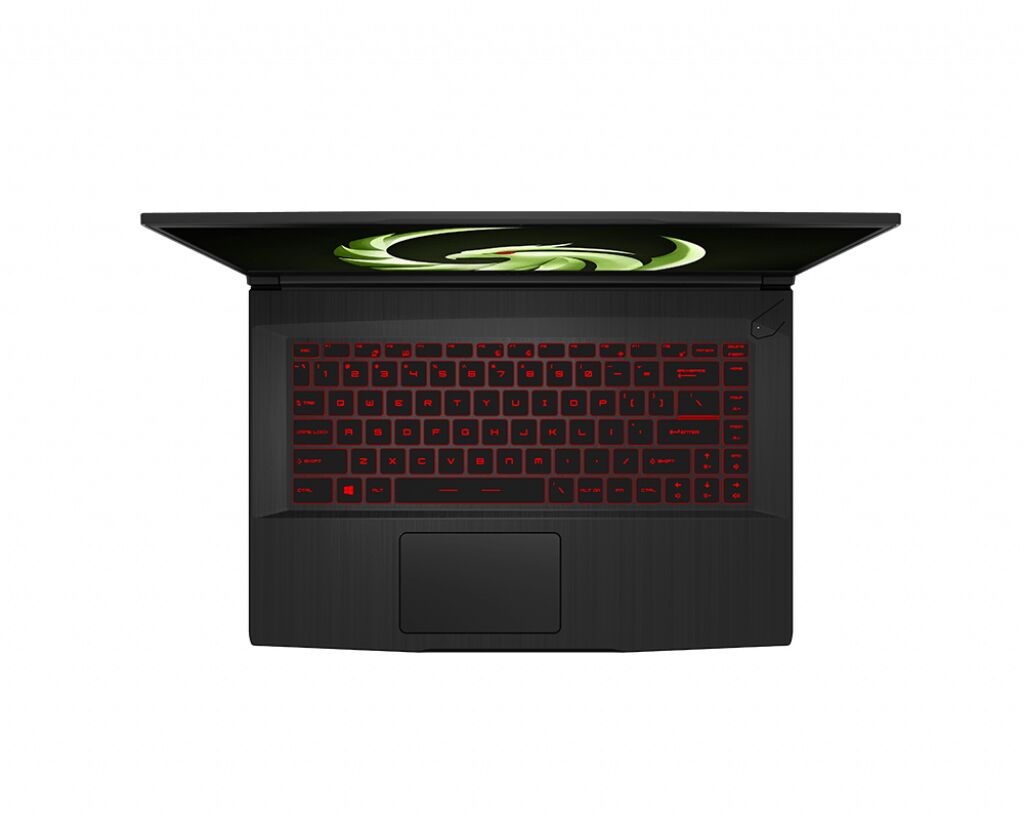
MSI Bravo 15 A4DDR-048FR laptop RAM upgrade specifications include two SO-DIMM memory slots supporting DDR4-SDRAM at 3200 MHz frequency. Maximum memory capacity reaches 64 GB total. Compatible RAM modules must utilize SO-DIMM form factor specifications for proper installation. Upgrade options allow installation of additional memory modules in available slots to enhance system performance and multitasking capabilities.
Memory Upgrade Specifications
| Specification | Value |
|---|---|
| Memory slots | 2x SO-DIMM |
| Form factor | SO-DIMM |
| Memory type | DDR4-SDRAM |
| Frequency | 3200 MHz |
| Maximum RAM | 64 GB |
| Voltage | 1.2V |
| Number of pins | 260-pin |
| Interface | PC4 |
| PC Speed Rating | PC4-3200 (PC4-25600) |
| Bandwidth | 25.6 GB/s |
| Laptop Release date | 22 August 2020 |
Additional Notes
- The MSI Bravo 15 A4DDR-048FR supports dual-channel memory architecture through its 2 SO-DIMM slots, enabling doubled theoretical bandwidth compared to single-channel configurations when populated with matched pairs.
- The 64 GB maximum capacity requires 2 modules of 32 GB each, which may limit availability and increase cost compared to more common 16 GB density modules.
- The 3200 MHz specification represents the official speed rating, though actual operating frequency depends on CPU memory controller capabilities and may run at lower JEDEC fallback speeds if modules exceed platform specifications.
- SO-DIMM form factor restricts compatibility to notebook-specific modules measuring approximately 69.6 mm in length, making standard desktop DIMM modules physically incompatible regardless of electrical specifications.
- Upgrading from factory-installed configurations typically requires accessing the bottom panel, where warranty seals may be present depending on regional regulations and manufacturer policies.
- Mixed-capacity configurations (such as 8 GB plus 16 GB modules) will function but may prevent dual-channel operation on the portion exceeding the smaller module's capacity, creating asymmetric memory access patterns.
- DDR4-3200 modules with higher SPD profiles (such as XMP) may default to JEDEC standard speeds unless BIOS supports and enables performance profiles, which varies by platform implementation.
- CAS latency variations among DDR4-3200 modules affect real-world access times, with CL22 modules exhibiting approximately 13.75 nanoseconds first-word latency versus 12.5 nanoseconds for CL20 variants.
- The platform lacks support for DDR5 or other memory technologies, establishing a fixed upgrade ceiling that cannot be extended through future module releases.
- Voltage requirements standardize at 1.2V for DDR4 modules, though some performance-oriented modules specify 1.35V operation which may cause stability issues if platform voltage regulation differs.