MSI Bravo 15 A4DDR-258FR RAM upgrade specifications


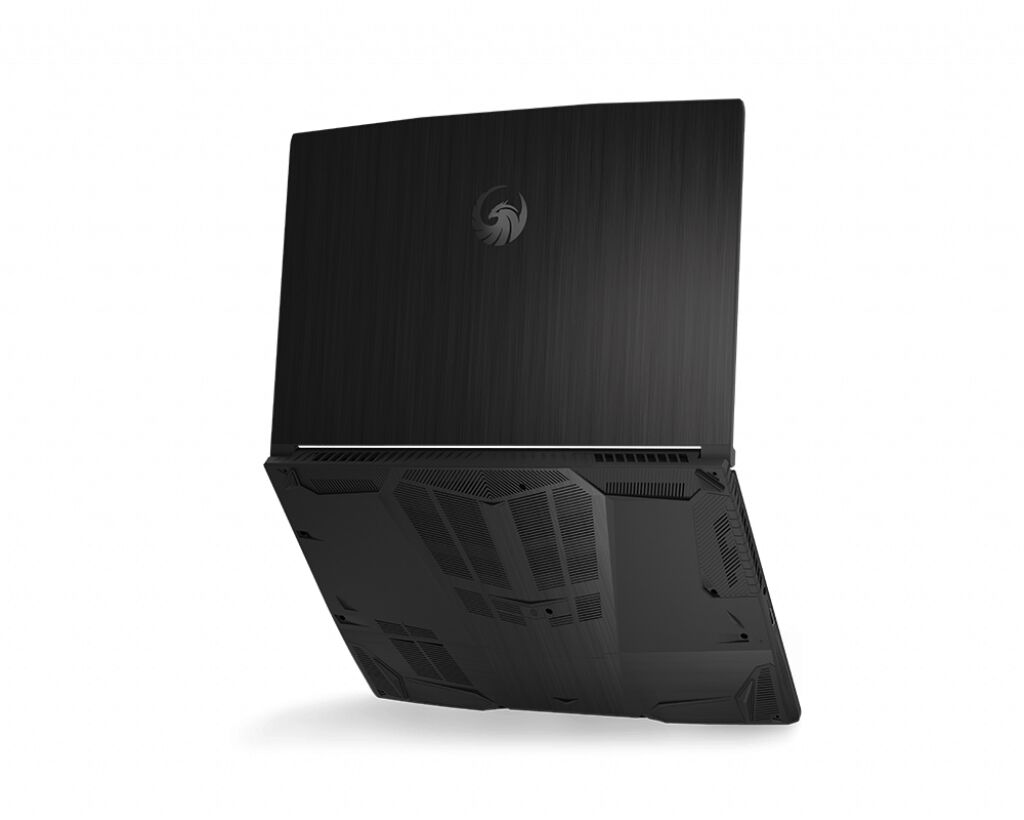
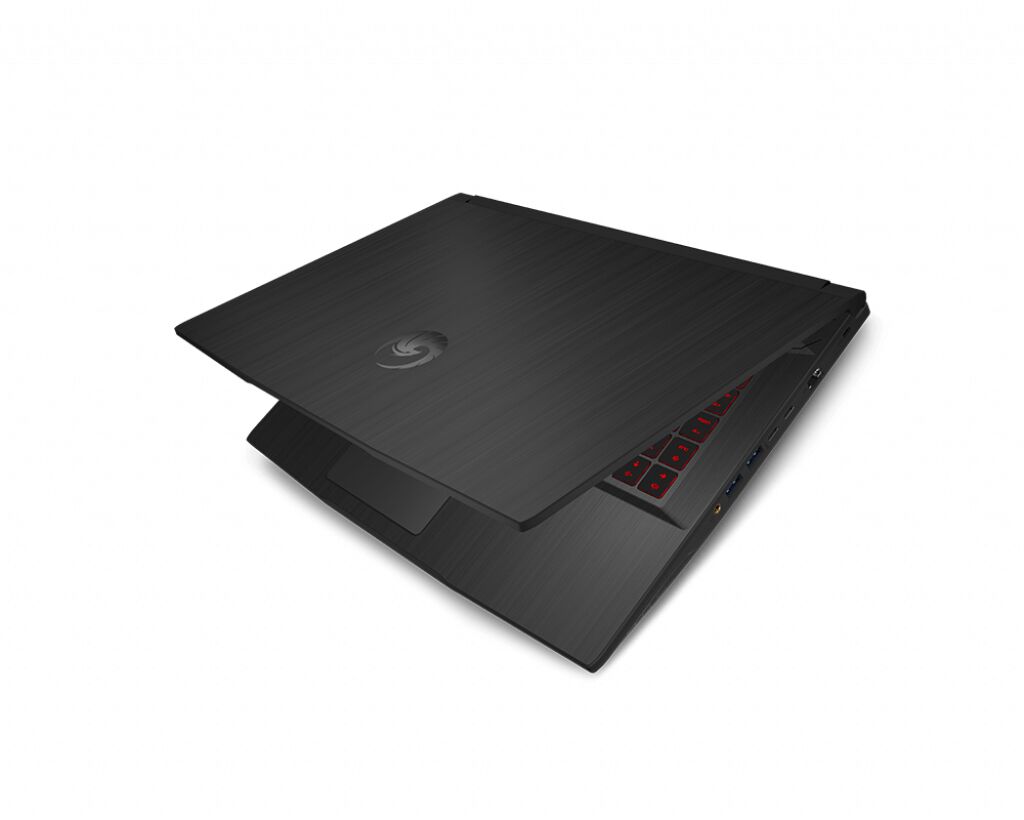
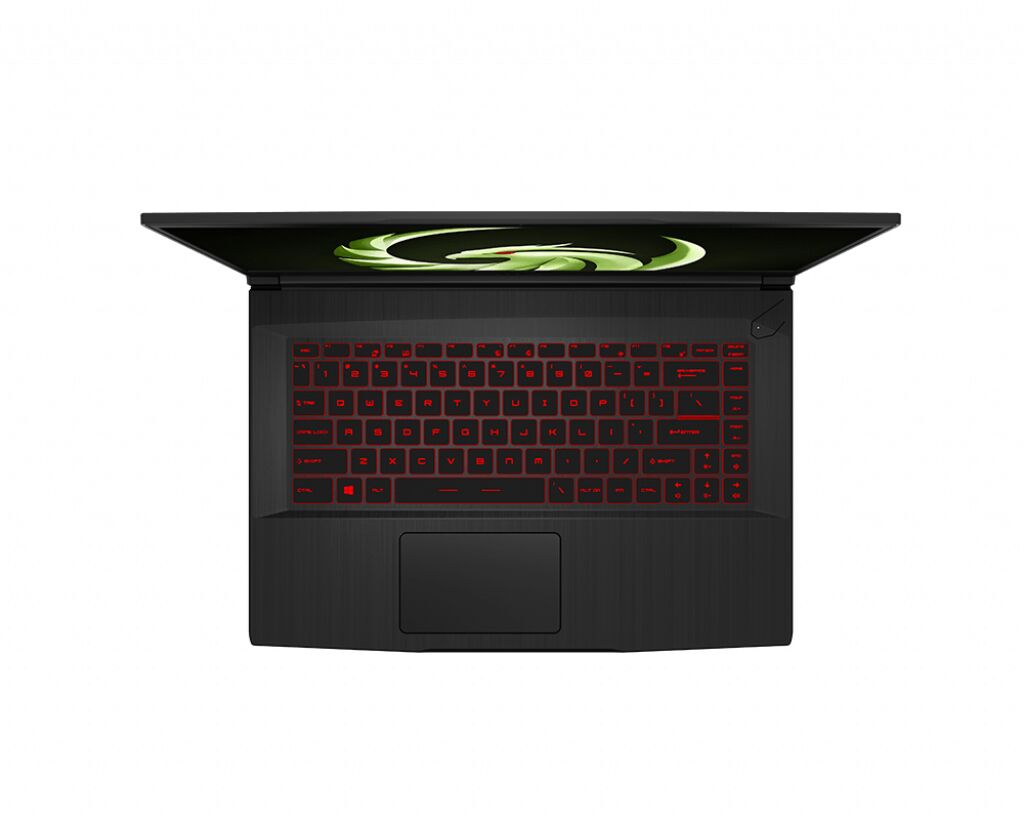
The MSI Bravo 15 A4DDR-258FR laptop features DDR4-SDRAM memory upgrade specifications with two SO-DIMM slots supporting a maximum RAM capacity of 64 GB. Compatible memory modules operate at 3200 MHz frequency. The upgrade slots accommodate standard SO-DIMM form factor components, enabling users to expand the system's memory capacity from the factory configuration. Specifications detail the compatible memory type, available slots, and maximum supported capacity for RAM upgrades on the MSI 15 A4DDR-258FR model.
Memory Upgrade Specifications
| Specification | Value |
|---|---|
| Memory slots | 2x SO-DIMM |
| Form factor | SO-DIMM |
| Memory type | DDR4-SDRAM |
| Frequency | 3200 MHz |
| Maximum RAM | 64 GB |
| Voltage | 1.2V |
| Number of pins | 260-pin |
| Interface | PC4 |
| PC Speed Rating | PC4-3200 (PC4-25600) |
| Bandwidth | 25.6 GB/s |
| Laptop Release date | 19 February 2021 |
Additional Notes
- The MSI Bravo 15 A4DDR-258FR supports dual-channel memory architecture through its 2 SO-DIMM slots, enabling bandwidth doubling when populated with matched modules.
- At 3200 MHz, the memory controller operates at PC4-25600 standard, delivering 25.6 GB/s theoretical bandwidth per channel or 51.2 GB/s in dual-channel configuration.
- The 64 GB ceiling requires 32 GB modules per slot, which necessitates dual-rank DIMM architecture that may introduce slight latency overhead compared to single-rank configurations.
- DDR4-3200 modules rated at higher speeds will downclock to match the 3200 MHz specification enforced by the system's memory controller.
- SO-DIMM physical constraints require modules no taller than 30 mm, excluding certain high-profile heat spreader designs common in desktop memory.
- Non-ECC unbuffered modules are required, as registered or ECC variants will cause POST failure or refuse initialization.
- Mixing different module capacities across slots will function but forces single-channel operation beyond the capacity of the smaller module, reducing effective bandwidth.
- Access to memory slots typically requires bottom panel removal, which may involve breaking warranty seals depending on regional warranty policies.
- CAS latency variations between CL22 and CL16 at 3200 MHz produce measurable differences in memory-sensitive workloads, though all compatible latencies will operate within specification.
- Voltage requirements remain fixed at 1.2V standard for DDR4, with XMP profiles ignored in most laptop implementations including this platform.