MSI Bravo 15 B5DD-007XES RAM upgrade specifications


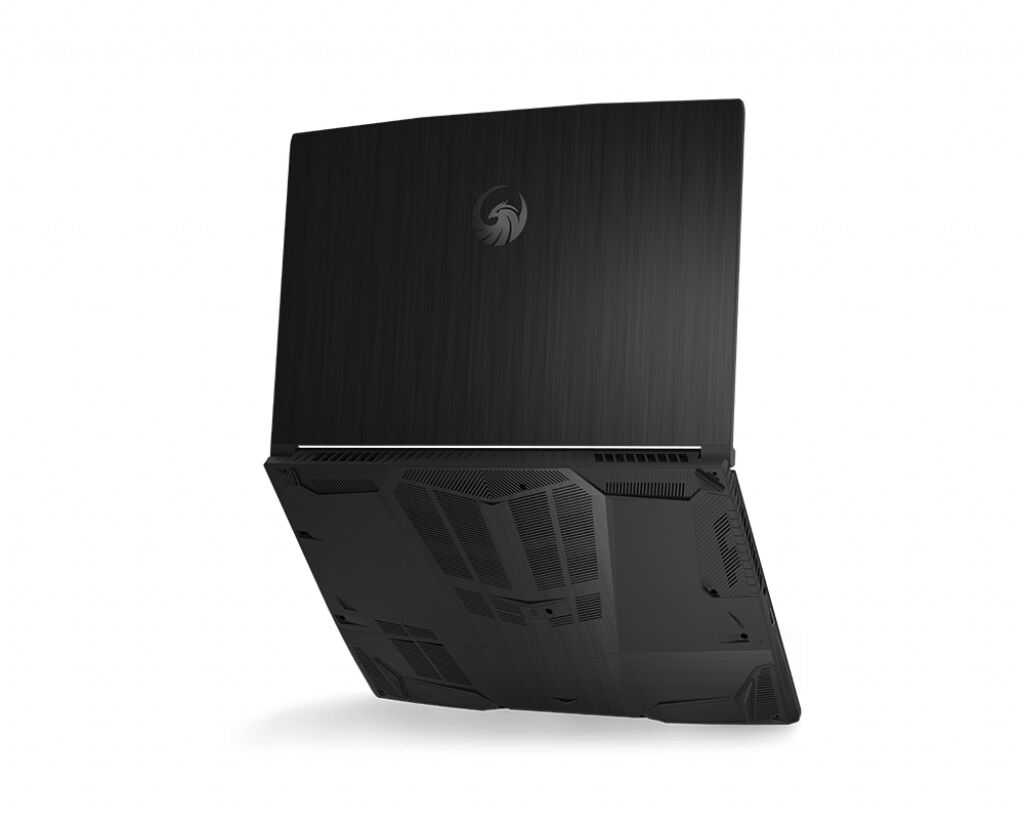
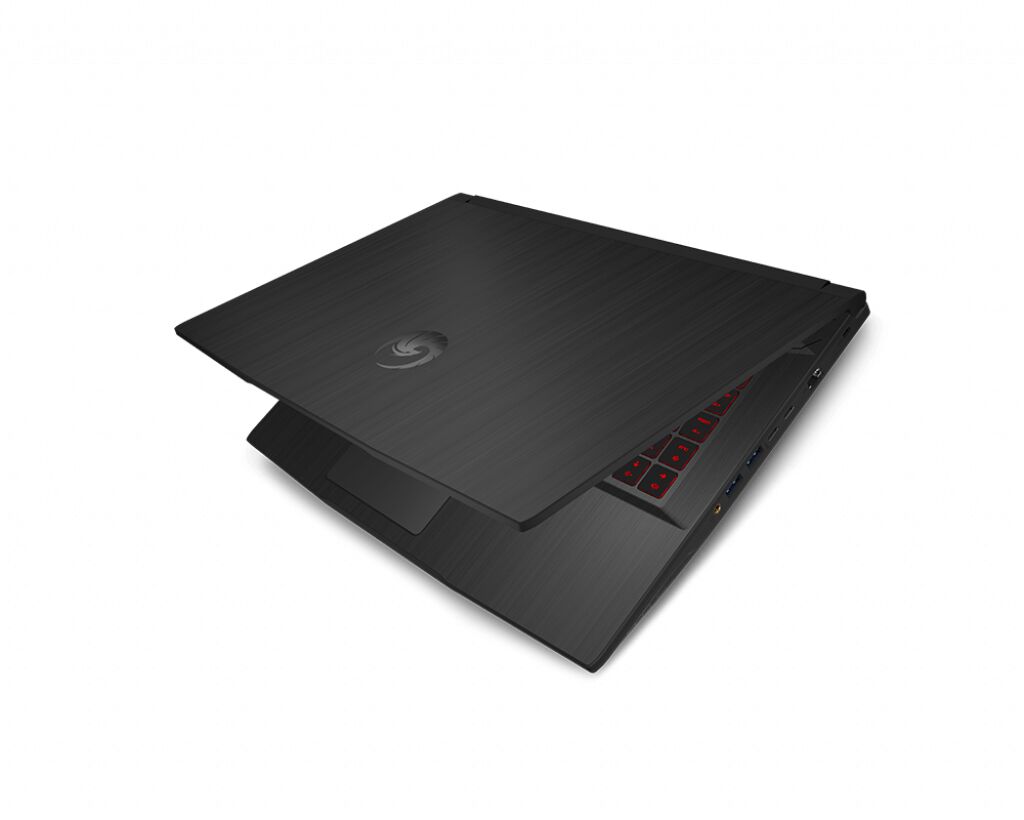
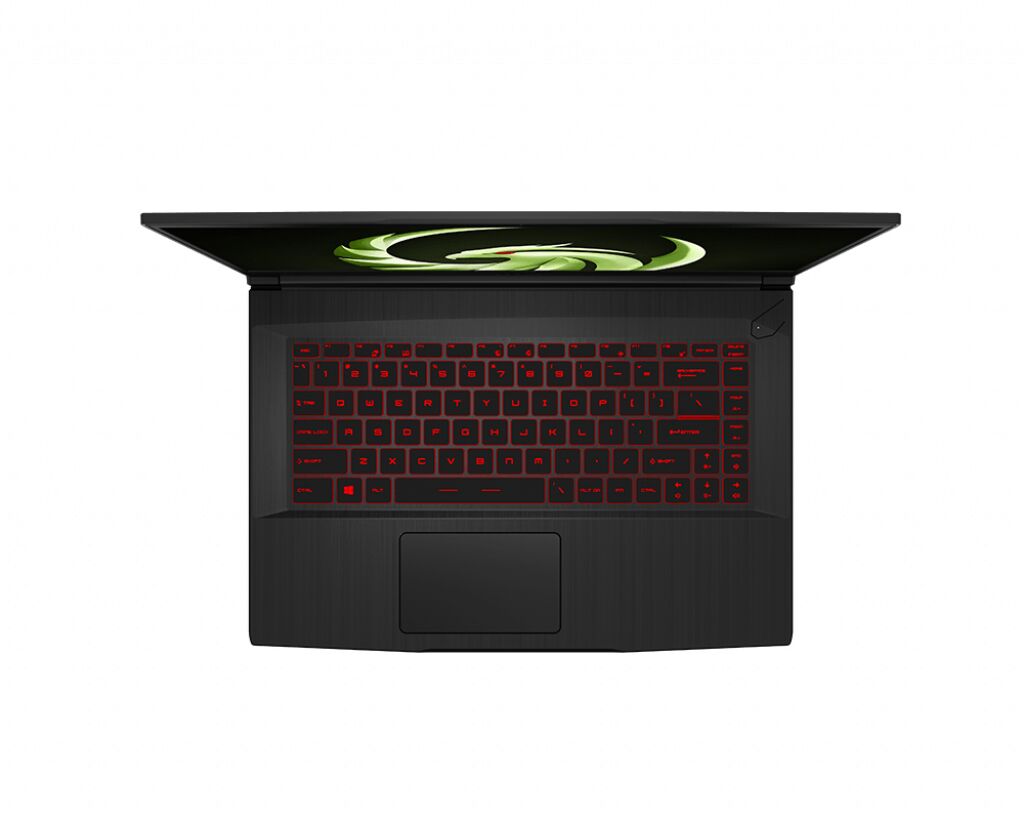
MSI Bravo 15 B5DD-007XES laptop features DDR4-SDRAM memory upgrade specifications with two SO-DIMM slots supporting maximum capacity of 64 GB. Compatible RAM upgrades operate at 3200 MHz frequency. Current memory configuration and available slots determine upgrade compatibility for this MSI Bravo series model. DDR4 SO-DIMM modules constitute the memory standard for RAM expansion on the 15 B5DD-007XES platform.
Memory Upgrade Specifications
| Specification | Value |
|---|---|
| Memory slots | 2x SO-DIMM |
| Form factor | SO-DIMM |
| Memory type | DDR4-SDRAM |
| Frequency | 3200 MHz |
| Maximum RAM | 64 GB |
| Voltage | 1.2V |
| Number of pins | 260-pin |
| Interface | PC4 |
| PC Speed Rating | PC4-3200 (PC4-25600) |
| Bandwidth | 25.6 GB/s |
| Laptop Release date | 19 May 2021 |
Additional Notes
- The MSI Bravo 15 B5DD-007XES contains 2 SO-DIMM slots operating at 3200 MHz, which limits concurrent memory bandwidth compared to desktop-class DDR4 systems running at higher frequencies or quad-channel architectures.
- DDR4-3200 SO-DIMMs are widely available at standard pricing, reducing supply-chain risk for warranty-compliant replacements or future capacity increases.
- The 64 GB theoretical maximum indicates support for 32 GB modules in each slot, though field compatibility may vary by BIOS revision; verification against the manufacturer's approved memory list before purchase mitigates incompatibility and boot failures.
- Single-rank versus dual-rank module configurations will affect latency and throughput differently; mixed-rank configurations may trigger suboptimal performance or require manual timing adjustments in firmware.
- SO-DIMM form factor requires removal of bottom panel access covers; internal thermal design near memory slots may restrict heatspreader height on aftermarket modules, potentially causing clearance conflicts.
- Adding capacity to both slots simultaneously introduces asymmetrical thermal loading; existing thermal pads or direct contact with heat dissipation structures could degrade over time if new modules generate different heat signatures.
- Memory configuration changes may require BIOS update cycles to enable XMP/DOCP profiles; stability testing under load is necessary before production use to validate voltage and timing parameters.