MSI Bravo 15 B5DD-228NL RAM upgrade specifications

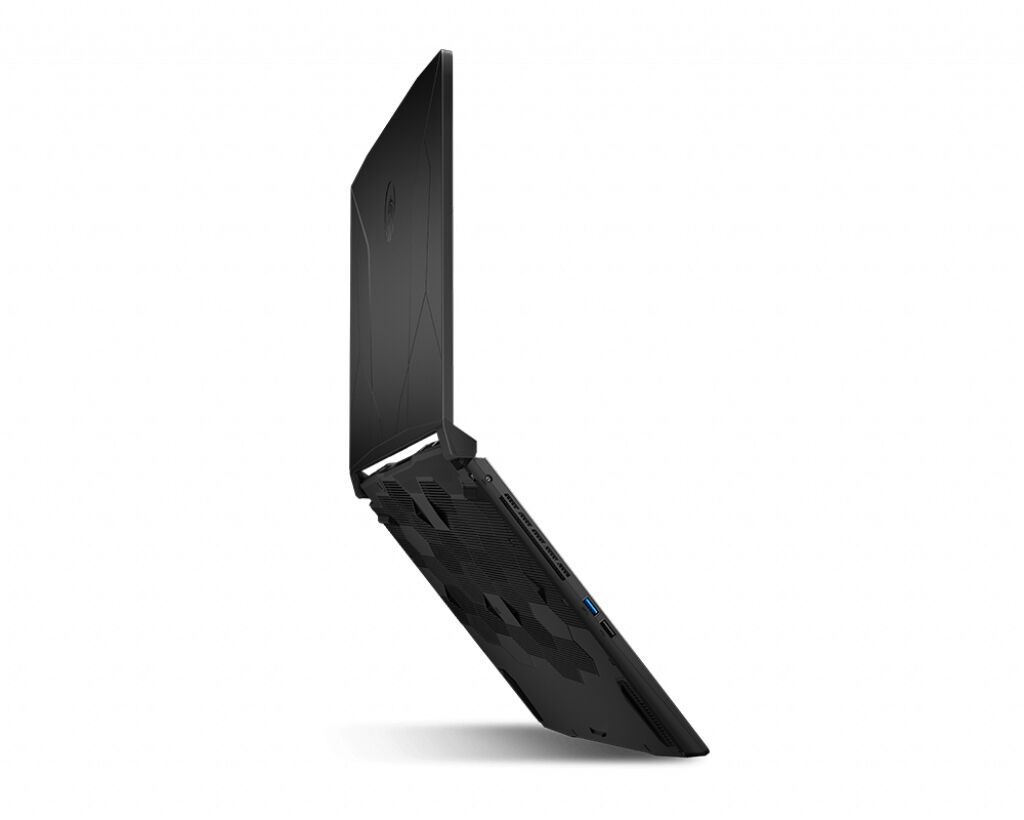
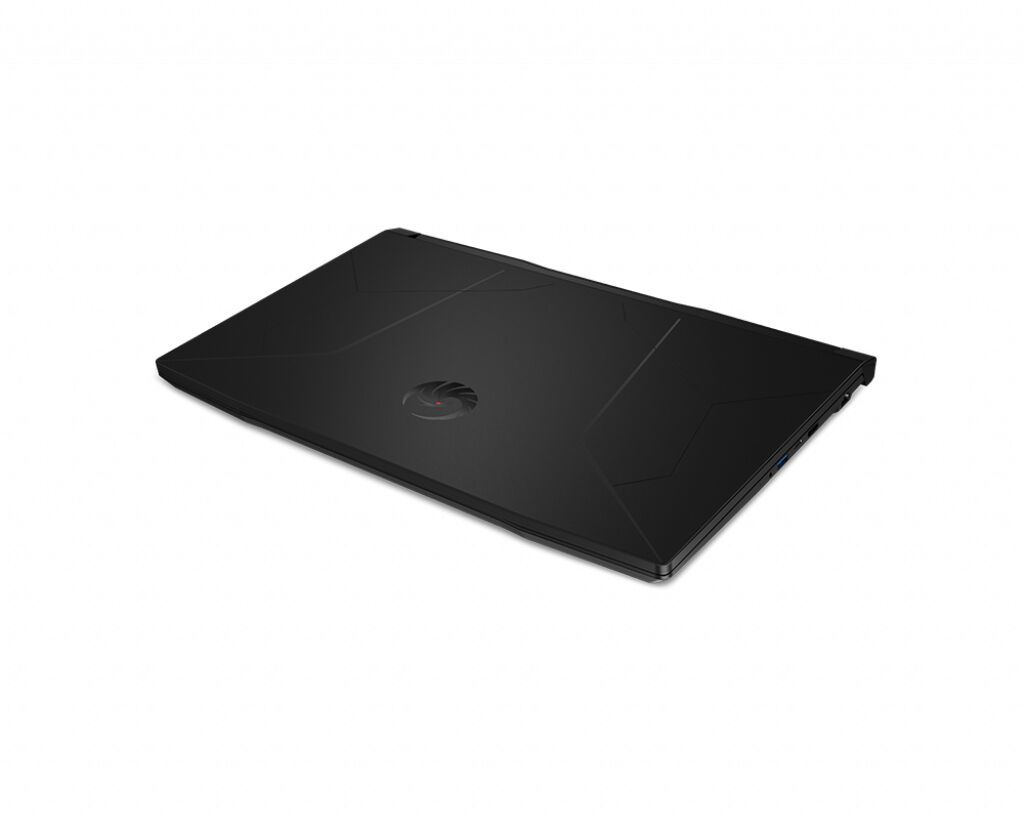
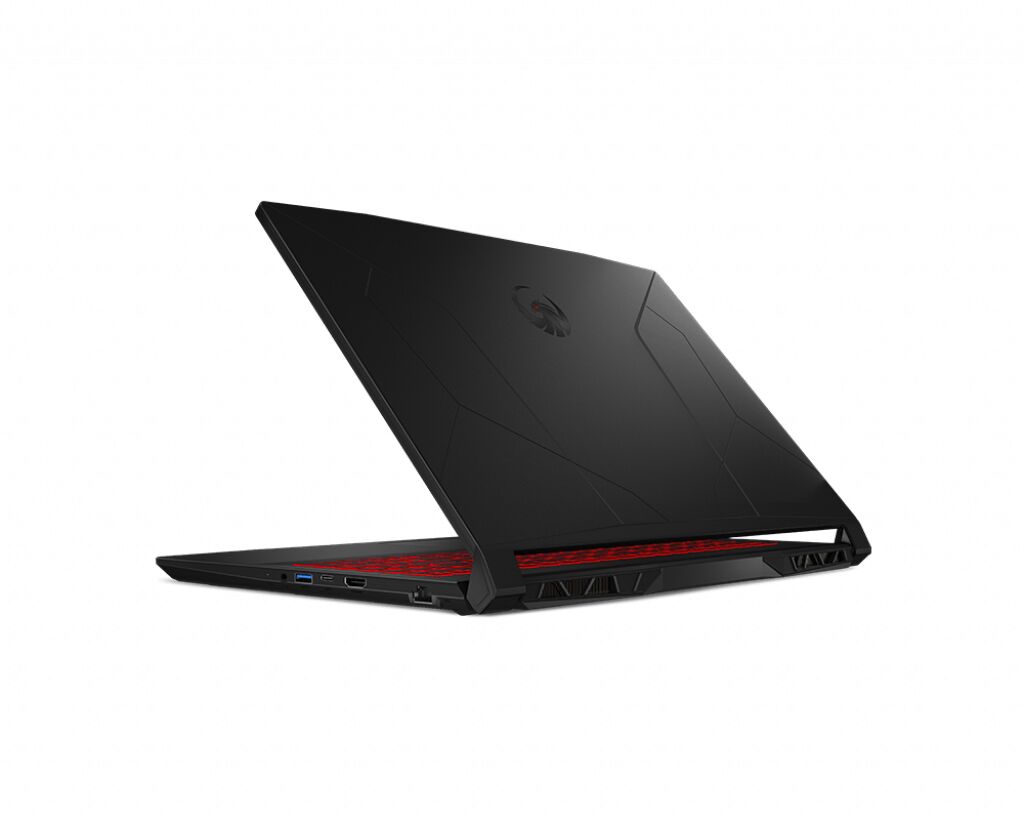
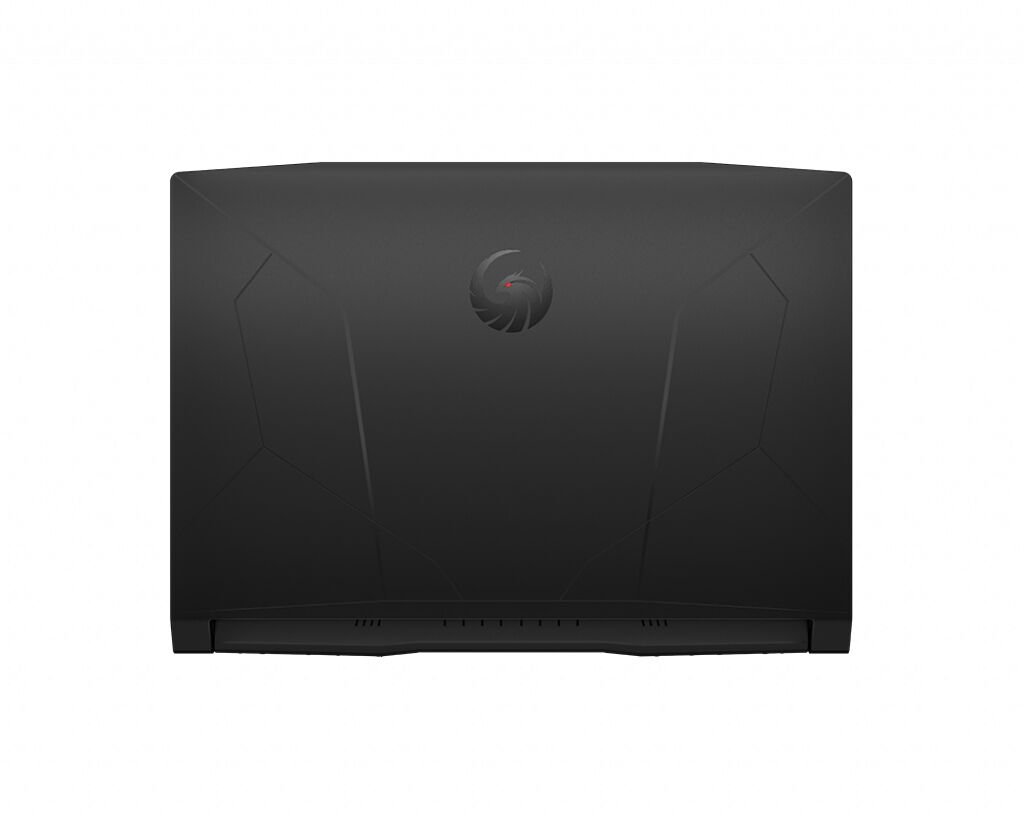
MSI Bravo 15 B5DD-228NL laptop supports DDR4-SDRAM memory upgrades with two SO-DIMM slots. Maximum RAM capacity reaches 64 GB total. Compatible memory modules operate at 3200 MHz frequency. Upgrade specifications indicate SO-DIMM form factor for memory expansion. Current configuration allows for RAM upgrade compatibility with DDR4 specifications matching the laptop's motherboard requirements.
Memory Upgrade Specifications
| Specification | Value |
|---|---|
| Memory slots | 2x SO-DIMM |
| Form factor | SO-DIMM |
| Memory type | DDR4-SDRAM |
| Frequency | 3200 MHz |
| Maximum RAM | 64 GB |
| Voltage | 1.2V |
| Number of pins | 260-pin |
| Interface | PC4 |
| PC Speed Rating | PC4-3200 (PC4-25600) |
| Bandwidth | 25.6 GB/s |
| Laptop Release date | 01 October 2021 |
Additional Notes
- The MSI Bravo 15 B5DD-228NL utilizes DDR4-3200 modules, which require 1.2V operation compared to older DDR3's 1.5V, preventing any cross-generation compatibility.
- SO-DIMM modules measure 67.6mm in length versus standard DIMM's 133.35mm, requiring laptop-specific memory modules that cannot be substituted with desktop components.
- The 2 slot configuration means capacity upgrades require replacing existing modules rather than simply adding to empty slots if both are already populated.
- 64 GB maximum capacity indicates chipset and BIOS support for 32 GB density modules, which use dual-rank architecture and may impact performance differently than single-rank lower-capacity modules.
- 3200 MHz native frequency operates on JEDEC standard timings without requiring overclocking profiles, maintaining warranty coverage during upgrades.
- DDR4-3200 provides 25.6 GB/s theoretical bandwidth per module, totaling 51.2 GB/s in dual-channel configuration when both slots contain matched specifications.
- Mixing module capacities across the 2 slots forces the memory controller into flex mode or asymmetric dual-channel, reducing bandwidth on the portion exceeding the smaller module's capacity.
- Non-ECC unbuffered memory is required for consumer laptop platforms, as registered or ECC modules will either fail POST or operate with error correction disabled.
- CAS latency tolerance varies by manufacturer, but modules rated CL22 represent the JEDEC baseline for 3200 MHz, while CL16-CL20 variants require XMP support that may not be enabled in OEM BIOS.
- Installation requires accessing the bottom panel service door, which typically voids seals but not statutory warranty rights under most consumer protection regulations.
- The memory controller's maximum supported speed determines actual operating frequency, meaning faster modules will downclock to 3200 MHz rather than operate at their rated specifications.
- Thermal considerations apply when reaching 64 GB total capacity, as higher-density modules generate more heat in confined laptop chassis compared to lower-capacity configurations.