MSI Bravo 15 B5DD-230NL RAM upgrade specifications

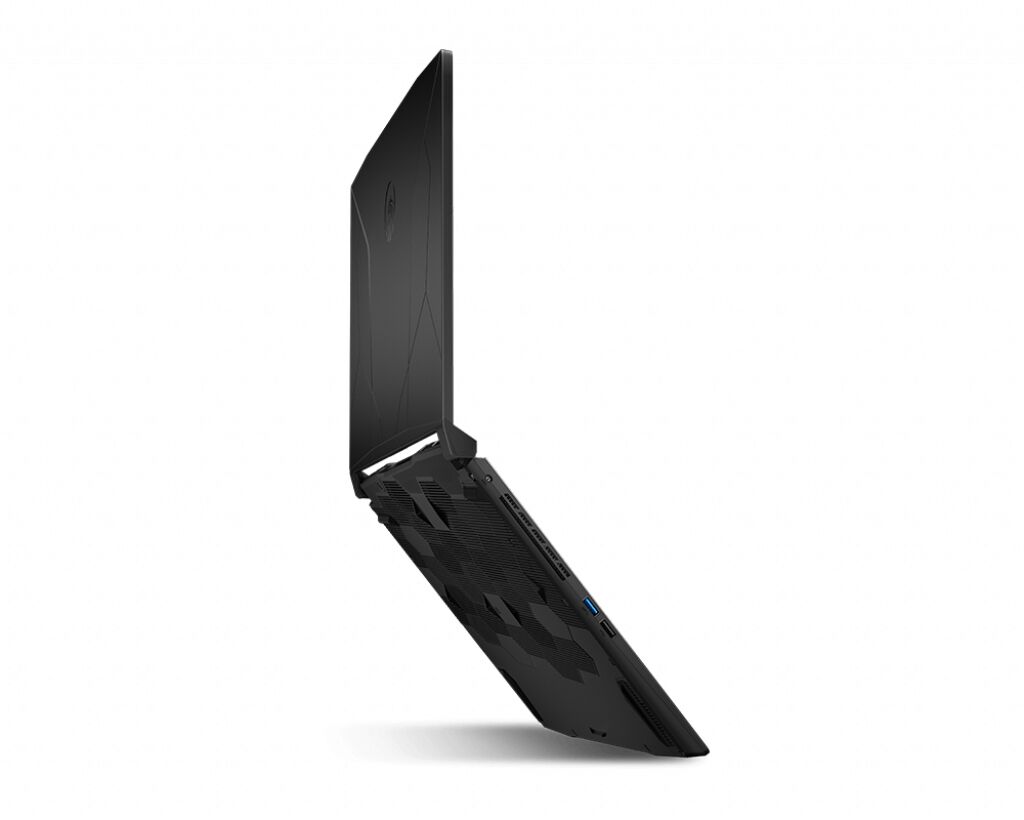
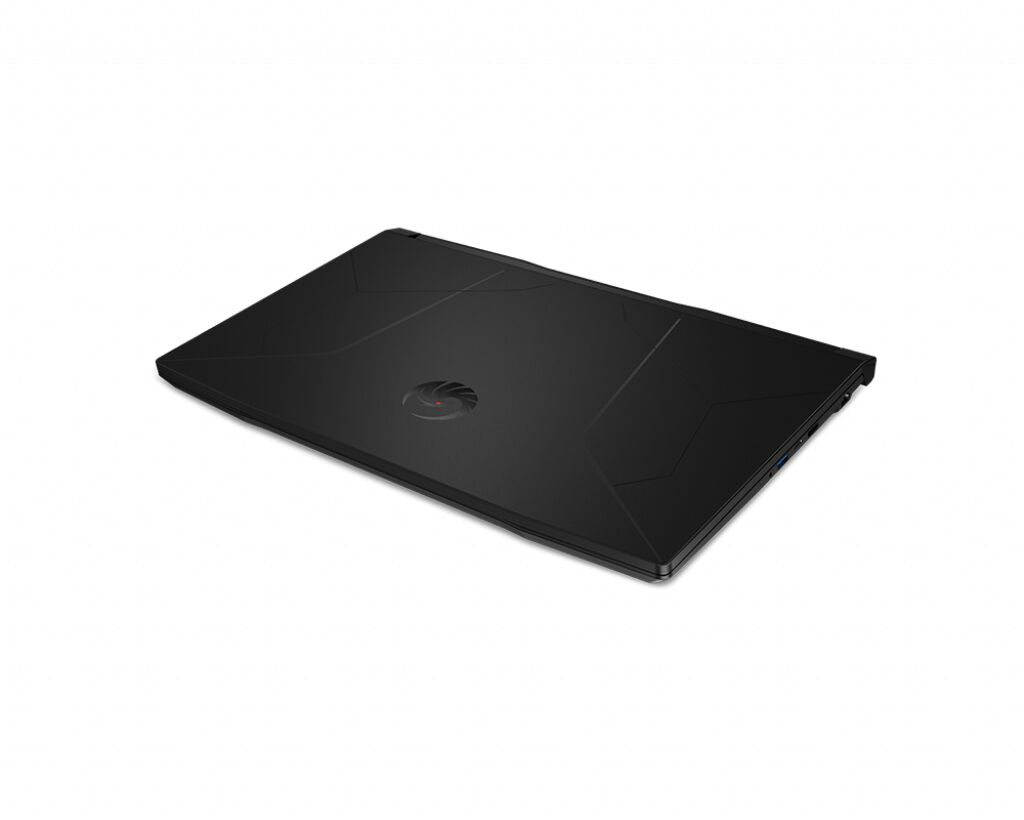

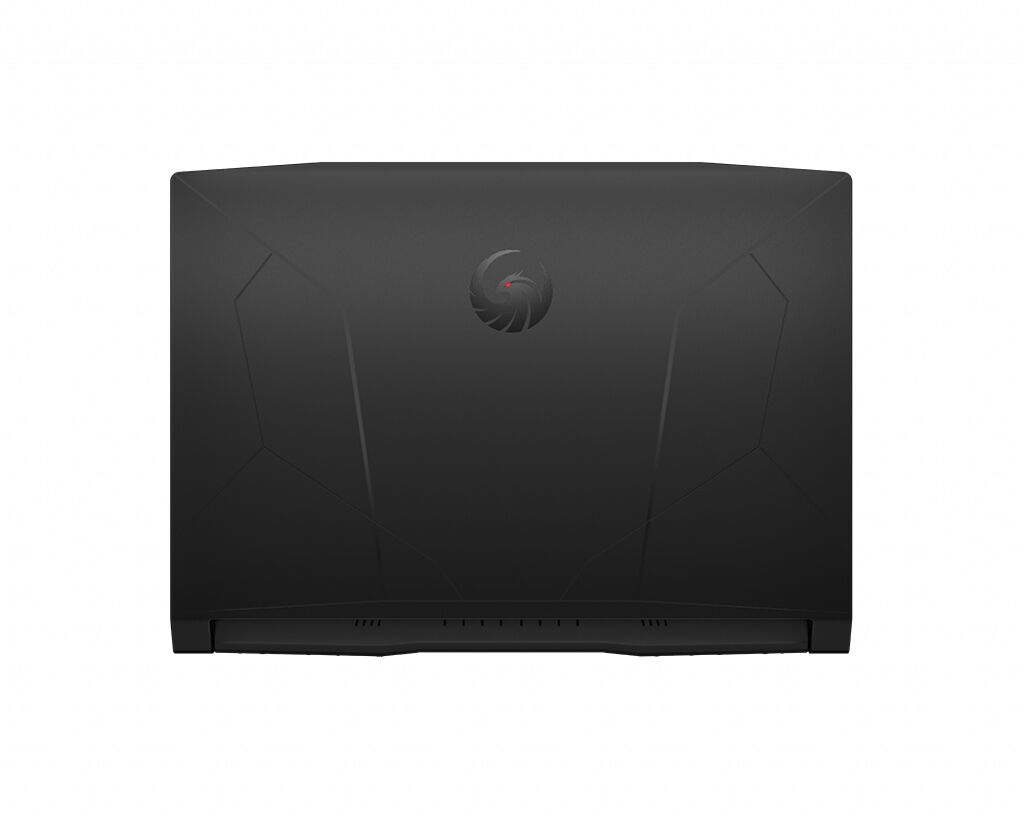
The MSI Bravo 15 B5DD-230NL laptop features DDR4-SDRAM memory upgrade capabilities with two SO-DIMM slots supporting maximum capacity of 64 GB. The memory specifications include DDR4 modules operating at 3200 MHz frequency. Compatible RAM upgrades utilize SO-DIMM form factor, enabling users to expand from the original configuration up to the maximum supported capacity. Specifications confirm the Bravo series 15 model accommodates dual memory slots for modular upgrades.
Memory Upgrade Specifications
| Specification | Value |
|---|---|
| Memory slots | 2x SO-DIMM |
| Form factor | SO-DIMM |
| Memory type | DDR4-SDRAM |
| Frequency | 3200 MHz |
| Maximum RAM | 64 GB |
| Voltage | 1.2V |
| Number of pins | 260-pin |
| Interface | PC4 |
| PC Speed Rating | PC4-3200 (PC4-25600) |
| Bandwidth | 25.6 GB/s |
| Laptop Release date | 01 October 2021 |
Additional Notes
- The MSI Bravo 15 B5DD-230NL uses laptop-class SO-DIMM slots, which means memory modules cannot be interchanged with desktop DDR4 components despite matching frequency specifications.
- With 2 slots populated and 64 GB maximum capacity, each slot accepts 32 GB modules at 3200 MHz. Uneven configuration (e.g., 16 GB + 32 GB) forces the system to operate both channels in single-channel mode on the larger capacity module, reducing effective bandwidth.
- DDR4-3200 support indicates the memory controller operates at this speed specification. Modules rated higher than 3200 MHz will function but downclock to 3200 MHz, eliminating speed advantages while consuming additional power.
- SO-DIMM physical constraints limit module length to 67.6 mm. Tall heat spreaders or RGB lighting components found on gaming-oriented DDR4 modules may obstruct battery compartment closure or adjacent components.
- The 2-slot architecture means no expansion capacity exists beyond 64 GB total. Exceeding this capacity requires removing existing modules entirely rather than supplementing them.
- Warranty terms typically permit RAM upgrades without restrictions when performed by the end-user. However, mixing original equipment modules with aftermarket additions may complicate troubleshooting procedures if stability issues arise.