MSI Bravo 15 B5DD-413MX RAM upgrade specifications

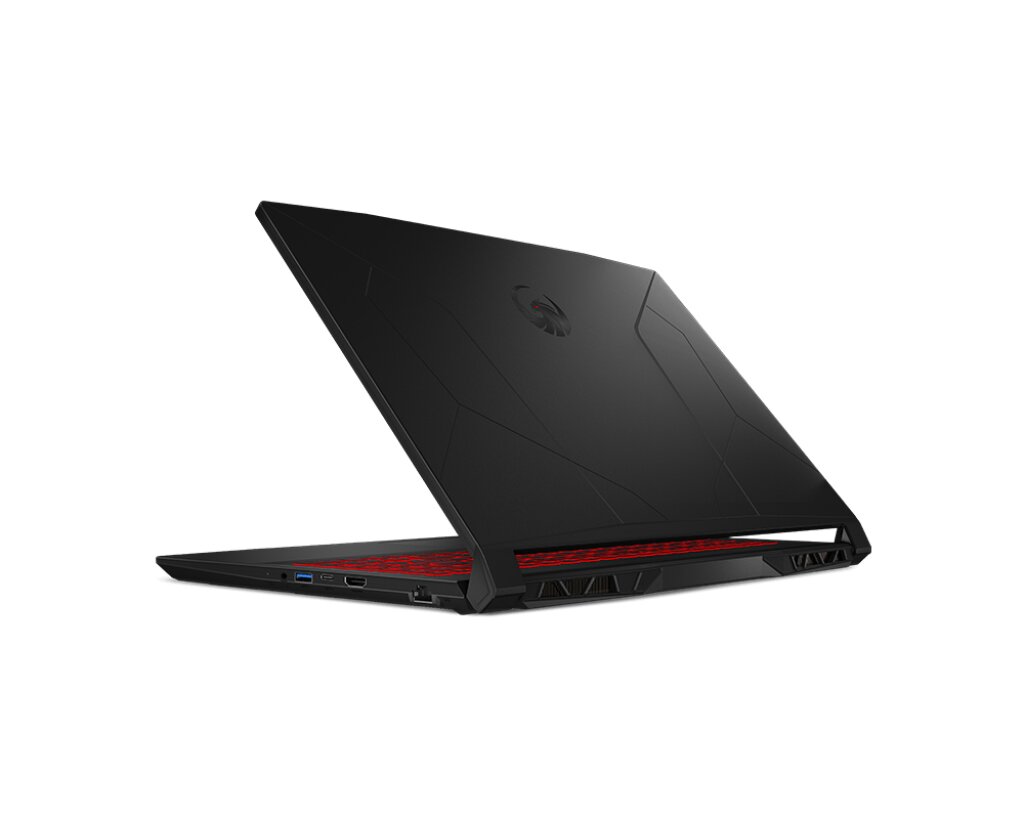
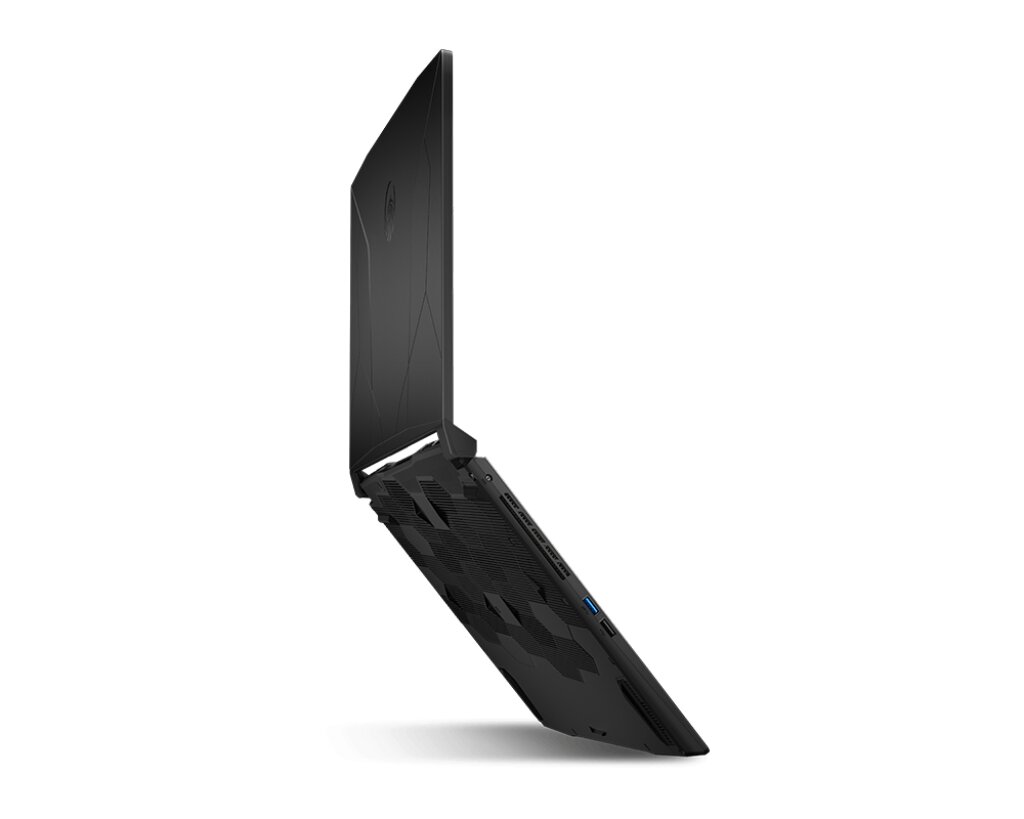
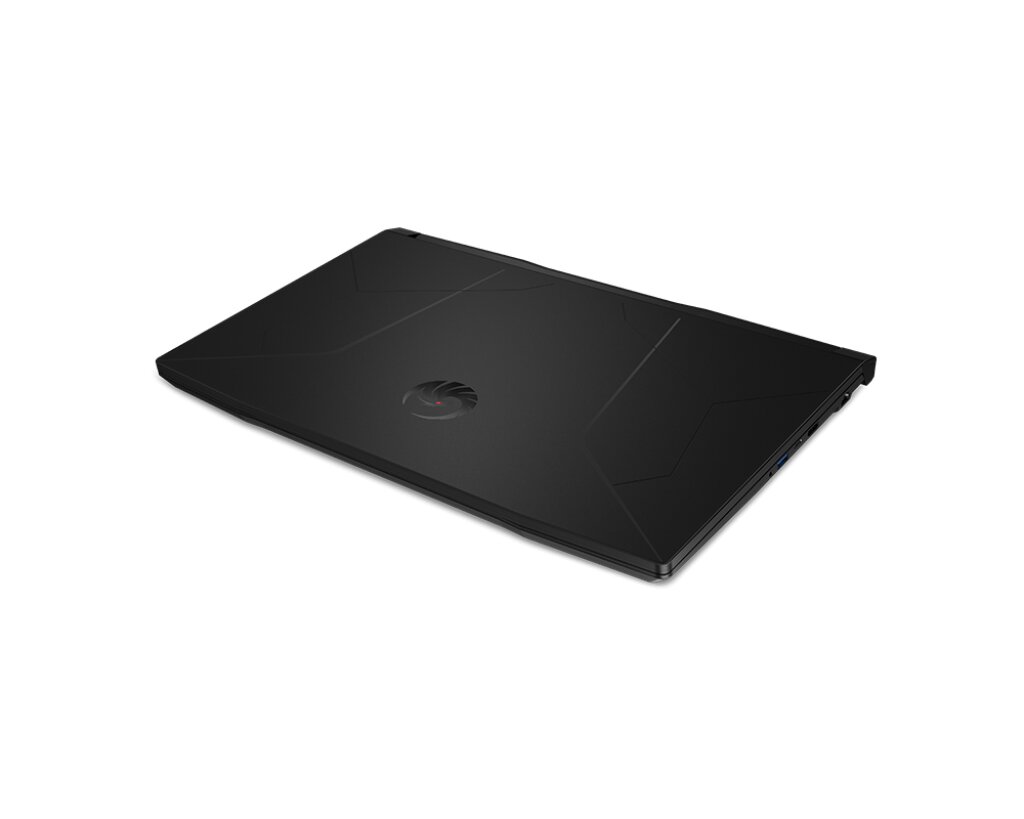
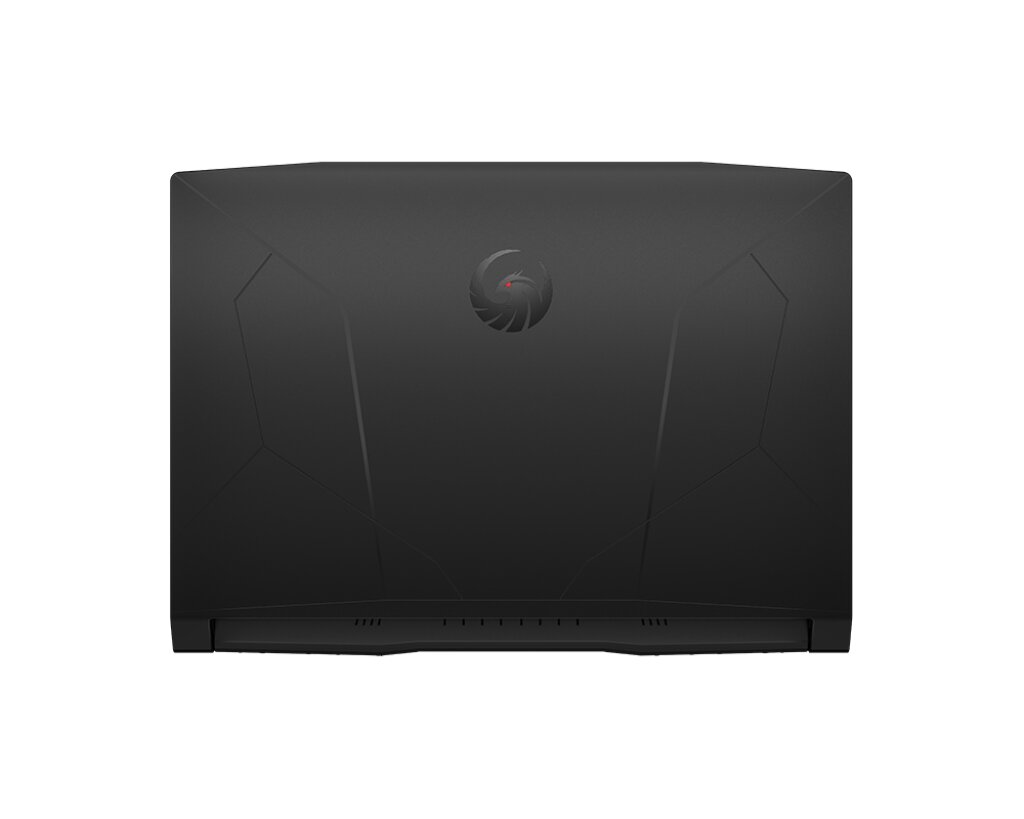
MSI Bravo 15 B5DD-413MX laptop RAM upgrade specifications include two SO-DIMM memory slots supporting DDR4-SDRAM modules. Maximum compatible RAM capacity reaches 64 GB total, with memory operating at 3200 MHz frequency. Each slot accommodates standard SO-DIMM form factor components. Specifications enable memory upgrades for enhanced multitasking performance on Bravo series 15-inch mobile workstations.
Memory Upgrade Specifications
| Specification | Value |
|---|---|
| Memory slots | 2x SO-DIMM |
| Form factor | SO-DIMM |
| Memory type | DDR4-SDRAM |
| Frequency | 3200 MHz |
| Maximum RAM | 64 GB |
| Voltage | 1.2V |
| Number of pins | 260-pin |
| Interface | PC4 |
| PC Speed Rating | PC4-3200 (PC4-25600) |
| Bandwidth | 25.6 GB/s |
| Laptop Release date | 16 December 2022 |
Additional Notes
- The MSI Bravo 15 B5DD-413MX dual-channel architecture requires paired modules of identical specifications to achieve optimal memory bandwidth, as mismatched capacities or timings force the system to operate at the lowest common denominator.
- SO-DIMM slots limit upgrade options to laptop-specific modules, which typically carry higher per-gigabyte costs and narrower availability compared to desktop DIMM equivalents.
- The 64 GB maximum capacity indicates chipset-level addressing constraints that cannot be exceeded through firmware updates or module overprovisioning.
- DDR4-3200 represents the officially validated speed ceiling, though the memory controller may automatically downclock faster modules to this frequency without performance penalty.
- Systems configured with single-channel memory at purchase will experience measurably reduced bandwidth in graphics-intensive workloads until a second module populates the vacant slot.
- Voltage requirements for DDR4 SO-DIMMs standardize at 1.2V, ensuring compatibility across manufacturers while preventing the insertion of incompatible DDR3L modules despite similar physical dimensions.
- Thermal constraints within the chassis may throttle sustained memory-intensive operations before reaching theoretical bandwidth limits, particularly when both slots operate at maximum capacity.
- User-accessible memory compartments in this model series typically preserve warranty coverage for self-installed modules, unlike soldered configurations that void service agreements upon chassis opening.
- The 3200 MHz frequency specification assumes JEDEC-standard timings, while XMP-profiled modules may require manual BIOS configuration to operate beyond base DDR4-2666 speeds.
- Mixing module capacities across the 2 slots maintains functionality but halves effective dual-channel bandwidth to the capacity of the smaller module, with remaining capacity reverting to slower single-channel mode.