MSI Bravo 15 B5ED-019XES RAM upgrade specifications

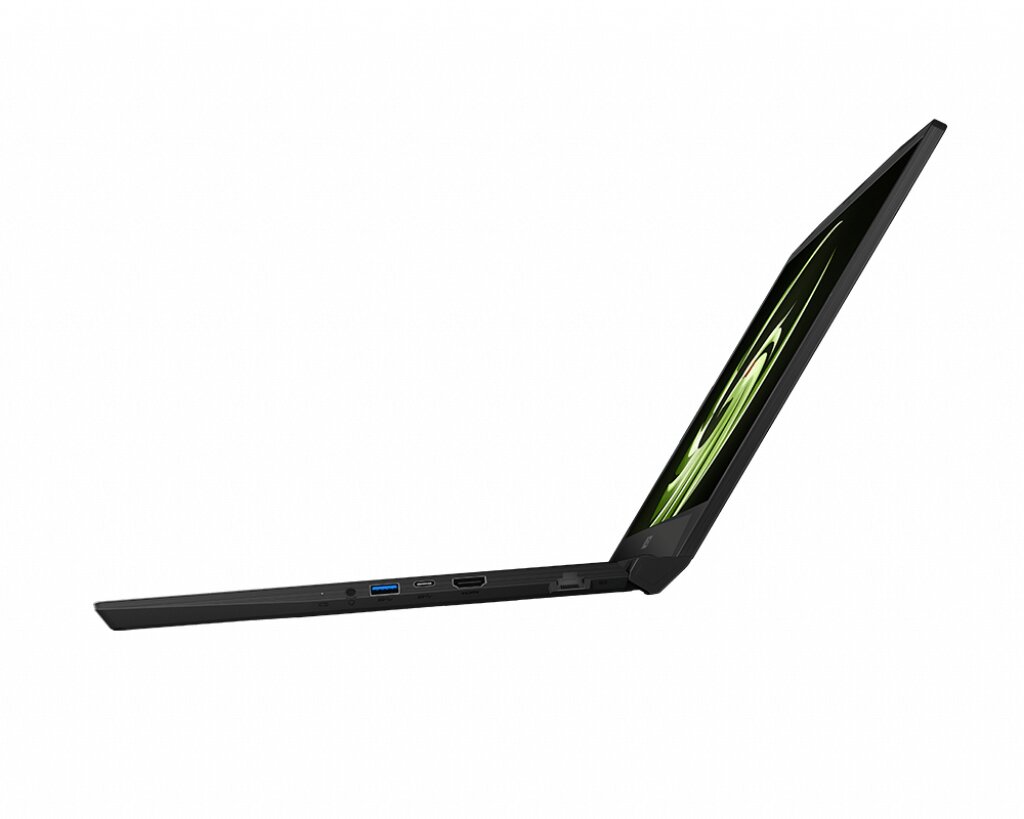


The MSI Bravo 15 B5ED-019XES features DDR4-SDRAM memory upgrade specifications with two SO-DIMM slots supporting maximum capacity of 64 GB. Compatible memory modules operate at 3200 MHz frequency. The laptop specifications allow for RAM upgrade configurations utilizing standard SO-DIMM form factor memory modules. Users requiring enhanced multitasking performance or demanding applications can expand the memory capacity within supported specifications and maximum memory limitations of the MSI 15 series system.
Memory Upgrade Specifications
| Specification | Value |
|---|---|
| Memory slots | 2x SO-DIMM |
| Form factor | SO-DIMM |
| Memory type | DDR4-SDRAM |
| Frequency | 3200 MHz |
| Maximum RAM | 64 GB |
| Voltage | 1.2V |
| Number of pins | 260-pin |
| Interface | PC4 |
| PC Speed Rating | PC4-3200 (PC4-25600) |
| Bandwidth | 25.6 GB/s |
| Laptop Release date | 14 November 2022 |
Additional Notes
- The MSI Bravo 15 B5ED-019XES contains 2 SO-DIMM slots operating at 3200 MHz, establishing a dual-channel architecture that distributes memory bandwidth evenly across both channels. Upgrading requires matching pairs to maintain this symmetry; single-module installations will force the system into single-channel mode, reducing effective bandwidth by approximately 50 percent.
- SO-DIMM form factor restricts upgrade options to laptop-specific modules; desktop DDR4 DIMMs are physically incompatible with the existing slots and will not install. This constraint eliminates potential cost savings from repurposing standard memory modules.
- The 64 GB maximum capacity ceiling limits expansion to 2x32 GB modules at 3200 MHz; any configuration exceeding this threshold will not function, preventing future memory-scaling beyond this threshold regardless of module availability.
- DDR4-3200 specifications establish compatibility requirements; modules rated below 3200 MHz will operate at reduced frequency, while higher-rated modules (DDR4-3600 or DDR4-4000) will downclock to the native 3200 MHz specification, negating speed premium investments.
- The 2-slot architecture eliminates redundancy; failure of a single module renders half the installed capacity inaccessible, with no failover mechanism. Full capacity loss requires replacement of both modules simultaneously in fault scenarios.
- SO-DIMM modules generate minimal thermal output compared to full-size DIMMs, but thermal cycling from upgrade and removal operations accelerates contact oxidation on slot connectors, potentially compromising future insertion reliability after repeated physical swaps.