MSI Creator 15 A10SFS-034MX RAM upgrade specifications
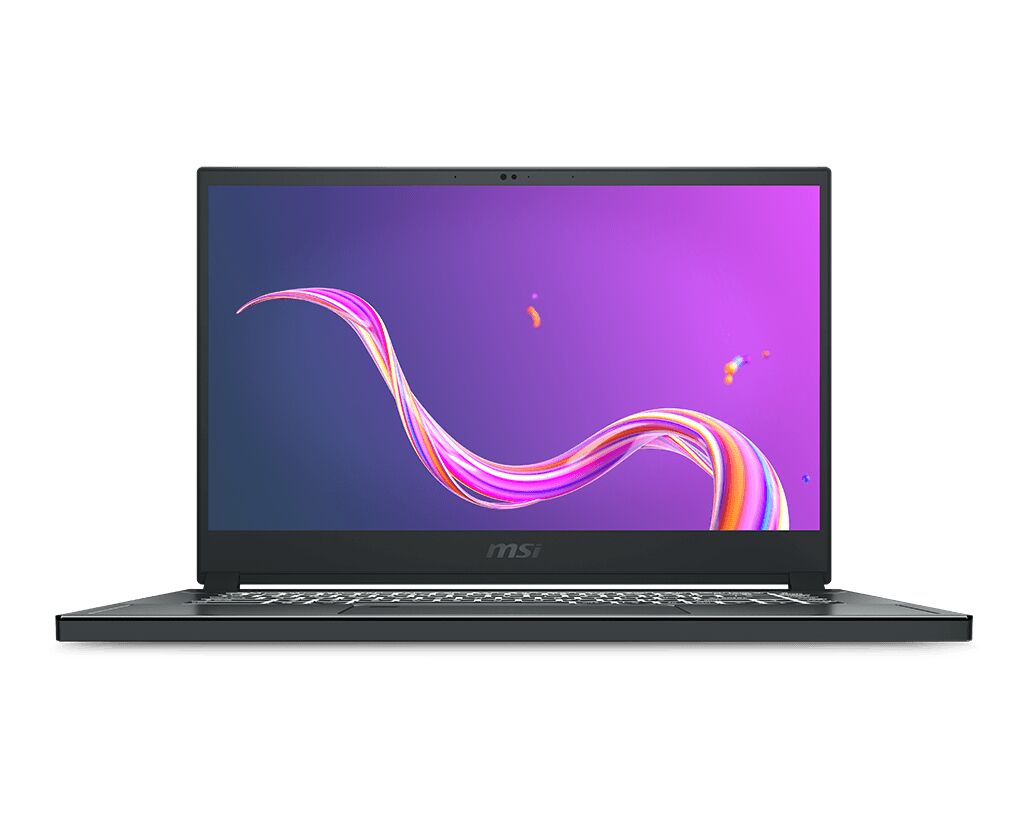
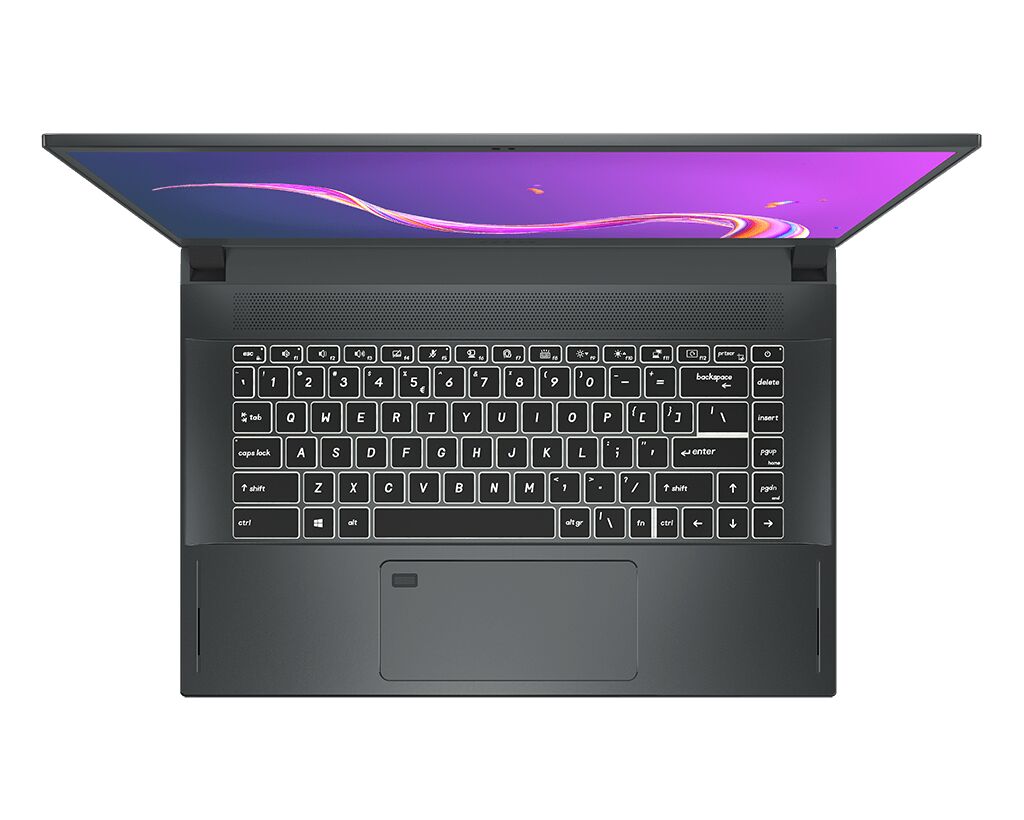

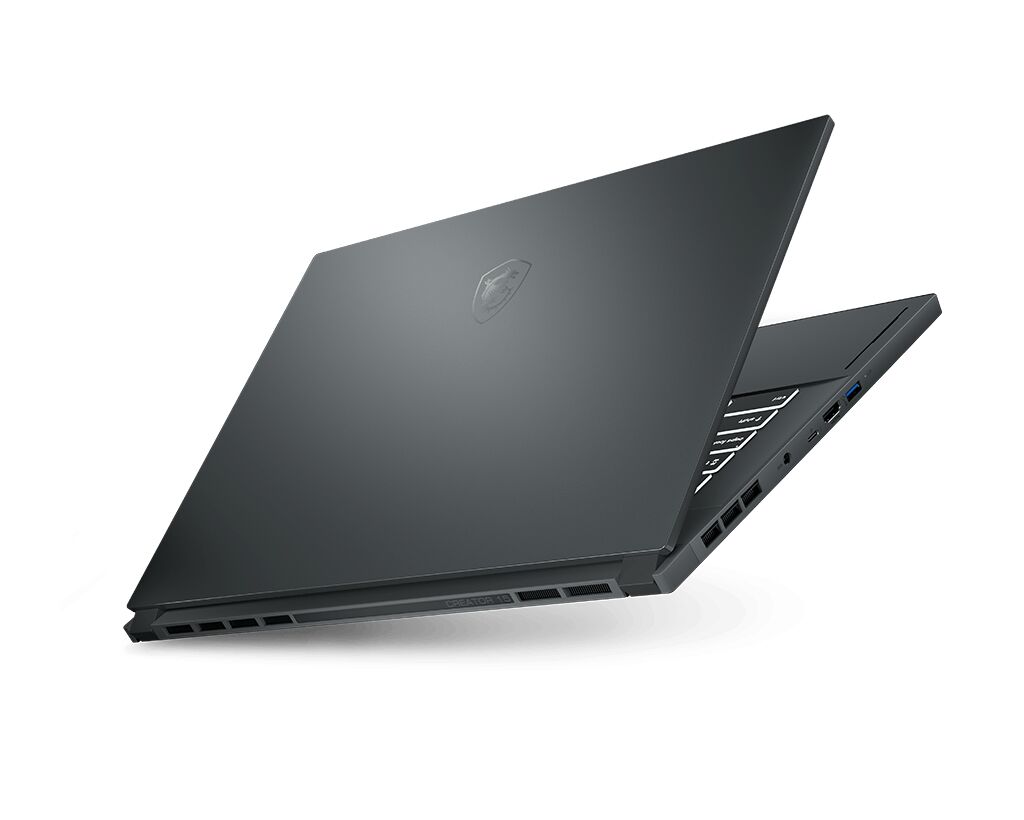
MSI 15 A10SFS-034MX Creator series laptop memory upgrade specifications indicate DDR4-SDRAM compatibility with 2x SO-DIMM slots supporting maximum RAM capacity of 64 GB. The upgrade specifications define DDR4 memory operating at 2666 MHz frequency with SO-DIMM form factor. Compatible memory modules can populate both slots to achieve maximum capacity, providing upgrade path for increased multitasking and performance capabilities on the MSI Creator 15 A10SFS-034MX model.
Memory Upgrade Specifications
| Specification | Value |
|---|---|
| Memory slots | 2x SO-DIMM |
| Form factor | SO-DIMM |
| Memory type | DDR4-SDRAM |
| Frequency | 2666 MHz |
| Maximum RAM | 64 GB |
| Voltage | 1.2V |
| Number of pins | 260-pin |
| Interface | PC4 |
| PC Speed Rating | PC4-2666 (PC4-21328) |
| Bandwidth | 21.3 GB/s |
| Laptop Release date | 04 June 2021 |
Additional Notes
- The MSI Creator 15 A10SFS-034MX accepts standard 260-pin SO-DIMM modules, which eliminates compatibility with desktop DIMM memory despite sharing DDR4 technology.
- Both memory channels must operate at identical frequencies, meaning mixed-speed configurations will downclock all modules to the lowest common speed of 2666 MHz.
- The 64 GB ceiling requires dual 32 GB modules, as configurations mixing different capacities reduce available dual-channel bandwidth efficiency.
- JEDEC-standard DDR4-2666 operates at 1.2V, while higher-frequency modules marketed as 3200 MHz or above will automatically throttle to 2666 MHz regardless of XMP profiles.
- The chipset enforces the 2666 MHz limitation at the memory controller level, preventing overclocking or speed increases through BIOS modifications.
- Non-ECC unbuffered modules are required, as server-grade ECC or registered memory will cause POST failures during boot.
- Accessing the SO-DIMM slots typically requires bottom panel removal, which may void warranty seals depending on regional service policies.
- Single-channel operation occurs when only 1 slot is populated, halving memory bandwidth to approximately 21 GB/s compared to 42 GB/s in dual-channel mode.
- CAS latency variations between CL15, CL17, and CL19 modules remain compatible but introduce minor performance discrepancies in memory-intensive workloads.
- The platform lacks support for DDR4-3200 speeds present in 10th-generation Intel mobile processors with different chipset configurations.