MSI Creator 15 A10SGS-009 RAM upgrade specifications
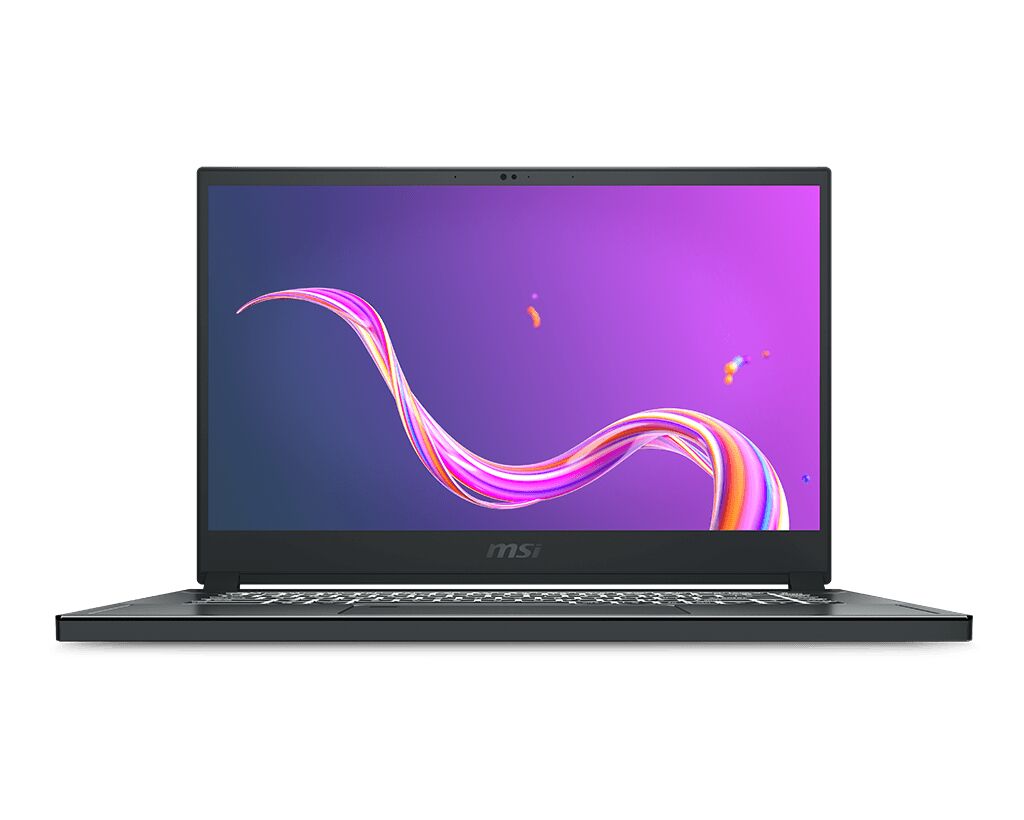
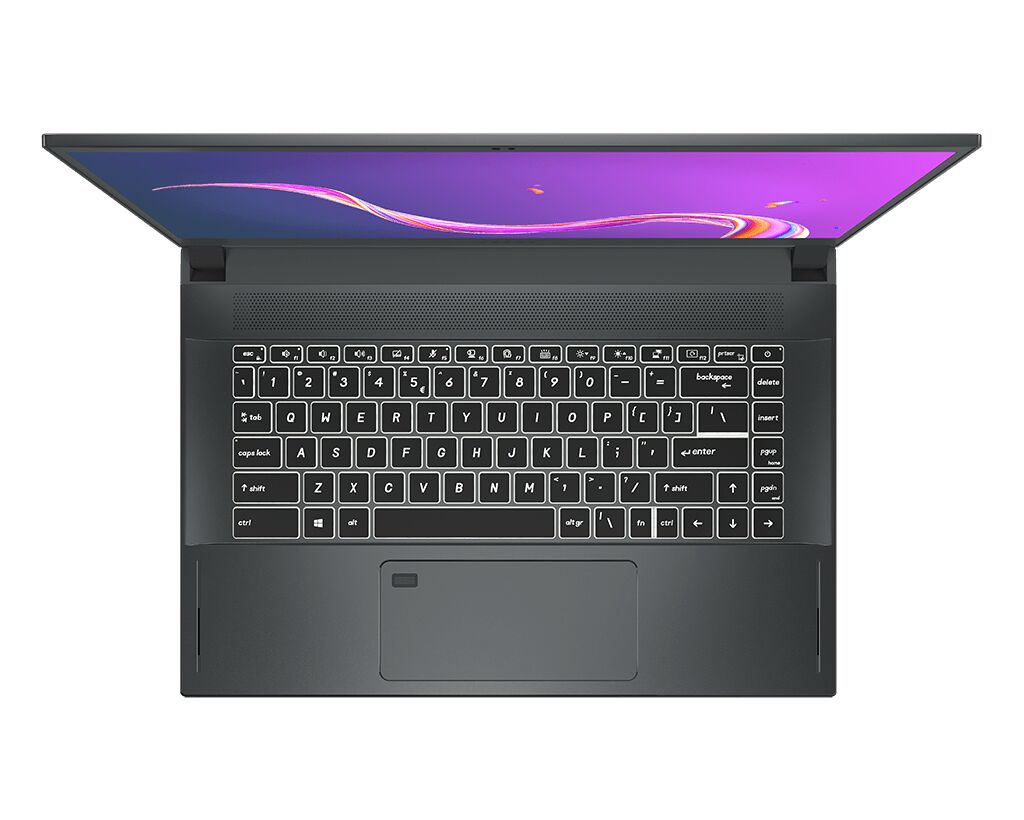
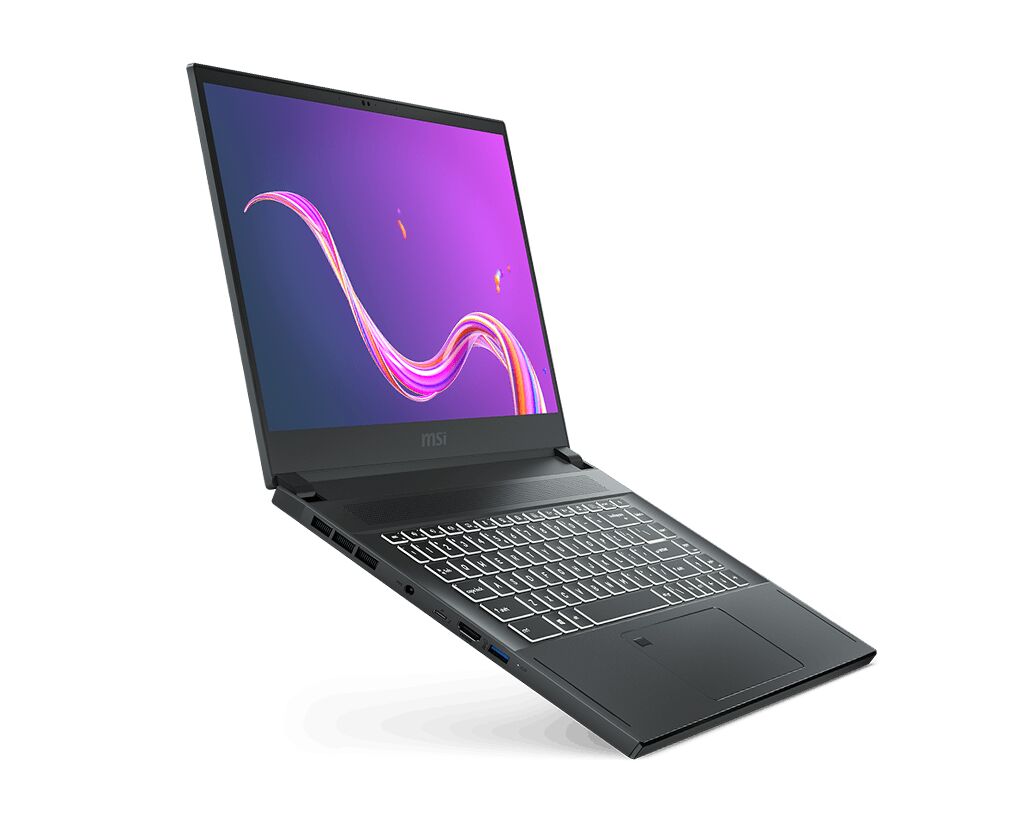
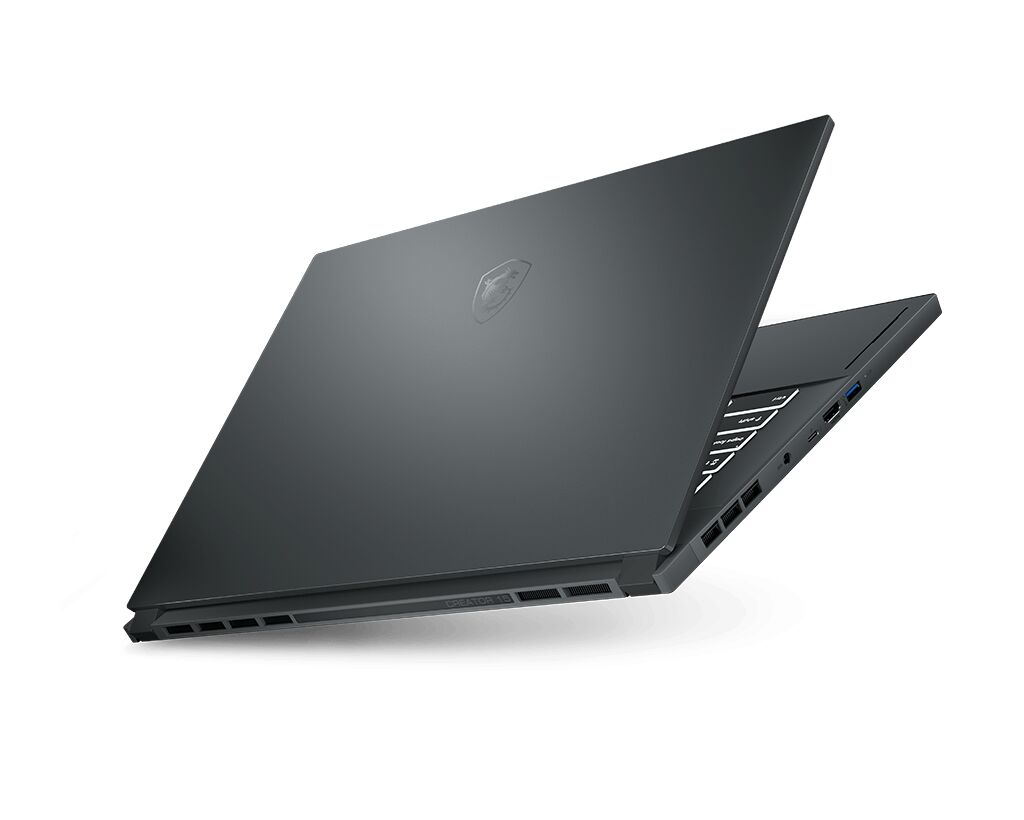
MSI Creator 15 A10SGS-009 laptop RAM upgrade specifications indicate DDR4-SDRAM memory compatibility with 2x SO-DIMM slots supporting maximum capacity of 64 GB. The system utilizes SO-DIMM form factor modules operating at 2666 MHz frequency. Compatible memory upgrades must match DDR4-SDRAM type specifications to ensure proper installation and functionality within the MSI Creator 15 series model.
Memory Upgrade Specifications
| Specification | Value |
|---|---|
| Memory slots | 2x SO-DIMM |
| Form factor | SO-DIMM |
| Memory type | DDR4-SDRAM |
| Frequency | 2666 MHz |
| Maximum RAM | 64 GB |
| Voltage | 1.2V |
| Number of pins | 260-pin |
| Interface | PC4 |
| PC Speed Rating | PC4-2666 (PC4-21328) |
| Bandwidth | 21.3 GB/s |
| Laptop Release date | 10 August 2020 |
Additional Notes
- The MSI Creator 15 A10SGS-009 requires DDR4 SO-DIMM modules specifically, meaning desktop memory modules will be physically incompatible due to the different pin configurations and module dimensions.
- Both memory slots support dual-channel architecture, which can deliver up to double the memory bandwidth compared to single-channel operation when populated with matched modules.
- The 2666 MHz frequency specification represents the maximum officially supported speed, meaning higher-frequency modules will be downclocked to this speed by the system controller.
- Upgrading to the 64 GB maximum capacity necessitates replacing both existing modules with 32 GB SO-DIMMs, as no single-slot configuration can achieve this ceiling.
- Memory access latency will remain fixed at the JEDEC standard timings for DDR4-2666, regardless of whether the installed modules are rated for lower latency at higher frequencies.
- The SO-DIMM form factor limits cooling options compared to desktop DIMMs, making sustained high-memory-bandwidth workloads more susceptible to thermal throttling under extended operation.
- Mixing modules with different speeds will force the entire system to operate at the lowest common frequency, potentially underutilizing faster modules.
- Accessing the memory slots typically requires bottom panel removal, which may involve breaking manufacturer security seals that could affect warranty coverage depending on regional regulations.
- The memory controller's 2666 MHz ceiling suggests pairing with a 10th-generation Intel processor, which establishes this frequency as the baseline for avoiding compatibility mismatches.
- Non-ECC unbuffered modules are required, as the consumer-grade chipset will reject registered or error-correcting memory configurations during POST.