MSI Creator 15 A10UGT-470 RAM upgrade specifications
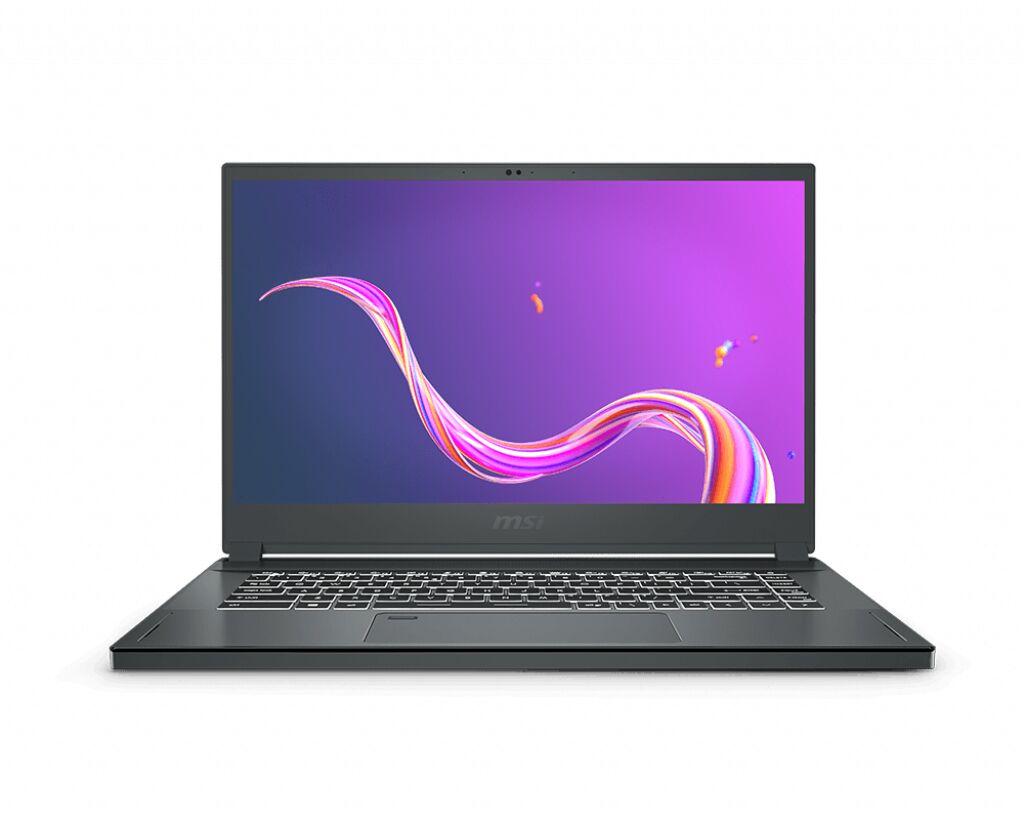

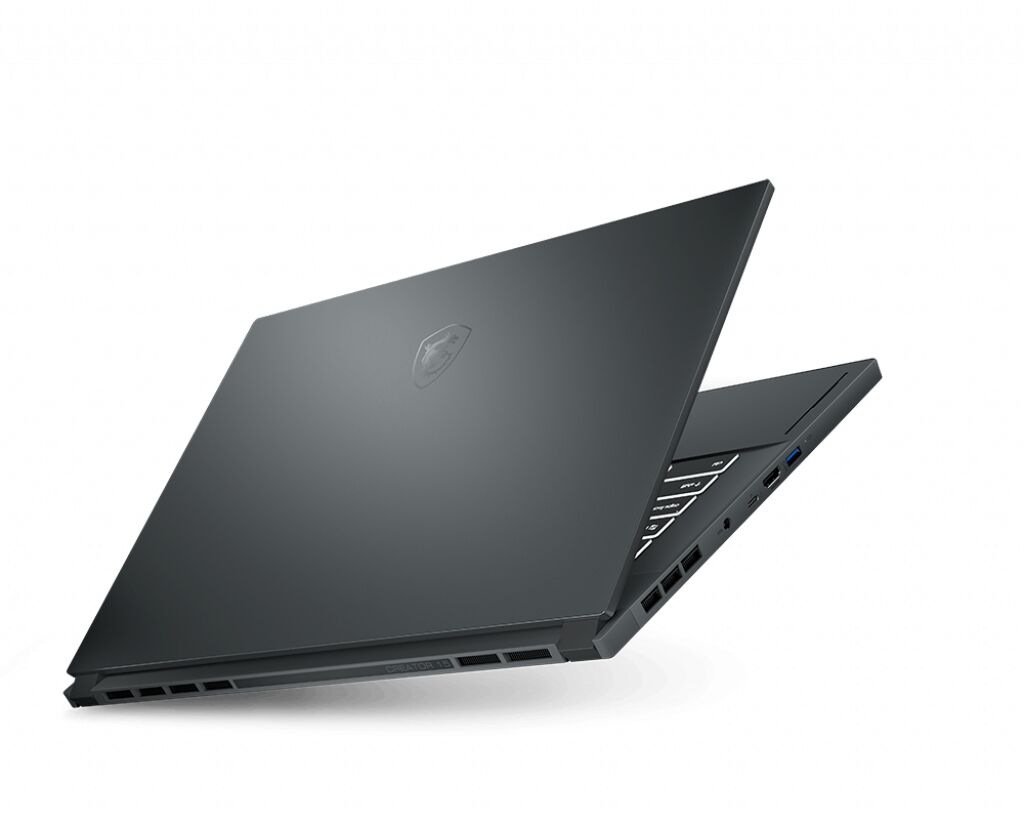


MSI Creator 15 A10UGT-470 laptop memory upgrade specifications indicate DDR4-SDRAM compatibility with 2x SO-DIMM slots. Maximum RAM capacity reaches 64 GB total, supporting DDR4-3200 MHz frequency. Upgrade options utilize SO-DIMM form factor modules for expanded memory capacity and enhanced multitasking performance on the Creator series mobile workstation.
Memory Upgrade Specifications
| Specification | Value |
|---|---|
| Memory slots | 2x SO-DIMM |
| Form factor | SO-DIMM |
| Memory type | DDR4-SDRAM |
| Frequency | 3200 MHz |
| Maximum RAM | 64 GB |
| Voltage | 1.2V |
| Number of pins | 260-pin |
| Interface | PC4 |
| PC Speed Rating | PC4-3200 (PC4-25600) |
| Bandwidth | 25.6 GB/s |
| Laptop Release date | 25 June 2021 |
Additional Notes
- The MSI Creator 15 A10UGT-470 requires notebook-specific SO-DIMM modules rather than desktop DIMMs, which are physically incompatible with the smaller 260-pin socket.
- Both memory channels must operate at identical frequencies to maintain dual-channel bandwidth, meaning mixing 3200 MHz modules with lower-speed RAM forces the entire system to downclock to the slower specification.
- Installing a single module disables dual-channel mode, reducing memory bandwidth by approximately 50% and creating potential bottlenecks for GPU-intensive creative workloads.
- The 64 GB ceiling requires two 32 GB modules, as exceeding this capacity may prevent POST or cause system instability regardless of module quality.
- JEDEC-standard DDR4-3200 operates at 1.2V, while XMP-profiled modules designed for desktops may require voltage adjustments unavailable in most laptop BIOS implementations.
- Non-ECC unbuffered modules are mandatory, as registered or error-correcting memory types lack compatibility with consumer mobile chipsets.
- Accessing the SO-DIMM slots typically requires bottom panel removal, which may involve breaking warranty seals depending on regional service policies.
- Mixing module densities such as 16 GB with 8 GB maintains functionality but can introduce asymmetric memory mapping that impacts interleaving efficiency.
- CAS latency ratings affect real-world responsiveness, with CL22 modules exhibiting higher absolute latency than CL16 despite running at the same 3200 MHz frequency.
- The Intel 10th generation platform supports DDR4-2933 natively, meaning 3200 MHz operation depends on the motherboard enabling above-spec frequencies through timing profiles.