MSI Creator 15 A10UET-471 RAM upgrade specifications


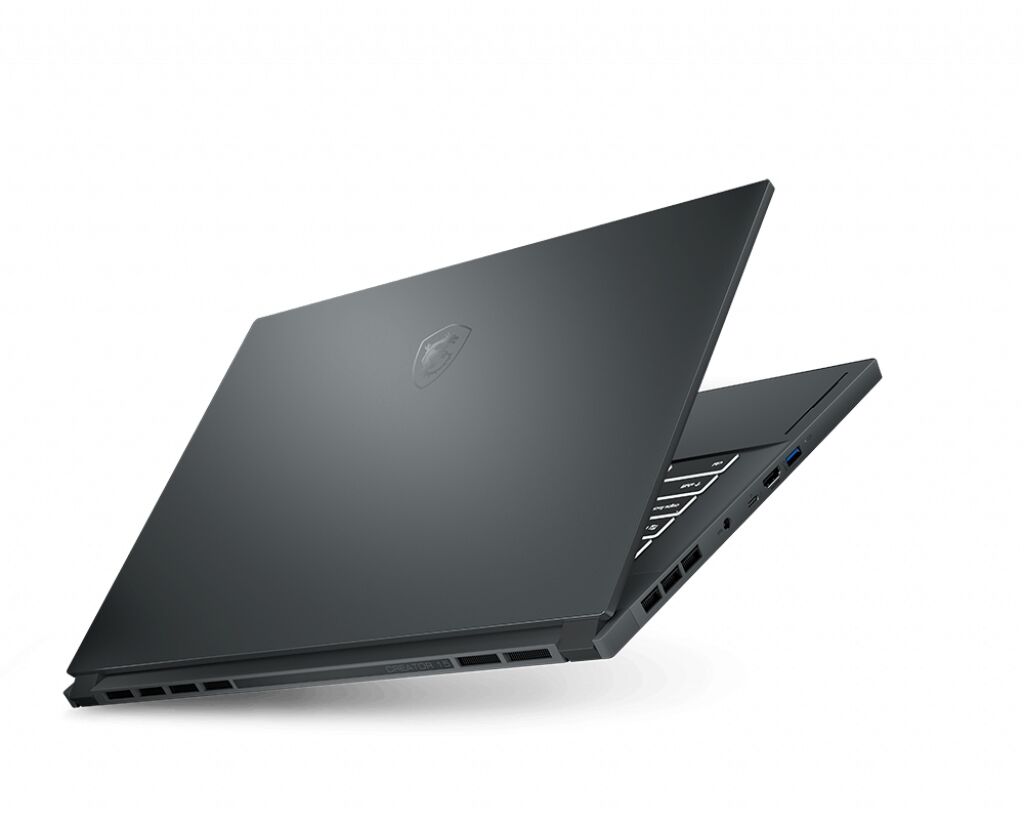
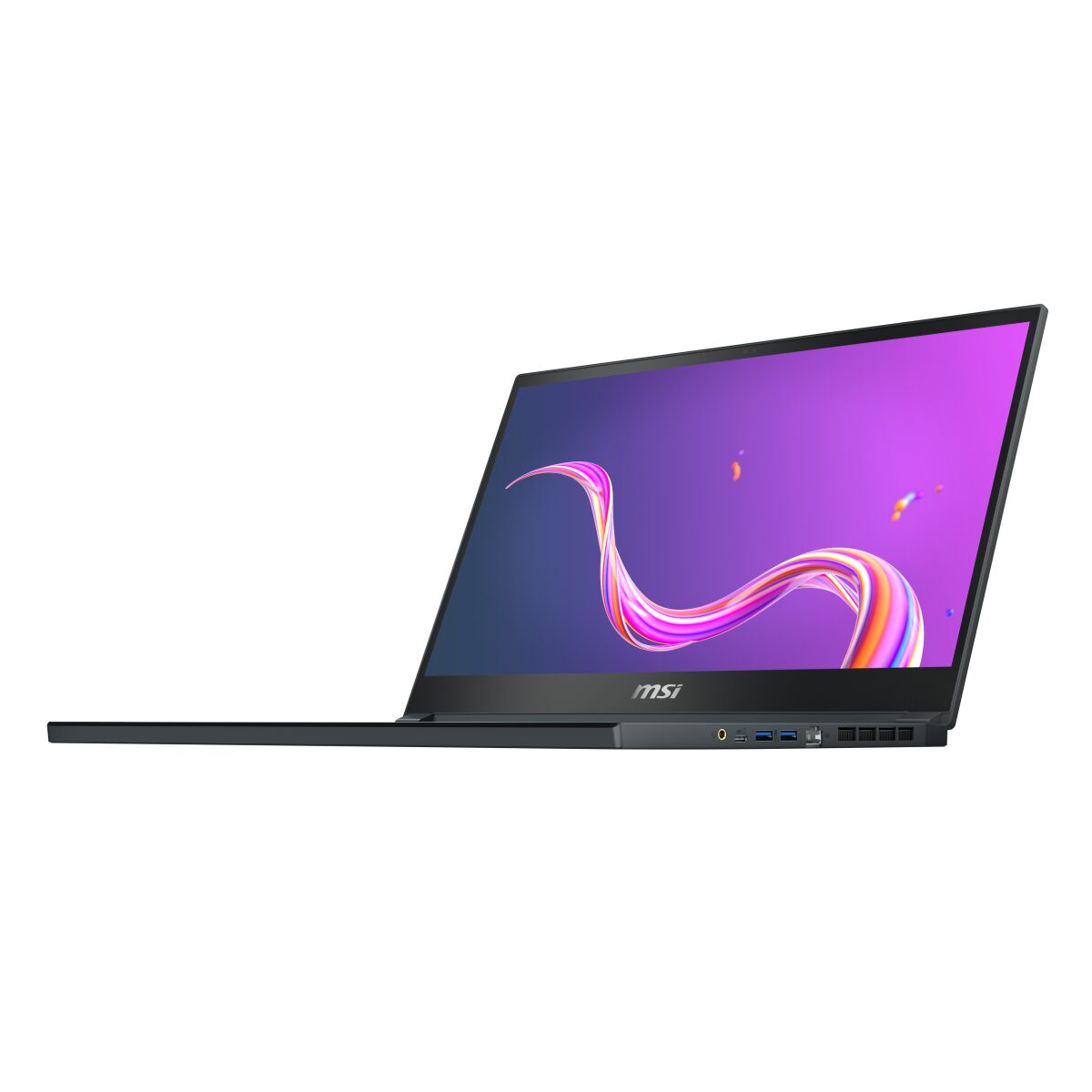
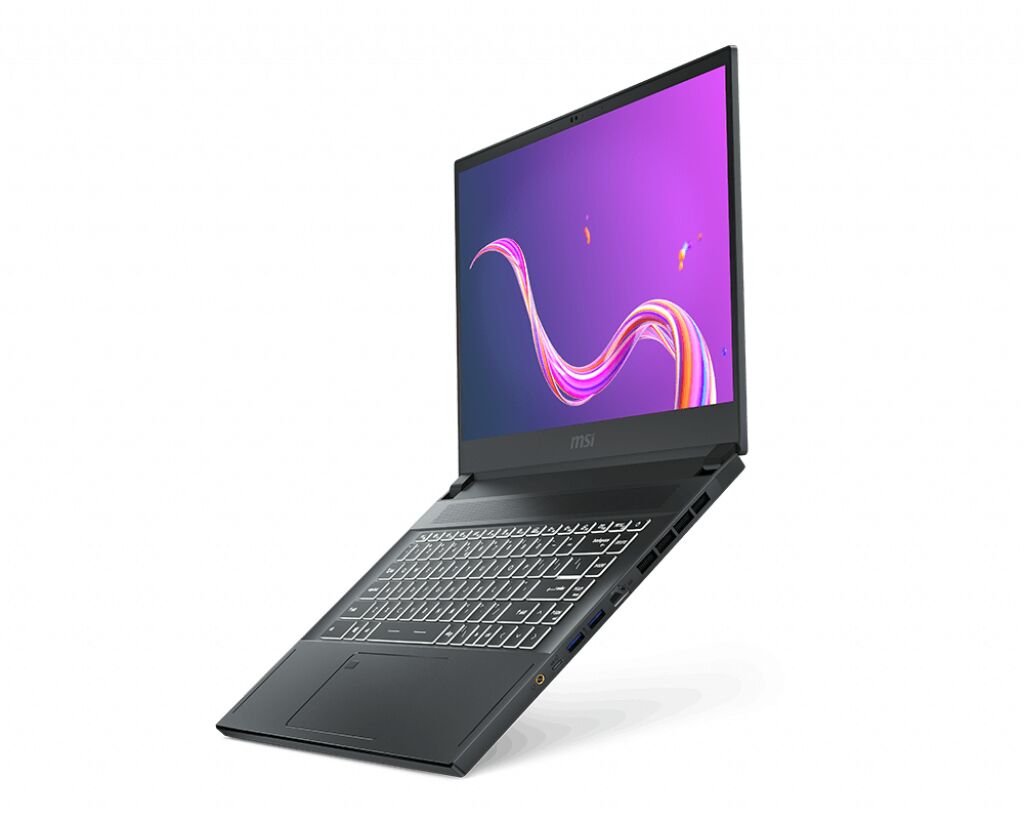
The MSI Creator 15 A10UET-471 laptop features two SO-DIMM memory slots supporting DDR4-SDRAM upgrades at 3200 MHz frequency. The upgrade specifications indicate a maximum RAM capacity of 64 GB total, doubling the standard configuration. Compatible memory modules must utilize the SO-DIMM form factor standard. Current memory slots accommodate individual capacity increments, with specifications supporting expansion through additional DDR4-SDRAM installation.
Memory Upgrade Specifications
| Specification | Value |
|---|---|
| Memory slots | 2x SO-DIMM |
| Form factor | SO-DIMM |
| Memory type | DDR4-SDRAM |
| Frequency | 3200 MHz |
| Maximum RAM | 64 GB |
| Voltage | 1.2V |
| Number of pins | 260-pin |
| Interface | PC4 |
| PC Speed Rating | PC4-3200 (PC4-25600) |
| Bandwidth | 25.6 GB/s |
| Laptop Release date | 25 June 2021 |
Additional Notes
- The MSI Creator 15 A10UET-471 requires laptop-specific SO-DIMM modules rather than desktop DIMM form factor, limiting compatibility to physically smaller modules with 260-pin configurations.
- The 3200 MHz native frequency indicates DDR4-3200 rated modules will run at full speed without downclocking, but installing lower-speed modules will force the entire memory subsystem to match the slowest installed stick.
- Dual-channel bandwidth peaks at 51.2 GB/s when both slots contain identical 3200 MHz modules, while mismatched capacities or speeds reduce theoretical throughput by forcing asymmetric or single-channel operation.
- The 64 GB maximum capacity ceiling requires 2x 32 GB modules, which remain costlier per gigabyte than 16 GB sticks and may encounter compatibility issues if the BIOS lacks updates for high-density chips.
- Both memory slots typically occupy positions beneath the bottom panel, requiring complete disassembly and thermal paste reapplication if positioned below the cooling assembly.
- Non-ECC unbuffered modules are mandatory since the platform lacks server-grade memory controller logic, making registered or error-correcting DIMMs incompatible regardless of form factor.
- Installing modules exceeding 1.2V standard DDR4 voltage specifications risks thermal throttling in confined laptop chassis and may void warranty coverage if overvolting damage occurs.
- The Intel 10th generation platform supports single-rank and dual-rank architectures, but populating both slots with dual-rank 32 GB sticks may trigger stability issues depending on memory controller IMC quality binning.
- CAS latency timings below CL22 at 3200 MHz provide marginal real-world gains in most workflows, making premium low-latency kits economically inefficient for typical content creation tasks.
- Mixing manufacturers or part numbers between slots introduces potential for training failures during POST, even when specifications appear identical on paper.