MSI Creator 17M A9SD-046 RAM upgrade specifications
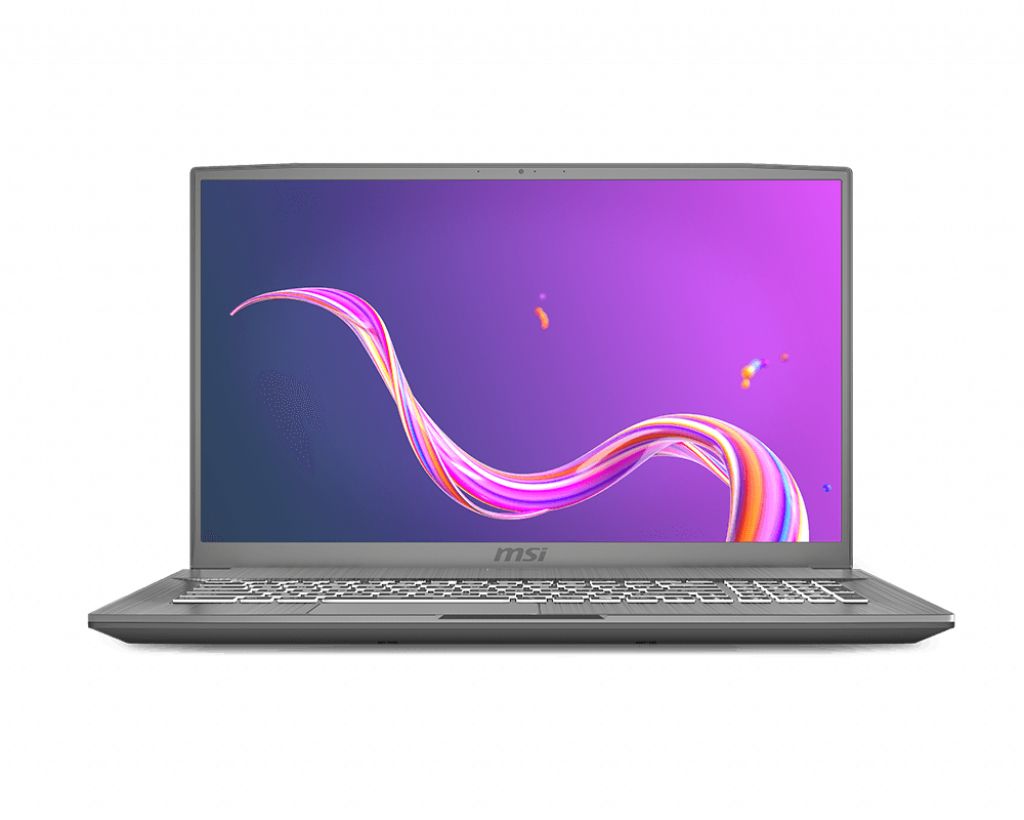



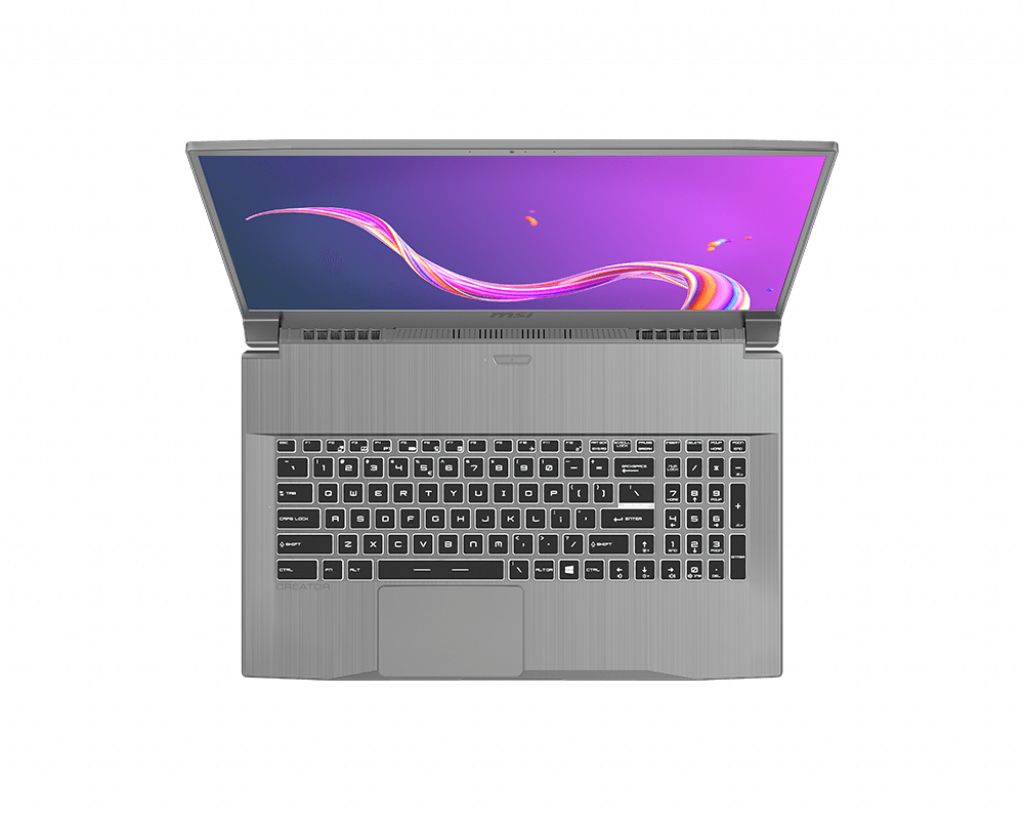
The MSI Creator 17M A9SD-046 laptop features DDR4-SDRAM memory upgrade specifications with two SO-DIMM slots supporting a maximum RAM capacity of 64 GB. Compatible memory modules operate at 2666 MHz frequency. The upgrade slots accommodate standard SO-DIMM form factor modules, enabling expansion from the factory configuration. These specifications define the memory upgrade parameters and compatibility requirements for this MSI Creator series mobile workstation model.
Memory Upgrade Specifications
| Specification | Value |
|---|---|
| Memory slots | 2x SO-DIMM |
| Form factor | SO-DIMM |
| Memory type | DDR4-SDRAM |
| Frequency | 2666 MHz |
| Maximum RAM | 64 GB |
| Voltage | 1.2V |
| Number of pins | 260-pin |
| Interface | PC4 |
| PC Speed Rating | PC4-2666 (PC4-21328) |
| Bandwidth | 21.3 GB/s |
| Laptop Release date | 16 March 2020 |
Additional Notes
- The MSI Creator 17M A9SD-046 operates with DDR4 technology limited to 2666 MHz, restricting any higher-frequency modules to this baseline speed regardless of their rated specifications.
- DDR5 memory modules are physically and electrically incompatible with this system's DDR4 SO-DIMM architecture.
- Both memory slots must be populated with identical speed, capacity, and timing modules to enable dual-channel operation and prevent automatic downclocking to single-channel mode.
- Installing a single module in either slot results in halved memory bandwidth compared to a matched pair configuration.
- The 64 GB maximum capacity requires 2 modules of 32 GB each, as no single SO-DIMM slot supports more than 32 GB per channel in this configuration.
- Non-standard laptop form factors like full-size DIMM or MicroDIMM modules cannot physically install in SO-DIMM sockets due to pin count and dimension mismatches.
- Memory modules rated above 2666 MHz will function but offer no performance advantage, as the memory controller enforces the 2666 MHz ceiling.
- Mixing ECC and non-ECC memory types typically results in POST failure or forced disabling of error-correction features in consumer-grade systems.
- Voltage requirements must match the DDR4 standard of 1.2V, as low-voltage or high-performance variants may cause stability issues or boot failures.
- The dual-slot configuration with 64 GB ceiling indicates each channel supports rank interleaving up to dual-rank 32 GB modules.
- CAS latency variations between installed modules force the memory controller to adopt the slower timing specification across both channels.
- Accessing memory slots in this chassis design typically requires bottom panel removal, which may void warranty seals depending on regional service policies.