MSI Creator 17M A10SE-216 RAM upgrade specifications
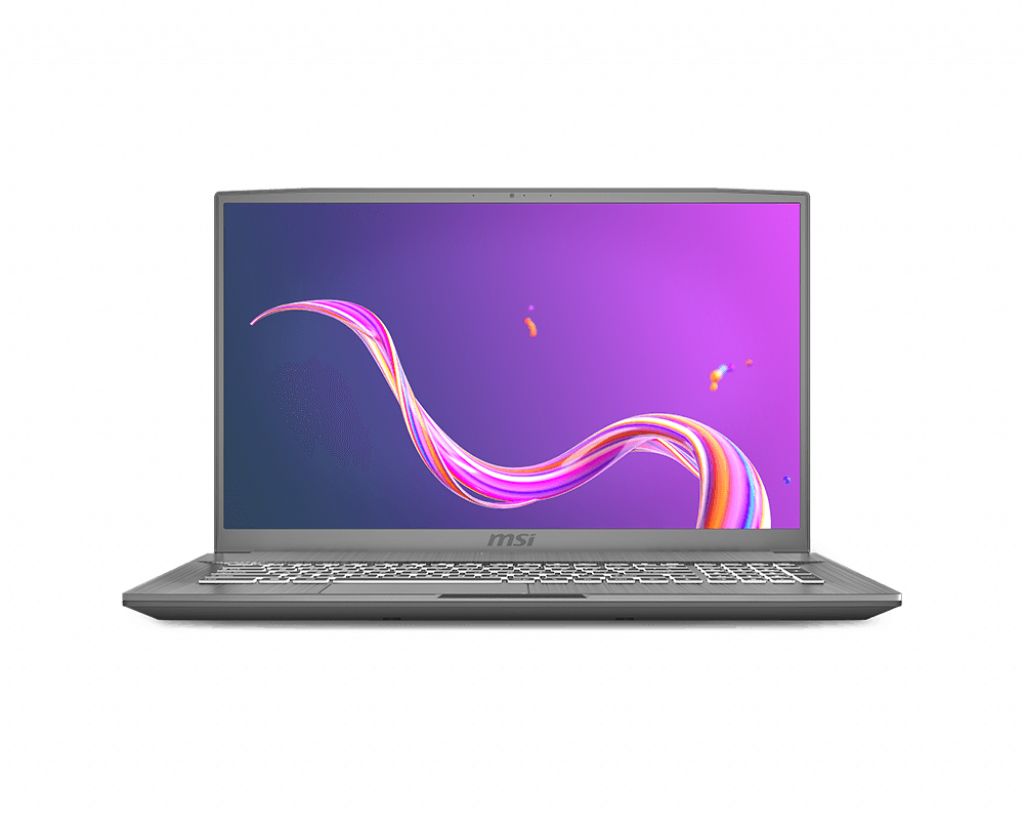
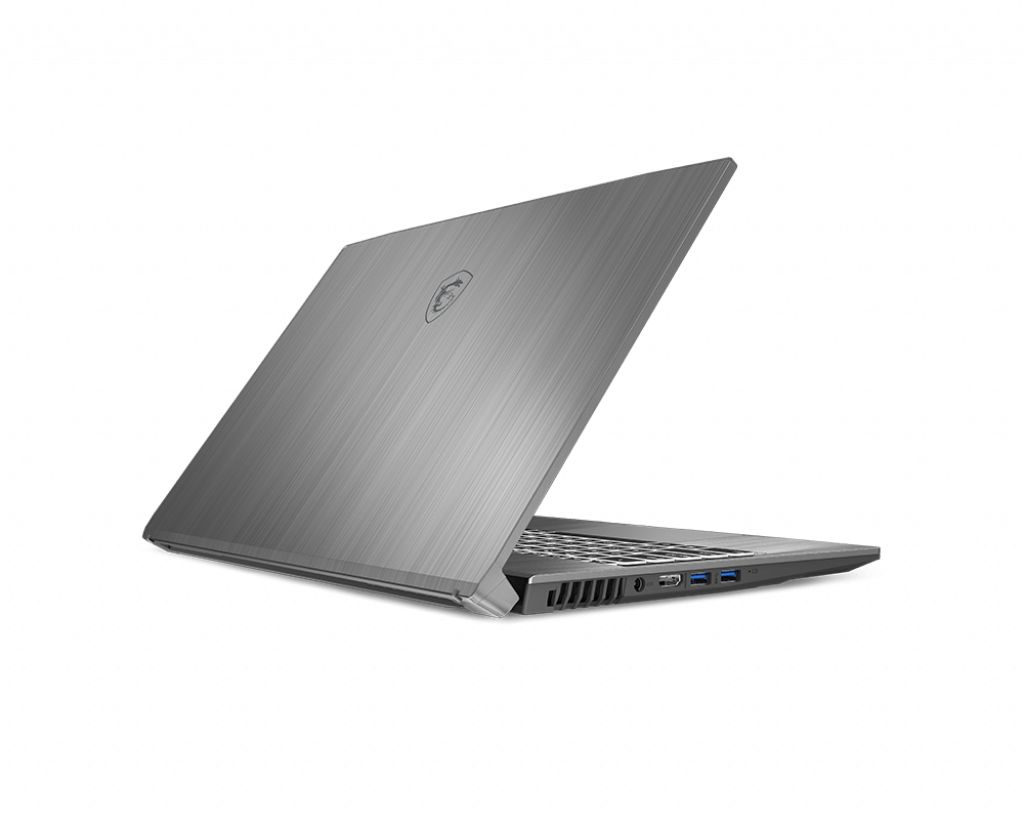
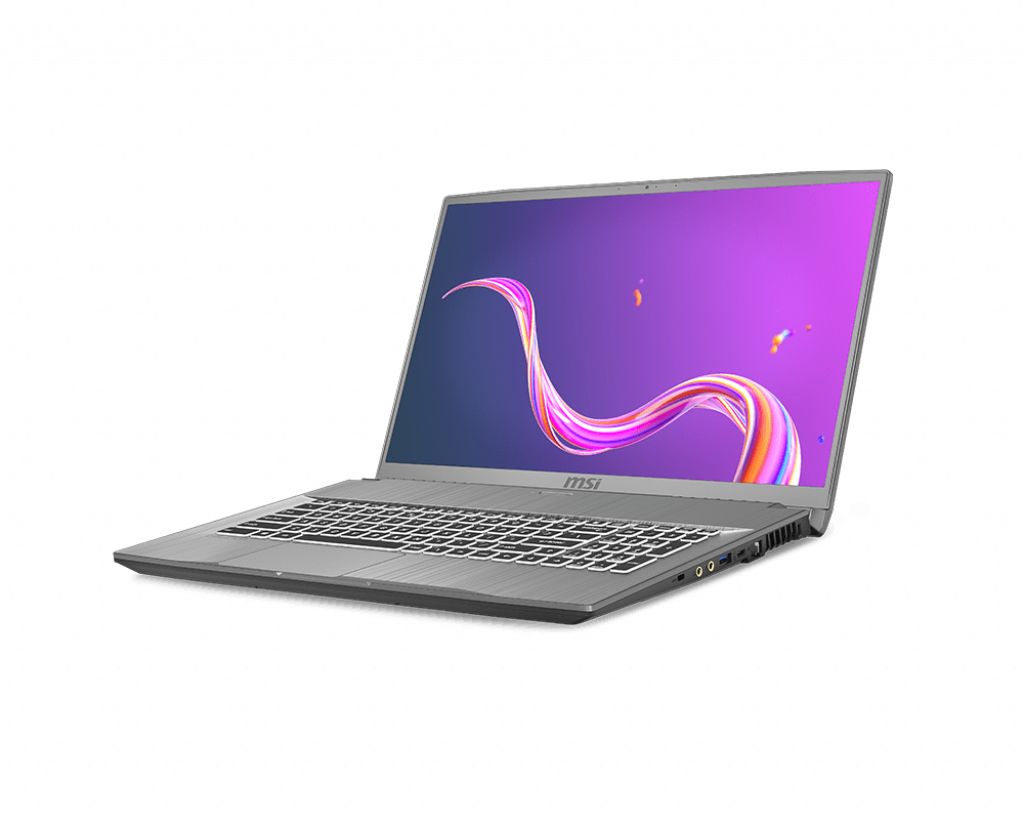
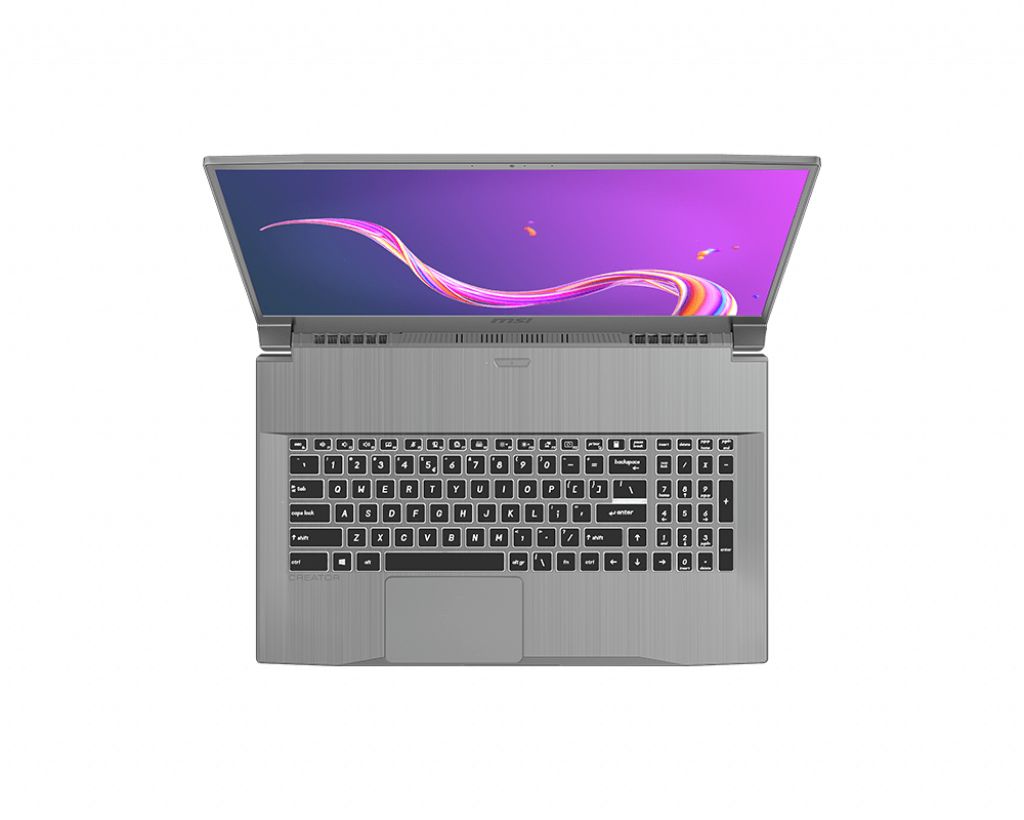
The MSI Creator 17M A10SE-216 laptop features two SO-DIMM memory slots supporting DDR4-SDRAM upgrades at 2666 MHz frequency. The maximum RAM capacity compatible with this model is 64 GB total. Specifications indicate support for standard SO-DIMM form factor modules. Users requiring memory expansion can upgrade the existing modules within the two available slots to achieve maximum supported capacity. Compatible DDR4 memory upgrades must comply with the specified frequency and form factor requirements for proper functionality.
Memory Upgrade Specifications
| Specification | Value |
|---|---|
| Memory slots | 2x SO-DIMM |
| Form factor | SO-DIMM |
| Memory type | DDR4-SDRAM |
| Frequency | 2666 MHz |
| Maximum RAM | 64 GB |
| Voltage | 1.2V |
| Number of pins | 260-pin |
| Interface | PC4 |
| PC Speed Rating | PC4-2666 (PC4-21328) |
| Bandwidth | 21.3 GB/s |
| Laptop Release date | 14 May 2020 |
Additional Notes
- The MSI Creator 17M A10SE-216 supports DDR4 modules operating at speeds higher than 2666 MHz, but the system chipset will downclock them to match the native 2666 MHz frequency, eliminating any performance gains from faster RAM.
- Installing a single memory module instead of a dual-channel configuration will reduce memory bandwidth by approximately 50 percent, creating performance bottlenecks in graphics-intensive applications and integrated GPU workloads.
- Reaching the 64 GB maximum capacity requires two 32 GB SO-DIMM modules, which typically cost significantly more per gigabyte than smaller density modules like 8 GB or 16 GB units.
- Mixing memory modules with different speeds will force the entire system to operate at the frequency of the slowest installed module, negating the specifications of any faster RAM.
- DDR4 SO-DIMM modules rated for JEDEC standard voltage (1.2V) ensure compatibility, while low-voltage or overclocking-oriented modules may cause stability issues or fail to boot.
- The 2666 MHz frequency specification represents the maximum supported speed under JEDEC standards without requiring XMP profiles, which may not function reliably on laptop platforms compared to desktop motherboards.
- Accessing the memory slots requires removing the bottom panel of the chassis, and any damage to warranty seals during this process may void manufacturer coverage depending on regional warranty terms.
- Memory modules with tall heat spreaders or non-standard height profiles may not fit within the clearance constraints of the laptop chassis, preventing proper installation even if electrical specifications match.
- The dual SO-DIMM configuration allows asymmetric memory installation (such as 16 GB plus 8 GB), but this setup still maintains dual-channel operation for the matched portion of capacity while the excess operates in single-channel mode.
- Using unbuffered (non-ECC) SO-DIMM modules is mandatory, as registered or error-correcting memory types are incompatible with consumer laptop chipsets and will not initialize during POST.