MSI Creator 17M A10SE-205NL RAM upgrade specifications
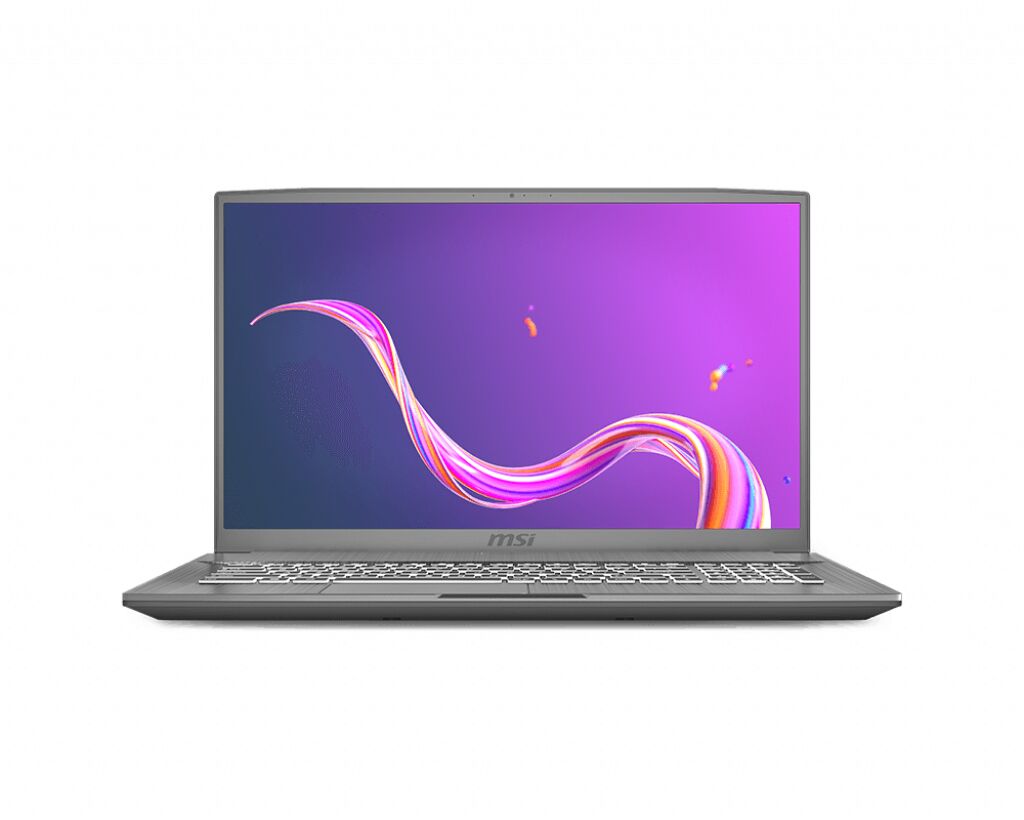



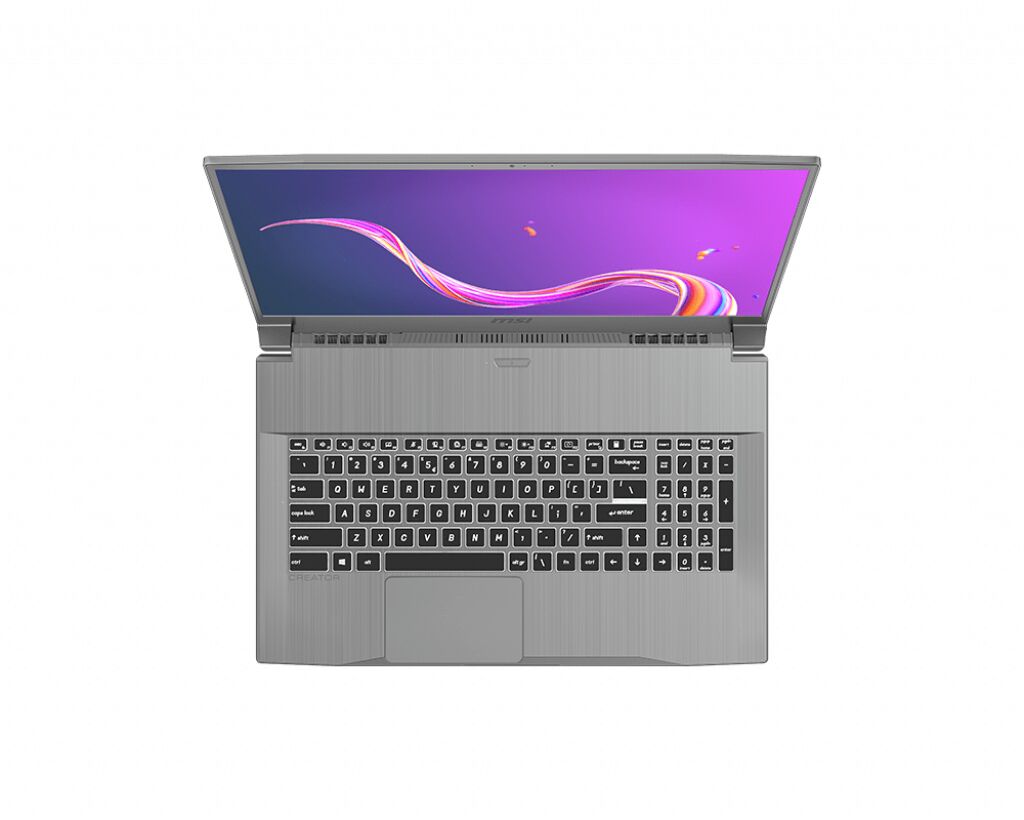
The MSI Creator 17M A10SE-205NL supports DDR4-SDRAM memory upgrades with two SO-DIMM slots. Maximum RAM capacity reaches 64 GB total, operating at 2666 MHz frequency. Compatible memory modules utilize SO-DIMM form factor specifications. Upgrade configurations allow expansion from factory-installed capacity to the specified maximum, with each slot accommodating standard DDR4 memory modules meeting the listed technical parameters.
Memory Upgrade Specifications
| Specification | Value |
|---|---|
| Memory slots | 2x SO-DIMM |
| Form factor | SO-DIMM |
| Memory type | DDR4-SDRAM |
| Frequency | 2666 MHz |
| Maximum RAM | 64 GB |
| Voltage | 1.2V |
| Number of pins | 260-pin |
| Interface | PC4 |
| PC Speed Rating | PC4-2666 (PC4-21328) |
| Bandwidth | 21.3 GB/s |
| Laptop Release date | 13 May 2020 |
Additional Notes
- The MSI Creator 17M A10SE-205NL contains 2 SO-DIMM slots, meaning both memory banks must be populated simultaneously to achieve dual-channel performance; single-slot population results in single-channel bandwidth reduction of approximately 50 percent.
- DDR4-2666 frequency represents a lower tier of DDR4 capability; upgrading to DDR4-3200 modules will not function at rated speeds without BIOS-level manual frequency override, and such overclocking may void manufacturer coverage on memory-related failures.
- Maximum capacity of 64 GB requires matched 32 GB SO-DIMM modules; these modules remain scarce in retail channels and command price premiums relative to standard 16 GB configurations.
- SO-DIMM form factor severely restricts third-party cooling solutions; aftermarket heatspreaders on high-performance DDR4 modules may physically interfere with palmrest clearance or internal component mounting.
- The 2-slot architecture creates upgrade inflexibility; replacing existing memory to reach 64 GB capacity necessitates complete module replacement rather than incremental expansion, generating electronic waste and requiring resale of functional components.
- Memory bandwidth saturation occurs at 2666 MHz; applications performing sequential data access (video encoding, large dataset processing) will not scale performance gains from higher-frequency modules without corresponding processor and storage subsystem upgrades.