MSI Creator 17M A10SD-457FR RAM upgrade specifications
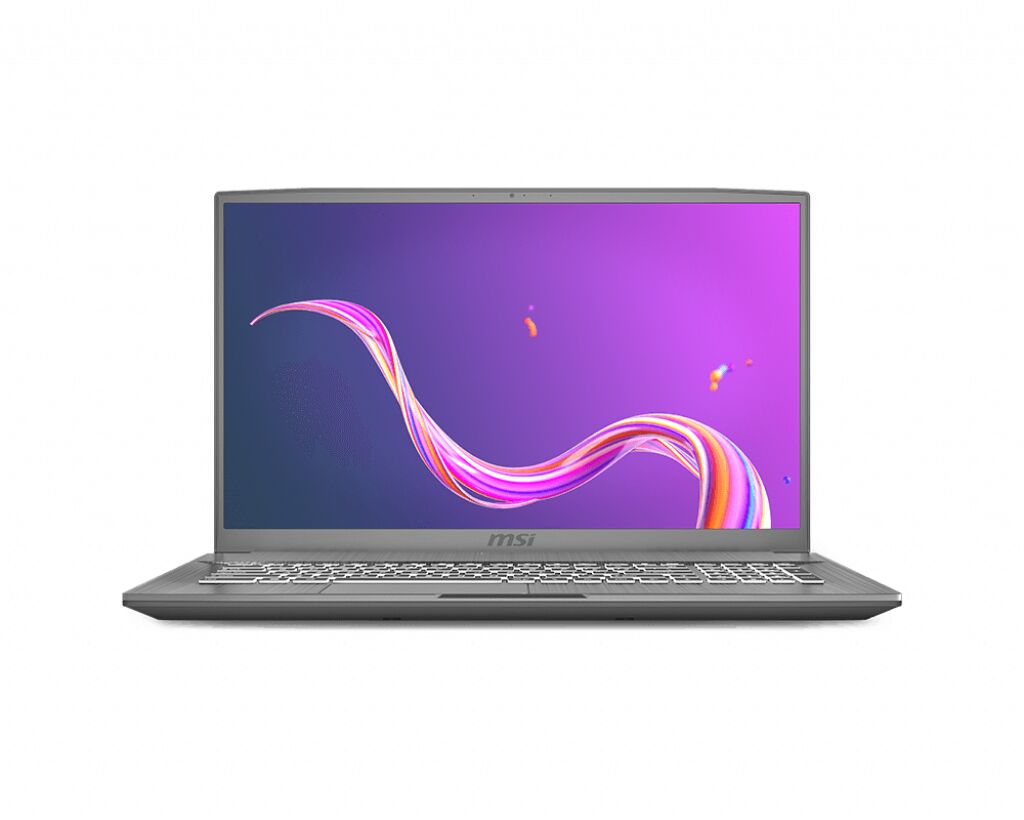
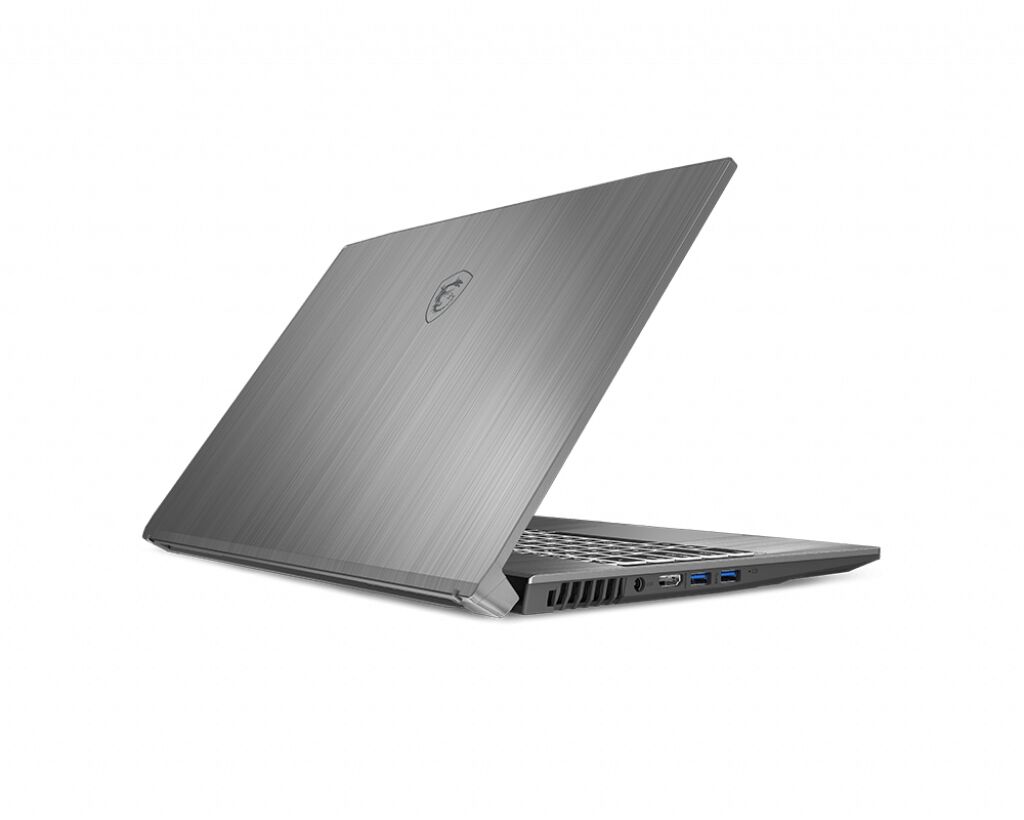
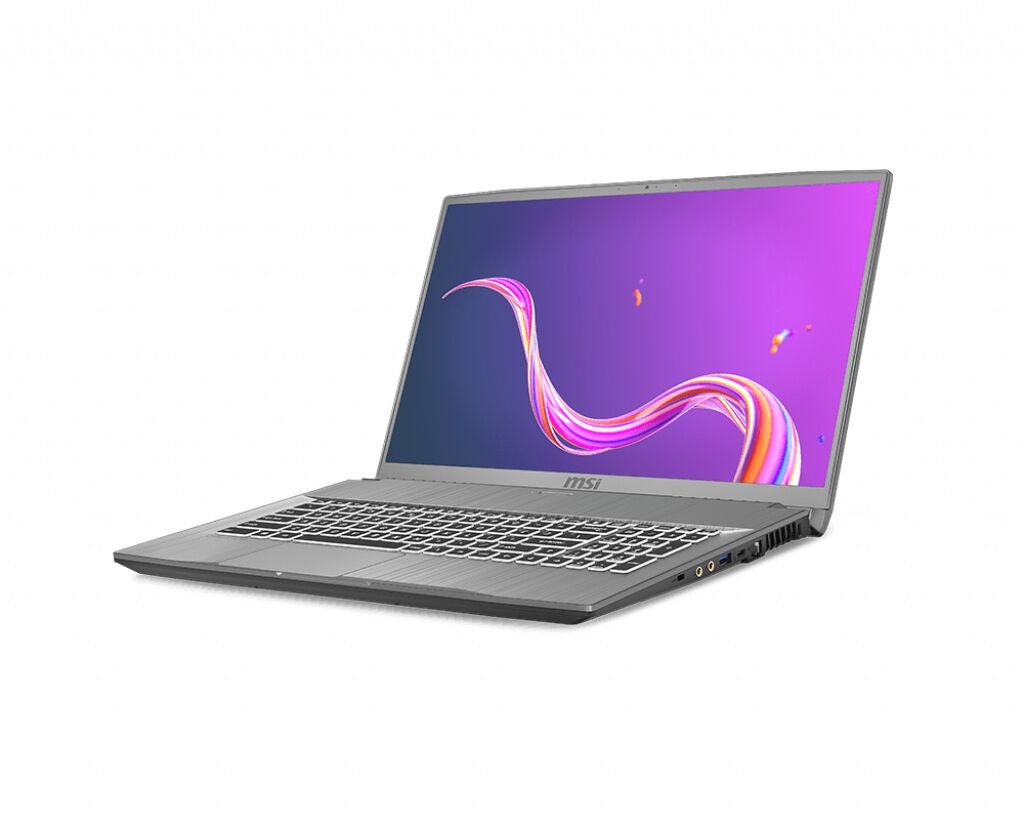
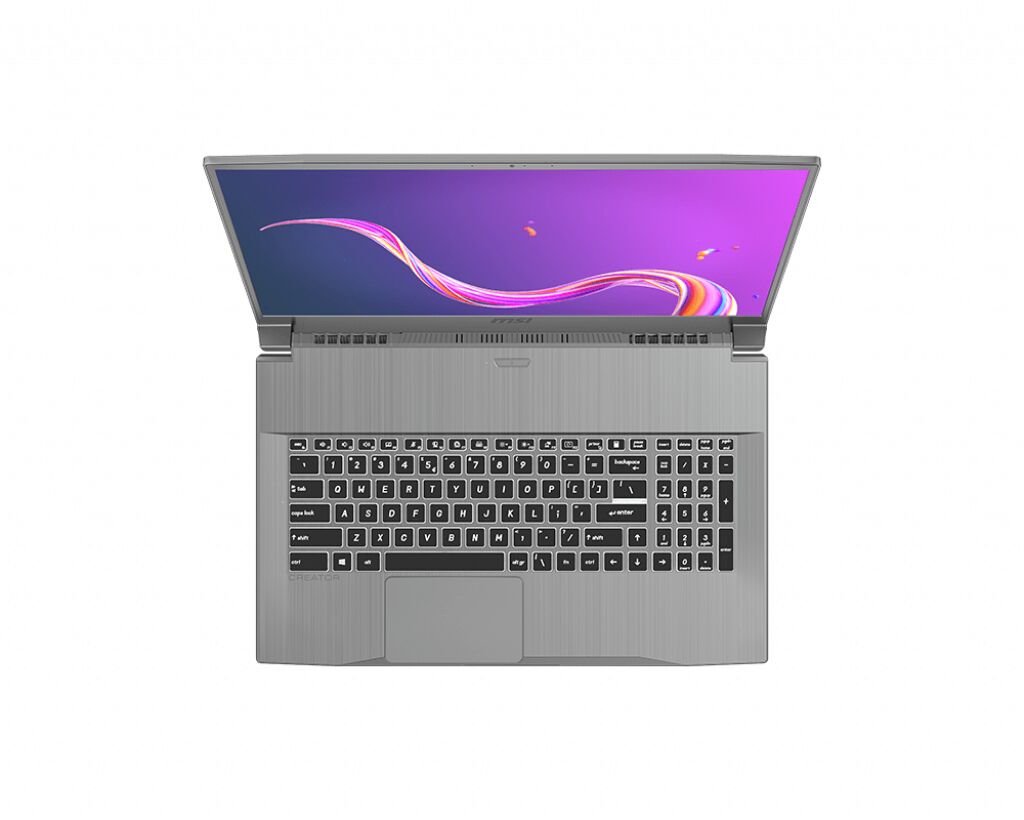
The MSI Creator 17M A10SD-457FR laptop features DDR4-SDRAM memory upgrade specifications with two SO-DIMM slots supporting maximum RAM capacity of 64 GB. Compatible memory operates at 2666 MHz frequency. The upgrade accommodates SO-DIMM form factor modules, enabling users to expand system memory beyond factory configuration. Specifications define maximum compatible capacity and slot configuration for RAM upgrades on the 17M A10SD-457FR model.
Memory Upgrade Specifications
| Specification | Value |
|---|---|
| Memory slots | 2x SO-DIMM |
| Form factor | SO-DIMM |
| Memory type | DDR4-SDRAM |
| Frequency | 2666 MHz |
| Maximum RAM | 64 GB |
| Voltage | 1.2V |
| Number of pins | 260-pin |
| Interface | PC4 |
| PC Speed Rating | PC4-2666 (PC4-21328) |
| Bandwidth | 21.3 GB/s |
| Laptop Release date | 19 February 2021 |
Additional Notes
- The MSI Creator 17M A10SD-457FR contains 2 SO-DIMM slots operating at 2666 MHz, which represents a bandwidth ceiling of approximately 42.6 GB/s per channel. This frequency aligns with DDR4 JEDEC standards but lags behind higher-speed variants (3200 MHz+), potentially limiting sustained data throughput for memory-intensive creative workflows.
- SO-DIMM form factor requires low-profile memory modules with maximum heights of 30-32 mm. Standard desktop DDR4 modules will not physically fit; replacement or upgrades demand laptop-specific memory variants, restricting sourcing options to specialized retailers.
- The 64 GB aggregate maximum constrains the upgrade path to a single viable configuration: 2x32 GB SO-DIMM modules. Once populated, no further RAM expansion is possible, making initial capacity planning critical for longevity.
- DDR4-2666 modules manufactured within JEDEC specifications will function without BIOS modifications; however, XMP or custom timing profiles are not applicable at this frequency tier. Mixing memory brands or subtly different timings may trigger compatibility warnings, though operation typically continues without hardware failures.
- The 10th-generation Intel architecture paired with 2666 MHz memory introduces a secondary bottleneck. Modern Comet Lake processors support up to DDR4-3200, so the system operates 15-20 percent below optimal memory-to-CPU performance ratios for multithreaded rendering or video encoding tasks.
- Disassembly to access SO-DIMM slots typically requires bottom-panel removal. Warranty preservation depends on adherence to manufacturer guidance; most OEM warranties cover user-installed RAM from approved vendors without penalty.