MSI Creator A9SD-041FR RAM upgrade specifications
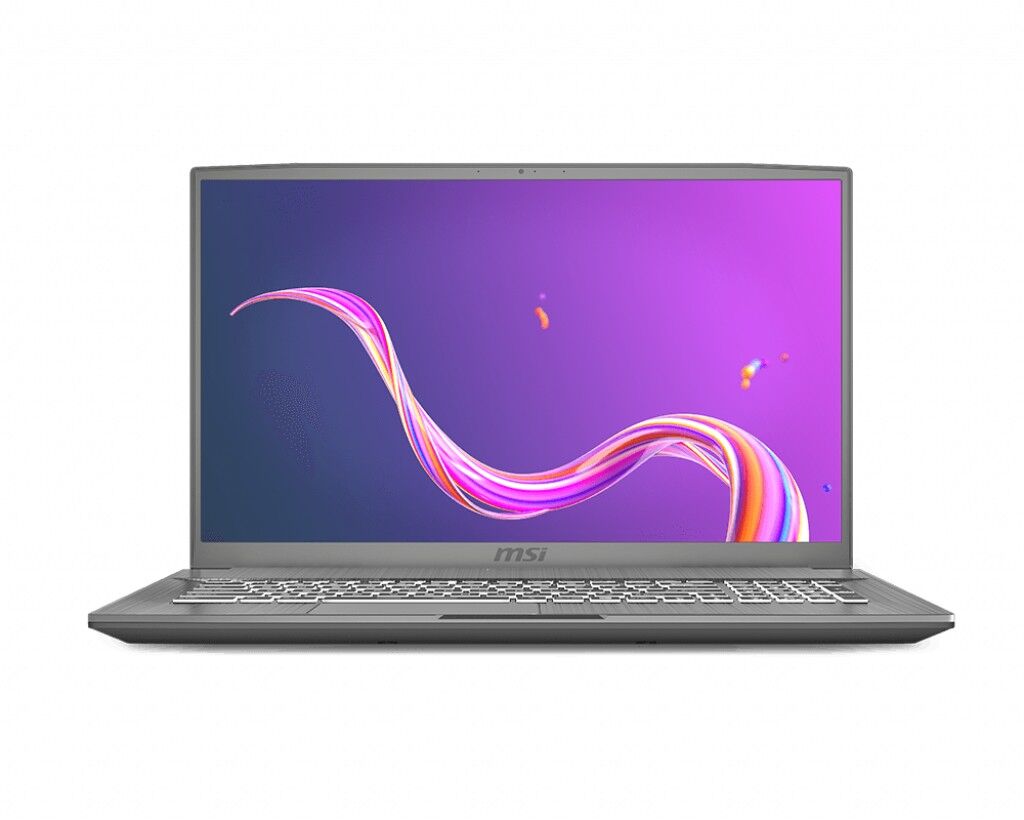



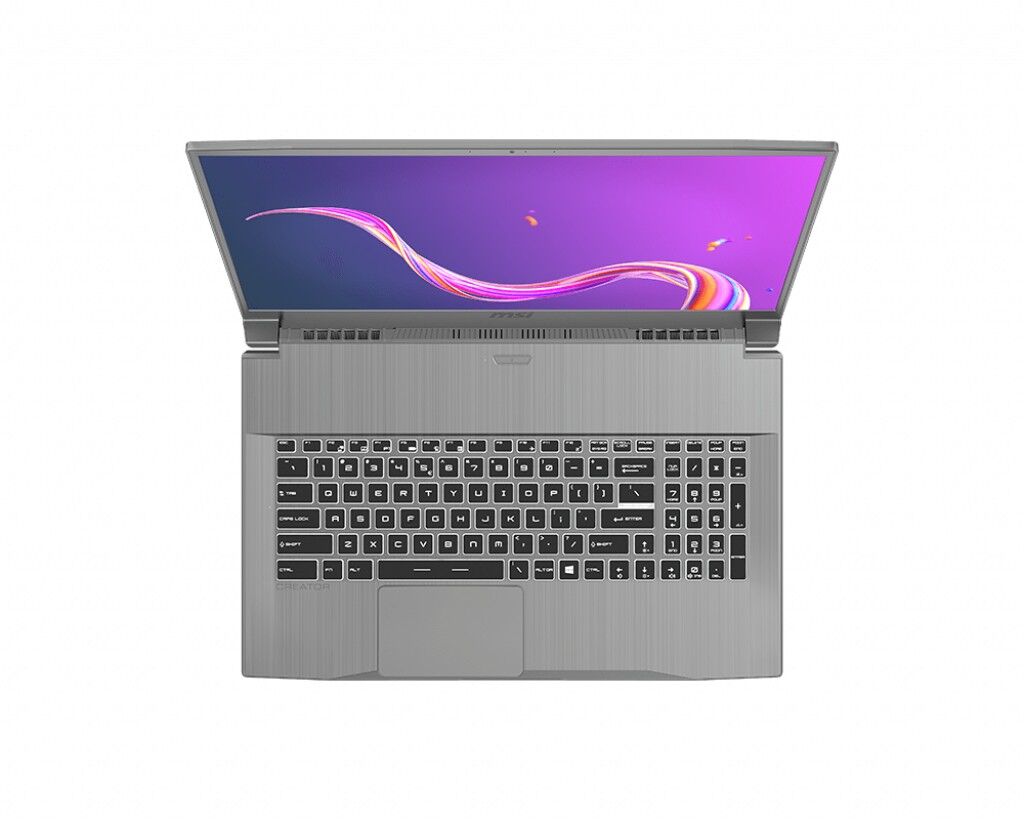
The MSI Creator 17M series model A9SD-041FR supports DDR4-SDRAM memory upgrades with specifications including two SO-DIMM slots and a maximum RAM capacity of 64 GB. The compatible memory operates at 2666 MHz frequency. Upgrade configurations for the MSI A9SD-041FR accommodate standard SO-DIMM form factor modules, enabling memory expansion to the stated maximum capacity across the available slots.
Memory Upgrade Specifications
| Specification | Value |
|---|---|
| Memory slots | 2x SO-DIMM |
| Form factor | SO-DIMM |
| Memory type | DDR4-SDRAM |
| Frequency | 2666 MHz |
| Maximum RAM | 64 GB |
| Voltage | 1.2V |
| Number of pins | 260-pin |
| Interface | PC4 |
| PC Speed Rating | PC4-2666 (PC4-21328) |
| Bandwidth | 21.3 GB/s |
| Laptop Release date | 08 November 2019 |
Additional Notes
- The 64 GB ceiling requires 32 GB modules in both slots, which limits mixed-capacity configurations and forces full replacement of existing memory for maximum capacity upgrades.
- The 2666 MHz frequency operates below the JEDEC standard maximum of 3200 MHz for DDR4, indicating either CPU memory controller restrictions or system design choices that prevent higher-speed module utilization.
- Installing faster RAM rated above 2666 MHz will function but downclock to match the system specification, eliminating potential performance gains from premium-speed modules.
- Single-channel operation occurs when only one SO-DIMM slot contains memory, reducing theoretical memory bandwidth by approximately 50 percent compared to dual-channel configuration.
- Memory replacement on this MSI Creator A9SD-041FR typically requires bottom panel removal and may involve detaching thermal shields or accessing areas not designated as user-serviceable under standard warranty terms.
- The SO-DIMM form factor excludes compatibility with standard desktop DIMM modules despite both using DDR4 technology, as the 260-pin notebook interface differs physically from the 288-pin desktop standard.
- Mixing modules with different latency timings forces the system to adopt the slower timing specification across all installed memory, potentially degrading performance below single-module baseline.
- Non-ECC unbuffered modules represent the compatible type, as SO-DIMM slots in consumer systems reject server-grade registered or error-correcting memory despite matching physical dimensions.
- Voltage specification at 1.2V standard for DDR4 prevents use of legacy DDR3L or DDR3 SO-DIMMs, which are physically keyed differently and operate at incompatible voltages.
- Operating temperature thresholds for DDR4 SO-DIMMs typically range from 0 to 85 degrees Celsius, though sustained loads near maximum capacity may require adequate chassis ventilation to prevent thermal throttling.