MSI Creator M16 A12UC-237AU RAM upgrade specifications

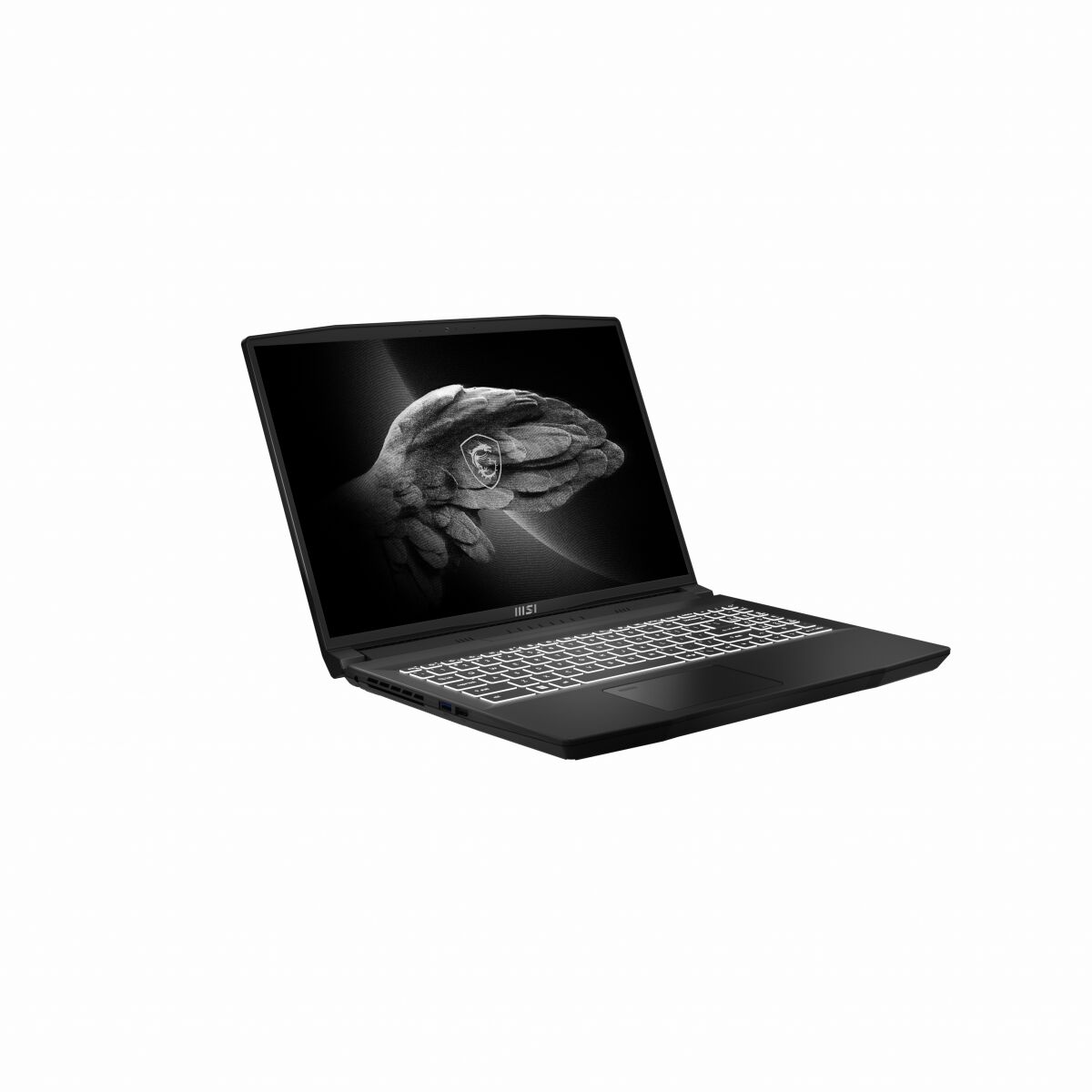
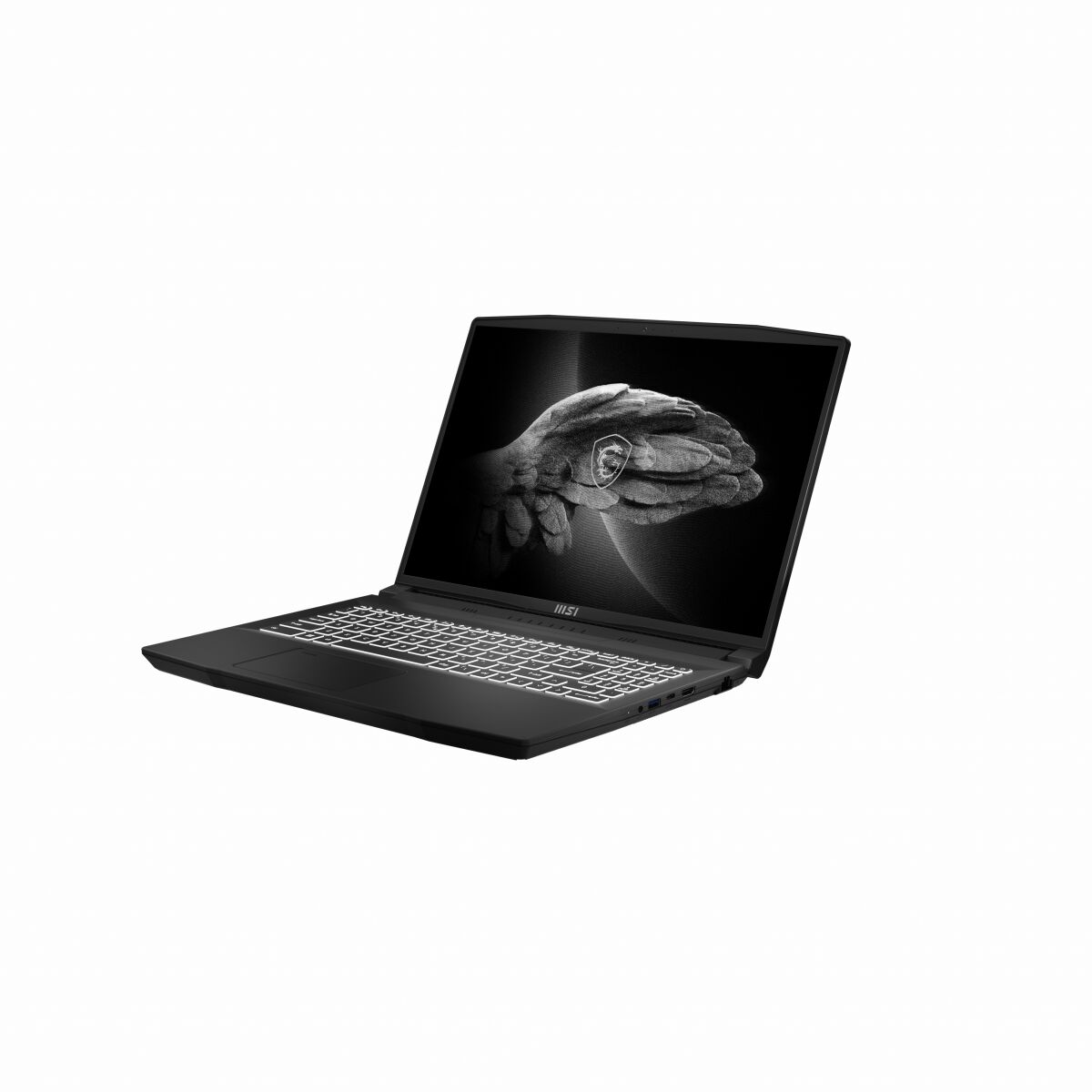
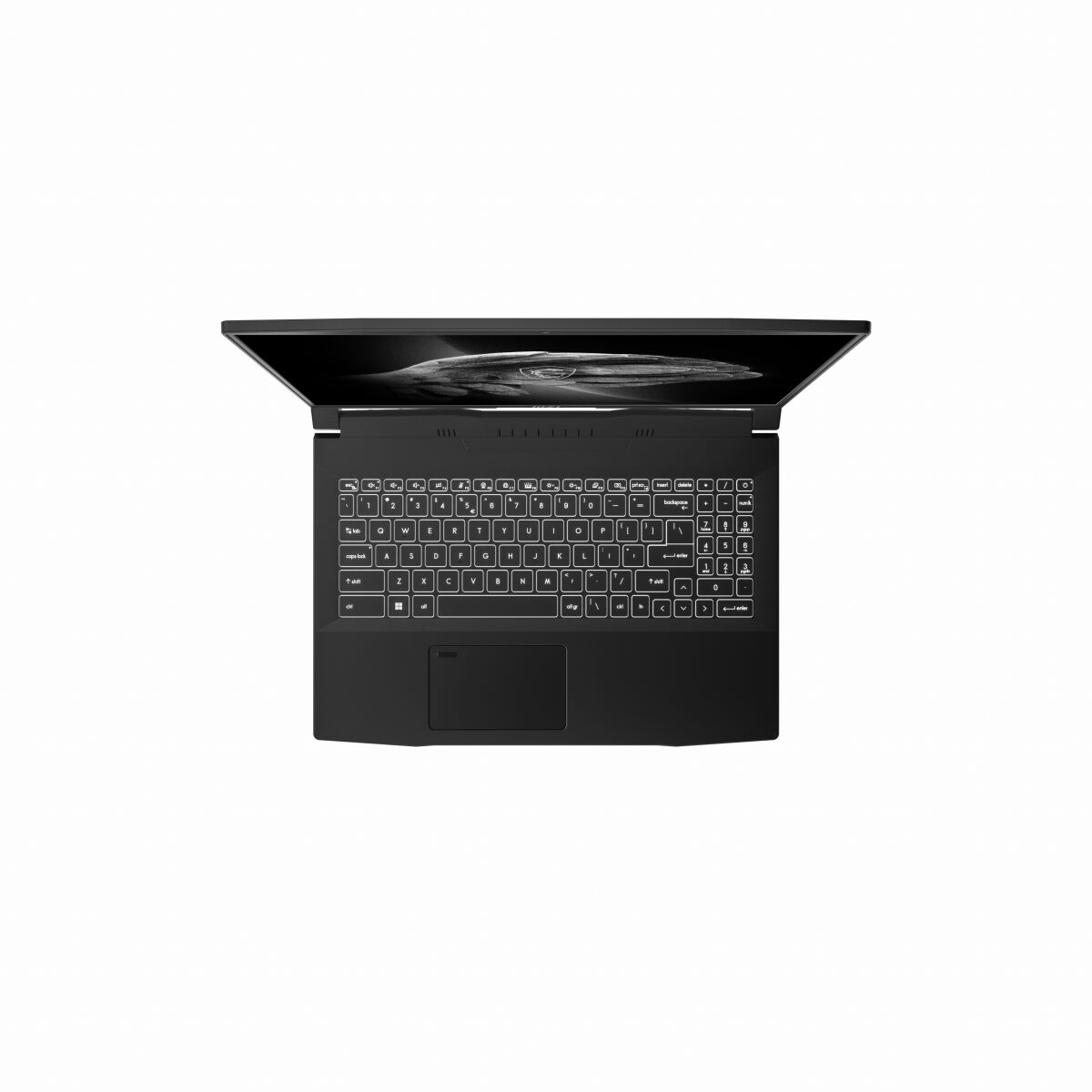
The MSI Creator M16 A12UC-237AU laptop features DDR4-SDRAM memory upgrade capabilities with two SO-DIMM slots supporting a maximum RAM capacity of 64 GB. This model is compatible with DDR4 memory modules operating at 3200 MHz frequency. Users seeking memory expansion can install compatible DDR4 SO-DIMM modules in the available slots to enhance system performance and multitasking capabilities.
Memory Upgrade Specifications
| Specification | Value |
|---|---|
| Memory slots | 2x SO-DIMM |
| Form factor | SO-DIMM |
| Memory type | DDR4-SDRAM |
| Frequency | 3200 MHz |
| Maximum RAM | 64 GB |
| Voltage | 1.2V |
| Number of pins | 260-pin |
| Interface | PC4 |
| PC Speed Rating | PC4-3200 (PC4-25600) |
| Bandwidth | 25.6 GB/s |
| Laptop Release date | 20 July 2022 |
Additional Notes
- The MSI Creator M16 A12UC-237AU contains 2 SO-DIMM slots operating at 3200 MHz, permitting symmetric dual-channel configurations up to 64 GB total capacity.
- DDR4-3200 memory modules represent the platform's maximum supported frequency; installing faster DDR4 variants (3600 MHz, 4000 MHz) will downclock to 3200 MHz, negating performance gains while increasing cost without benefit.
- The dual-slot architecture creates a bandwidth ceiling of approximately 51 GB/s under ideal conditions; memory-intensive workloads (video encoding, 3D rendering, machine learning inference) cannot exceed this throughput regardless of CPU capability.
- Single-module upgrades incur a performance penalty; operating with one populated slot disables dual-channel architecture, reducing effective bandwidth by 50 percent and increasing memory latency by 10-15 percent compared to symmetric configurations.
- SO-DIMM form factor limits upgrade options to laptop-specific memory modules; standard UDIMM desktop variants are physically incompatible and cannot be force-fitted without component damage.
- Upgrading from existing stock to maximum capacity (64 GB) requires replacing both modules simultaneously; the original pair cannot remain installed alongside new memory, necessitating removal and either retention for secondary use or disposal.
- DDR4 memory operates within a fixed voltage envelope of 1.2 volts; modules rated for higher voltages (1.35 V low-voltage variants, 1.5 V standard) may trigger BIOS errors or fail to initialize, as the system lacks voltage adjustment controls.
- The 12th-generation Intel processor core supports only DDR4 technology; DDR5 memory modules cannot function in this platform regardless of physical adaptation, restricting future memory generations to existing DDR4 stock.