MSI Creator M16 A12UC-284 RAM upgrade specifications
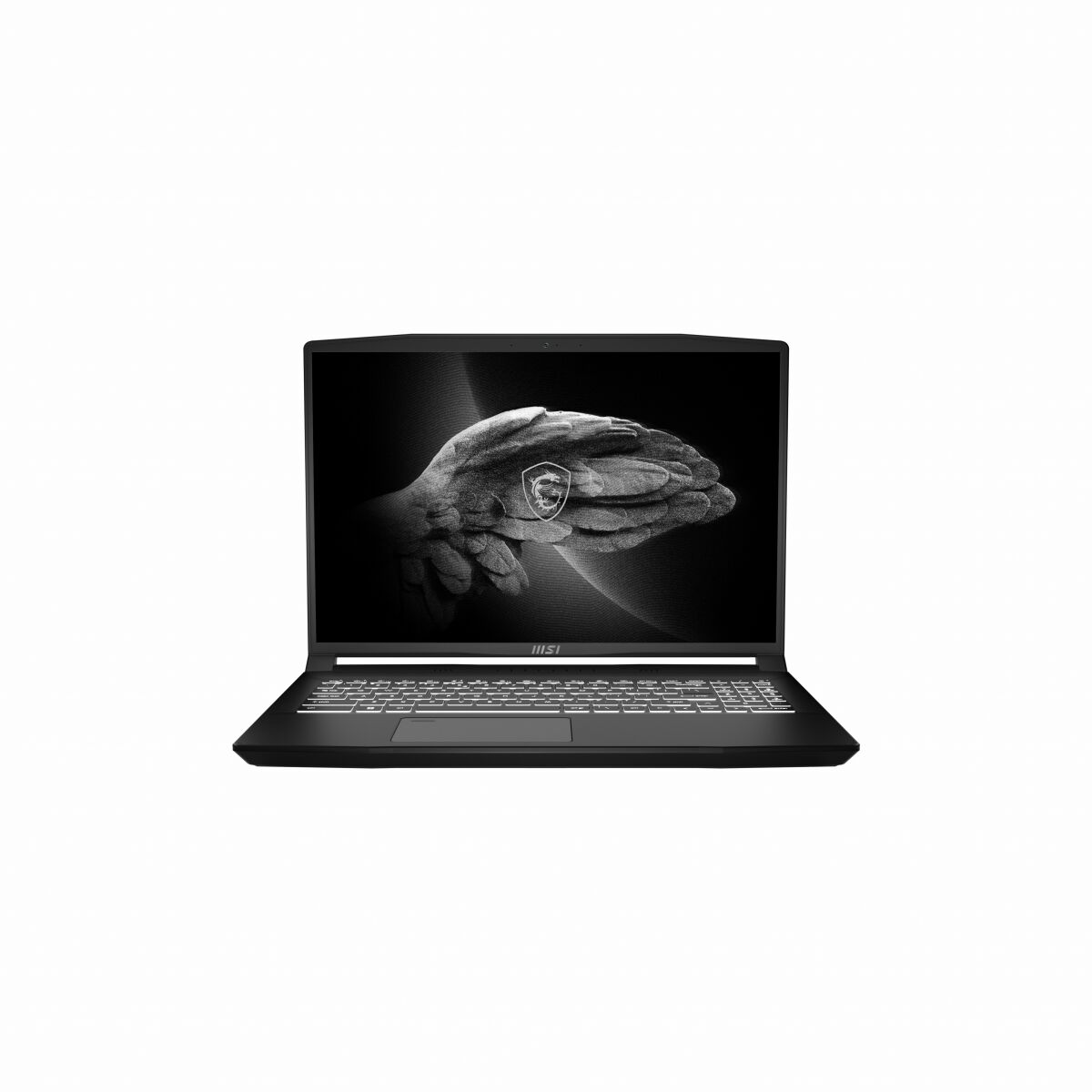
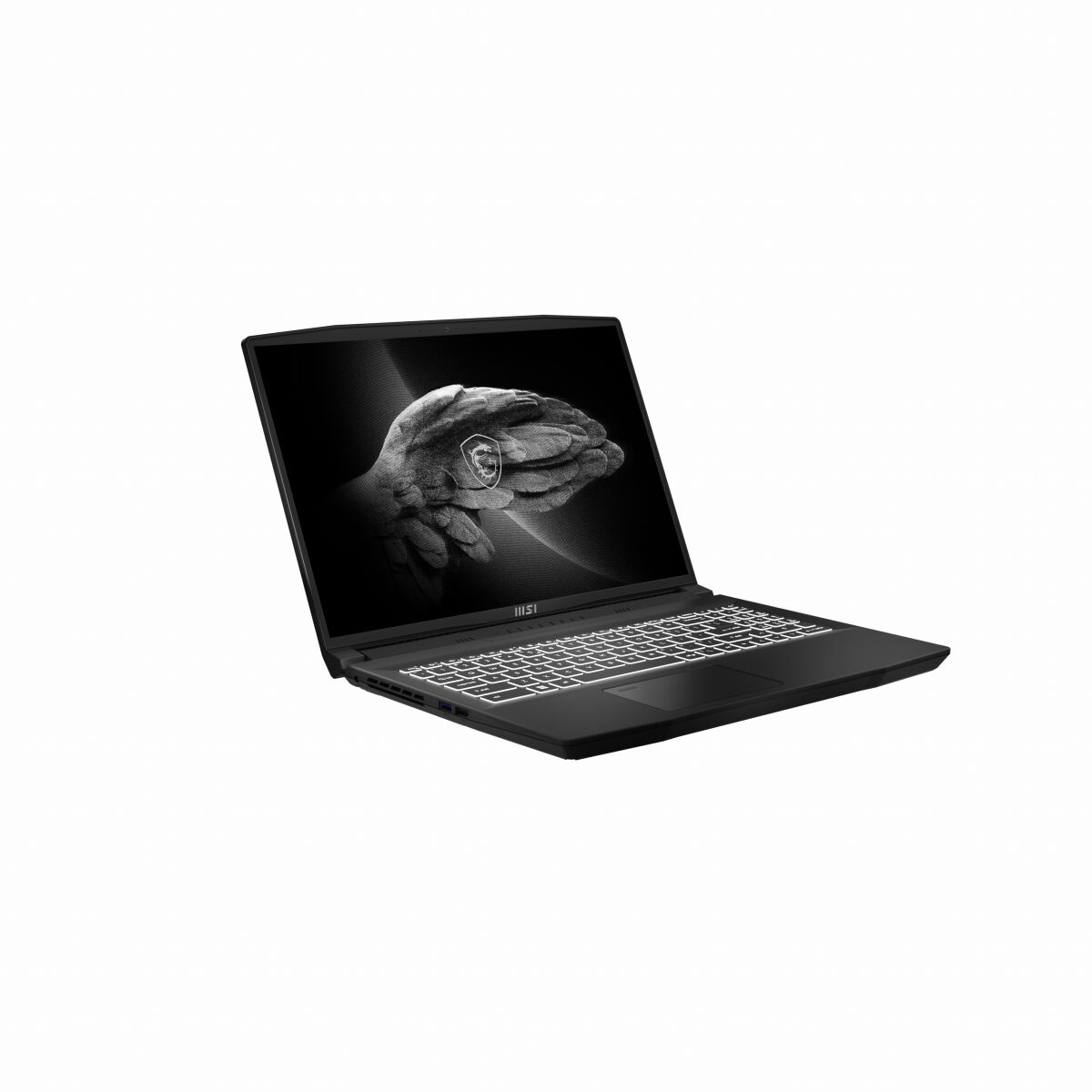
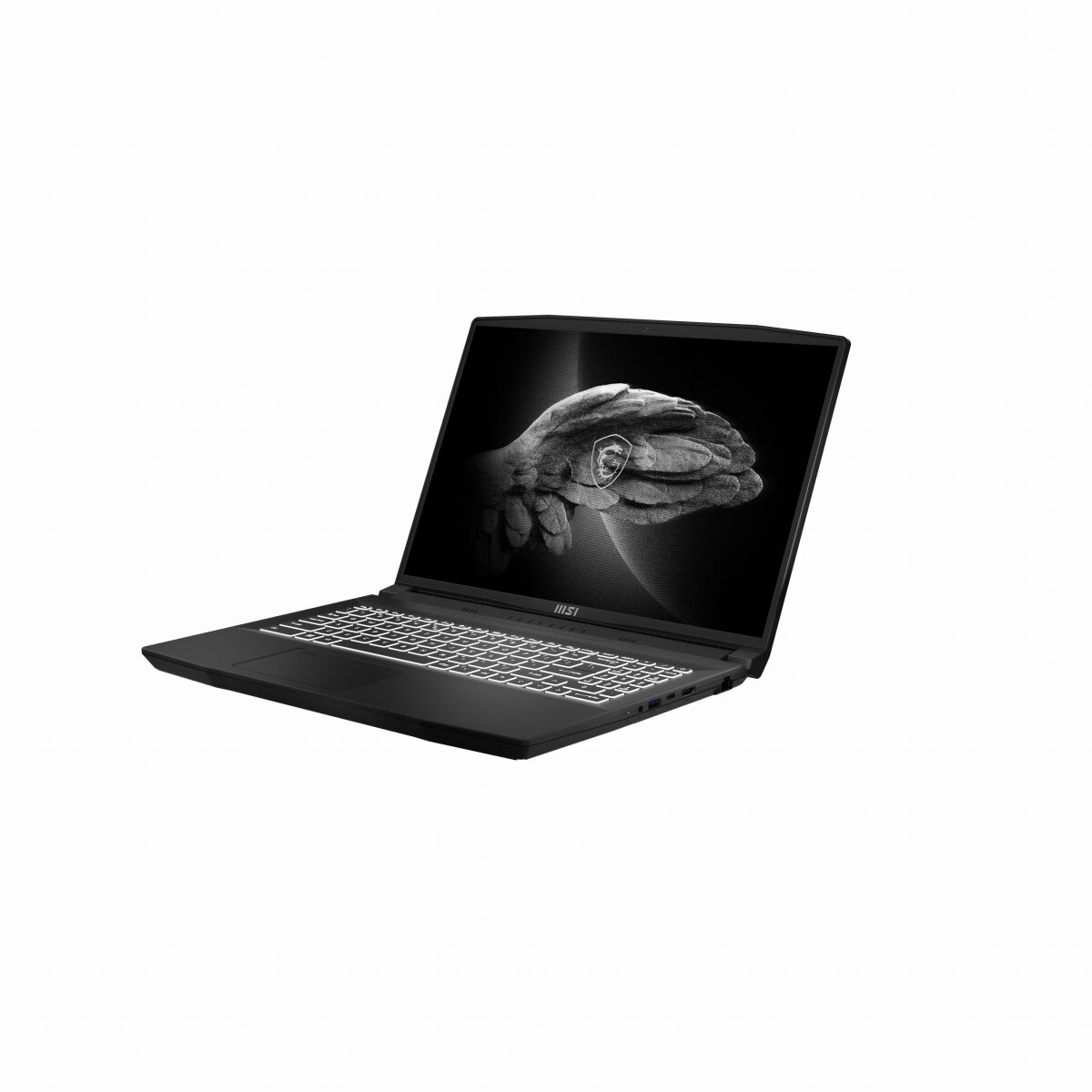
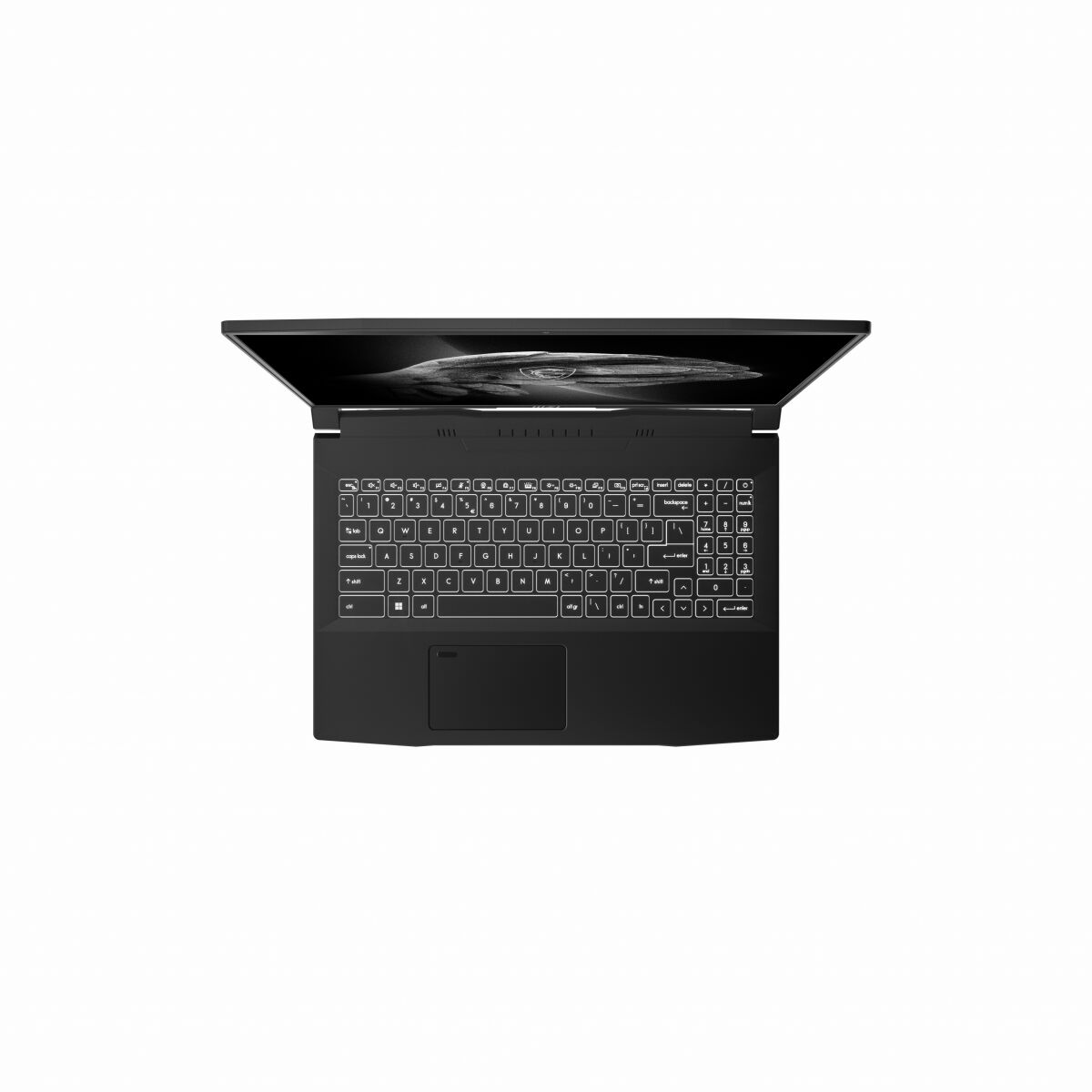
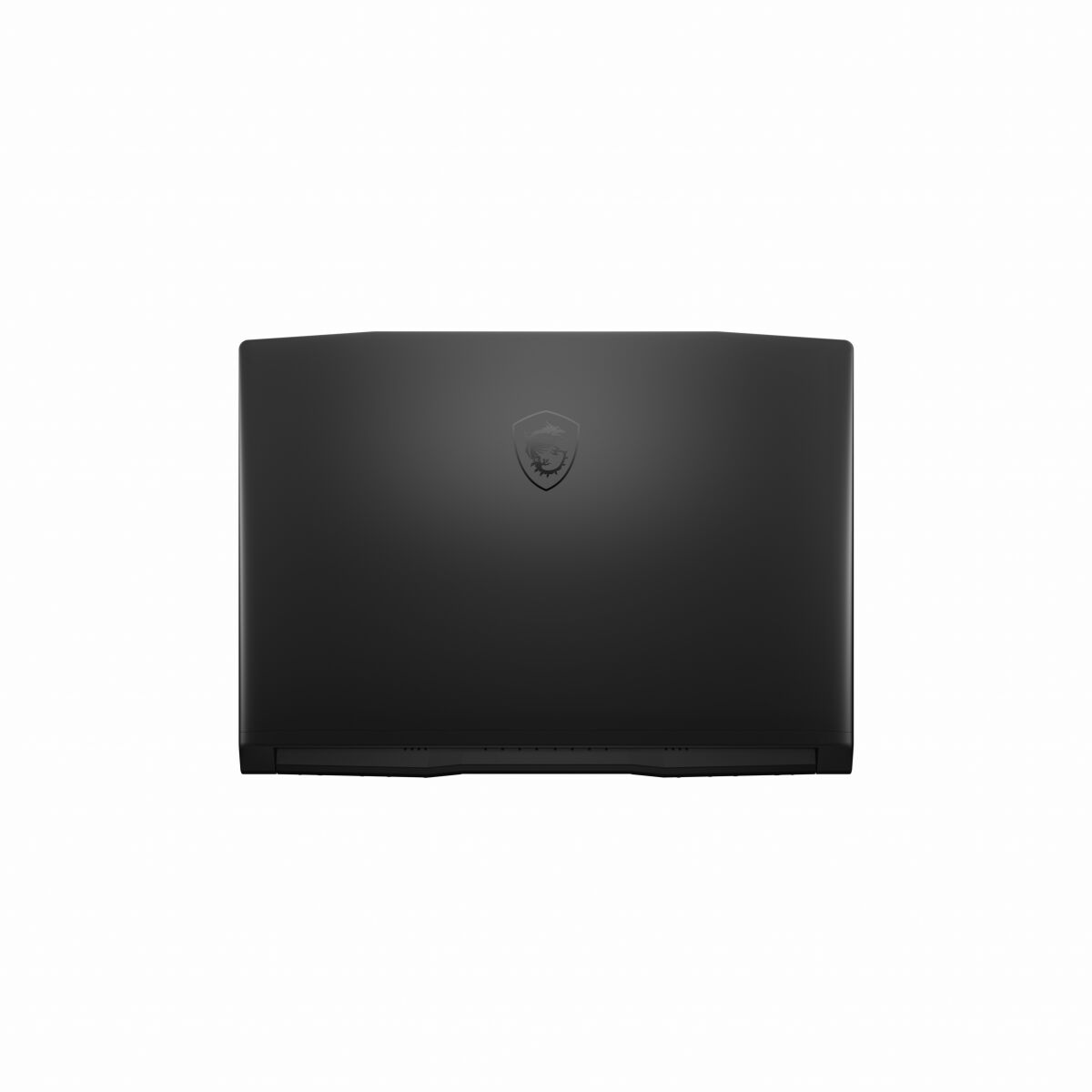
MSI M16 A12UC-284 laptop supports DDR4-SDRAM memory upgrades through two SO-DIMM slots. Maximum RAM capacity reaches 64 GB total. Memory operates at 3200 MHz frequency. Upgrade specifications indicate compatible SO-DIMM modules for Creator series M16 model. Stock configuration memory can be replaced or supplemented to achieve maximum supported capacity. DDR4 specifications define compatible RAM for MSI M16 A12UC-284 expansion requirements.
Memory Upgrade Specifications
| Specification | Value |
|---|---|
| Memory slots | 2x SO-DIMM |
| Form factor | SO-DIMM |
| Memory type | DDR4-SDRAM |
| Frequency | 3200 MHz |
| Maximum RAM | 64 GB |
| Voltage | 1.2V |
| Number of pins | 260-pin |
| Interface | PC4 |
| PC Speed Rating | PC4-3200 (PC4-25600) |
| Bandwidth | 25.6 GB/s |
| Laptop Release date | 22 January 2022 |
Additional Notes
- The MSI Creator M16 A12UC-284 contains 2 SO-DIMM slots operating at 3200 MHz, which establishes a hard ceiling of 64 GB total capacity. This configuration allows for symmetrical dual-channel memory architecture when both slots are populated with matched modules.
- DDR4-3200 memory operates within the JEDEC standard specification range. Aftermarket modules rated above 3200 MHz will downclock to the native 3200 MHz frequency, negating any performance premium from higher-rated components unless modified through BIOS settings.
- SO-DIMM form factor constraints restrict upgrade options to laptop-specific memory modules, which carry a 15-25% price premium over desktop DDR4 equivalents. Standard 288-pin UDIMM modules are physically incompatible with the 2 SO-DIMM slots.
- Single-slot population introduces asymmetrical memory access latency and reduces bandwidth utilization. Populating one slot while leaving the other vacant degrades performance below the dual-channel baseline, particularly during memory-intensive operations exceeding L3 cache capacity.
- The 2x SO-DIMM configuration requires matched module pairs to achieve rated performance. Mixing different manufacturers, densities, or timing profiles risks instability and potential data corruption, though the system will typically default to the slower module's specifications.
- Upgrading from the likely factory configuration (1x32 GB or 2x16 GB) to maximum capacity (2x32 GB) represents a warranty-safe procedure when using OEM-approved or JEDEC-compliant modules. Most manufacturers void coverage only for non-standard overclocking or incompatible form factors.