MSI Creator Z16 A12UET-019NL RAM upgrade specifications
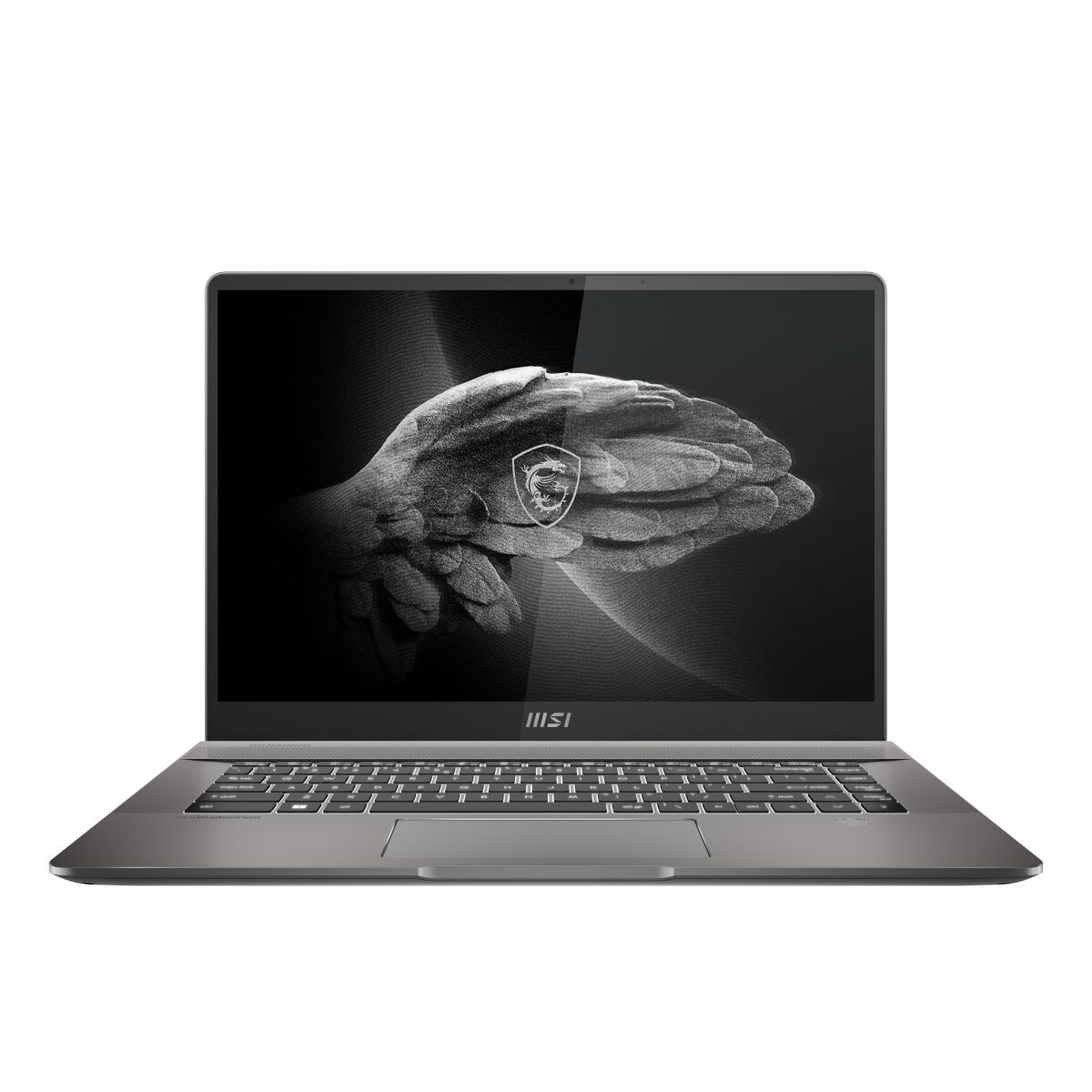
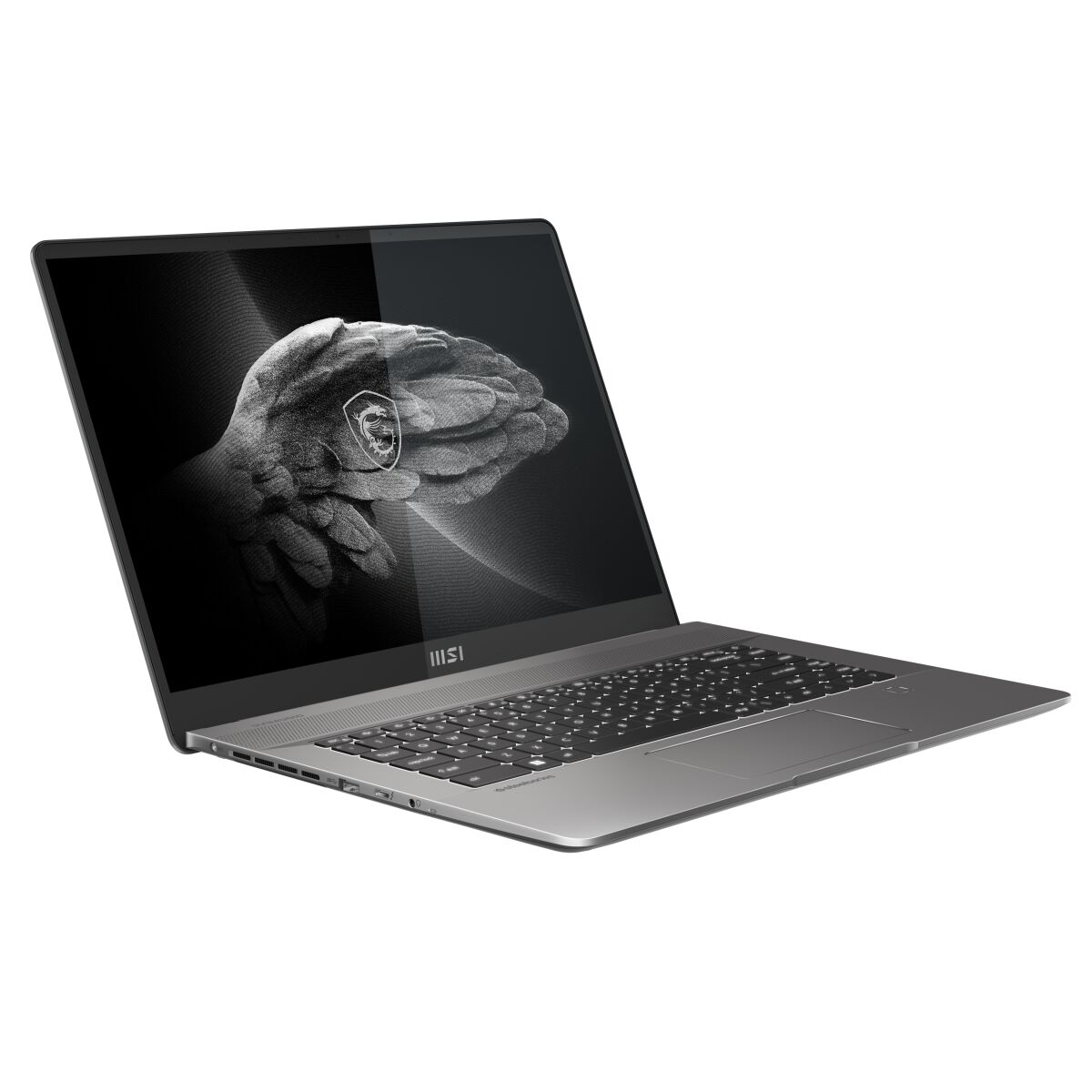

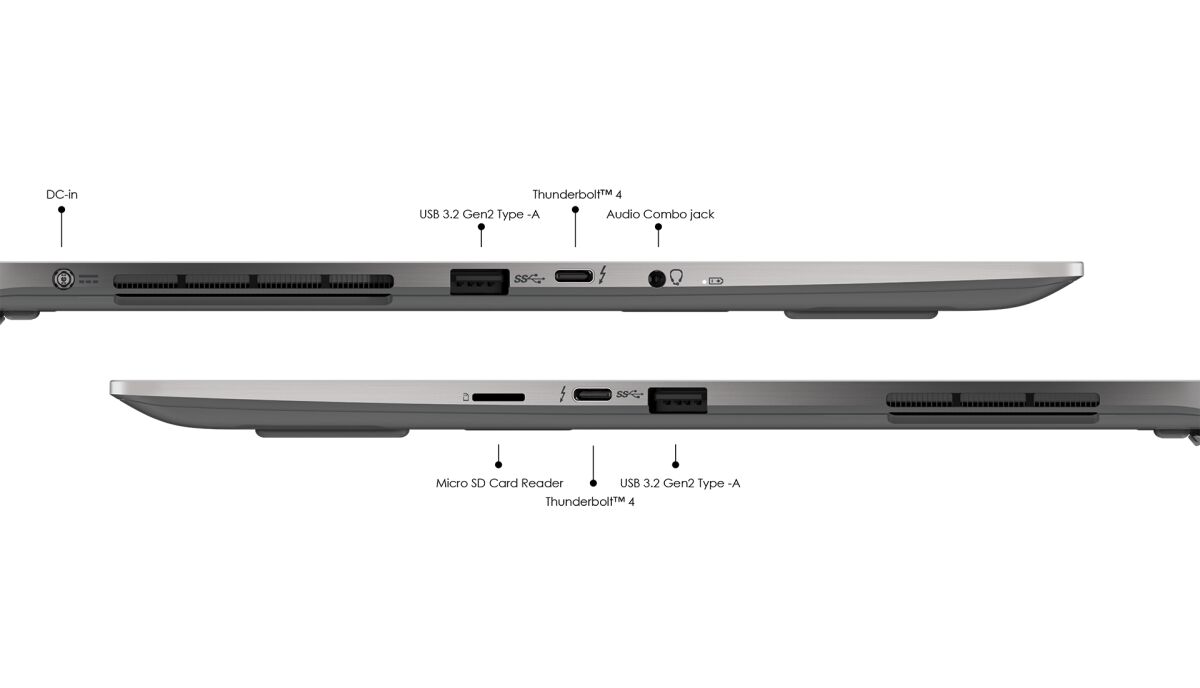
MSI Z16 Creator series model A12UET-019NL supports DDR5-SDRAM memory upgrades via two SO-DIMM slots. Maximum RAM capacity reaches 64 GB total. Compatible memory operates at 4800 MHz frequency. Specifications indicate support for DDR5 technology in standard SO-DIMM form factor, enabling memory expansion for enhanced multitasking and performance capabilities on the Z16 A12UET-019NL laptop.
Memory Upgrade Specifications
| Specification | Value |
|---|---|
| Memory slots | 2x SO-DIMM |
| Form factor | SO-DIMM |
| Memory type | DDR5-SDRAM |
| Frequency | 4800 MHz |
| Maximum RAM | 64 GB |
| Voltage | 1.1V |
| Number of pins | 262-pin |
| Interface | PC5 |
| PC Speed Rating | PC5-4800 (PC5-38400) |
| Bandwidth | 38.4 GB/s |
| Laptop Release date | 26 January 2022 |
Additional Notes
- DDR5 memory operates at significantly higher bandwidth than DDR4, enabling faster data transfers to the CPU and GPU. The 4800 MHz frequency standard on the MSI Creator Z16 A12UET-019NL means sustained throughput improvements for content creation workflows, particularly in video rendering and large image processing where memory bandwidth directly affects task completion time.
- SO-DIMM form factor restricts upgrade options to laptop-specific modules only. Desktop DDR5 DIMM modules cannot be physically inserted into the 2 slots, eliminating cross-platform RAM compatibility and requiring careful vendor verification before purchase to ensure laptop-grade specifications.
- The 64 GB maximum capacity ceiling represents a hard limit imposed by BIOS and chipset design. Installing matched 32 GB SO-DIMM modules would saturate this capacity and prevent any future memory expansion, making it a terminal upgrade decision rather than an intermediate step.
- DDR5-SDRAM modules with rated speeds above 4800 MHz may operate at reduced speeds on this system depending on BIOS configuration and XMP/EXPO profile support. Profile stability cannot be guaranteed without manufacturer validation, potentially causing system instability if aggressive timings are forced.
- The dual-slot architecture creates a single point of failure risk. Loss of one module results in complete memory loss rather than degraded performance, unlike 4-slot configurations that permit partial operation.
- Heat dissipation becomes relevant at DDR5 speeds and clock frequencies. Modules with integrated heatspreaders may encounter physical clearance issues with system components positioned above the SODIMM slots, particularly if the laptop uses low-profile cooling solutions.