MSI Creator Z16 A12UET-020BE RAM upgrade specifications



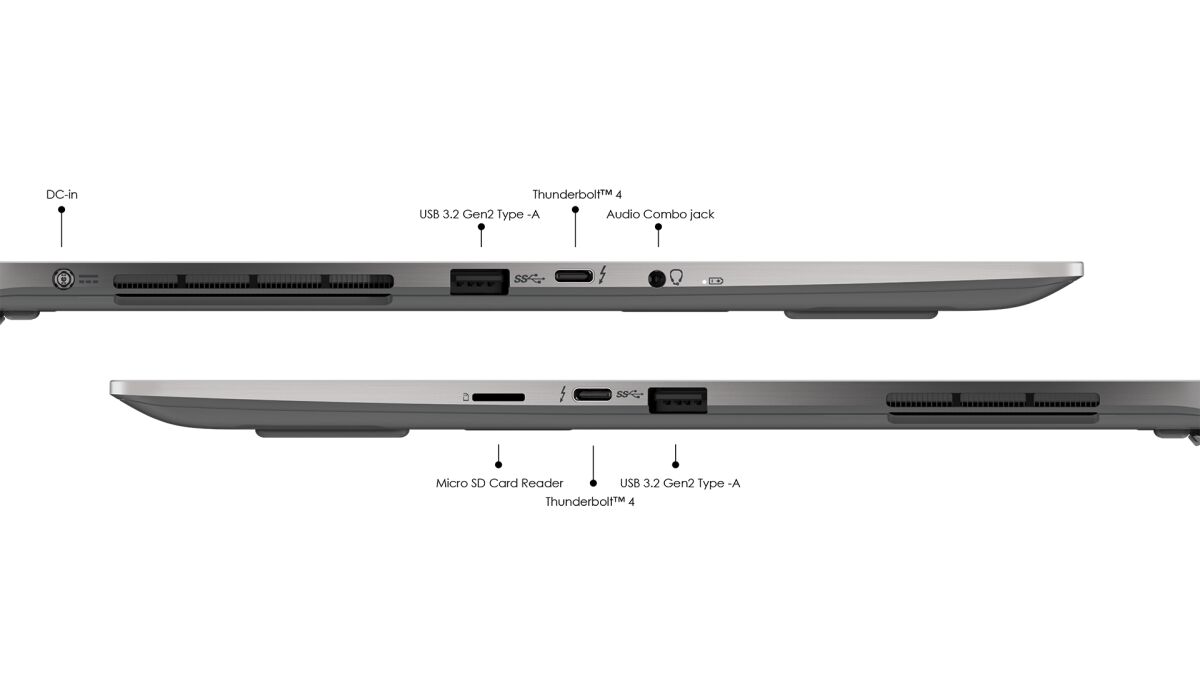
MSI Z16 A12UET-020BE Creator series laptop memory upgrade specifications include DDR5-SDRAM compatible modules in SO-DIMM form factor. The system contains 2 memory slots supporting maximum RAM capacity of 64 GB total. Upgrade modules operate at 4800 MHz frequency. Compatible memory specifications enable expansion of existing RAM capacity through replacement or addition of DDR5 SO-DIMM modules meeting MSI Z16 A12UET-020BE compatibility requirements.
Memory Upgrade Specifications
| Specification | Value |
|---|---|
| Memory slots | 2x SO-DIMM |
| Form factor | SO-DIMM |
| Memory type | DDR5-SDRAM |
| Frequency | 4800 MHz |
| Maximum RAM | 64 GB |
| Voltage | 1.1V |
| Number of pins | 262-pin |
| Interface | PC5 |
| PC Speed Rating | PC5-4800 (PC5-38400) |
| Bandwidth | 38.4 GB/s |
| Laptop Release date | 26 January 2022 |
Additional Notes
- The MSI Creator Z16 A12UET-020BE accommodates DDR5 SO-DIMM modules exclusively; DDR4 memory remains incompatible regardless of physical adaptation attempts.
- A single SO-DIMM slot upgrade path exists from factory configuration to 64 GB total capacity, enabling asymmetrical configurations during transition phases without full replacement.
- DDR5-4800 MHz operation requires BIOS validation of non-standard modules; third-party memory modules not on the manufacturer's qualified vendor list may require manual timing adjustments or reduced frequency stability.
- The 2-slot architecture creates a hard ceiling on memory expansion; secondary storage caching and virtual memory become the only scalability mechanisms beyond the 64 GB maximum.
- SO-DIMM replacement procedures typically require palmrest or keyboard deck removal, extending service time compared to standard laptop disassembly protocols and potentially voiding coverage if unauthorized technicians perform installation.
- DDR5 module latency and power delivery characteristics differ significantly from DDR4 architecture; mixing generations or non-validated timings (CAS latency, voltage profiles) can trigger system instability or force automatic frequency throttling.
- Single-channel memory operation occurs during the upgrade window when only 1 slot contains a module; bandwidth reduction of approximately 50 percent persists until dual-channel population completes, affecting sustained workload performance metrics.