MSI Creator Z16 A12UET-029AU RAM upgrade specifications
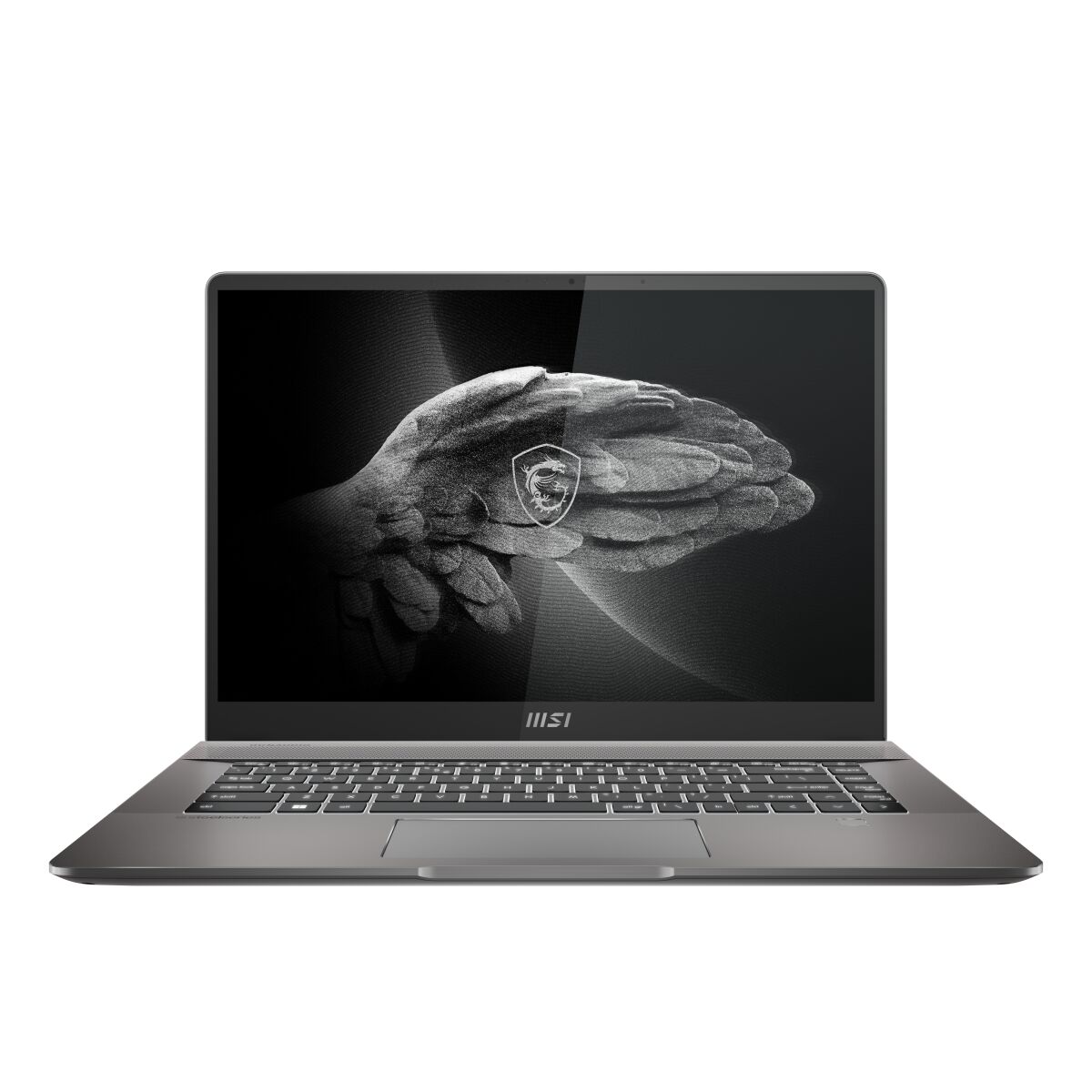
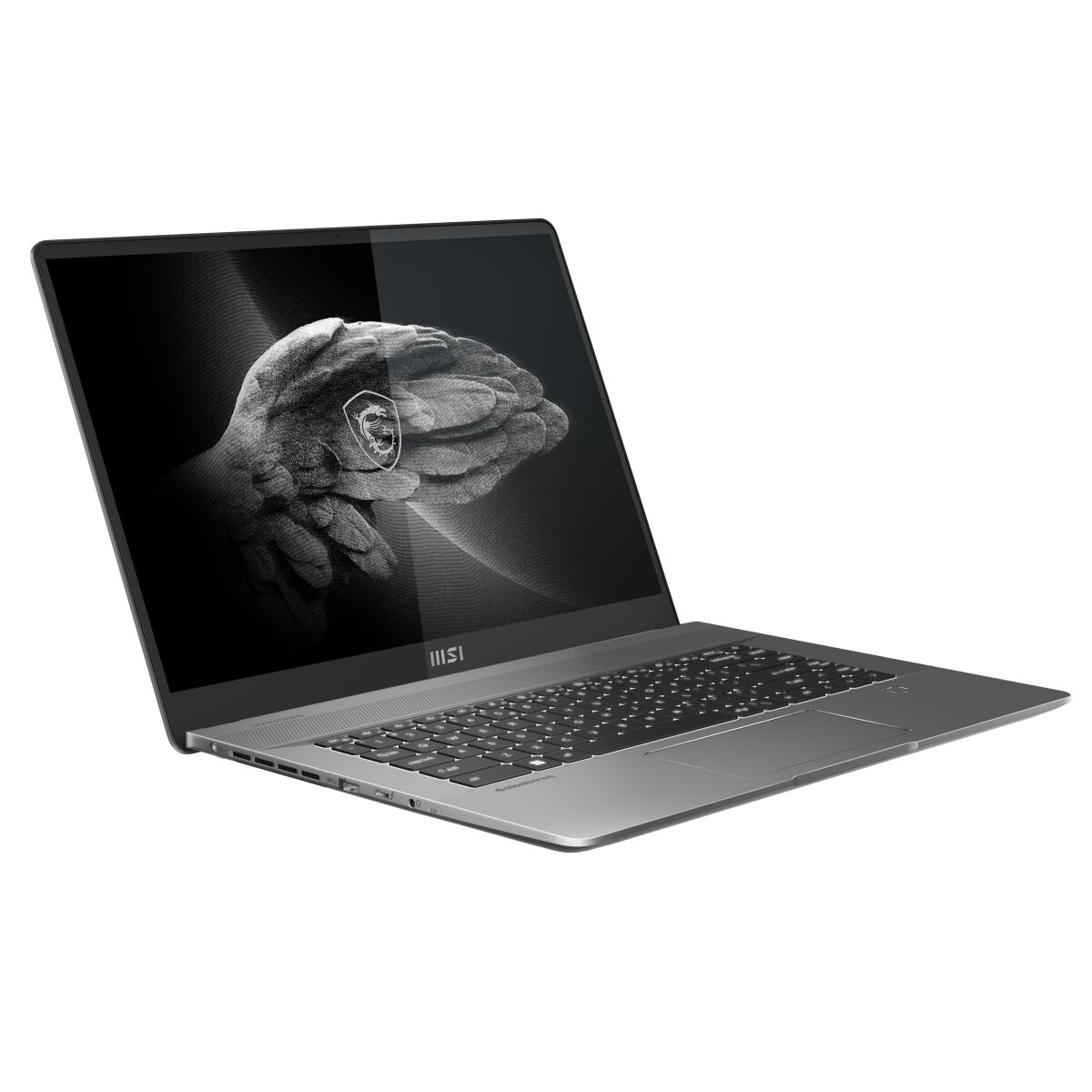
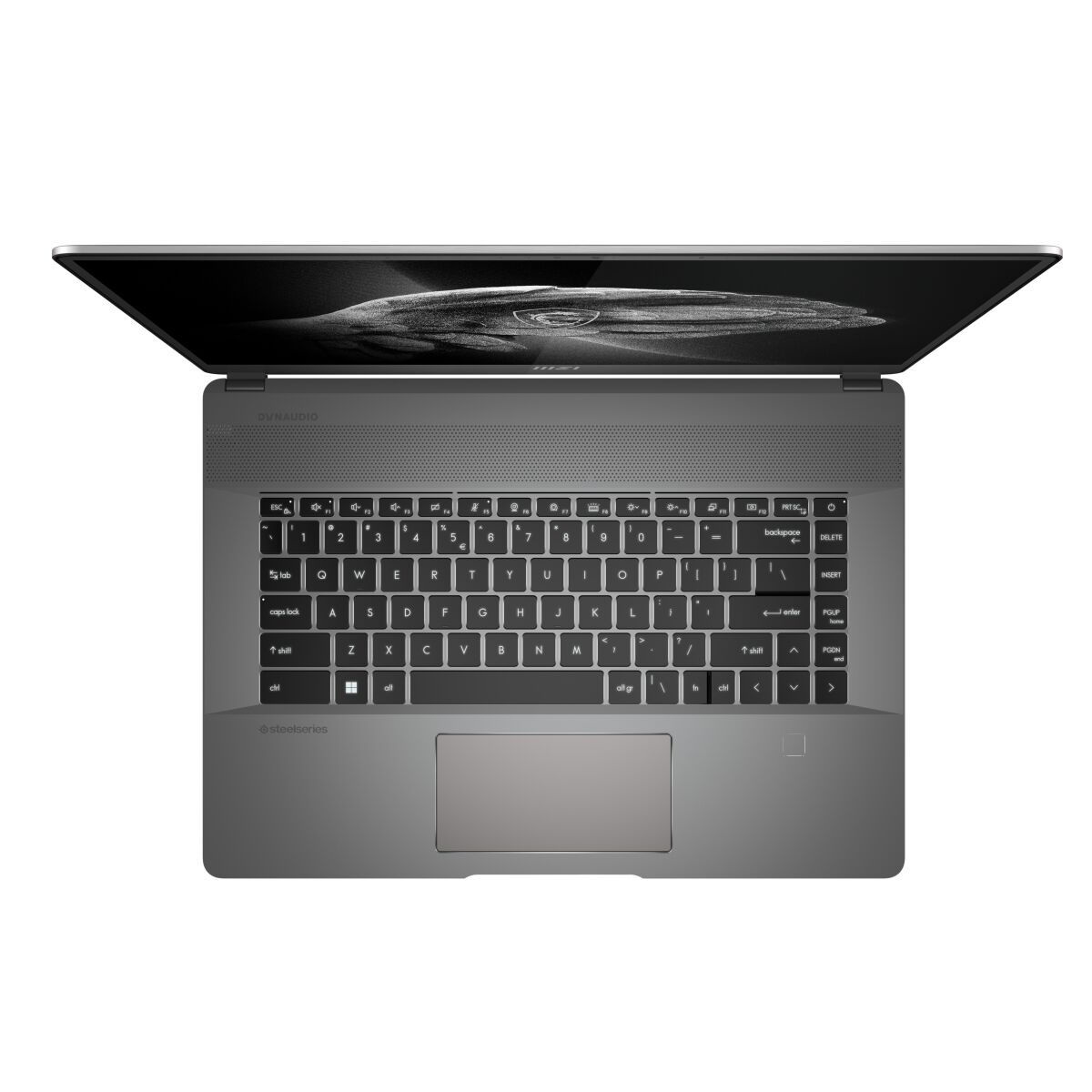
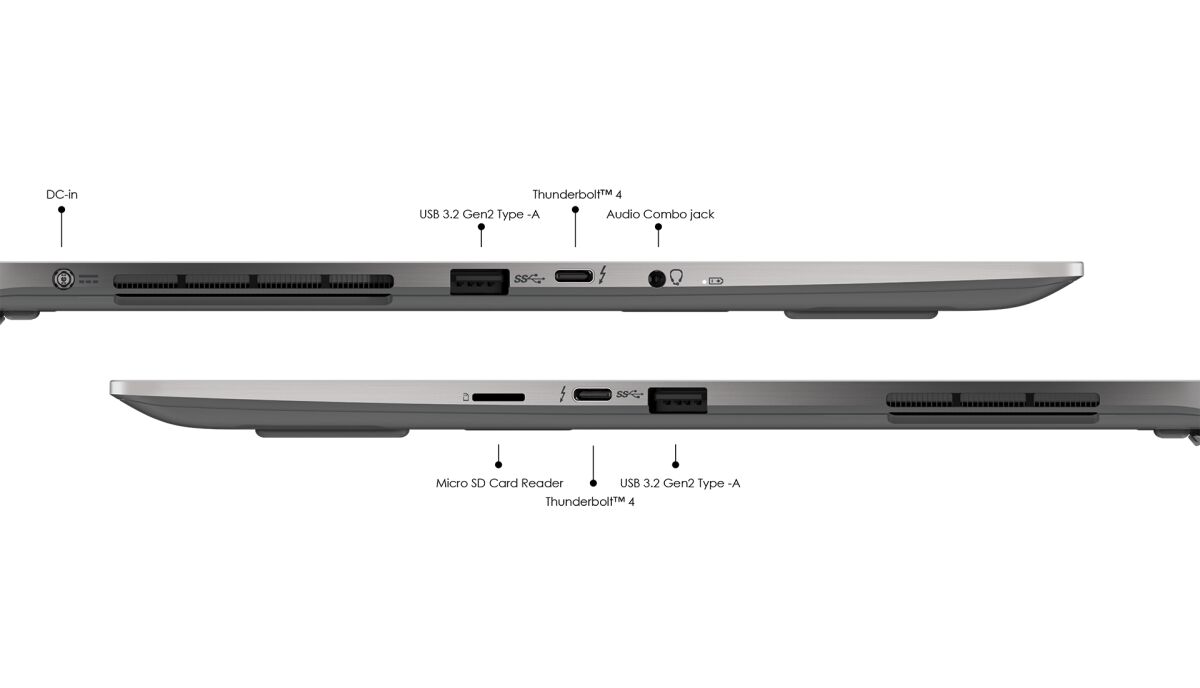
The MSI Creator Z16 A12UET-029AU laptop features DDR5-SDRAM memory upgrade specifications with 2 SO-DIMM slots supporting maximum RAM capacity of 64 GB total. Compatible memory modules operate at 4800 MHz frequency. The upgrade specifications indicate DDR5 technology in SO-DIMM form factor. Users requiring expanded memory capacity can upgrade the existing RAM configuration up to the maximum supported capacity of 64 GB across the available memory slots in the Z16 Creator series model.
Memory Upgrade Specifications
| Specification | Value |
|---|---|
| Memory slots | 2x SO-DIMM |
| Form factor | SO-DIMM |
| Memory type | DDR5-SDRAM |
| Frequency | 4800 MHz |
| Maximum RAM | 64 GB |
| Voltage | 1.1V |
| Number of pins | 262-pin |
| Interface | PC5 |
| PC Speed Rating | PC5-4800 (PC5-38400) |
| Bandwidth | 38.4 GB/s |
| Laptop Release date | 20 July 2022 |
Additional Notes
- The dual-slot configuration necessitates the removal of existing modules to reach the maximum capacity since no single-channel expansion head is available.
- The installation of mismatched frequency modules will result in the system downclocking all memory to the lowest common denominator, potentially impacting the high-speed data fabric of the MSI Creator Z16 A12UET-029AU processor.
- Utilizing two identical modules is required to activate dual-channel mode, which significantly increases memory bandwidth for professional rendering and content creation workloads.
- The DDR5 architecture integrates on-die ECC and an internal power management integrated circuit, reducing the voltage regulation burden on the motherboard compared to previous generations.
- Accessing the SO-DIMM slots typically requires the removal of the entire lower chassis panel, which may involve breaking a factory seal depending on regional service policies.
- The 64 GB limit is dictated by the density support of the firmware and existing memory controller, preventing the use of high-density 48 GB or 64 GB single sticks that would exceed the total silicon address space.