MSI Creator Z16P B12UGST-226AU RAM upgrade specifications

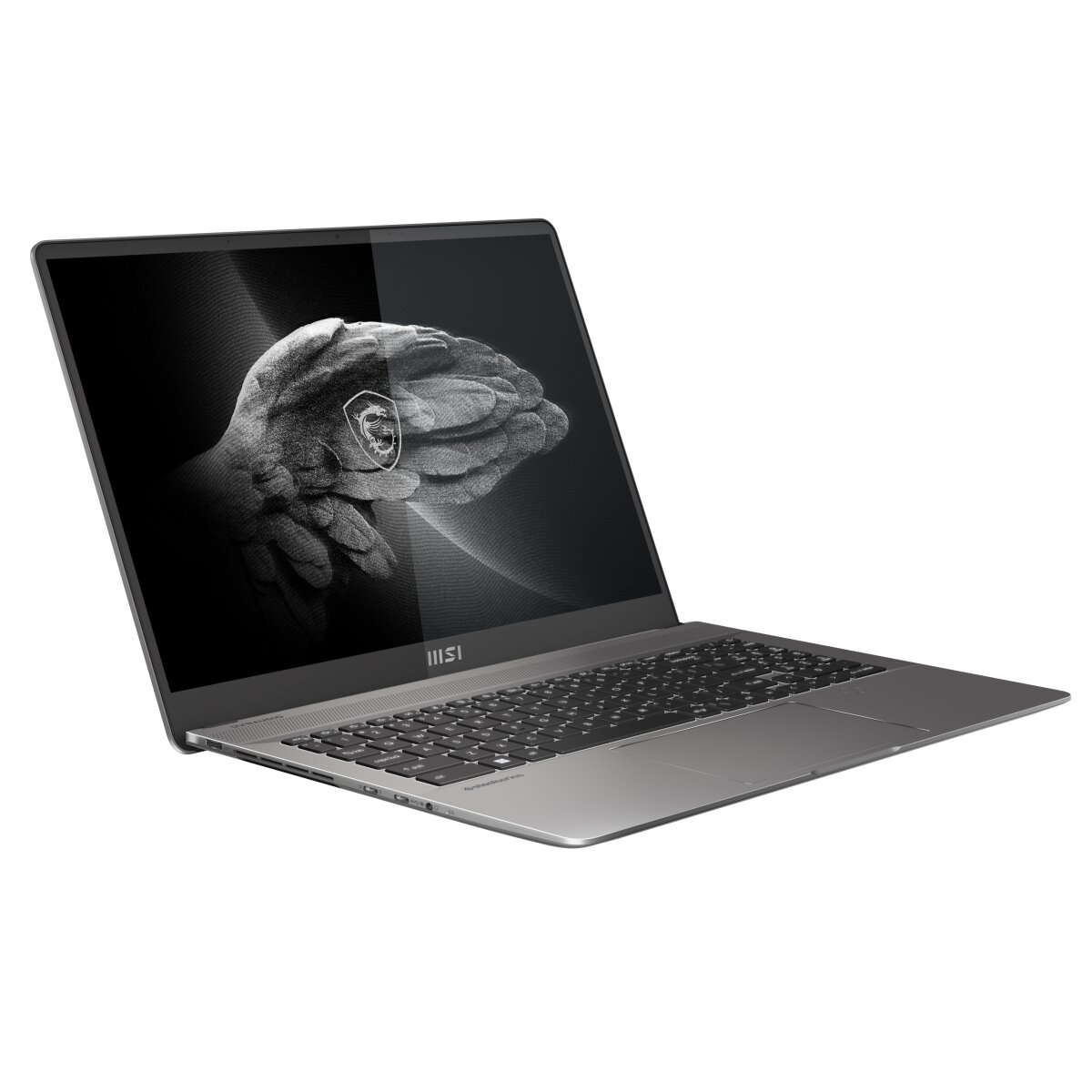


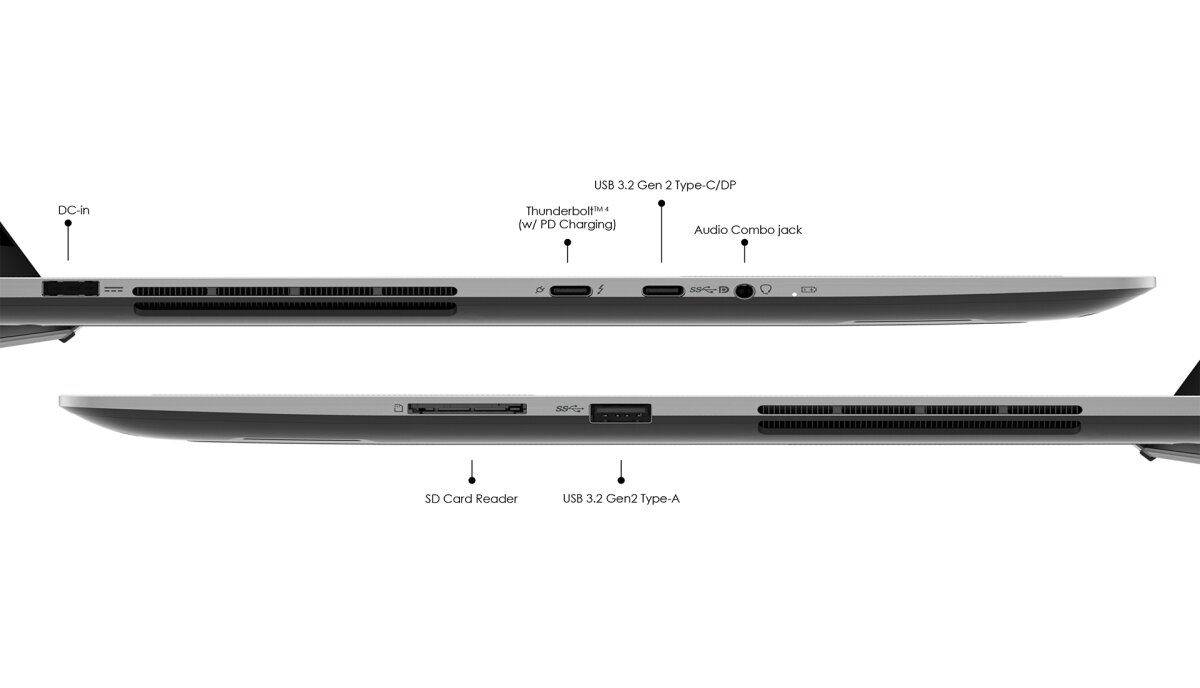
The MSI Creator Z16P B12UGST-226AU laptop features DDR5-SDRAM memory upgrade specifications with two SO-DIMM slots supporting maximum capacity of 64 GB. The system is compatible with DDR5 memory modules operating at 4800 MHz frequency. Upgrade options allow installation of matched pairs to achieve full maximum RAM capacity. The SO-DIMM form factor ensures compatibility with standard laptop memory specifications for the Z16P series.
Memory Upgrade Specifications
| Specification | Value |
|---|---|
| Memory slots | 2x SO-DIMM |
| Form factor | SO-DIMM |
| Memory type | DDR5-SDRAM |
| Frequency | 4800 MHz |
| Maximum RAM | 64 GB |
| Voltage | 1.1V |
| Number of pins | 262-pin |
| Interface | PC5 |
| PC Speed Rating | PC5-4800 (PC5-38400) |
| Bandwidth | 38.4 GB/s |
| Laptop Release date | 16 September 2022 |
Additional Notes
- The MSI Creator Z16P B12UGST-226AU implements DDR5 technology, which requires motherboard-specific voltage regulation that prevents backward compatibility with DDR4 modules due to different pin configurations and notch positions.
- The 64 GB maximum capacity indicates chipset-level memory controller limitations rather than physical slot restrictions, making configurations beyond this threshold incompatible regardless of module availability.
- Dual SO-DIMM architecture enables dual-channel operation when paired modules of identical specifications are installed, effectively doubling memory bandwidth compared to single-channel configurations.
- The 4800 MHz native frequency operates at JEDEC standard timings without requiring XMP profile activation, though actual performance depends on sustained workload thermal conditions within the laptop chassis.
- SO-DIMM form factor modules measure physically smaller than standard DIMMs, restricting upgrade sourcing to laptop-specific memory products that cannot be substituted with desktop components.
- DDR5 architecture incorporates on-die ECC at the DRAM level, though this consumer platform likely does not expose full error correction capabilities available in server-grade implementations.
- The 2-slot configuration creates an upgrade ceiling where moving from 32 GB to 64 GB requires complete module replacement rather than additive expansion, affecting total cost of ownership.
- Memory access latency at DDR5-4800 operates at higher absolute nanosecond values than equivalent DDR4-3200 despite bandwidth improvements, impacting specific latency-sensitive computational tasks differently than throughput-dependent workloads.
- Mixing modules with different speeds will force all memory to operate at the lowest common frequency, negating any performance benefit from higher-rated components in asymmetric configurations.
- The memory subsystem power delivery transitions from motherboard-based regulation in DDR4 to module-integrated PMIC in DDR5, affecting thermal profiles and potentially requiring different cooling considerations during sustained memory-intensive operations.