MSI Creator Z16P B12UHT-067CA RAM upgrade specifications

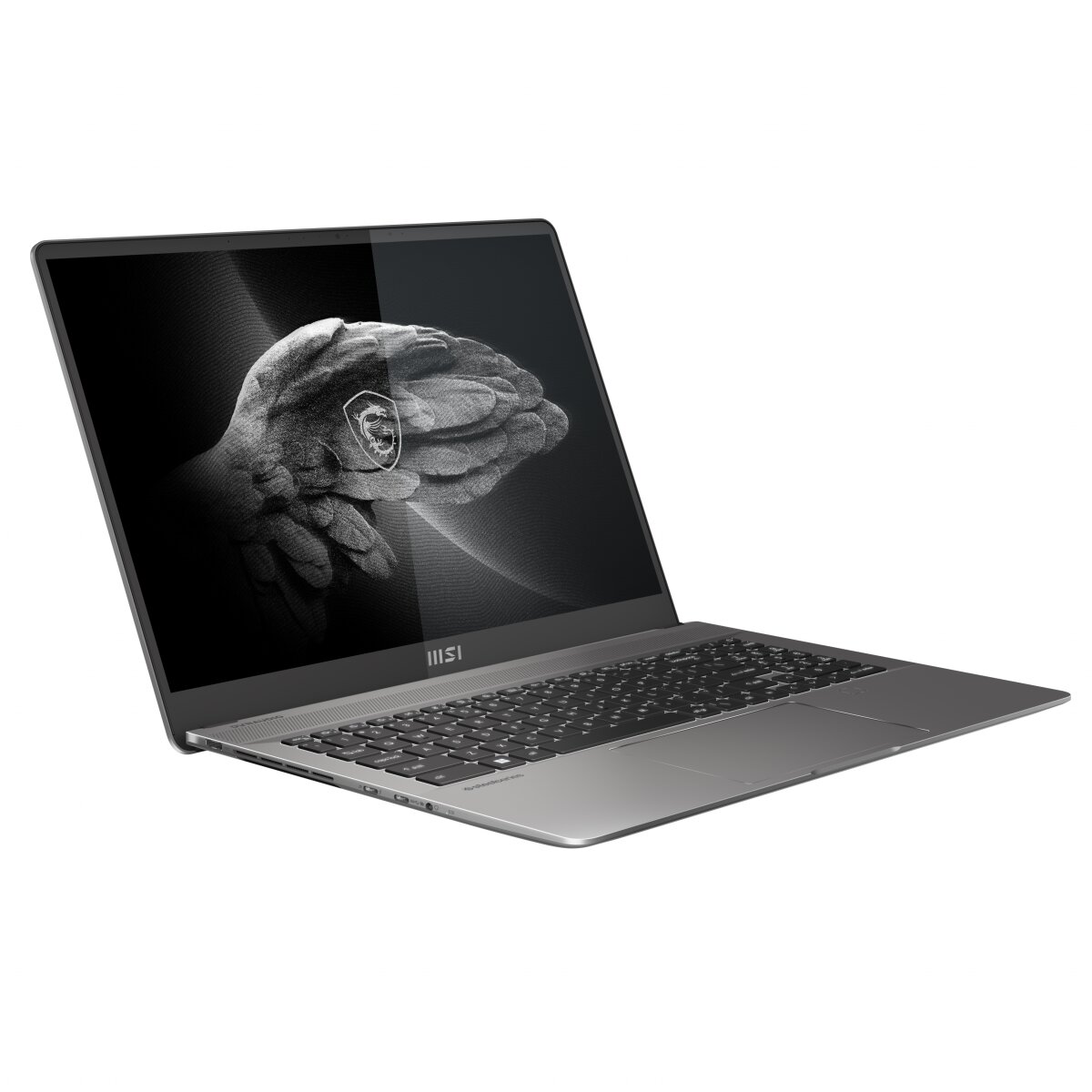
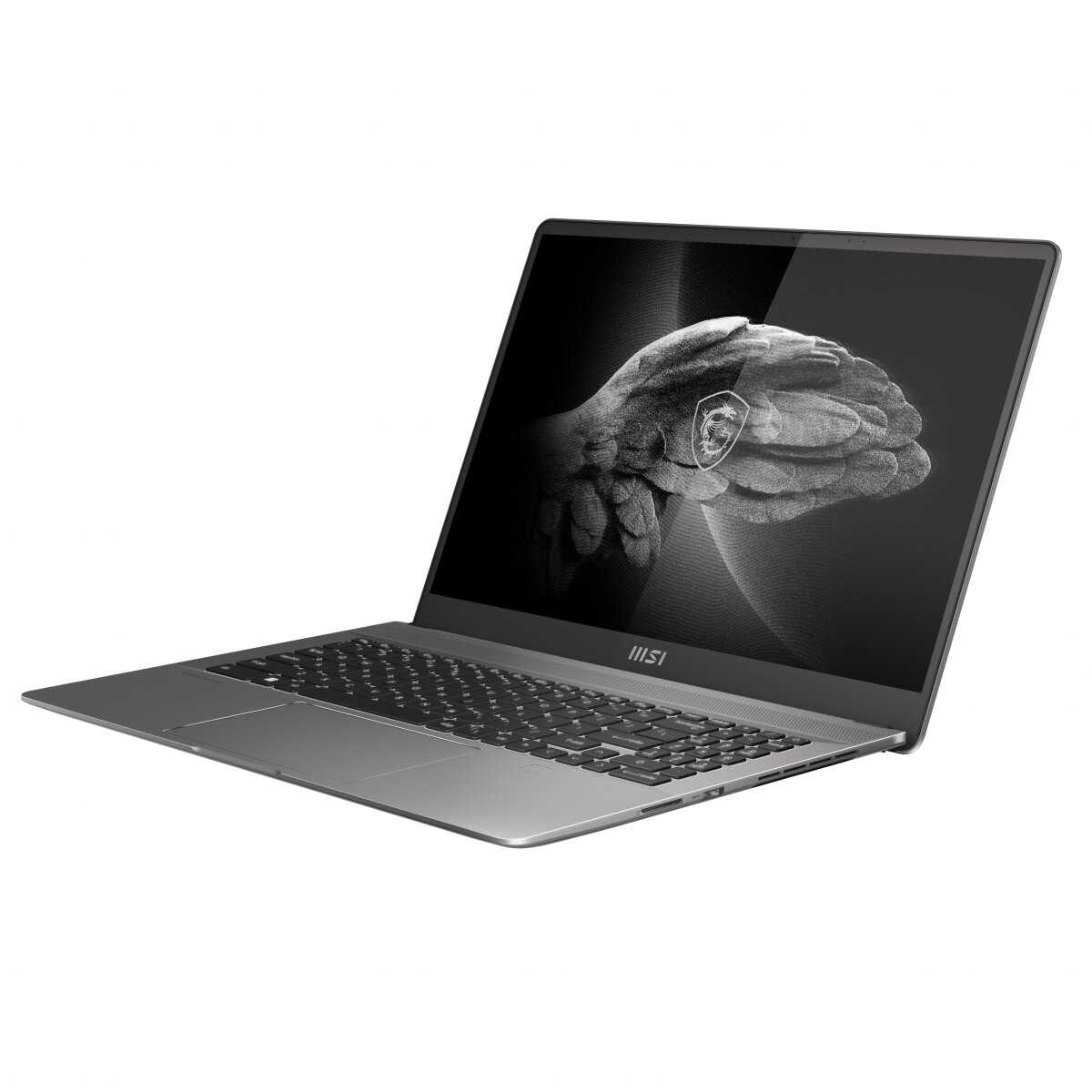

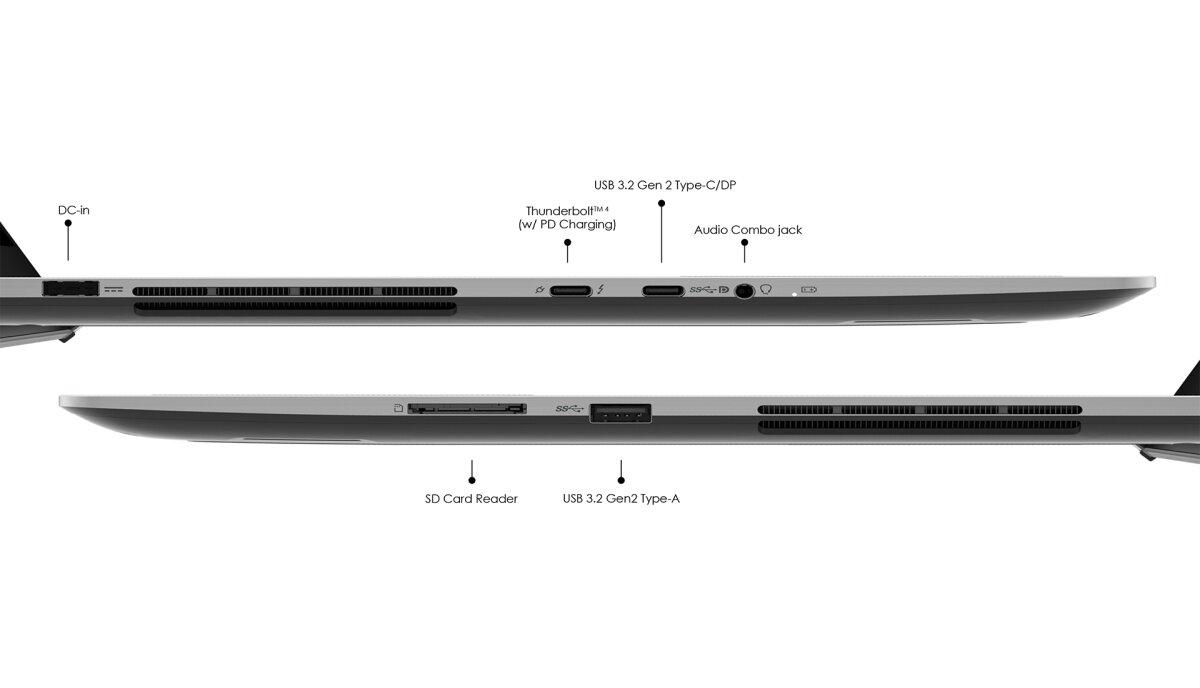
The MSI Creator Z16P B12UHT-067CA features two SO-DIMM memory slots supporting DDR5-SDRAM upgrade specifications. Maximum RAM capacity reaches 64 GB total, with compatible modules operating at 4800 MHz frequency. The laptop accommodates standard SO-DIMM form factor memory upgrades, enabling users to expand system memory from factory configurations. Specifications indicate dual-slot architecture compatible with DDR5 technology, providing upgrade flexibility for memory-intensive applications and multitasking performance enhancements.
Memory Upgrade Specifications
| Specification | Value |
|---|---|
| Memory slots | 2x SO-DIMM |
| Form factor | SO-DIMM |
| Memory type | DDR5-SDRAM |
| Frequency | 4800 MHz |
| Maximum RAM | 64 GB |
| Voltage | 1.1V |
| Number of pins | 262-pin |
| Interface | PC5 |
| PC Speed Rating | PC5-4800 (PC5-38400) |
| Bandwidth | 38.4 GB/s |
| Laptop Release date | 26 January 2023 |
Additional Notes
- The MSI Creator Z16P B12UHT-067CA supports only DDR5 modules, making DDR4 memory incompatible regardless of speed or capacity ratings.
- The 2 SO-DIMM configuration requires replacing existing modules rather than adding to them when upgrading to the maximum 64 GB capacity.
- Reaching the 64 GB limit necessitates installing 2 modules of 32 GB each, as smaller capacity configurations leave unused potential.
- DDR5 modules operating above 4800 MHz will downclock to match the system's native frequency specification, eliminating performance gains from higher-rated memory.
- The 4800 MHz specification provides 38.4 GB/s theoretical bandwidth per channel, though actual throughput depends on integrated memory controller efficiency and workload patterns.
- SO-DIMM form factor modules measure approximately 67.6 mm in length, distinguishing them from standard 133.35 mm desktop DIMM modules that physically cannot install in this configuration.
- The dual-channel architecture requires matched module pairs for optimal bandwidth utilization, though mismatched capacities will function in asymmetric mode with reduced performance.
- DDR5's on-die ECC operates independently of module type, providing error correction without requiring specialized ECC SO-DIMM modules.
- Modules must comply with JEDEC DDR5 voltage standards at 1.1V, as SO-DIMM slots lack additional power delivery for higher-voltage XMP profiles common in desktop configurations.
- The 64 GB maximum suggests Intel 12th generation platform limitations rather than physical slot constraints, as DDR5 technology supports higher per-module densities.