MSI Creator Z16P B12UHT-011FR RAM upgrade specifications

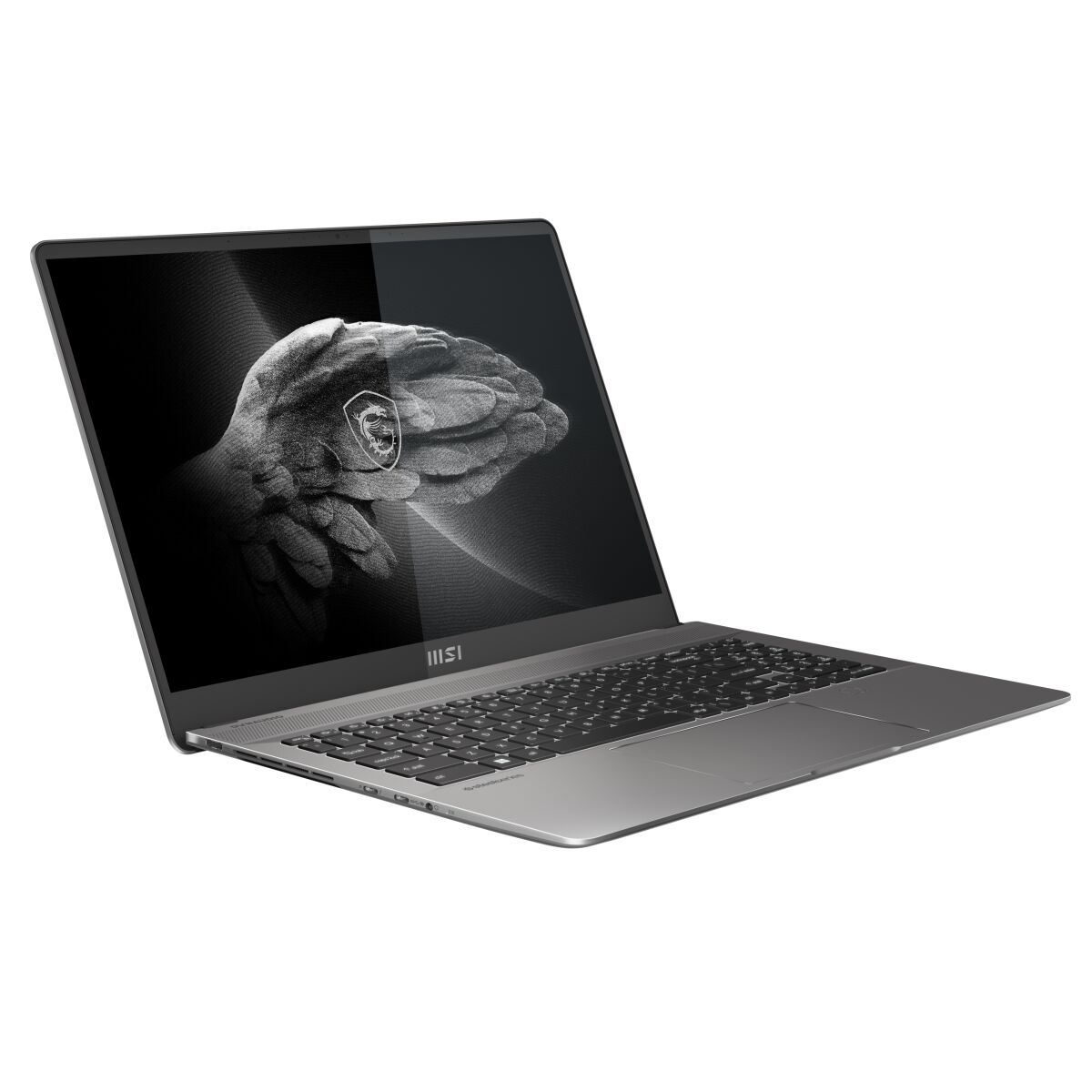
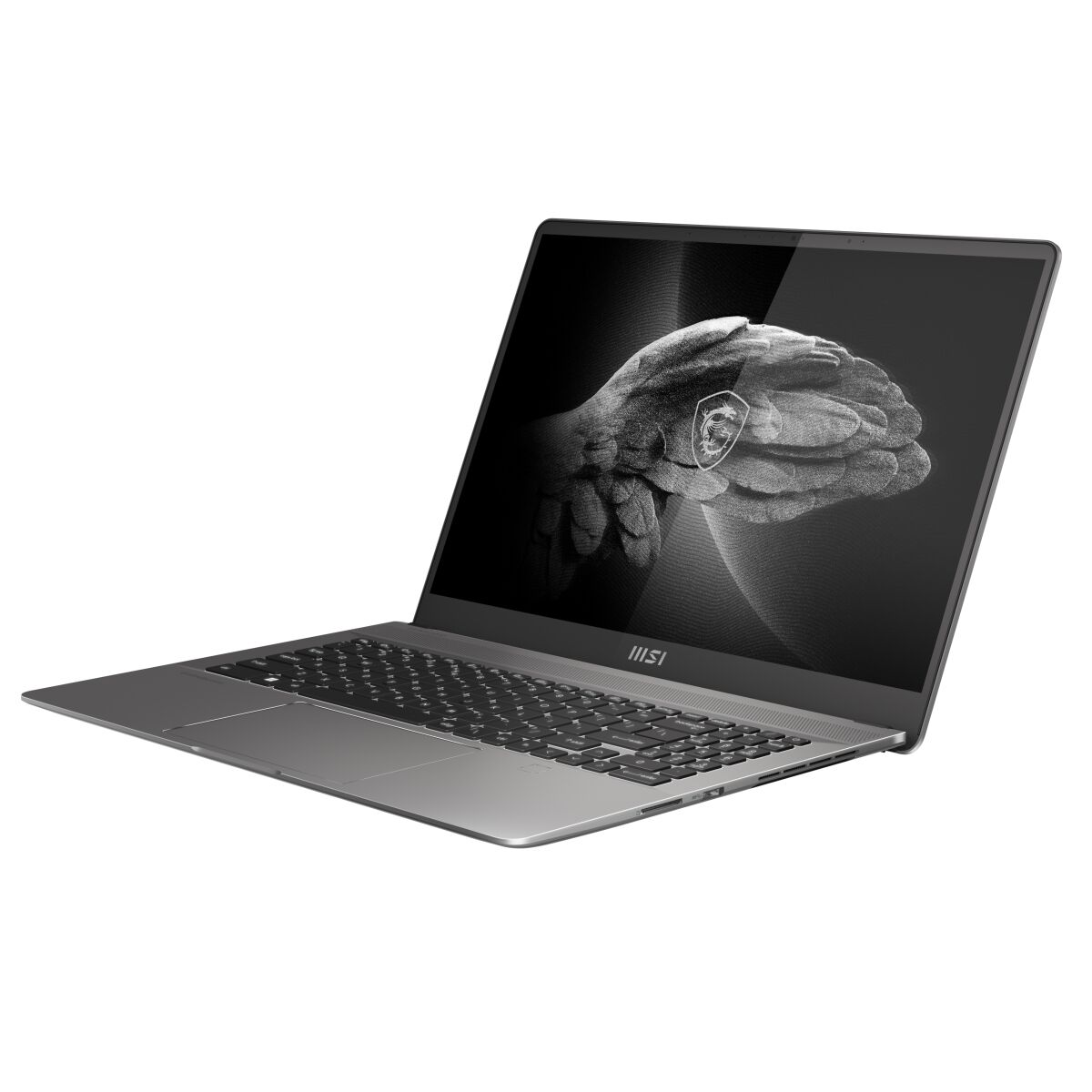

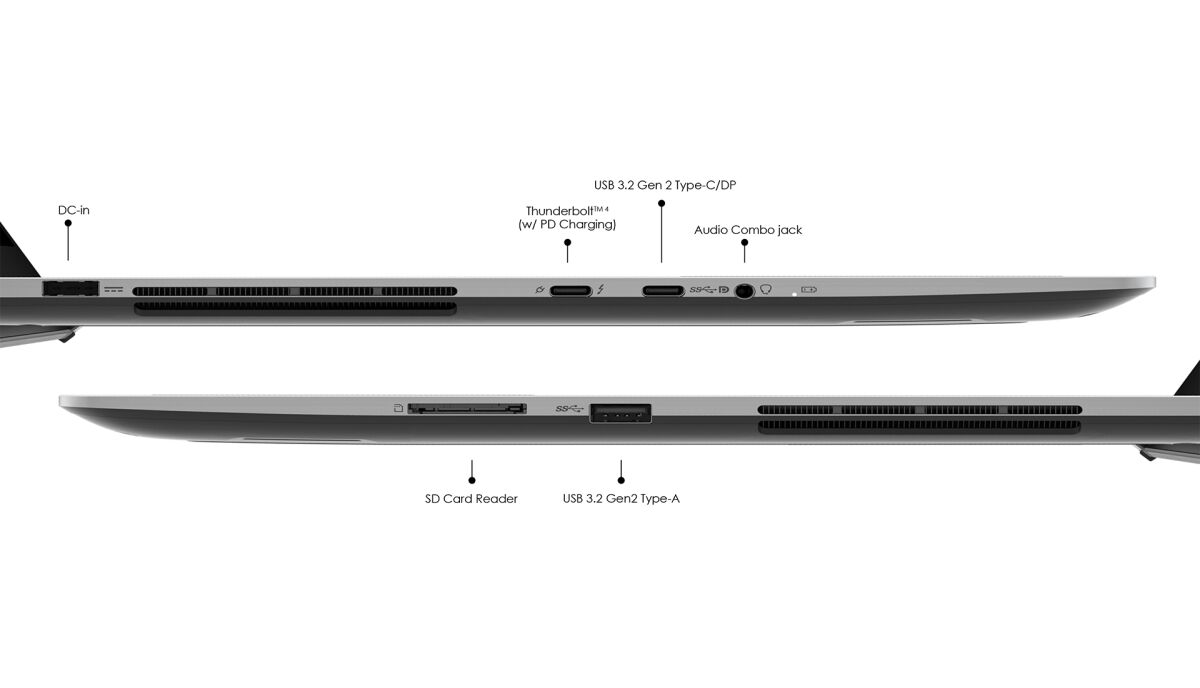
MSI Creator Z16P B12UHT-011FR laptop upgrade specifications include DDR5-SDRAM memory compatible with 2x SO-DIMM slots. Maximum RAM capacity reaches 64 GB total. Memory modules operate at 4800 MHz frequency. Upgrade configurations support DDR5 specifications for enhanced performance. Compatible memory modules utilize SO-DIMM form factor. Specifications define maximum memory capacity and slot configuration for RAM upgrade compatibility on MSI Z16P series Creator family models.
Memory Upgrade Specifications
| Specification | Value |
|---|---|
| Memory slots | 2x SO-DIMM |
| Form factor | SO-DIMM |
| Memory type | DDR5-SDRAM |
| Frequency | 4800 MHz |
| Maximum RAM | 64 GB |
| Voltage | 1.1V |
| Number of pins | 262-pin |
| Interface | PC5 |
| PC Speed Rating | PC5-4800 (PC5-38400) |
| Bandwidth | 38.4 GB/s |
| Laptop Release date | 31 December 2021 |
Additional Notes
- The MSI Creator Z16P B12UHT-011FR requires SO-DIMM modules specifically engineered for DDR5 architecture, eliminating compatibility with any DDR4 inventory from previous generation systems.
- DDR5 operates at 1.1V compared to DDR4's 1.2V standard, reducing thermal output during sustained workloads but necessitating voltage-compatible memory controllers.
- Native 4800 MHz operation provides 38.4 GB/s theoretical bandwidth per module, though actual throughput depends on dual-channel configuration and workload characteristics.
- Reaching the 64 GB ceiling mandates two 32 GB modules, as single-slot population would halve available memory bandwidth by operating in single-channel mode.
- DDR5 SO-DIMM physical dimensions differ from desktop DIMM form factors through reduced PCB length, preventing standard desktop module installation.
- On-die ECC functionality in DDR5 architecture provides error correction at the chip level, independent of module-level ECC that requires specific motherboard support.
- Intel 12th generation platform compatibility limits frequency overclocking headroom beyond JEDEC-standard 4800 MHz without potential stability trade-offs.
- Two-slot configuration without expansion capacity means future upgrades require complete module replacement rather than incremental additions.
- Higher density modules generate increased heat concentration within confined laptop chassis compared to equivalent capacity distributed across 4 slots in desktop systems.
- DDR5's dual-channel architecture per module internally doubles the prefetch buffer to 16n versus DDR4's 8n, improving burst access patterns for specific workloads.
- JEDEC-compliant modules guarantee baseline compatibility, while XMP 3.0 profiles require BIOS support verification for frequency and timing adjustments beyond standard specifications.
- Mixing modules with different densities or manufacturers may force operation at the lowest common specifications, potentially reducing performance below rated speeds.