MSI Creator Z16P B12UHST-046 RAM upgrade specifications

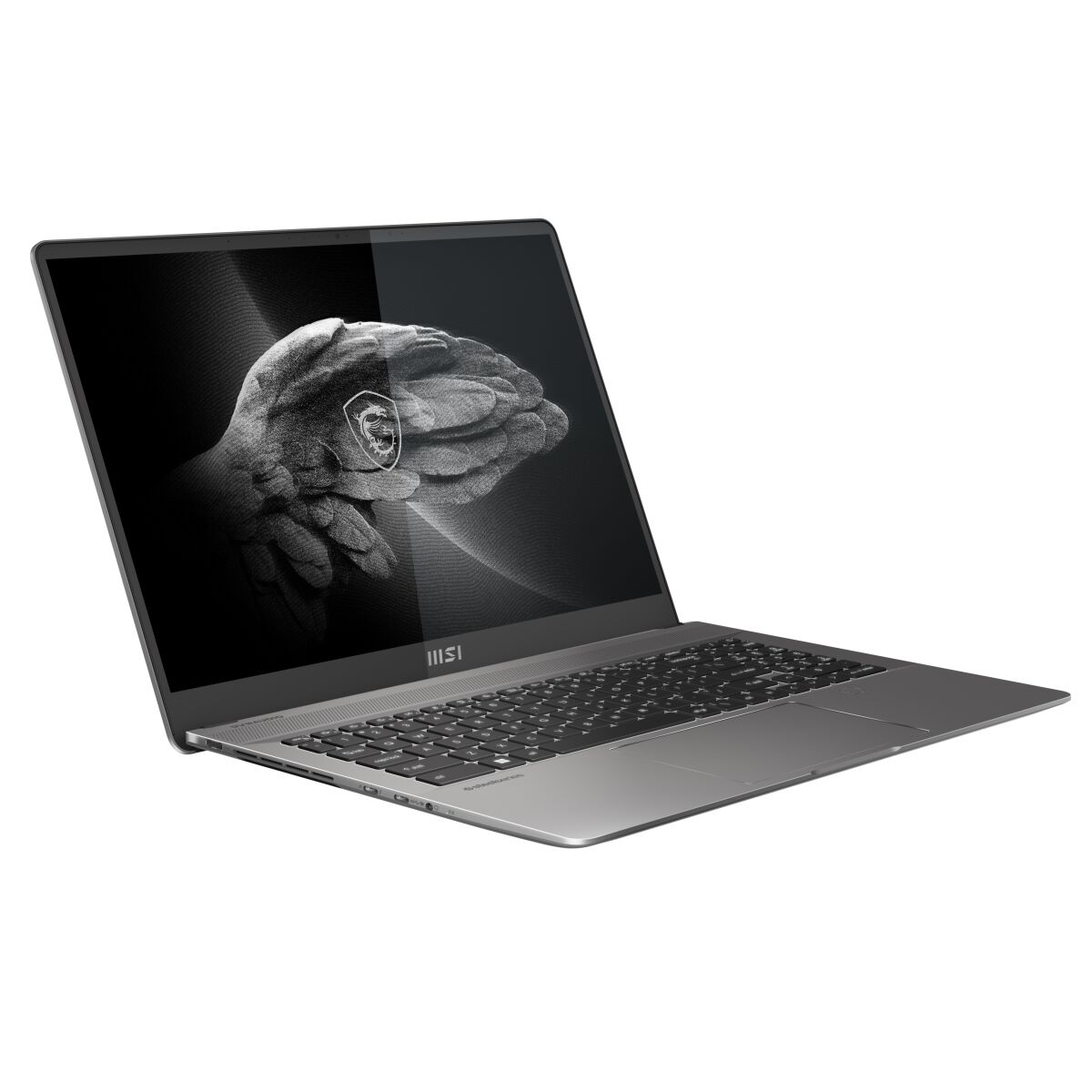
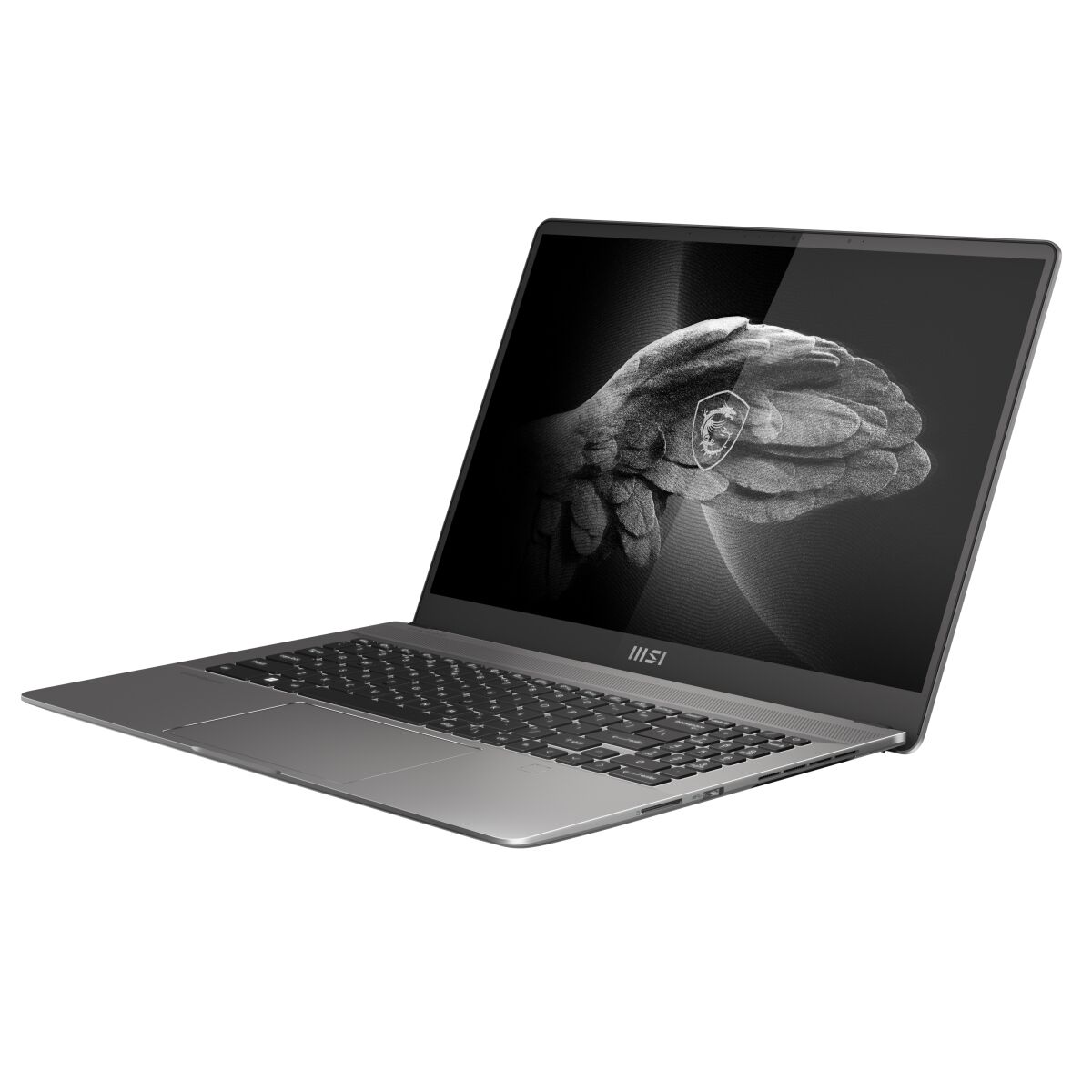

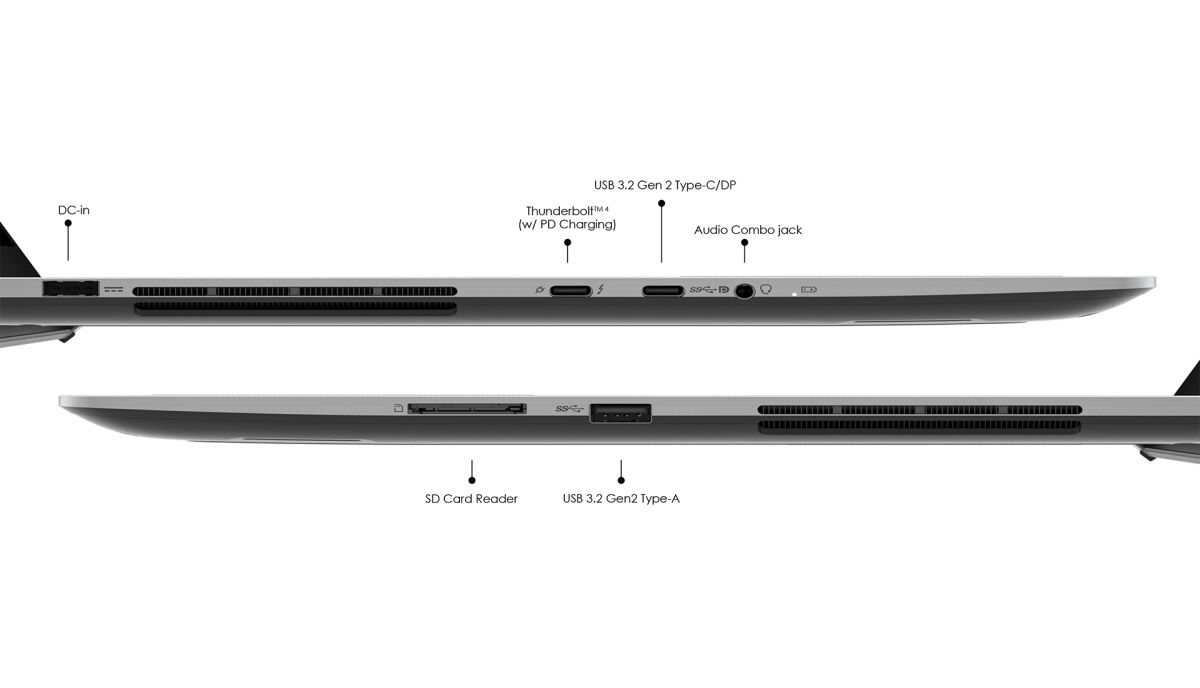
The MSI Creator Z16P B12UHST-046 features DDR5-SDRAM memory upgrade capabilities with two SO-DIMM slots supporting a maximum capacity of 64 GB. Compatible memory modules operate at 4800 MHz frequency. The Z16P series laptop accepts DDR5 SO-DIMM form factor upgrades, enabling users to expand system memory up to the specified maximum capacity. RAM upgrade specifications for the MSI Z16P B12UHST-046 model support DDR5 technology with dual-slot configuration for enhanced multitasking and performance demands.
Memory Upgrade Specifications
| Specification | Value |
|---|---|
| Memory slots | 2x SO-DIMM |
| Form factor | SO-DIMM |
| Memory type | DDR5-SDRAM |
| Frequency | 4800 MHz |
| Maximum RAM | 64 GB |
| Voltage | 1.1V |
| Number of pins | 262-pin |
| Interface | PC5 |
| PC Speed Rating | PC5-4800 (PC5-38400) |
| Bandwidth | 38.4 GB/s |
| Laptop Release date | 18 April 2022 |
Additional Notes
- Dual channel architecture requires matching memory modules in both slots to provide maximum theoretical bandwidth for memory intensive rendering tasks.
- The absence of soldered memory on the MSI Creator Z16P B12UHST-046 allows for the complete replacement of factory chips if a hardware failure occurs outside of the standard coverage period.
- Installations exceeding 64 GB will result in a failure to post because the motherboard firmware lacks the necessary address space support for higher density modules.
- Mixing modules with different CAS latencies forces the system to default to the slowest common timing which increases overall memory subsystem latency.
- High performance DDR5 modules generating significant thermal output may trigger localized throttling if the internal heat spreaders interfere with the bottom chassis clearance.
- Utilizing a single SO-DIMM slot reduces the effective bus width by 50 percent and creates a significant bottleneck during 4K video encoding operations.
- Upgrading requires the removal of the entire base panel and potentially delicate ribbon cables which increases the risk of mechanical damage to internal connectors during the process.
- Memory modules exceeding the 4800 MHz frequency rating will automatically downclock to match the hardware limit of the integrated memory controller.