MSI Creator Z17 A12UGST-054 RAM upgrade specifications
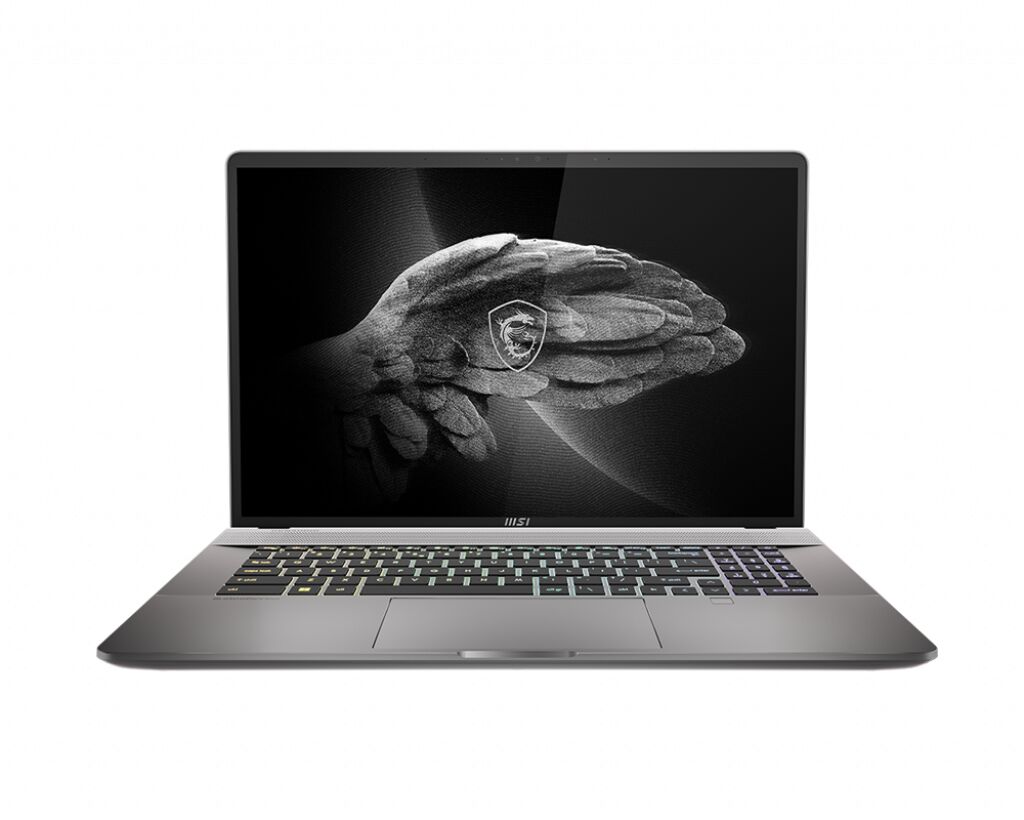
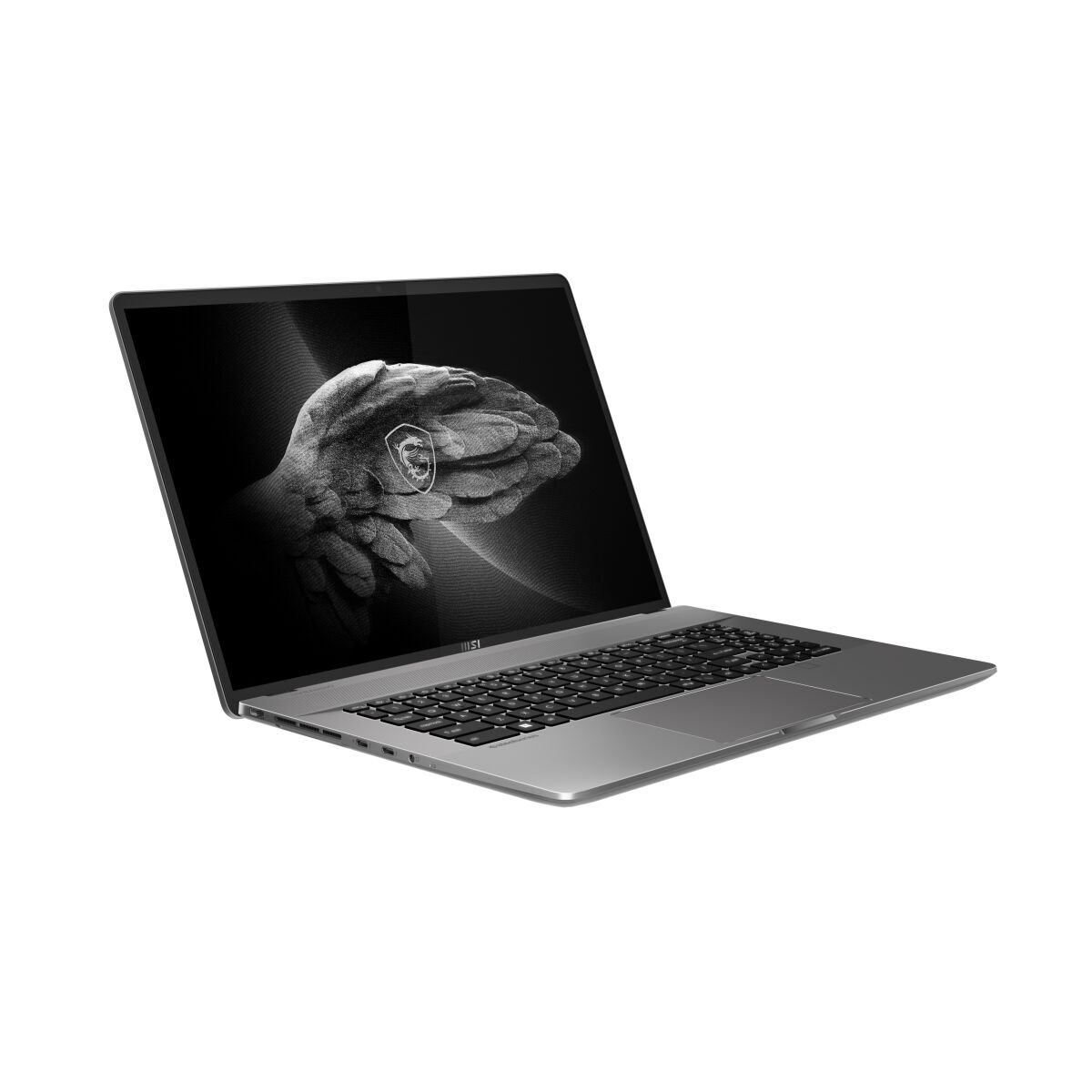
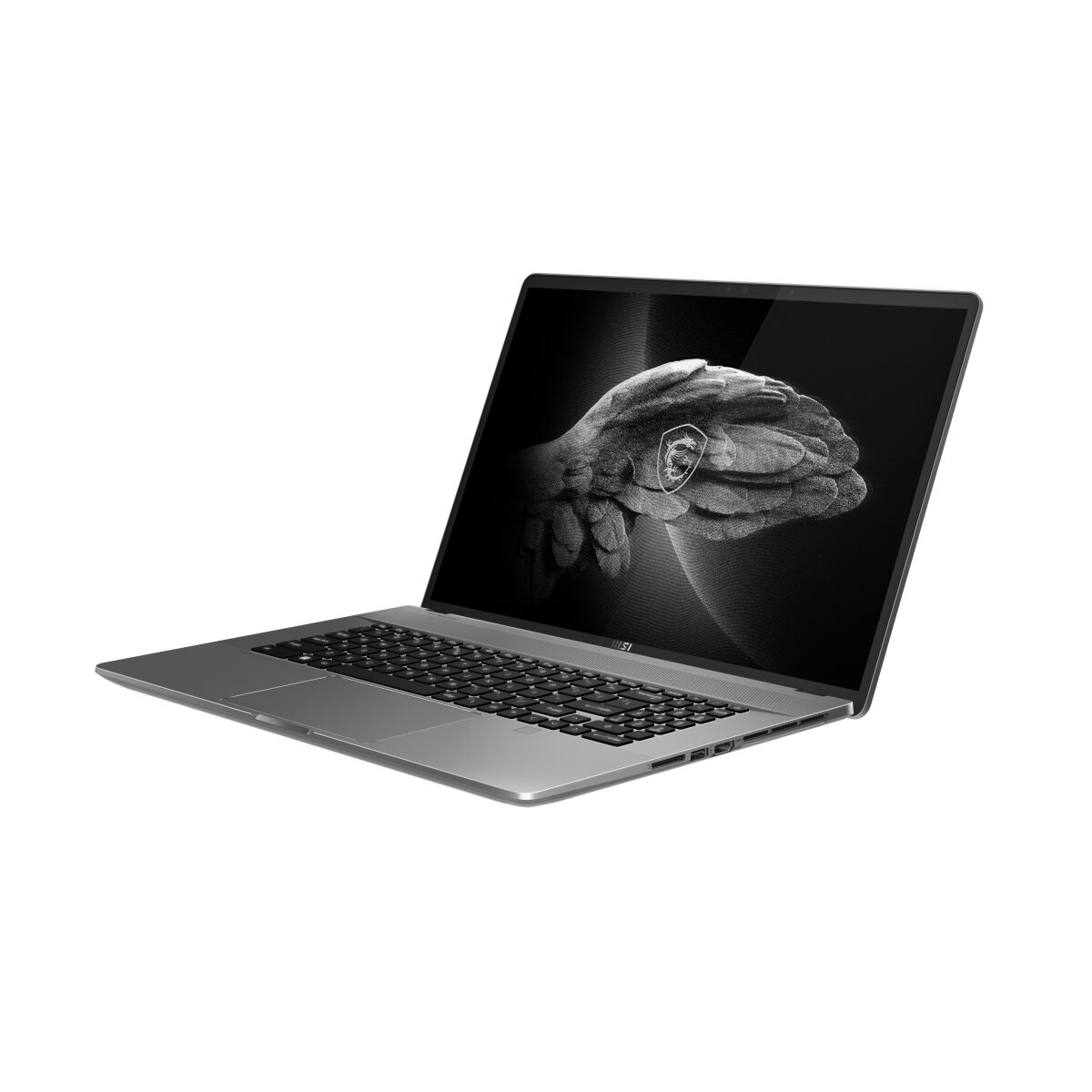
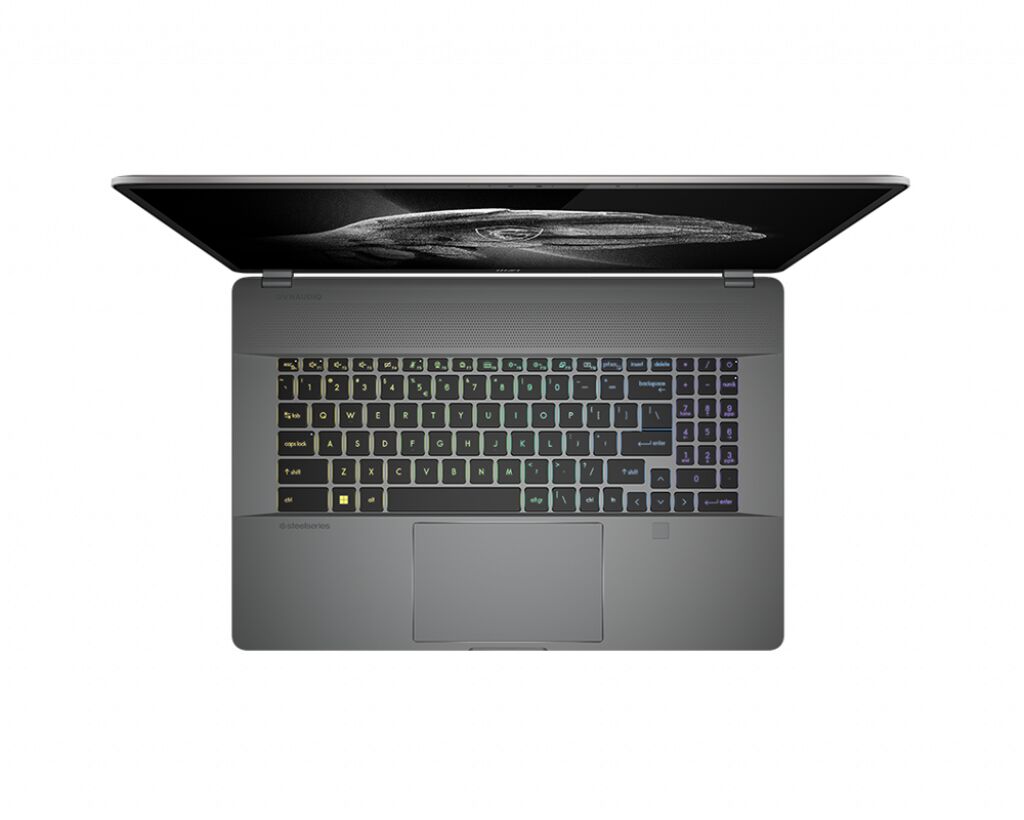
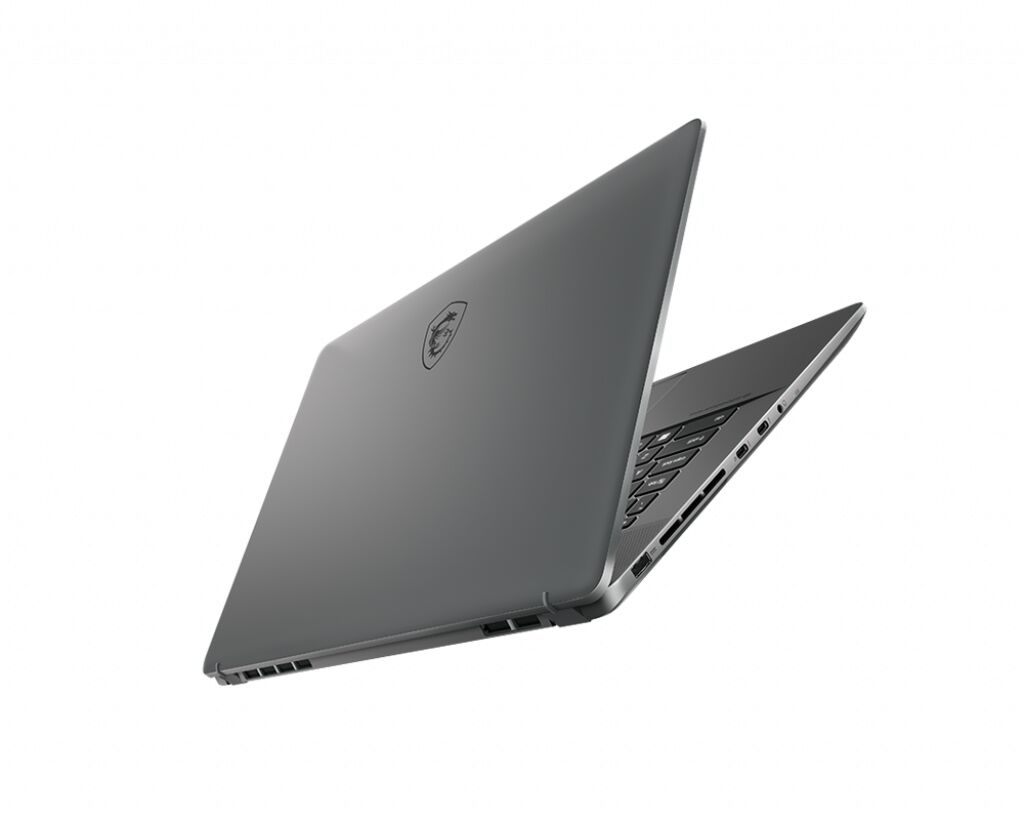
The MSI Creator Z17 A12UGST-054 laptop features DDR5-SDRAM memory upgrade specifications. The system contains 2 SO-DIMM slots compatible with DDR5 memory modules operating at 4800 MHz frequency. Maximum RAM capacity reaches 128 GB, supporting substantial memory expansion for multitasking and content creation workloads. Specifications indicate SO-DIMM form factor compatibility for portable computing applications within the Z17 Creator series.
Memory Upgrade Specifications
| Specification | Value |
|---|---|
| Memory slots | 2x SO-DIMM |
| Form factor | SO-DIMM |
| Memory type | DDR5-SDRAM |
| Frequency | 4800 MHz |
| Maximum RAM | 128 GB |
| Voltage | 1.1V |
| Number of pins | 262-pin |
| Interface | PC5 |
| PC Speed Rating | PC5-4800 (PC5-38400) |
| Bandwidth | 38.4 GB/s |
| Laptop Release date | 22 January 2022 |
Additional Notes
- DDR5 SO-DIMM modules are not interchangeable with DDR4, requiring verification that replacement memory explicitly lists DDR5 compatibility rather than previous generation standards.
- The 4800 MHz frequency represents JEDEC baseline specification for DDR5, with higher-speed modules potentially running at reduced speeds if the Intel 12th generation chipset limits effective transfer rates.
- Dual SO-DIMM configuration on the MSI Creator Z17 A12UGST-054 requires matched pair installation for dual-channel operation, as asymmetric capacities may force single-channel mode with corresponding bandwidth reduction.
- Reaching the 128 GB ceiling necessitates 64 GB per module availability in SO-DIMM DDR5 format, which remains limited in distribution compared to 32 GB density options as of current manufacturing cycles.
- SO-DIMM physical clearance beneath the chassis bottom panel may require specialized low-profile heat spreaders, as tall module designs can interfere with thermal management components in creator-class mobile workstations.
- The Alder Lake platform's memory controller supports both JEDEC and XMP 3.0 profiles, though activating extreme overclocking profiles may void manufacturer coverage if thermal limits are exceeded during sustained rendering workloads.
- DDR5 voltage regulation occurs on-module rather than motherboard-level, meaning defective PMIC circuits within the SO-DIMM itself can cause boot failures that mimic compatibility issues rather than actual specification mismatches.
- Mixed-brand installation across the 2 slots is technically functional but introduces latency variance from differing SPD timings, potentially creating stability issues under memory-intensive tasks like video encoding or simulation processing.
- The 4800 MHz transfer rate divides effective bandwidth between channels, requiring both slots populated to achieve the full 76.8 GB/s theoretical throughput that matches integrated GPU memory sharing demands.
- Warranty-compliant access typically requires bottom panel removal with specific Torx or Phillips fasteners, as memory slots positioned beneath keyboard assemblies would necessitate top-case disassembly that violates seal integrity on certain support agreements.