MSI Creator Z17 A12UGST-071CA RAM upgrade specifications

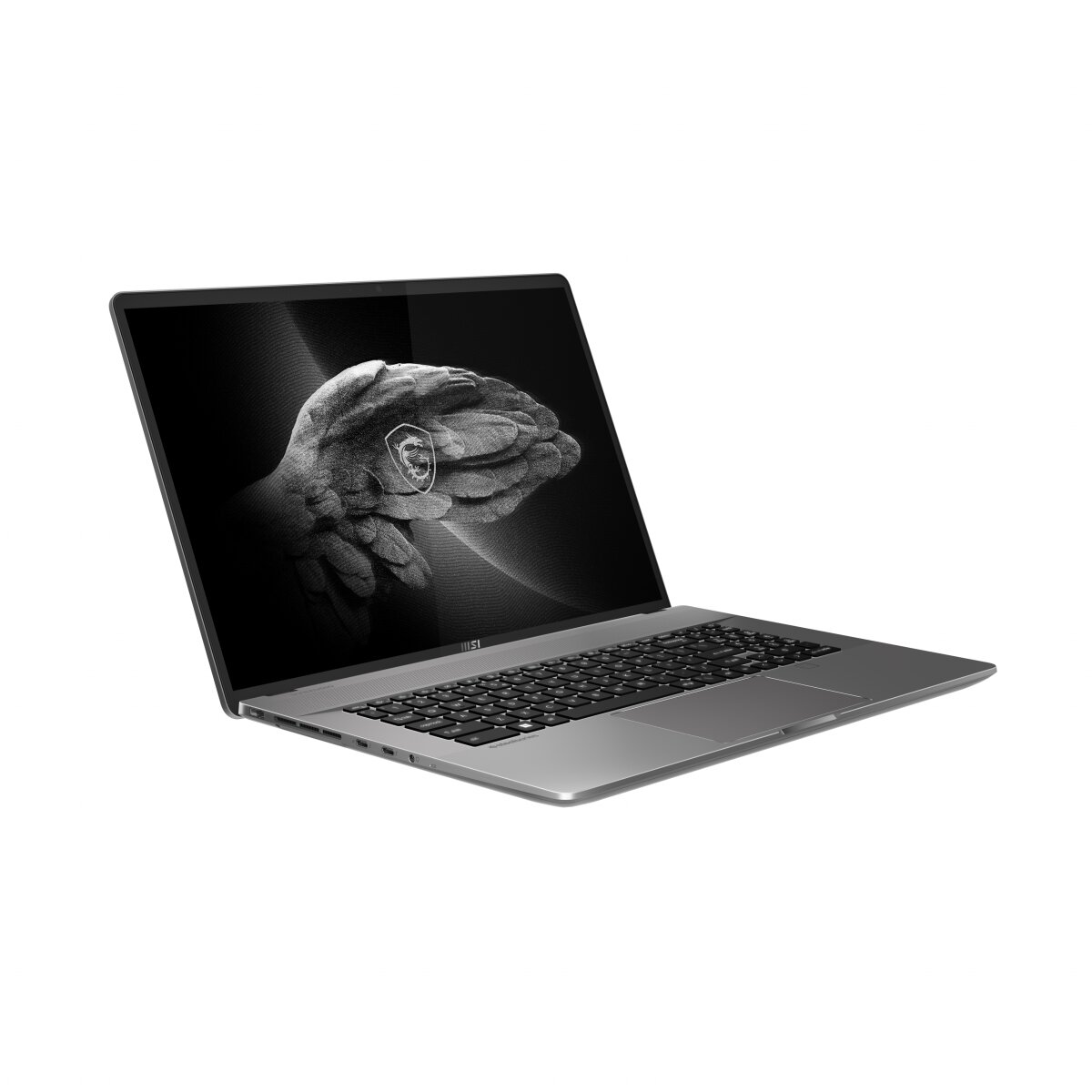
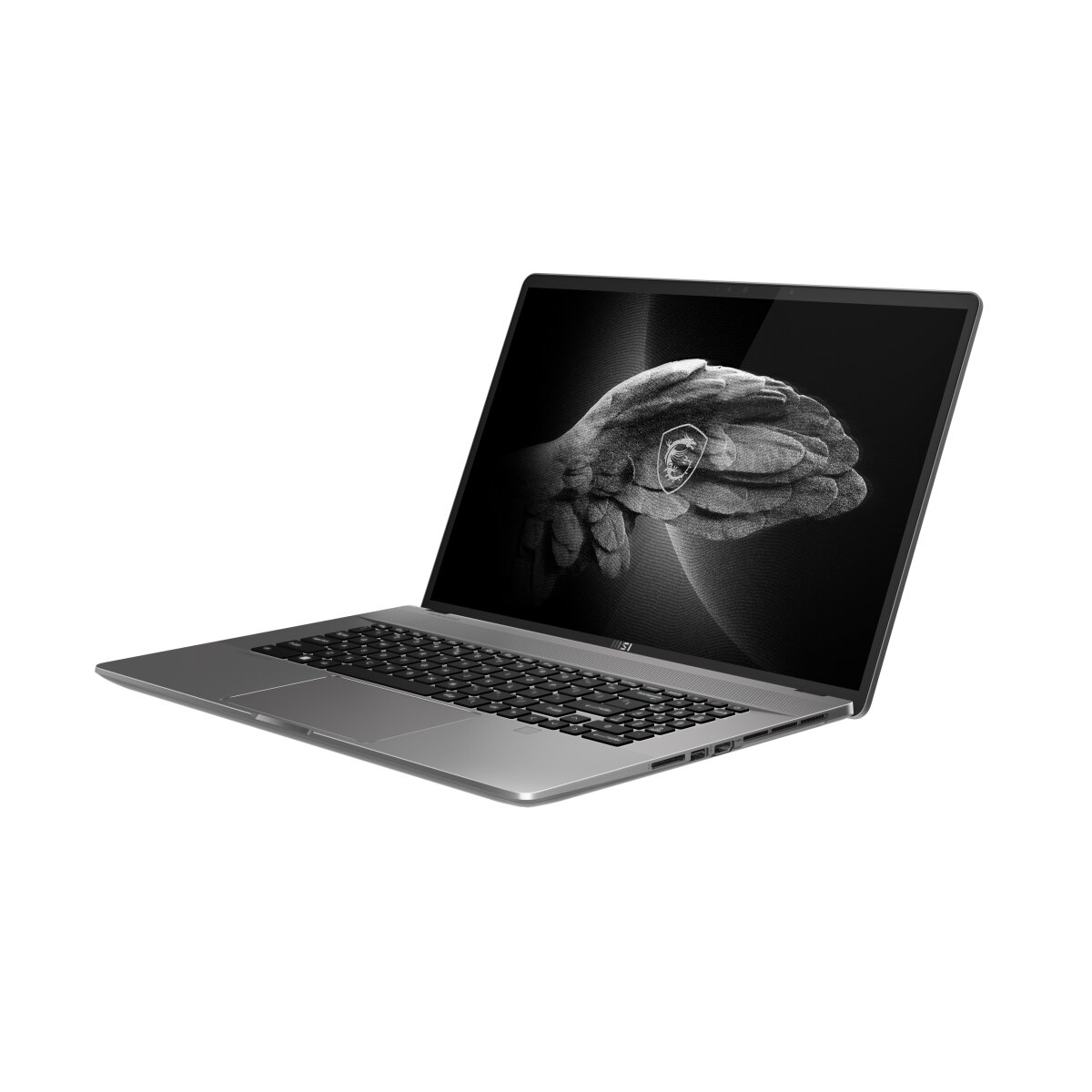

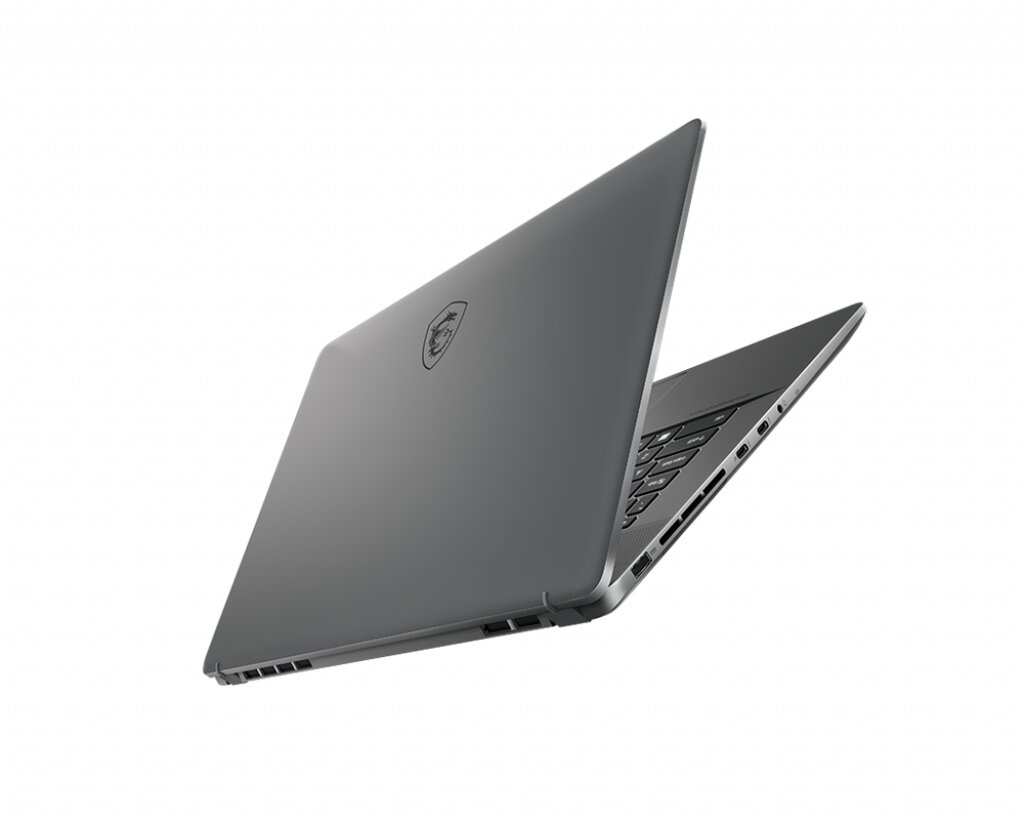
MSI Creator Z17 A12UGST-071CA laptop features two SO-DIMM slots for DDR5-SDRAM memory upgrade. Compatible RAM specifications include DDR5 operating at 4800 MHz frequency. Maximum memory capacity reaches 128 GB total when both slots are populated with compatible modules. Upgrade specifications support standard SO-DIMM form factor modules. The dual-slot configuration allows modular memory expansion to enhance multitasking performance and application responsiveness for this mobile workstation platform.
Memory Upgrade Specifications
| Specification | Value |
|---|---|
| Memory slots | 2x SO-DIMM |
| Form factor | SO-DIMM |
| Memory type | DDR5-SDRAM |
| Frequency | 4800 MHz |
| Maximum RAM | 128 GB |
| Voltage | 1.1V |
| Number of pins | 262-pin |
| Interface | PC5 |
| PC Speed Rating | PC5-4800 (PC5-38400) |
| Bandwidth | 38.4 GB/s |
| Laptop Release date | 14 April 2023 |
Additional Notes
- The MSI Creator Z17 A12UGST-071CA utilizes SO-DIMM modules, which physically differ from standard DIMM slots found in desktop systems and cannot be interchanged between form factors.
- DDR5-SDRAM operates at a baseline voltage of 1.1V compared to DDR4's 1.2V, making previous generation modules electrically incompatible with the motherboard's memory controller.
- The 4800 MHz specification represents the native JEDEC standard speed for DDR5, meaning modules rated at higher speeds will typically downclock to this frequency unless XMP 3.0 profiles are supported and enabled.
- Achieving the 128 GB maximum capacity requires two 64 GB modules, which represent a different density tier than standard 16 GB or 32 GB configurations and may have limited availability from certain manufacturers.
- DDR5 SO-DIMM modules incorporate on-die ECC for internal error correction, but this differs from server-grade registered ECC and does not provide the same system-level error reporting capabilities.
- The dual-channel architecture with 2 slots means each module operates on its own independent 40-bit channel, delivering aggregate theoretical bandwidth of approximately 76.8 GB/s at 4800 MHz.
- Installing a single module will halve memory bandwidth compared to a matched pair, creating a performance bottleneck for applications that rely heavily on memory throughput.
- Mixing modules with different speeds will force all installed memory to operate at the lowest common frequency, potentially underutilizing faster modules.
- The SO-DIMM latching mechanism requires simultaneous release of both side clips at approximately 30-degree angles, differing from the single-sided desktop DIMM retention system.
- DDR5 power management integrated circuits are located on each module rather than the motherboard, meaning thermal characteristics vary between manufacturers even at identical specifications.
- Warranty preservation typically requires verification that the system supports user-accessible memory upgrade panels, as bottom-case disassembly may void manufacturer coverage in certain jurisdictions.
- The 4800 MHz data rate translates to a 2400 MHz actual clock speed due to double data rate technology transferring on both rising and falling clock edges.