MSI Creator Z17 A12UHST-014FR RAM upgrade specifications
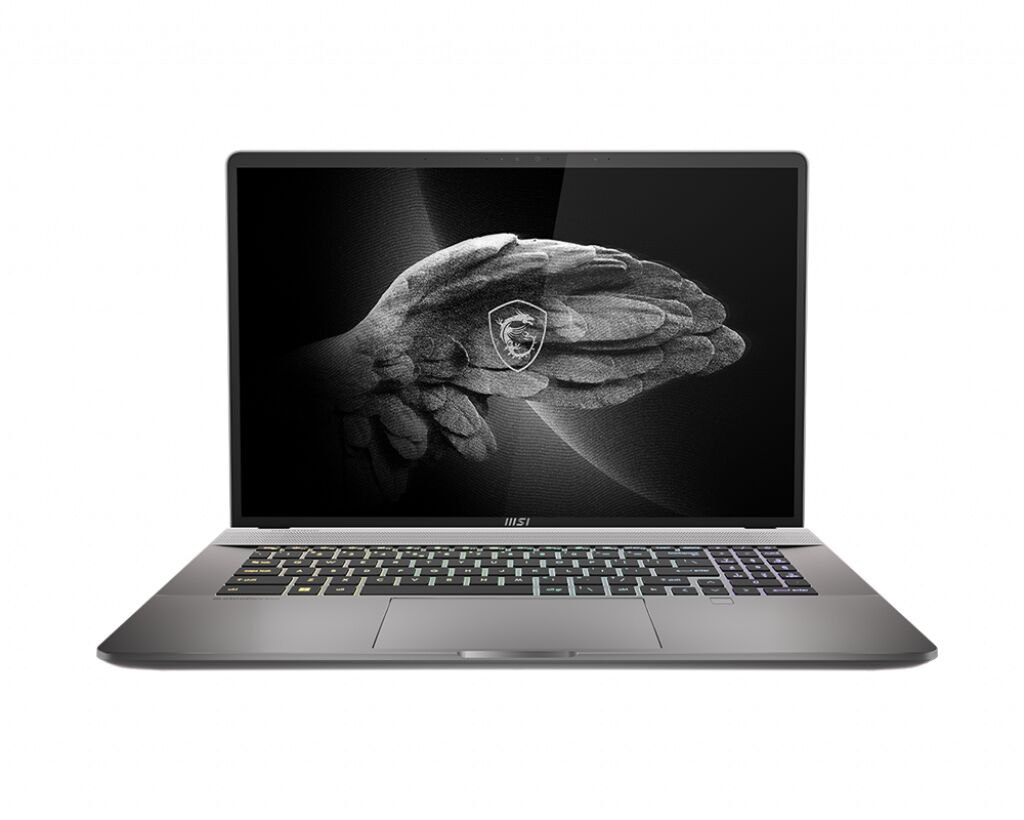
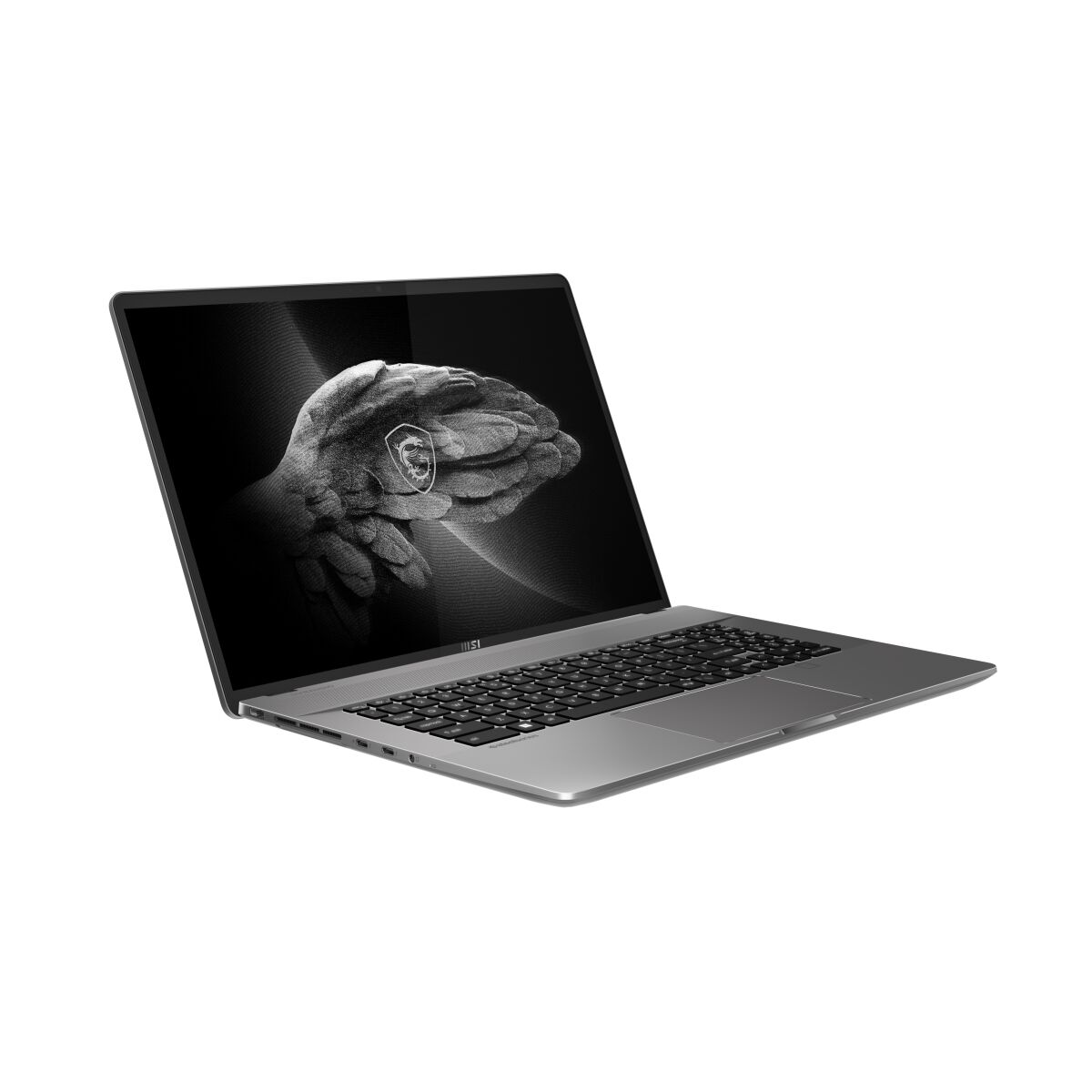
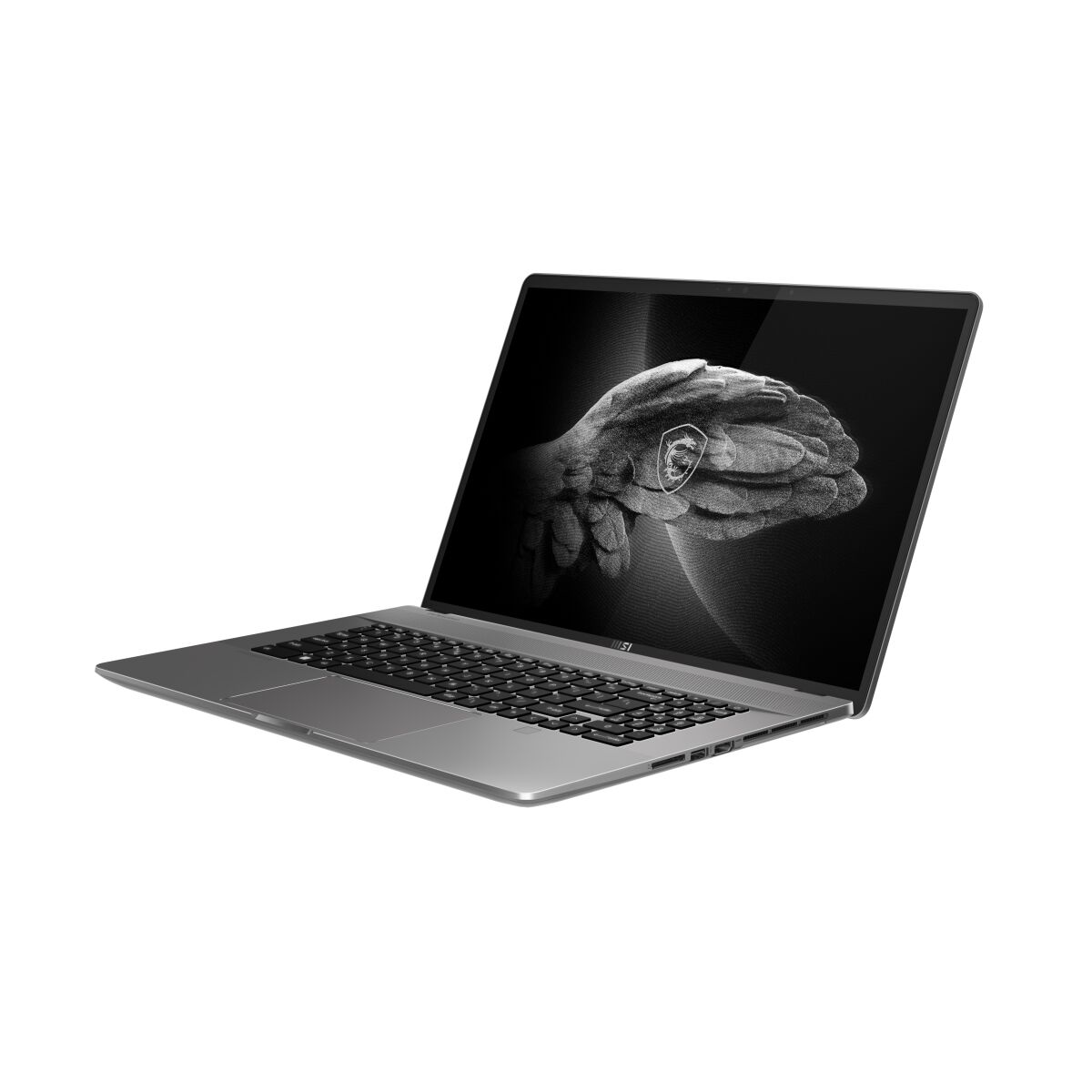
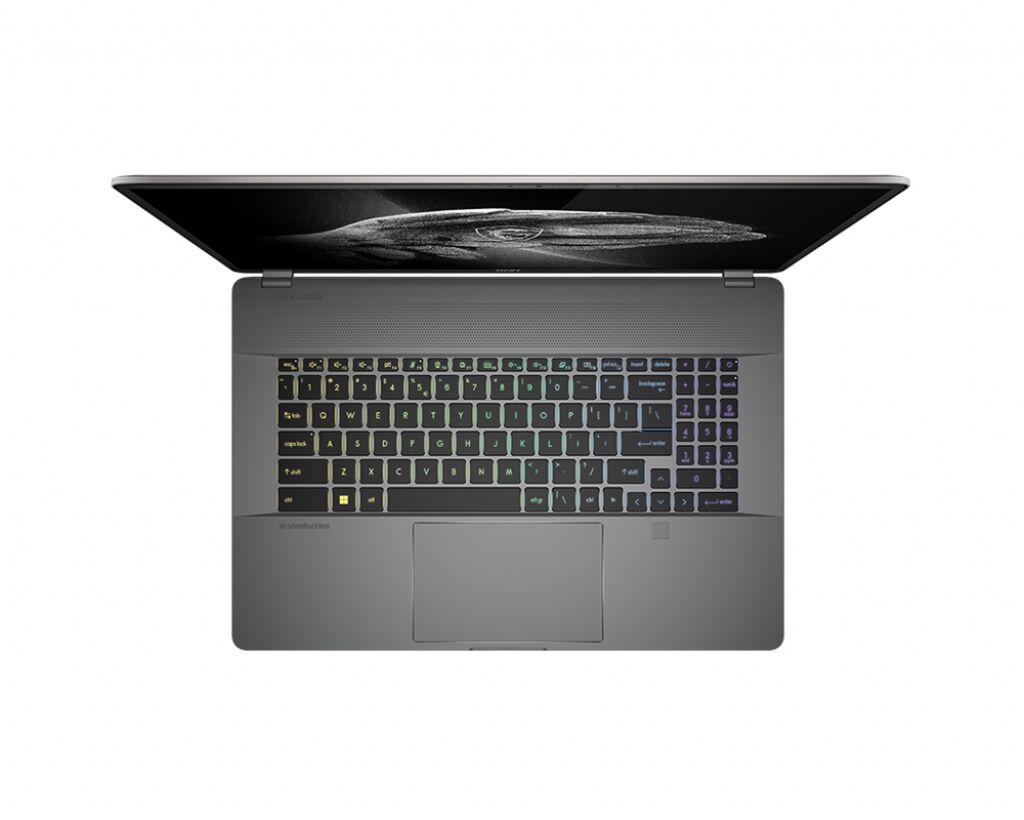
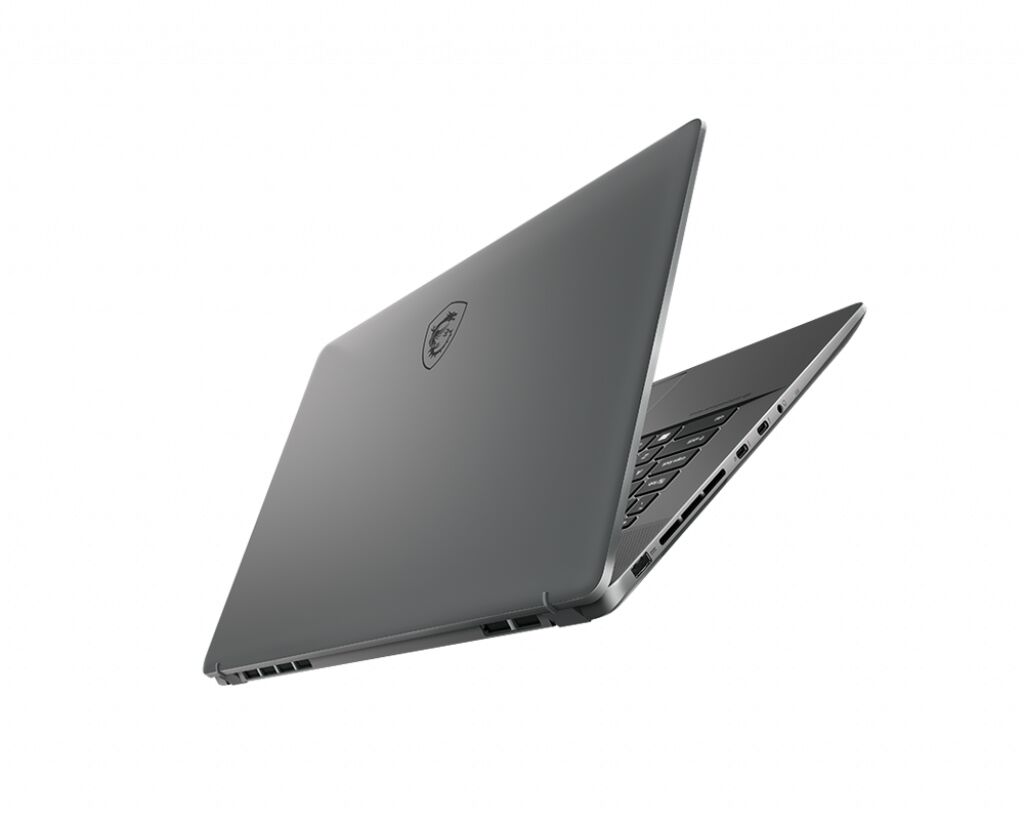
MSI Creator Z17 A12UHST-014FR laptop supports DDR5-SDRAM memory upgrade with 2x SO-DIMM slots. Maximum RAM capacity reaches 128 GB total. Memory operates at 4800 MHz frequency. Compatible upgrade modules utilize SO-DIMM form factor. Specifications allow for memory expansion to enhance multitasking and performance capabilities on this mobile workstation model.
Memory Upgrade Specifications
| Specification | Value |
|---|---|
| Memory slots | 2x SO-DIMM |
| Form factor | SO-DIMM |
| Memory type | DDR5-SDRAM |
| Frequency | 4800 MHz |
| Maximum RAM | 128 GB |
| Voltage | 1.1V |
| Number of pins | 262-pin |
| Interface | PC5 |
| PC Speed Rating | PC5-4800 (PC5-38400) |
| Bandwidth | 38.4 GB/s |
| Laptop Release date | 31 December 2021 |
Additional Notes
- The MSI Creator Z17 A12UHST-014FR supports dual-channel memory architecture through its 2 SO-DIMM slots, enabling theoretical bandwidth of up to 76.8 GB/s when both channels are populated with matched modules.
- DDR5 modules require sustained power delivery due to onboard voltage regulation, which may generate additional heat in confined laptop chassis during intensive workloads.
- The 4800 MHz specification represents JEDEC standard speed for DDR5, meaning modules rated at higher frequencies will downclock to this baseline unless XMP profiles are supported and enabled.
- Achieving the 128 GB maximum capacity requires two 64 GB modules, which were among the first high-density DDR5 SO-DIMM configurations and may carry premium pricing compared to 32 GB alternatives.
- Single-sided versus dual-sided module topology can affect thermal performance in thin laptop designs, with dual-sided configurations potentially encountering elevated operating temperatures.
- DDR5's higher baseline frequency compared to DDR4 reduces effective latency gains from raw CL timings, making absolute latency values more relevant for performance-sensitive applications.
- Non-ECC unbuffered modules are standard for consumer laptop platforms, while ECC variants would be incompatible despite physical SO-DIMM form factor matching.
- Mixing modules with different densities or speeds across the two slots will force both to operate at the lower specification, potentially limiting bandwidth utilization.
- The SO-DIMM 262-pin DDR5 interface is physically keyed differently from DDR4, preventing installation errors but limiting backward compatibility with older generation modules.
- Warranty coverage typically remains intact for user-accessible memory upgrades, though verification of manufacturer policies regarding self-installation is advisable before disassembly.