MSI Creator Z17 A12UHST-052 RAM upgrade specifications

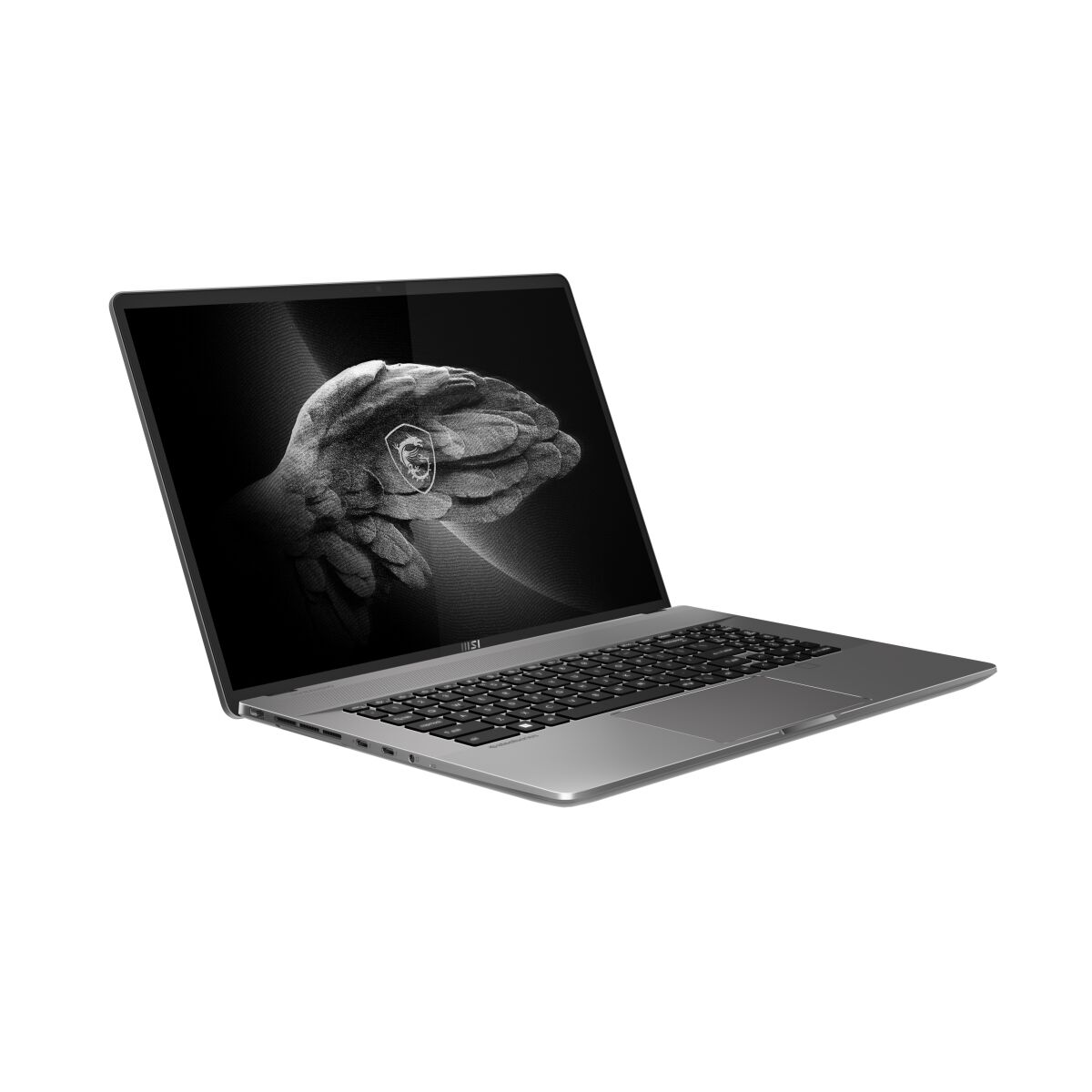


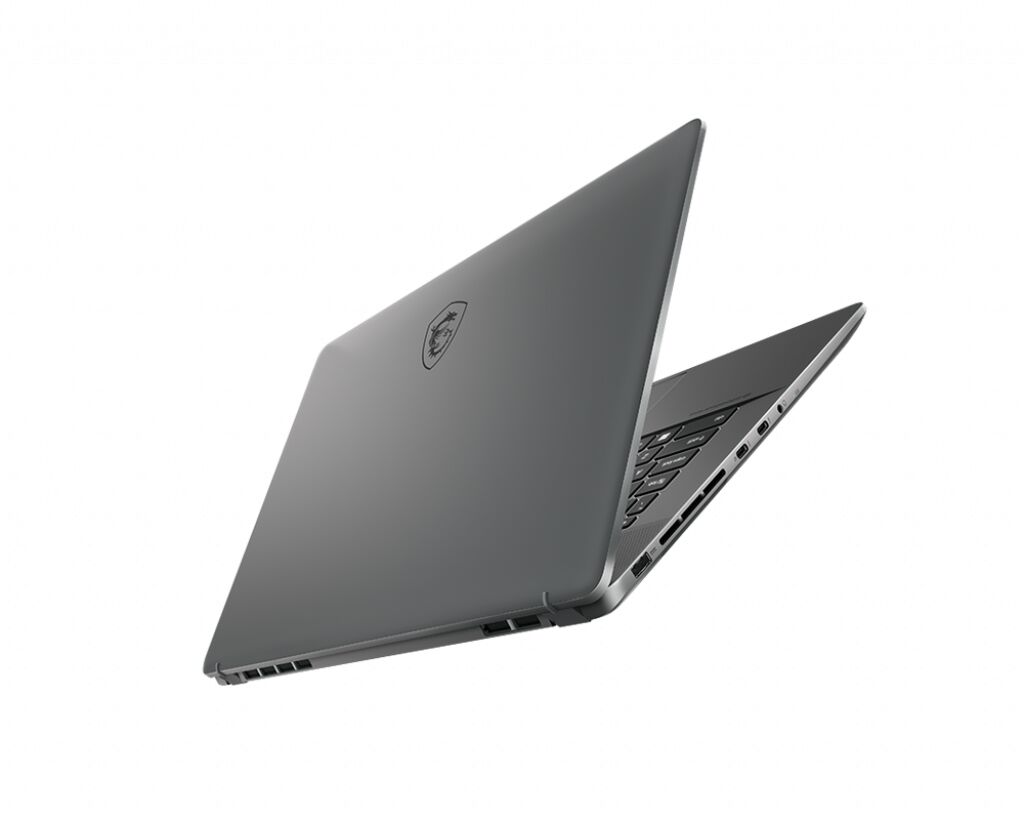
The MSI Creator Z17 A12UHST-052 features DDR5-SDRAM memory upgrade capabilities with 2x SO-DIMM slots supporting maximum capacity of 128 GB. Compatible memory modules operate at 4800 MHz frequency. The laptop's memory specifications accommodate DDR5 SO-DIMM form factor upgrades, enabling RAM expansion for enhanced multitasking and performance. Current configuration specifications and available slot capacity allow for significant memory scaling within the stated maximum parameters for the Z17 series model.
Memory Upgrade Specifications
| Specification | Value |
|---|---|
| Memory slots | 2x SO-DIMM |
| Form factor | SO-DIMM |
| Memory type | DDR5-SDRAM |
| Frequency | 4800 MHz |
| Maximum RAM | 128 GB |
| Voltage | 1.1V |
| Number of pins | 262-pin |
| Interface | PC5 |
| PC Speed Rating | PC5-4800 (PC5-38400) |
| Bandwidth | 38.4 GB/s |
| Laptop Release date | 22 January 2022 |
Additional Notes
- The MSI Creator Z17 A12UHST-052 uses DDR5 SO-DIMM architecture, which means replacement modules must match this exact form factor; DDR4 SO-DIMM sticks are physically incompatible and will not seat in the available slots.
- With only 2 slots available, maximum capacity is achieved only when both slots are populated; single-slot upgrades cannot provide partial expansion beyond the installed baseline configuration.
- The 4800 MHz frequency specification establishes the upper operational limit; replacement modules rated above this speed will downclock to 4800 MHz, resulting in no performance gain from higher-rated components.
- DDR5 SO-DIMM modules are power-efficient compared to prior DDR4 variants, which may reduce thermal load during sustained workloads but does not eliminate the need for adequate SODIMM slot clearance during installation.
- Reaching the 128 GB maximum requires paired identical modules of 64 GB each, a configuration that may present cost-performance trade-offs since DDR5 capacity modules carry significant price premiums.
- SO-DIMM slots in mobile platforms typically reside beneath the keyboard assembly or access panel; physical removal barriers may restrict upgrade accessibility and require partial system disassembly.
- The dual-slot constraint limits memory upgrade flexibility; if one module fails, the other remains functional but the system cannot maintain dual-channel performance across full capacity without both slots occupied.