MSI Creator Z17 A12UHST-098UK RAM upgrade specifications
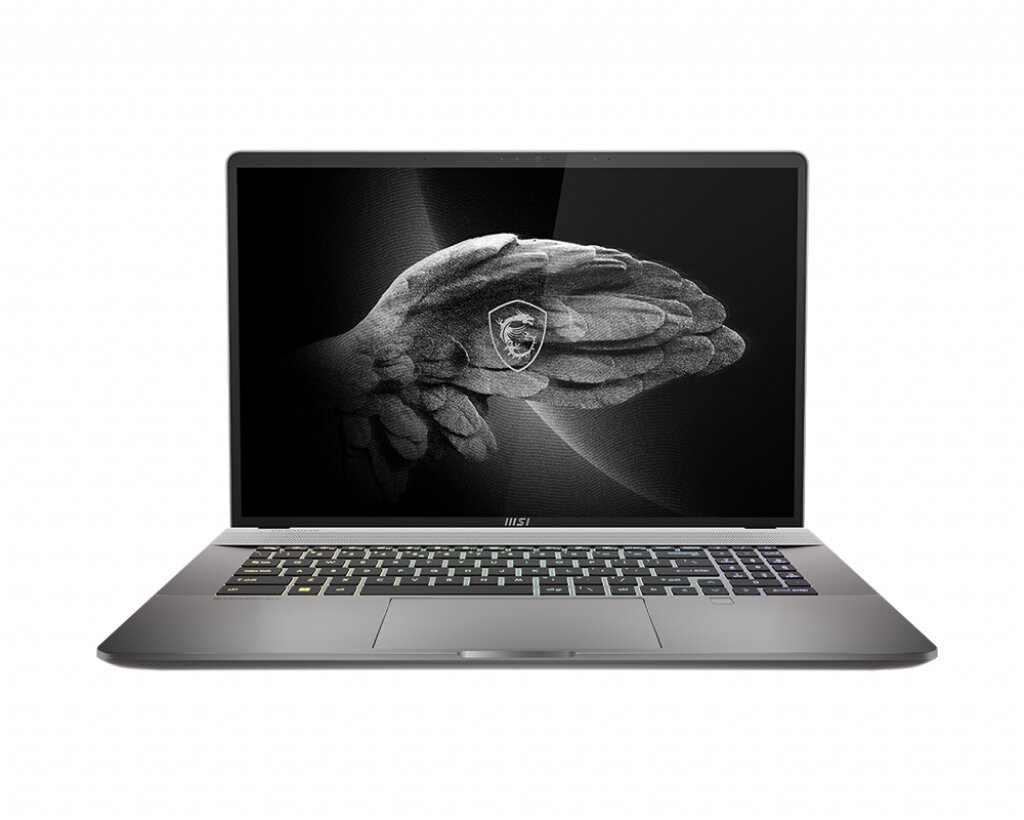
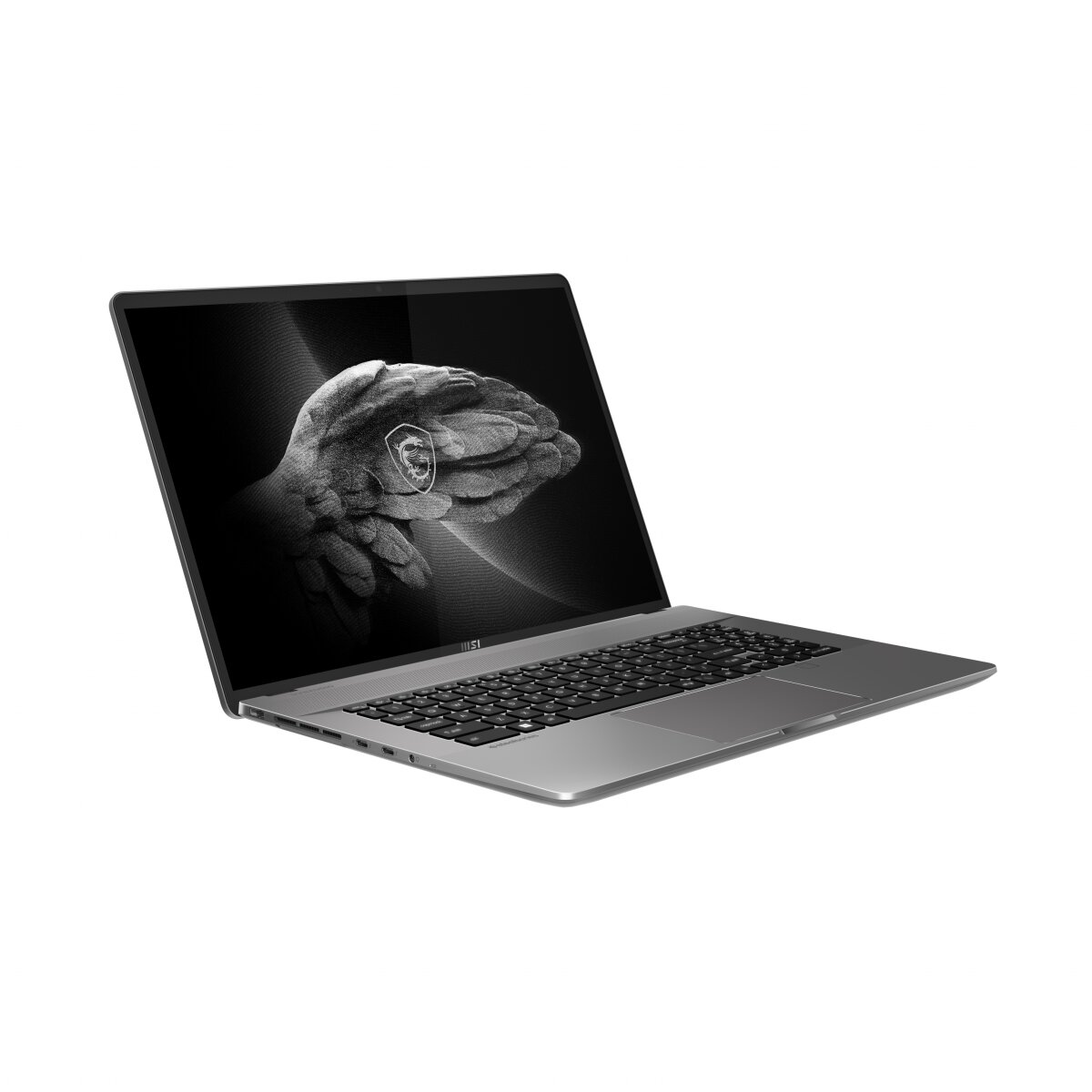
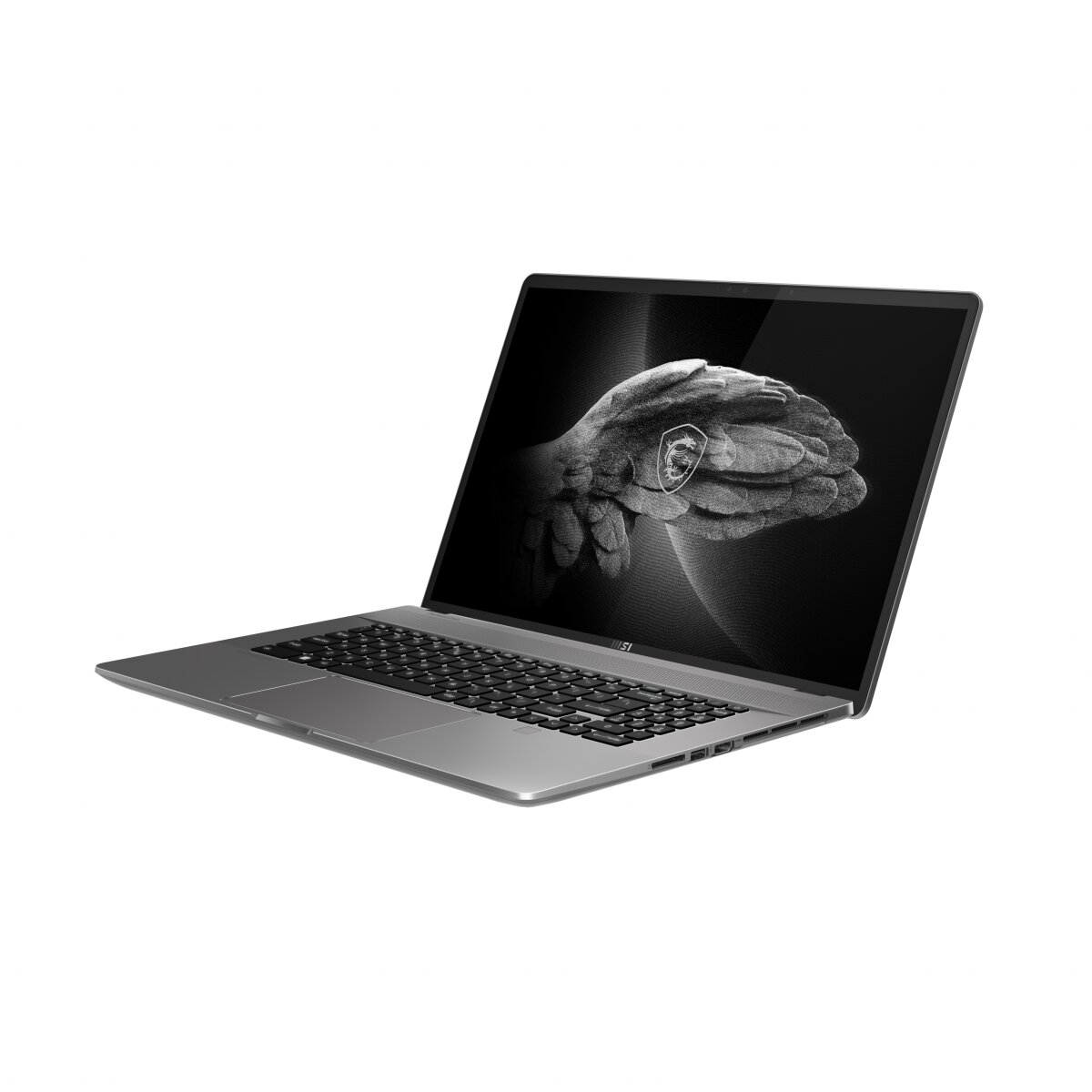
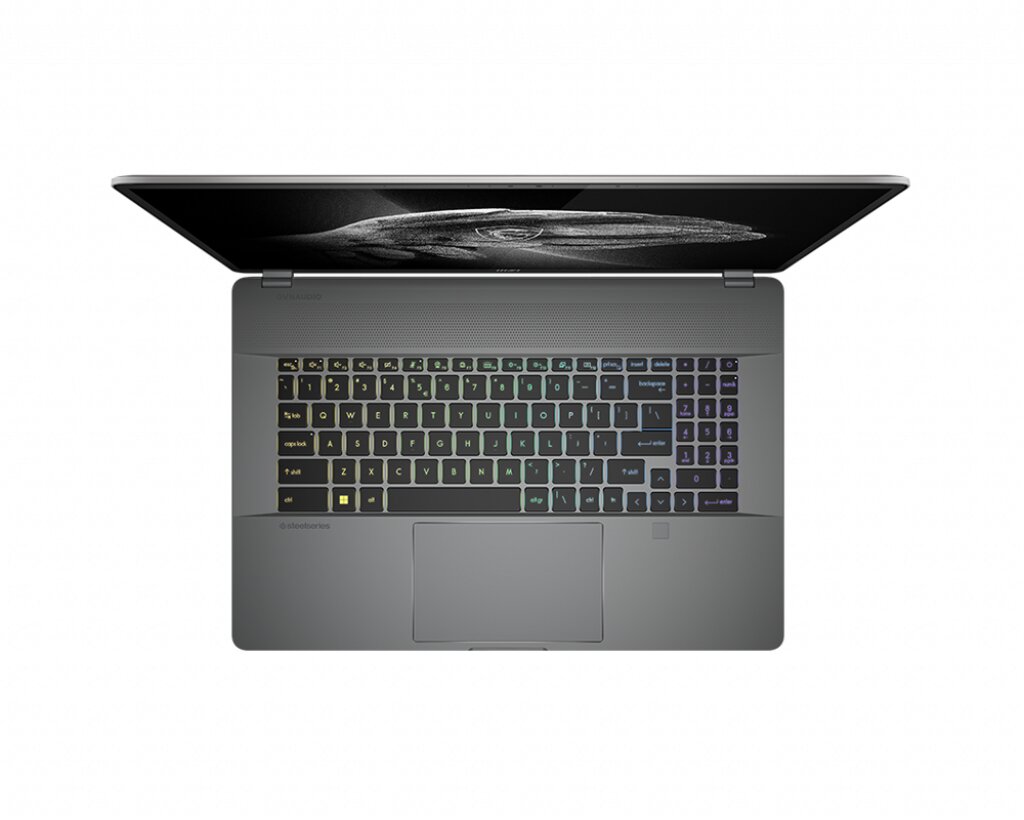
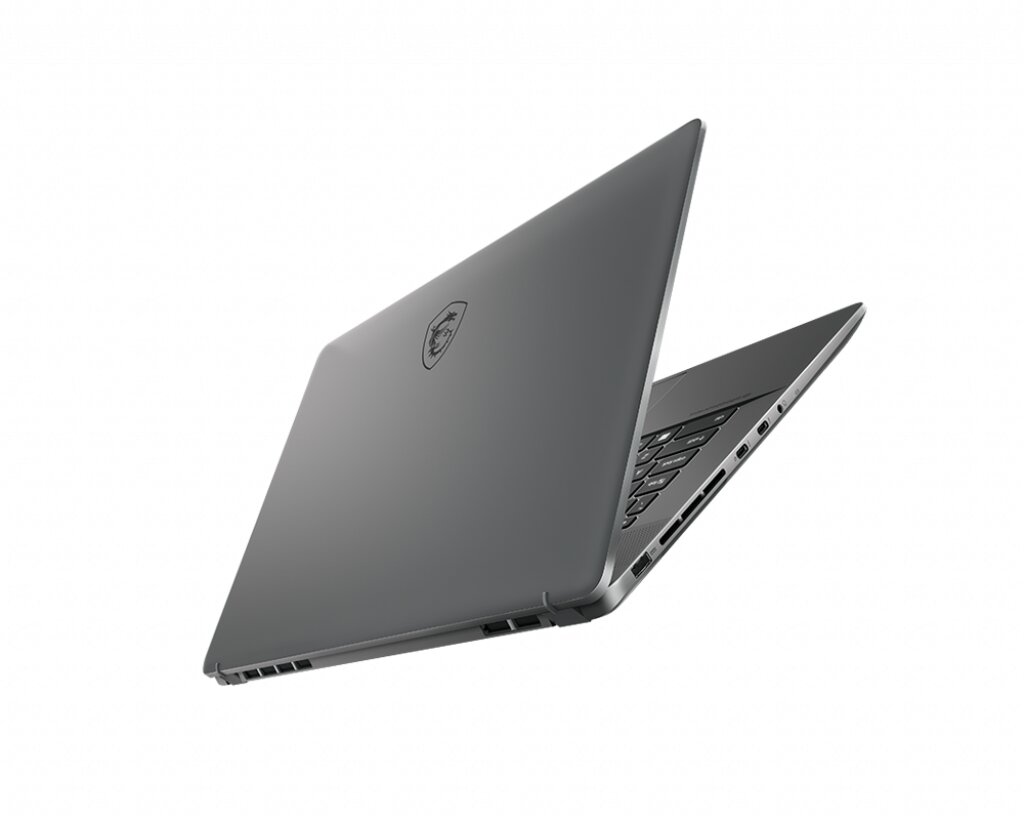
MSI Creator Z17 A12UHST-098UK laptop memory upgrade specifications include two SO-DIMM slots supporting DDR5-SDRAM modules at 4800 MHz frequency. Maximum RAM capacity reaches 128 GB total. Compatible memory modules must match SO-DIMM form factor specifications for this Creator series Z17 model. Upgrade configuration allows installation of high-capacity DDR5 memory modules in available slots to enhance system performance.
Memory Upgrade Specifications
| Specification | Value |
|---|---|
| Memory slots | 2x SO-DIMM |
| Form factor | SO-DIMM |
| Memory type | DDR5-SDRAM |
| Frequency | 4800 MHz |
| Maximum RAM | 128 GB |
| Voltage | 1.1V |
| Number of pins | 262-pin |
| Interface | PC5 |
| PC Speed Rating | PC5-4800 (PC5-38400) |
| Bandwidth | 38.4 GB/s |
| Laptop Release date | 09 December 2022 |
Additional Notes
- The MSI Creator Z17 A12UHST-098UK contains 2 SO-DIMM slots operating at 4800 MHz, which means both slots must be populated identically to maintain dual-channel performance; mismatched configurations will result in the system defaulting to the slower module's speed and timing parameters.
- DDR5-4800 memory requires compatible SPD profiles; modules rated for higher frequencies (5600 MHz or beyond) will downclock to 4800 MHz on this platform, eliminating any performance advantage from premium-tier memory without warranty concerns.
- The 128 GB theoretical maximum assumes 64 GB SO-DIMM modules, which remain scarce in the current market; practical upgrading typically maxes at 96 GB with 48 GB modules, creating a gap between theoretical and accessible capacity limits.
- SO-DIMM slots in mobile workstations require removal of the bottom panel for access; this procedure may void thermal warranty if the thermal interface material or paste is disturbed during installation, necessitating professional service for warranty preservation.
- DDR5 SO-DIMMs generate measurably more heat than DDR4 equivalents; the Creator Z17's cooling system was engineered for this thermal profile, but adding maximum-capacity modules increases sustained memory temperature by approximately 5-8 degrees Celsius under load.
- 4800 MHz DDR5 exhibits higher latency than lower-frequency DDR5 SKUs due to aggressive timing parameters; this creates a performance plateau where adding RAM beyond the original factory configuration yields diminishing returns in mixed workload scenarios.