MSI CreatorPro Z17HXStudio RAM upgrade specifications

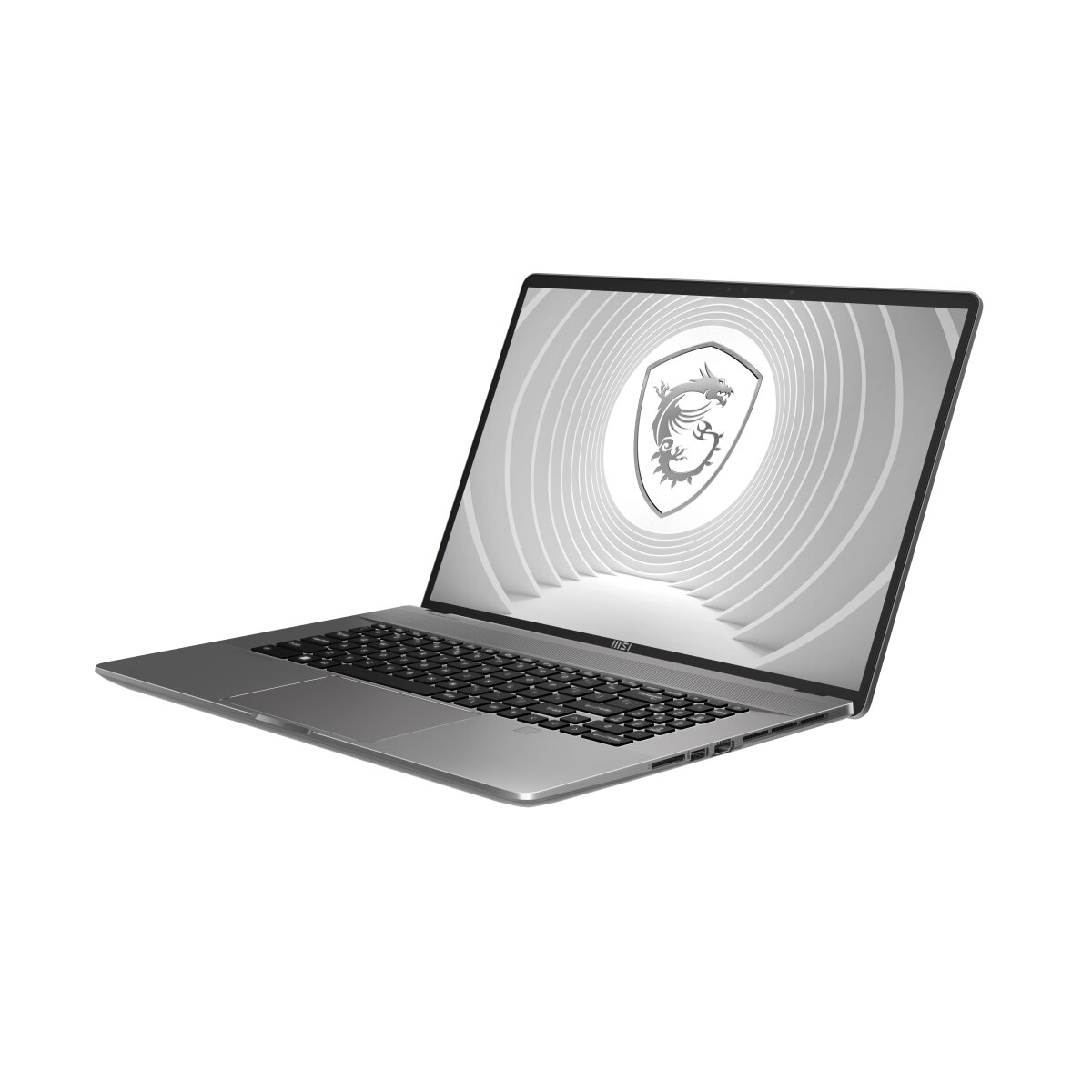
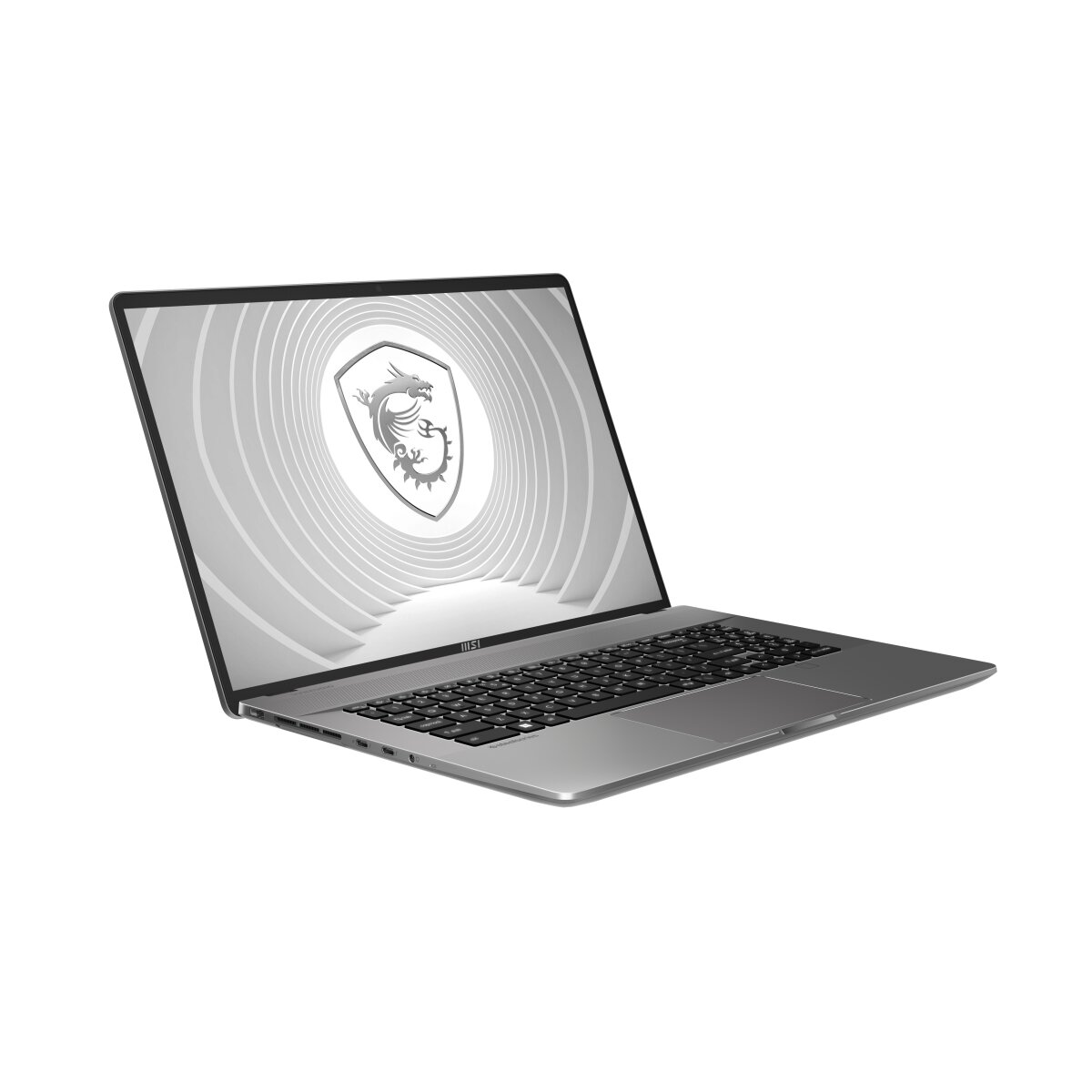
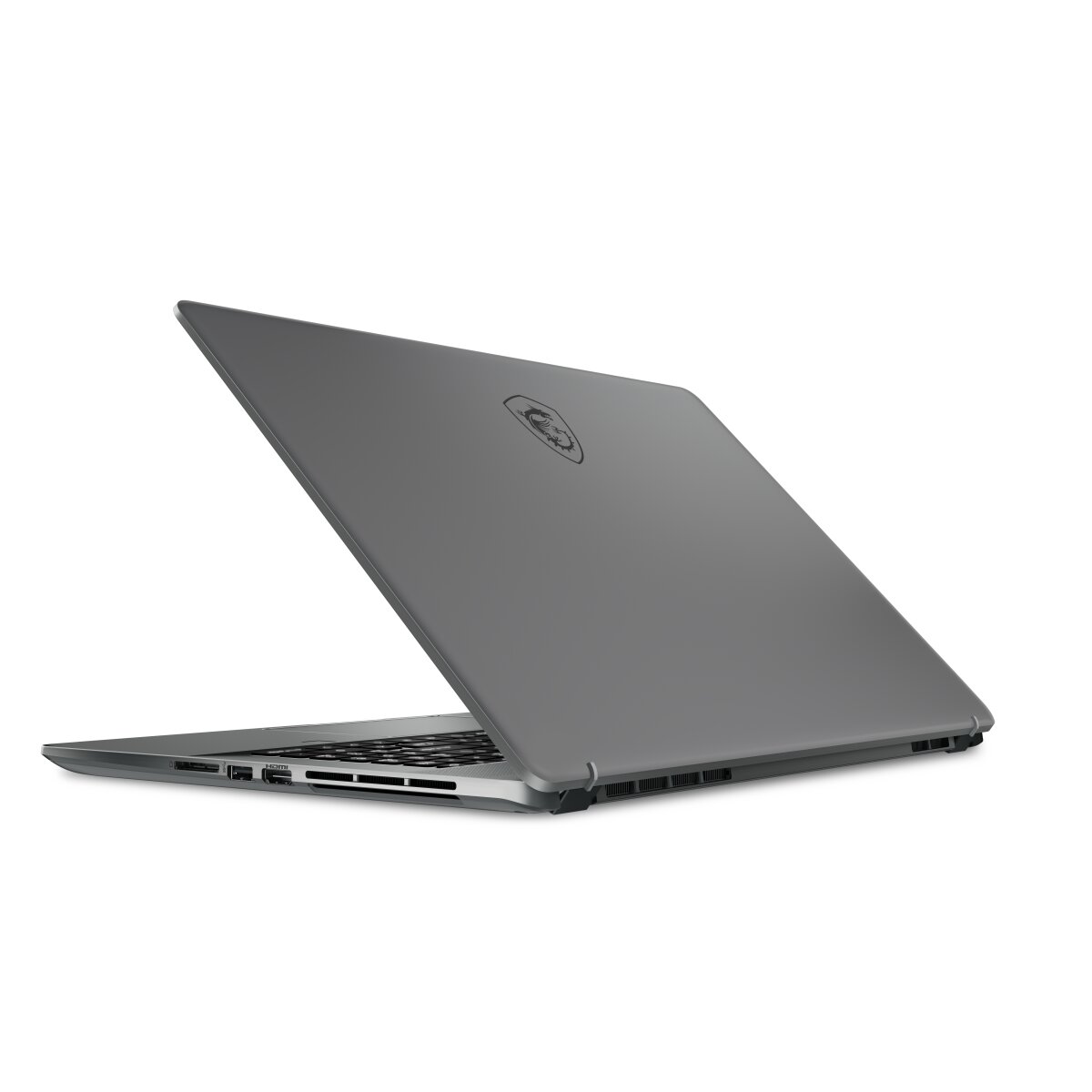
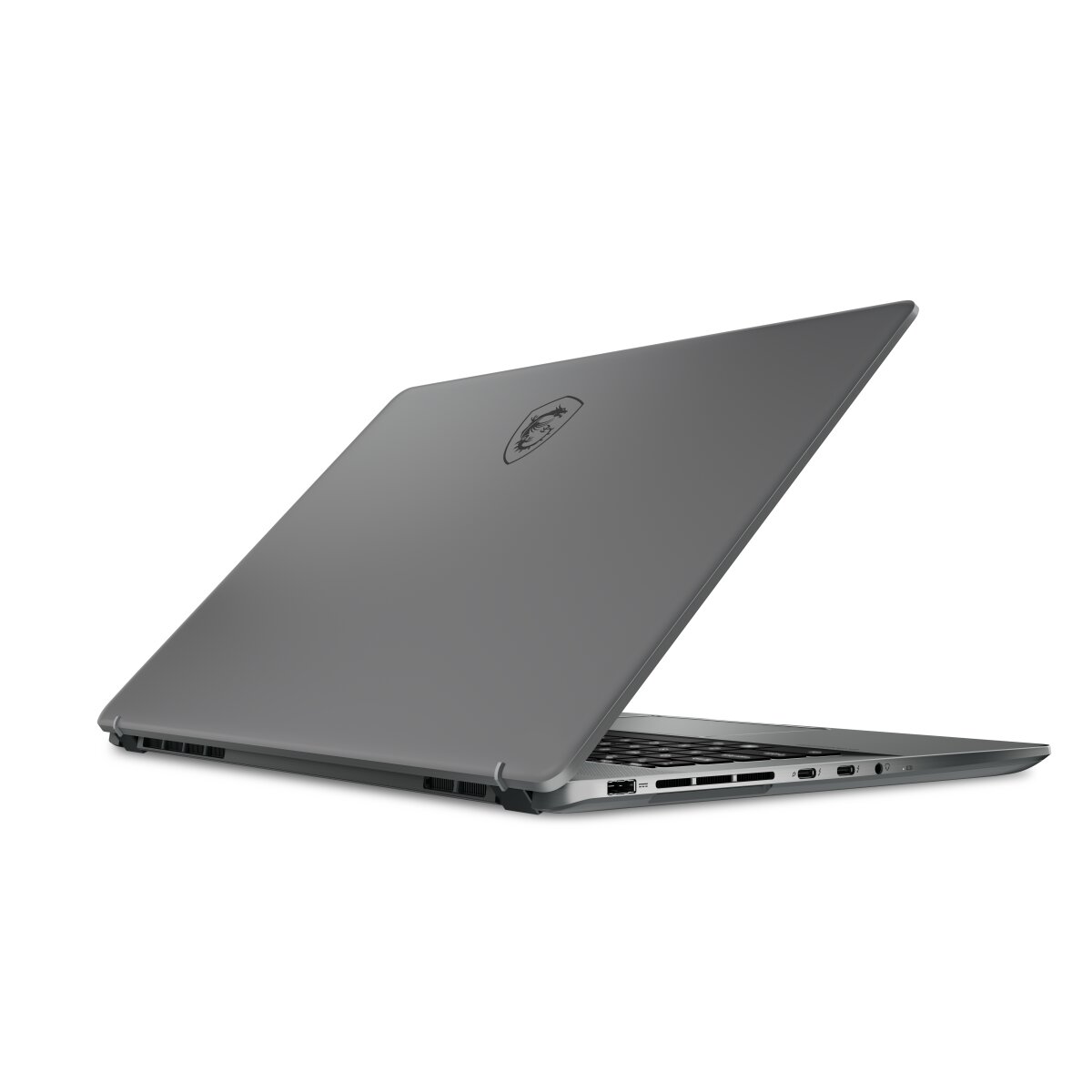
The MSI CreatorPro Z17HXStudio features DDR5-SDRAM memory configuration with 2x SO-DIMM slots supporting maximum capacity of 64 GB RAM. Memory specifications include DDR5-SDRAM technology operating at 5600 MHz frequency. The upgrade slots accommodate SO-DIMM form factor modules, enabling compatible memory expansion. Maximum memory upgrade capacity reaches 64 GB total on the Z17HXStudio model. DDR5 memory modules at 5600 MHz frequency specifications are compatible with slots available on the CreatorPro Z17 series laptop.
Memory Upgrade Specifications
| Specification | Value |
|---|---|
| Memory slots | 2x SO-DIMM |
| Form factor | SO-DIMM |
| Memory type | DDR5-SDRAM |
| Frequency | 5600 MHz |
| Maximum RAM | 64 GB |
| Voltage | 1.1V |
| Number of pins | 262-pin |
| Interface | PC5 |
| PC Speed Rating | PC5-5600 (PC5-44800) |
| Bandwidth | 44.8 GB/s |
Additional Notes
- DDR5 memory operates at higher voltage levels than DDR4, requiring compatible SO-DIMM modules specifically rated for DDR5 standards to prevent electrical damage during installation.
- The 2 SO-DIMM slot configuration in this MSI CreatorPro Z17HXStudio supports symmetric dual-channel architecture, meaning matched pairs of identical capacity modules deliver maximum memory bandwidth for creative workloads.
- Reaching the 64 GB maximum requires 2x32 GB SO-DIMM modules, a capacity tier with limited availability and premium pricing compared to smaller increments.
- Memory bandwidth is constrained by the SO-DIMM form factor's narrower bus pathways relative to full-size DIMM slots, creating a latency penalty for memory-intensive rendering tasks despite the 5600 MHz frequency rating.
- DDR5-5600 MHz operation depends on the mobile processor's integrated memory controller validation; upgrading to faster DDR5 modules may not produce performance gains if the system defaults to JEDEC standard frequencies below 5600 MHz.
- The single memory upgrade path involves replacing both existing SO-DIMMs simultaneously, as mixing single-module upgrades with the factory configuration risks asymmetric channel performance or incompatibility flags in firmware.
- Thermal throttling from additional memory modules operating at elevated voltages may occur in confined mobile chassis designs, particularly during sustained video encoding or 3D asset compilation sessions.
- Most SO-DIMM memory modules from third-party manufacturers carry no factory warranty coverage for laptop systems; firmware-level memory compatibility rejection leaves the end user responsible for module replacement costs.