MSI Cyborg 15 A12VE-059XIT RAM upgrade specifications
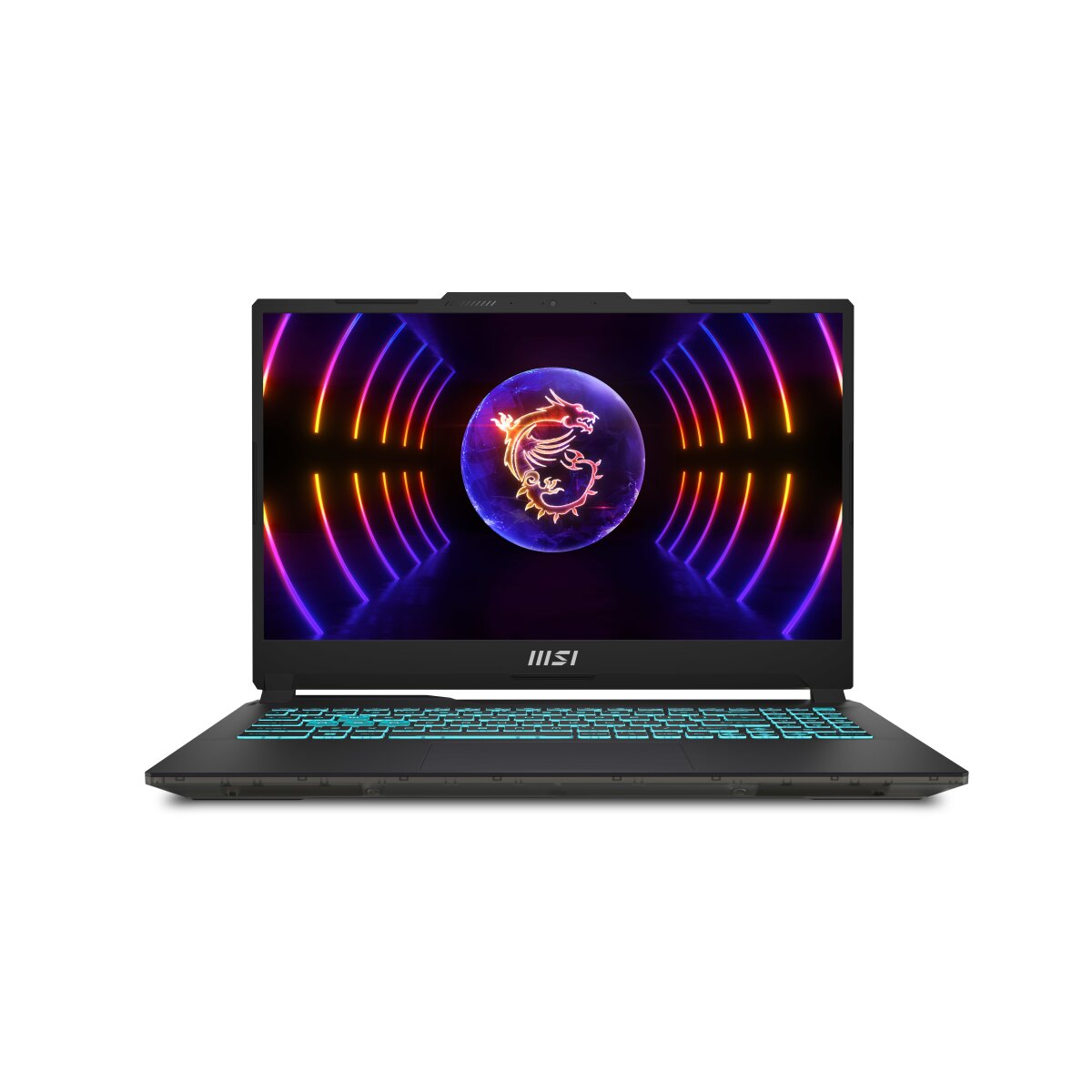


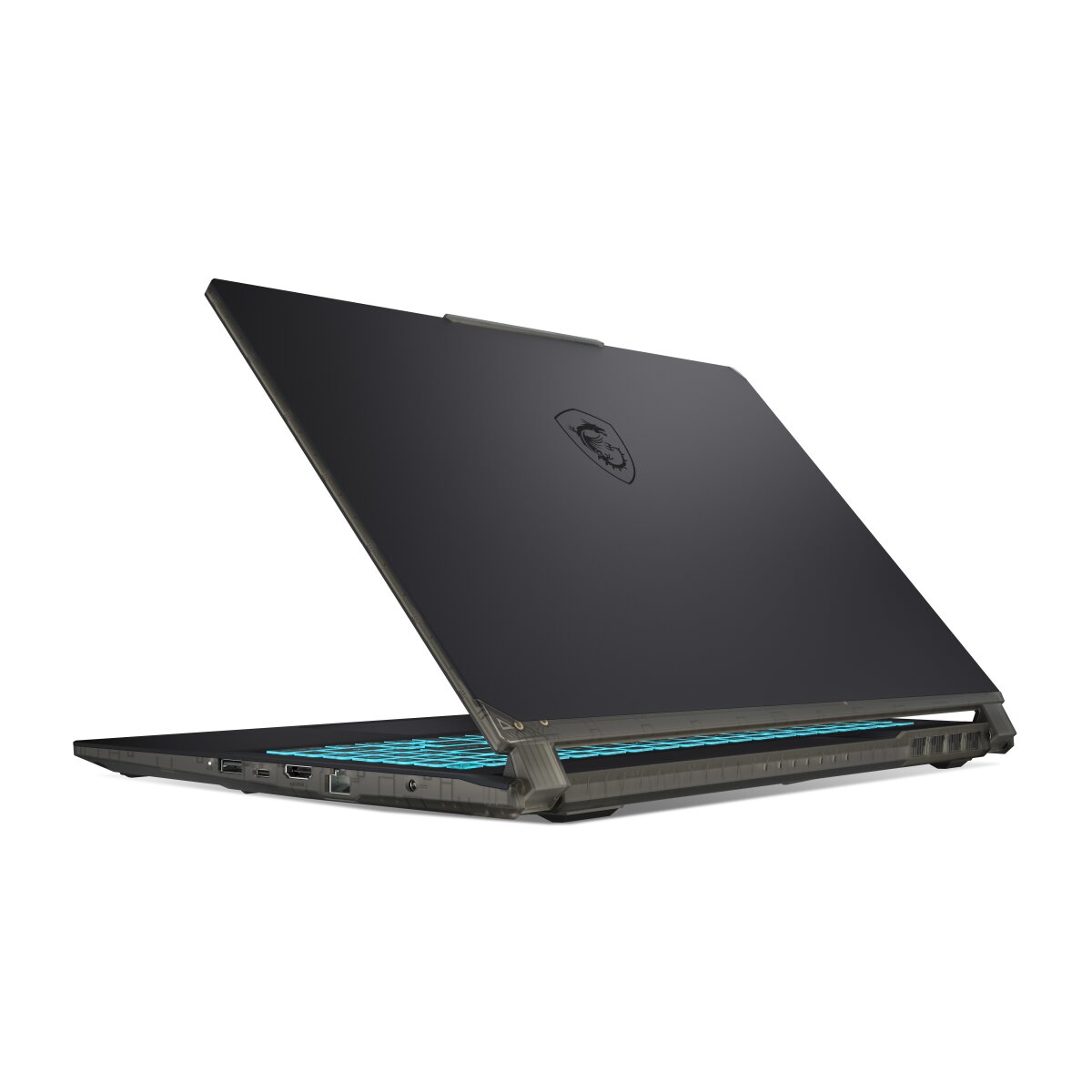
MSI Cyborg 15 A12VE-059XIT laptop features DDR5-SDRAM memory upgrade specifications with 2x SO-DIMM slots supporting maximum capacity of 64 GB total. Compatible memory modules operate at 4800 MHz frequency with SO-DIMM form factor. Upgrade slots accommodate DDR5 memory technology for enhanced performance specifications. Maximum RAM configuration specifications support up to 64 GB capacity across both memory slots.
Memory Upgrade Specifications
| Specification | Value |
|---|---|
| Memory slots | 2x SO-DIMM |
| Form factor | SO-DIMM |
| Memory type | DDR5-SDRAM |
| Frequency | 4800 MHz |
| Maximum RAM | 64 GB |
| Voltage | 1.1V |
| Number of pins | 262-pin |
| Interface | PC5 |
| PC Speed Rating | PC5-4800 (PC5-38400) |
| Bandwidth | 38.4 GB/s |
| Laptop Release date | 15 February 2023 |
Additional Notes
- The MSI Cyborg 15 A12VE-059XIT implements DDR5 technology, which operates at higher baseline voltages compared to DDR4, typically requiring 1.1V instead of 1.2V, reducing power consumption while delivering increased bandwidth.
- DDR5 SO-DIMM modules feature onboard power management integrated circuits, eliminating the motherboard-level voltage regulation present in DDR4 systems and improving signal integrity during high-speed operations.
- The 4800 MHz frequency specification represents DDR5's entry-level speed tier, providing 38.4 GB/s of theoretical bandwidth per module in dual-channel configuration, which benefits memory-intensive applications like video rendering and large dataset processing.
- Dual SO-DIMM architecture enables symmetric dual-channel operation when matched modules are installed, effectively doubling memory bandwidth compared to single-channel configurations and reducing latency in parallel processing workloads.
- The 64 GB maximum capacity indicates chipset support for 32 GB density modules, which utilize dual-rank configurations that may introduce minor latency penalties compared to single-rank modules while providing greater capacity.
- SO-DIMM form factor compatibility restricts upgrades to notebook-specific memory modules measuring 67.6mm in length, preventing use of standard desktop DIMM modules that measure 133.35mm.
- DDR5 backward incompatibility with DDR4 slots stems from different pin configurations (262-pin versus 260-pin) and altered notch positioning, making physical installation of incompatible modules impossible.
- Mixing modules with different speeds forces the memory controller to operate all modules at the lowest common frequency, potentially underutilizing faster modules if paired with slower variants.
- Memory rank configuration affects channel population rules, where certain dual-rank module combinations may prevent the system from reaching maximum capacity due to electrical loading constraints on the memory bus.
- Upgrading beyond factory-installed capacity typically maintains warranty coverage as SO-DIMM slots are designed for user-accessible upgrades, though verification of regional warranty terms remains advisable.
- JEDEC-standard DDR5-4800 modules operate with standardized timings of CL40-40-40, while overclocked XMP profiles may not function reliably on mobile platforms due to thermal and power delivery limitations.
- DDR5's improved error correction through on-die ECC operates independently of system-level ECC support, correcting single-bit errors within the DRAM chip without CPU intervention.