MSI Cyborg 15 A12VE-298NL RAM upgrade specifications
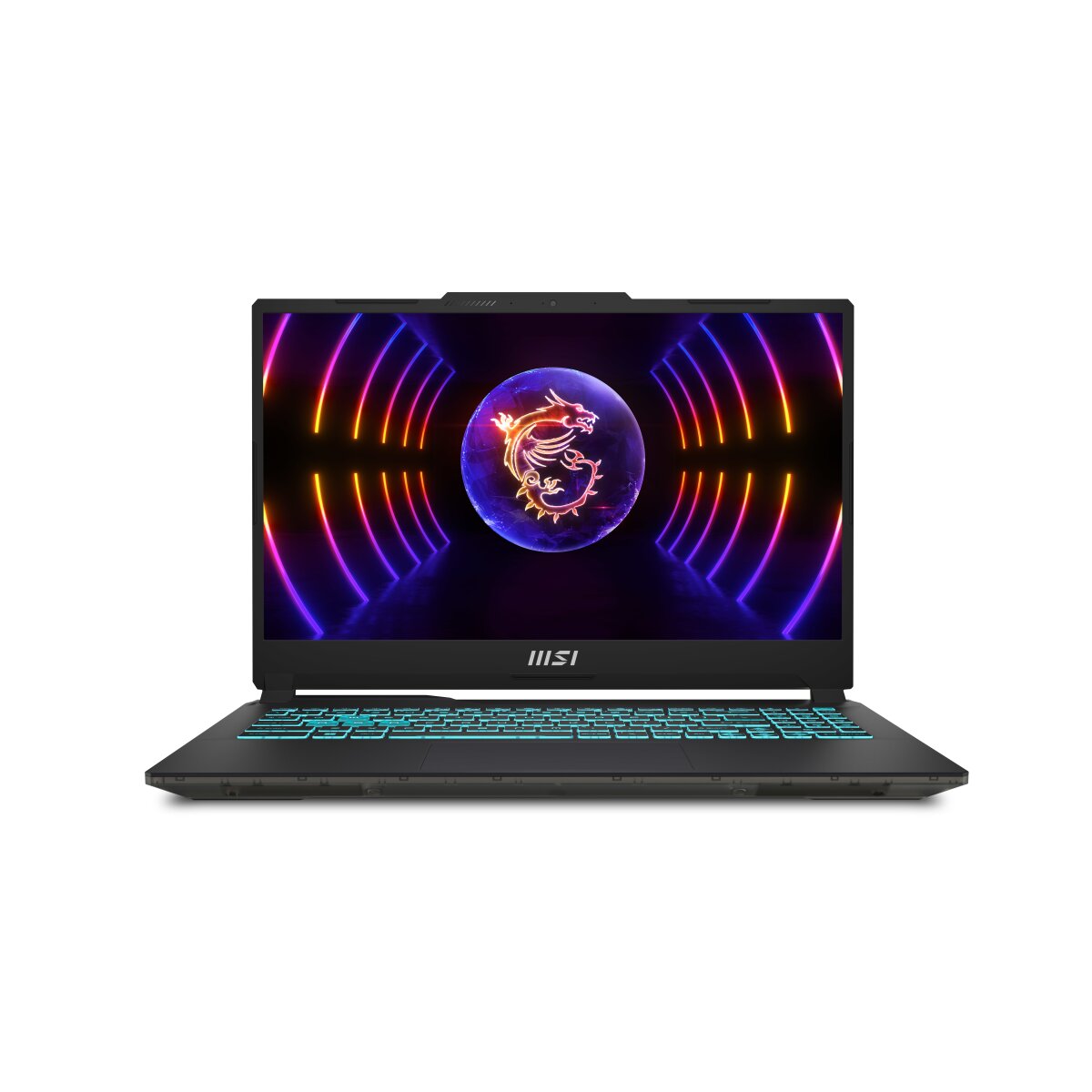
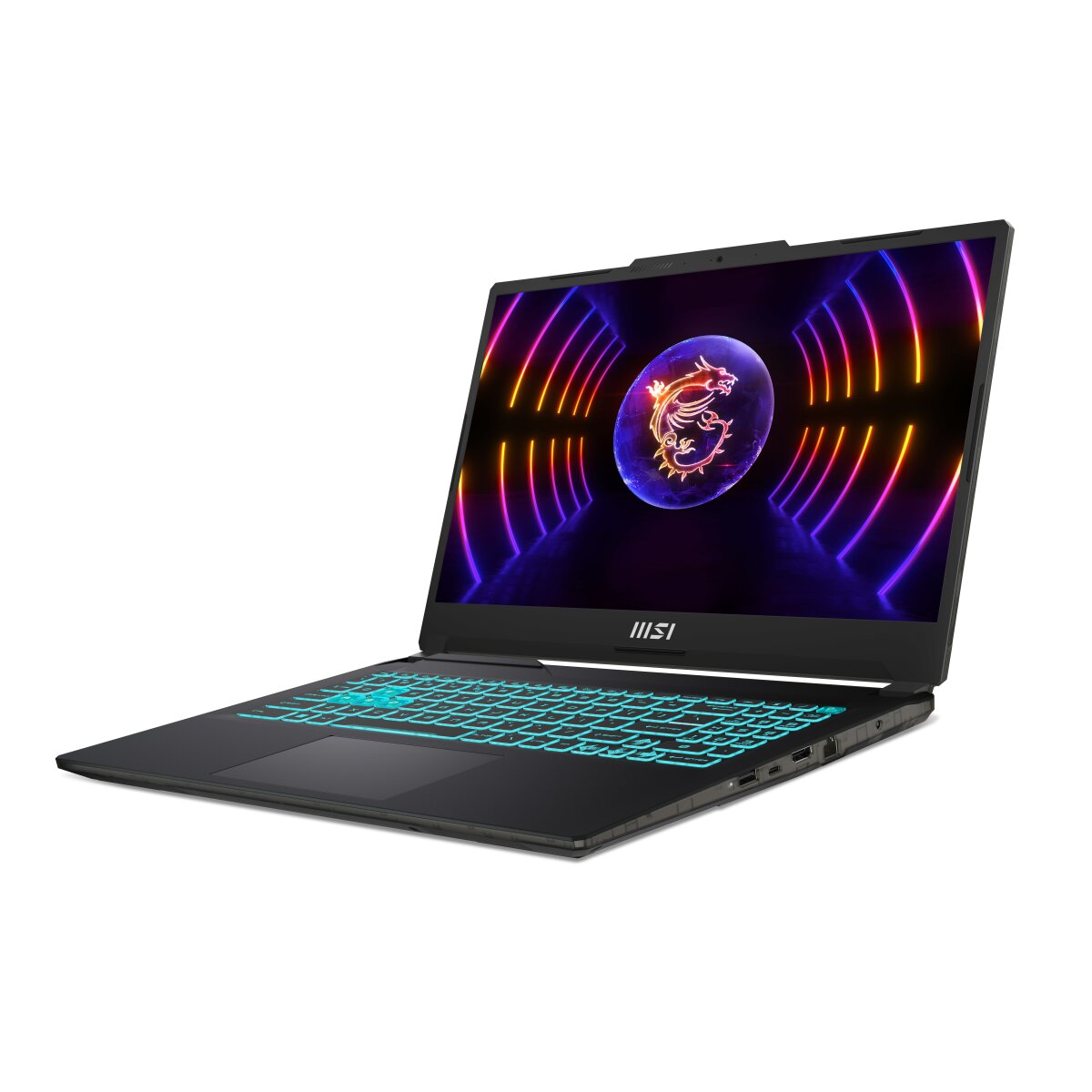
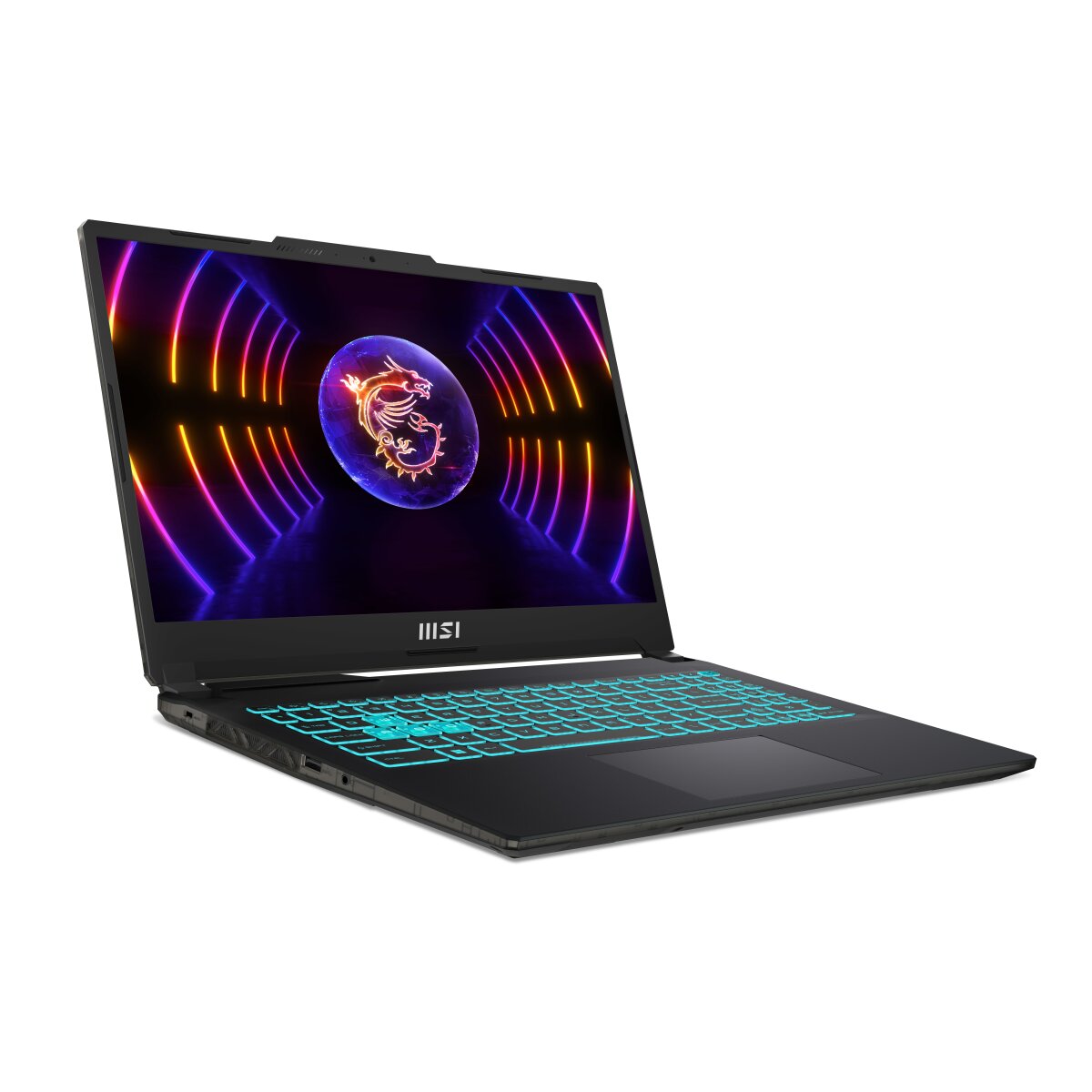
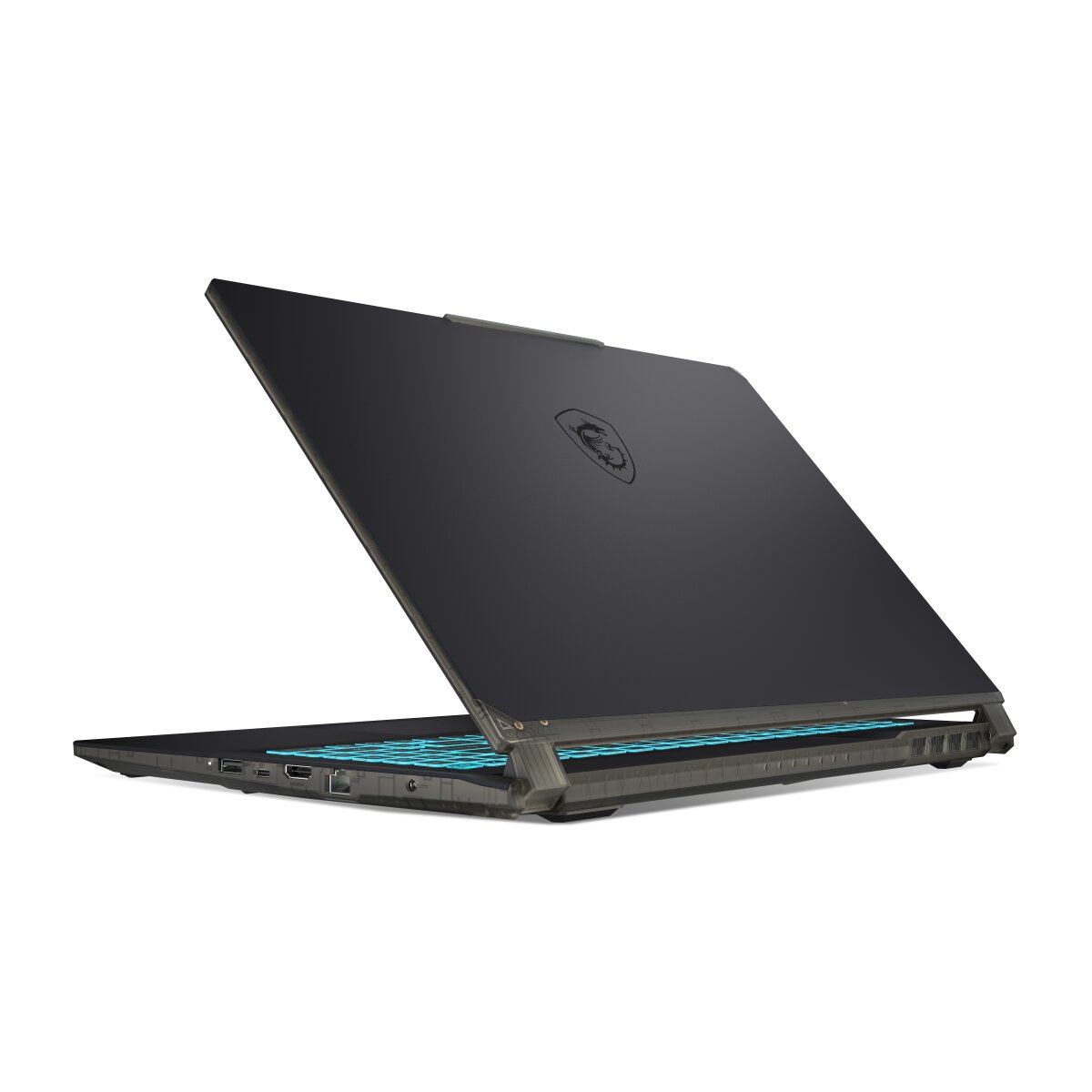
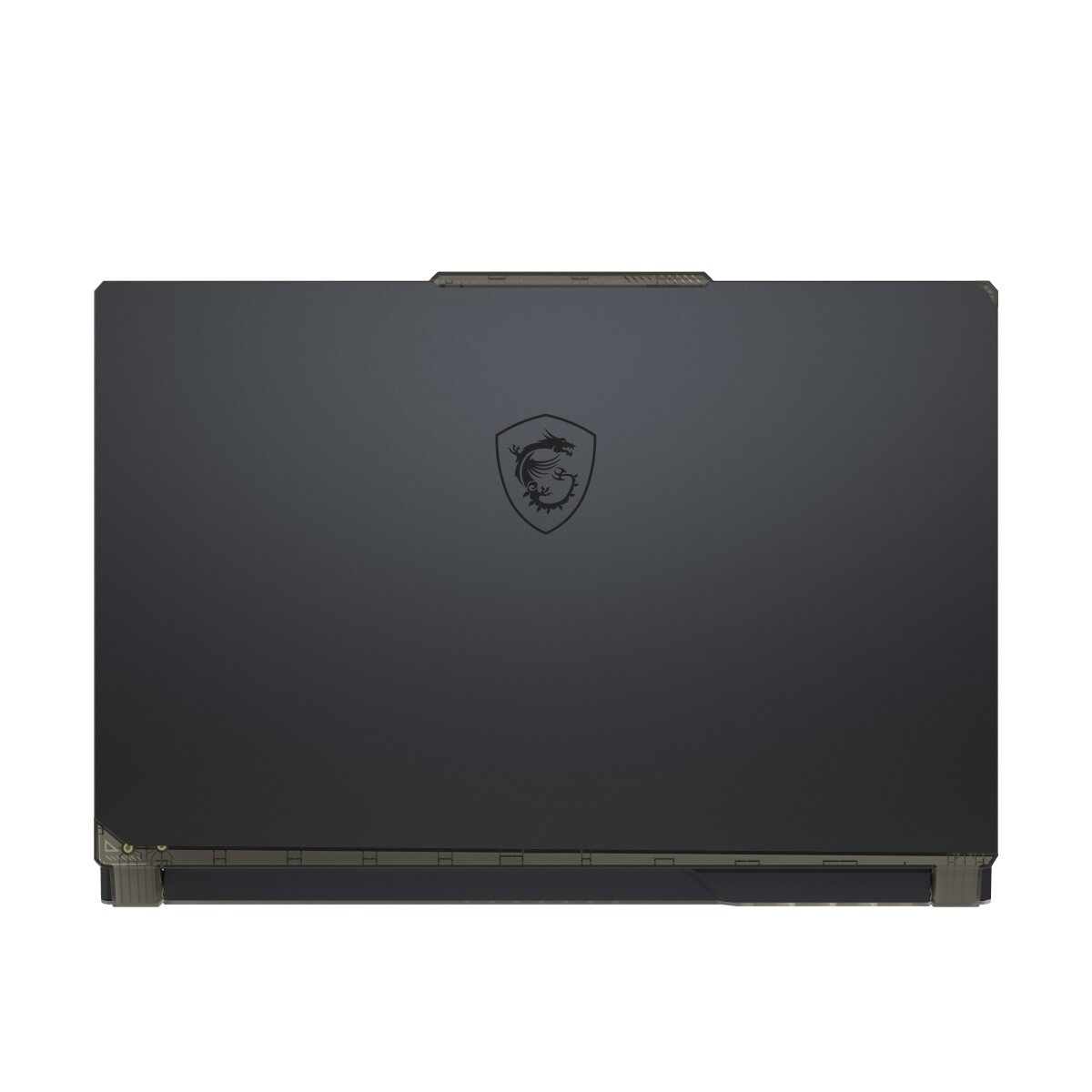
MSI 15 A12VE-298NL Cyborg series laptop RAM upgrade specifications. Compatible memory type: DDR4-SDRAM with 4800 MHz frequency. Upgrade capacity: 2x SO-DIMM slots support maximum 64 GB total RAM. Memory form factor: SO-DIMM. Specifications enable memory expansion for enhanced multitasking performance and system responsiveness on MSI 15 A12VE-298NL model.
Memory Upgrade Specifications
| Specification | Value |
|---|---|
| Memory slots | 2x SO-DIMM |
| Form factor | SO-DIMM |
| Memory type | DDR4-SDRAM |
| Frequency | 4800 MHz |
| Maximum RAM | 64 GB |
| Voltage | 1.2V |
| Number of pins | 260-pin |
| Interface | PC4 |
| PC Speed Rating | PC4-4800 (PC4-38400) |
| Bandwidth | 38.4 GB/s |
| Laptop Release date | 04 May 2023 |
Additional Notes
- The MSI Cyborg 15 A12VE-298NL supports DDR4 modules rated at 4800 MHz, which exceeds JEDEC standard DDR4 specifications and requires XMP profile activation in BIOS to achieve advertised speeds.
- Installing memory modules without matching speed bins will force all installed modules to downclock to the slowest module's frequency, creating potential performance degradation in memory-intensive applications.
- The 64 GB maximum capacity requires 2 modules of 32 GB each, limiting dual-channel configurations to this specific pairing and eliminating incremental upgrade options beyond initial installation.
- SO-DIMM form factor modules operate at 1.2V for standard DDR4, though higher frequency modules may require elevated voltages that impact thermal management within the laptop chassis.
- Accessing both memory slots typically requires complete bottom panel removal, as most gaming laptop designs position SO-DIMM slots beneath the motherboard or adjacent to heat-generating components.
- DDR4-4800 modules represent high-performance variants that command premium pricing compared to standard DDR4-3200 modules, while real-world application performance gains often remain within single-digit percentage improvements.
- Dual-channel architecture activation requires populated slots to contain identical capacity modules, making asymmetric configurations revert to single-channel mode and halving theoretical memory bandwidth.
- Third-party memory installations will not void manufacturer warranty under Magnuson-Moss Warranty Act provisions, though demonstrable damage caused during installation remains outside warranty coverage.
- High-frequency DDR4 modules generate increased heat output compared to standard frequency variants, potentially requiring thermal pad contact with chassis cooling pathways for stable operation during sustained workloads.
- Memory controller compatibility with DDR4-4800 speeds depends on the integrated chipset capabilities of the 12th generation Intel processor, which officially supports lower JEDEC speeds with higher frequencies achievable through overclocking profiles.